All Articles
401 expert articles on parrot care, training, and wellbeing. Page 13 of 17.
Showing 24 of 401 articles
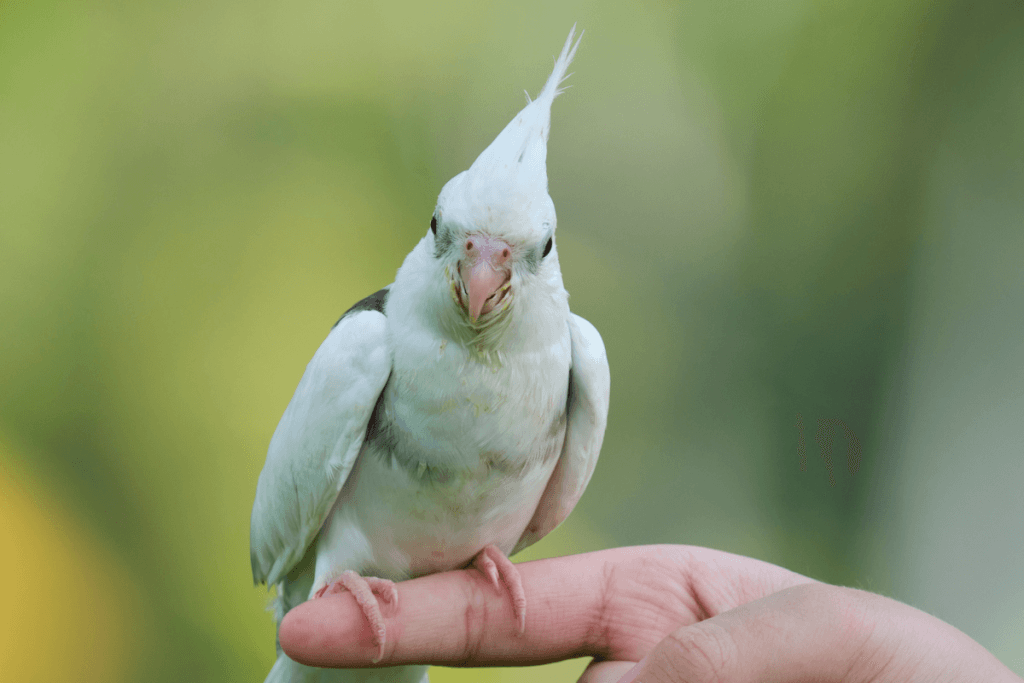
Fun and Easy Ways to Get Your Parrot Moving
Your parrot was built to fly, climb, and forage all day — but cage life makes it easy to become a perch potato. Here's how to turn lazy time into playtime with in-cage climbing, out-of-cage play zones, flapping games, trick training, and a simple daily routine that keeps your bird lean, strong, and mentally sharp.
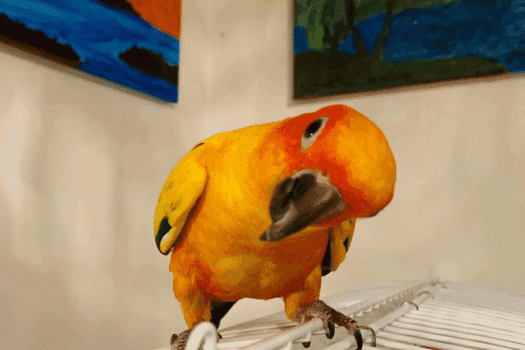
Fun and Interactive Games to Play with Your Parrot
Play is how parrots bond, burn energy, and stay mentally sharp. Here are the interactive games we love most, plus how to read your bird's body language before you start, foraging and trick-training ideas, and the safety rules that keep playtime fun.
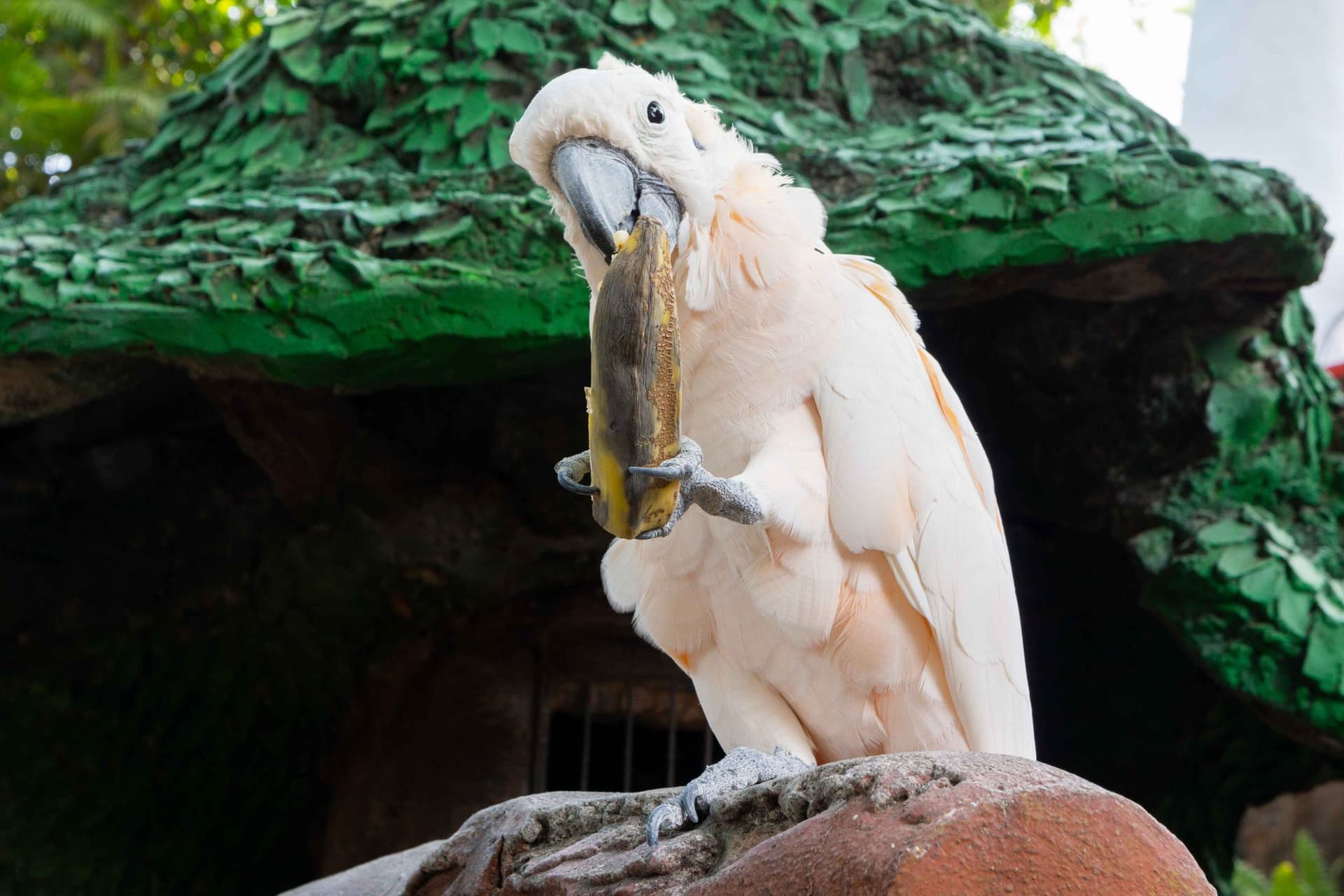
Healthy Snack Ideas for Your Parrot
A vet-informed guide to snacking for parrots: where treats fit in a pellet-based diet, the best fresh produce and portioned nuts to offer, how to read commercial treat labels, the foods that are never safe, and how to turn snack time into foraging enrichment.
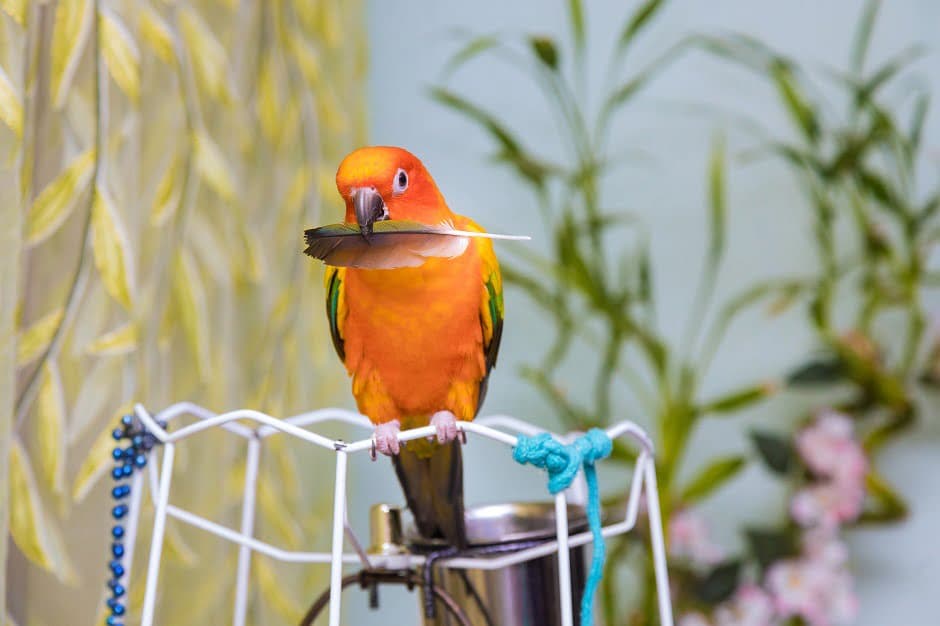
How to Choose the Best Toys for Your Pet Bird
Toys are a genuine welfare need, not a luxury. Learn how to read your bird's play style, match toy size and material safely, build a rotation of foraging, shredding, preening and puzzle toys, and turn daily play into gentle trick-training.
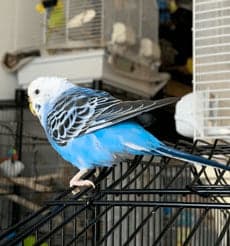
How to Safely Clean Your Bird's Toys and Cage Accessories
Between droppings, dropped food, and enthusiastic play, your bird's toys and perches get dirty fast—and grime is where bacteria, mold, and mites take hold. Here's a material-by-material routine for cleaning and disinfecting every accessory safely, without fumes that could harm your bird.
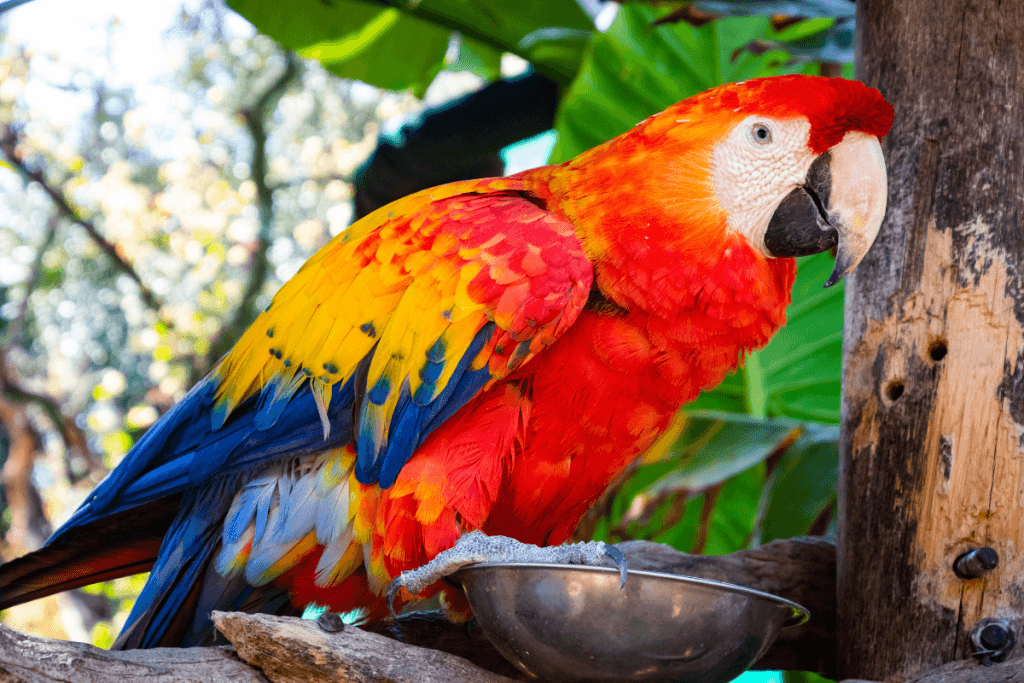
Maintaining Healthy Beaks and Nails in Pet Birds
A parrot's beak and nails are living, constantly growing tissue kept in shape by wild-style work: chewing, climbing, and cracking. Learn how to read them for early signs of trouble, feed for strong keratin, encourage natural grooming, and know exactly which trims you can do at home and which belong to your avian vet.
Managing Feather Dust in Your Home
Feather dust is the fine keratin powder every bird sheds as its feathers mature, and powder-down species like cockatoos and greys produce it by the cloud. Here is a practical three-front plan to bathe your bird, clean the cage, and filter the air so your home stays livable and your bird stays healthy.
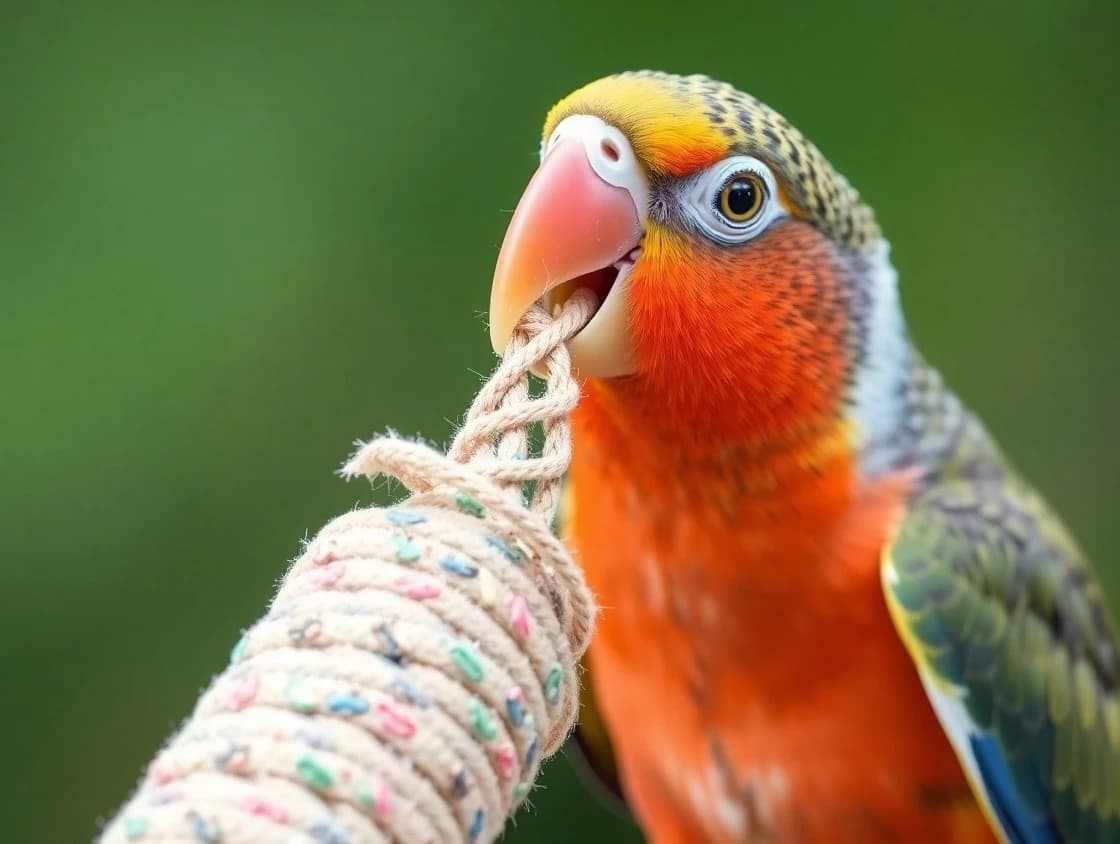
Nutritional Guide for Birds: Essential Nutrients, Sources, and Benefits
A complete, vet-informed guide to what birds actually need to eat: a formulated-pellet base, veg-forward fresh foods, the macro- and micronutrients behind healthy feathers and bones, the foods that are toxic, and how to convert a seed junkie onto a balanced diet.
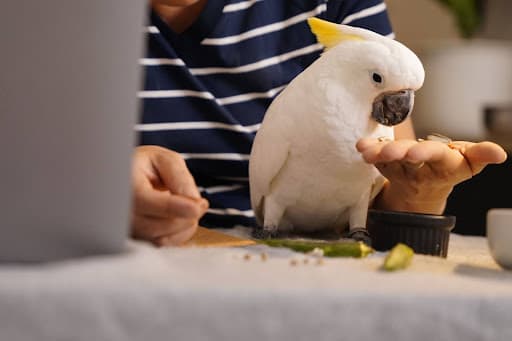
Reward-Based Training Techniques for Parrots
Reward-based (positive reinforcement) training is the gold standard for teaching parrots. Learn the cue-behaviour-reward loop, the one-second reward window, clicker and target training, and how to build a well-behaved, confident bird without fear or force.

Rub-a-Dub-Dub, Birdie in a Tub: Bathing Tips for Happy, Healthy Birds
Bathing keeps a bird's feathers, skin, and airways healthy — not just clean. Learn the main bathing methods, how often to offer a bath, safe water temperature, and the drying and safety rules that keep bath time a joy instead of a chill.
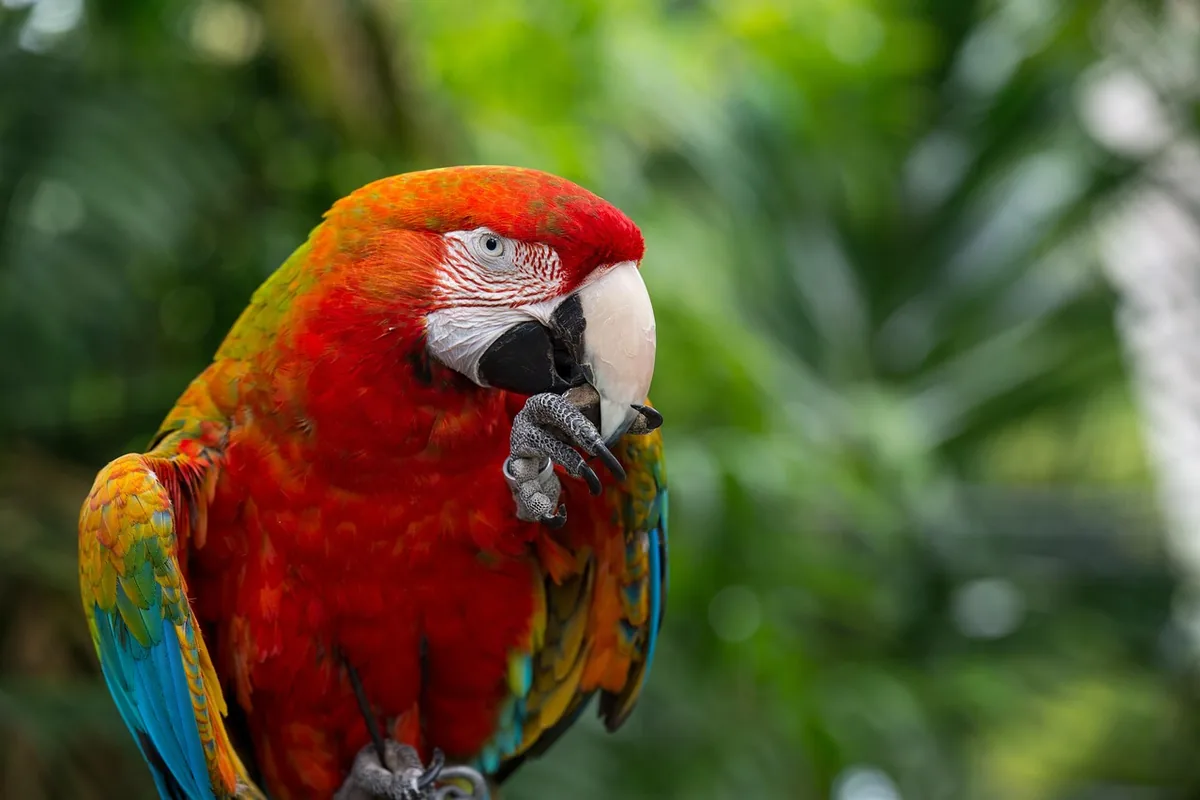
Safe and Effective Nail Trimming Tips for Your Parrot
How to tell when your parrot's nails are too long, choose the right tool for your bird's size, restrain safely without pressing on the keel, and trim one small pass at a time—plus when to leave it to an avian vet.
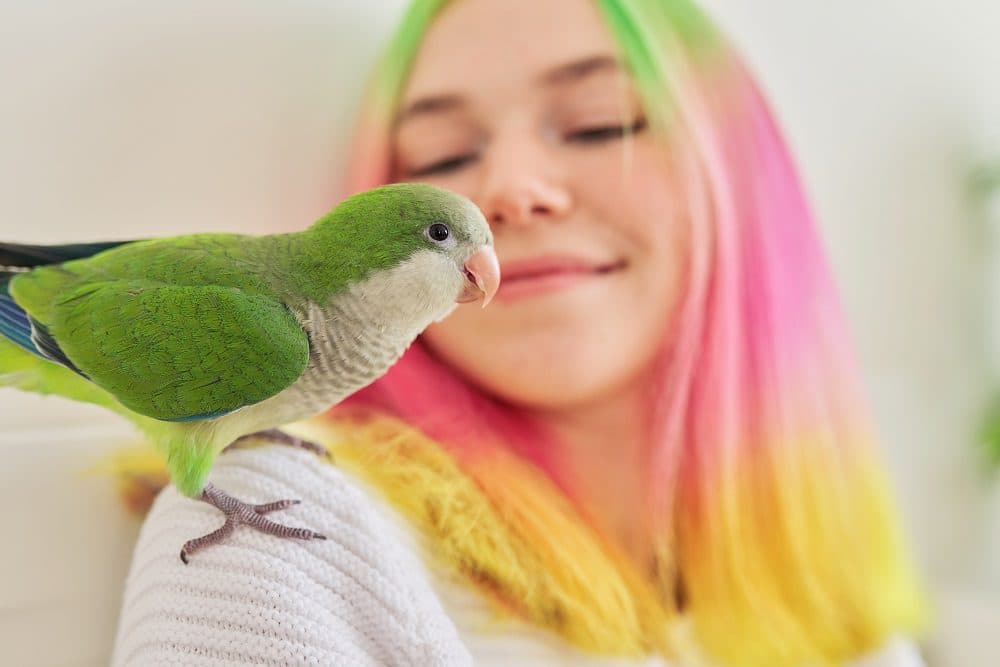
Seeds vs. Formulated Diets: What’s Best for Your Bird?
Seeds or pellets? The honest answer is: mostly pellets, plus fresh food, with seeds as treats. Here is how the two diets compare, why a seed-only bowl shortens a parrot's life, the ratio to aim for, the species exceptions, and how to convert a stubborn seed junkie one gram at a time.
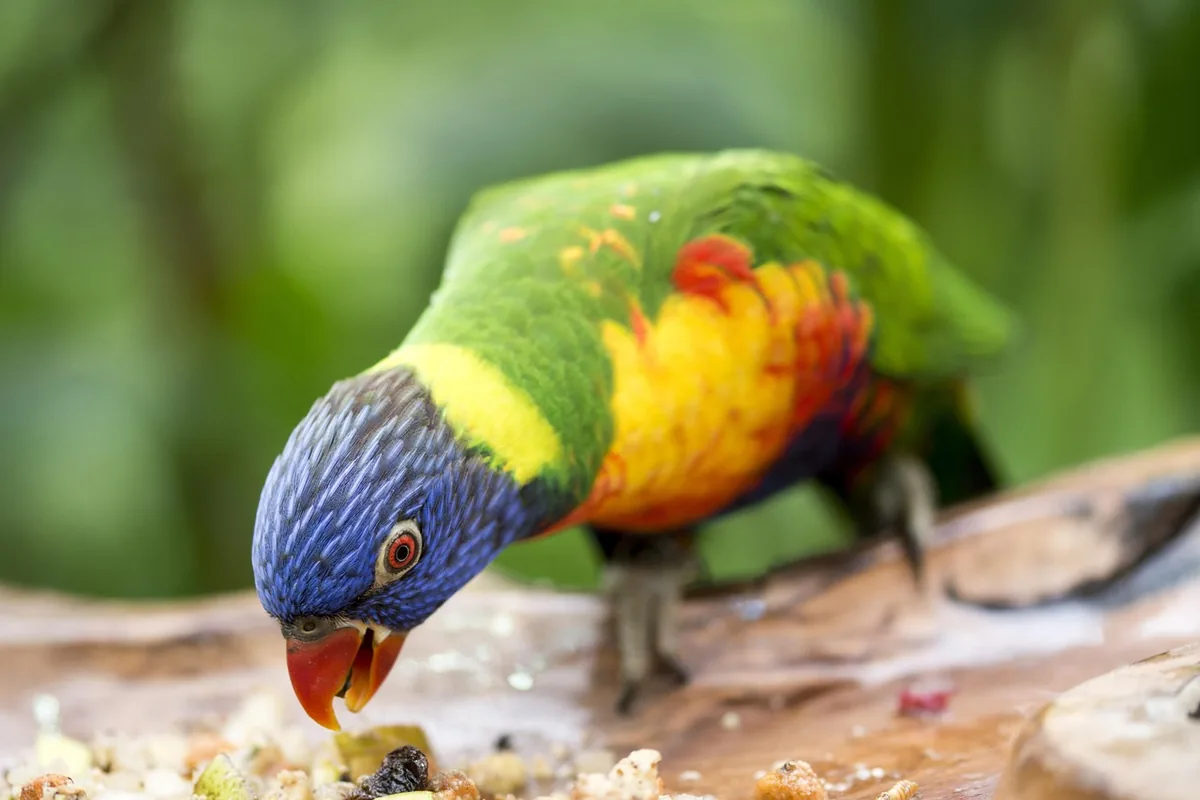
Sprouting for Parrots: Unlocking the Ultimate Superfood for Avian Health
Sprouted seeds, grains, and legumes are one of the most nutrient-dense fresh foods you can offer a parrot. Here's how sprouting transforms a dry seed, what it adds to your bird's diet, how to do it safely at home, and exactly where it fits alongside a pellet-based diet.
The Vital Role of Exercise in Your Parrot’s Health
Wild parrots fly for hours every day, but a pet bird can spend most of its life standing still. Here is why daily exercise is non-negotiable for your parrot's heart, weight, and mind, how much your species really needs, and simple ways to keep your bird moving all year in Toronto.
Why an Organic Diet Matters for Your Parrot's Health
Organic produce matters most for the fresh 20-25% of your parrot's plate. Here is how to prioritize what to buy organic, wash produce properly, and keep truly toxic foods off the menu entirely.
Why Birds Need to Play
In the wild, a parrot spends most of its waking hours foraging, flying, and interacting with a flock. In your living room, all of that effort disappears—and the empty hours it leaves behind are where boredom, screaming, and feather-destructive behaviour take root. Here is why play is a genuine biological need, not a luxury, and how to build it into your bird's day.
Why Good Hygiene Is Essential for Your Bird's Health
Companion birds depend on you for the clean environment they'd find naturally in the wild. Here's why hygiene is preventive medicine for a bird — from their uniquely sensitive air-sac respiratory system to the daily, weekly, and monthly routines that keep cages, food, water, and feathers disease-free.
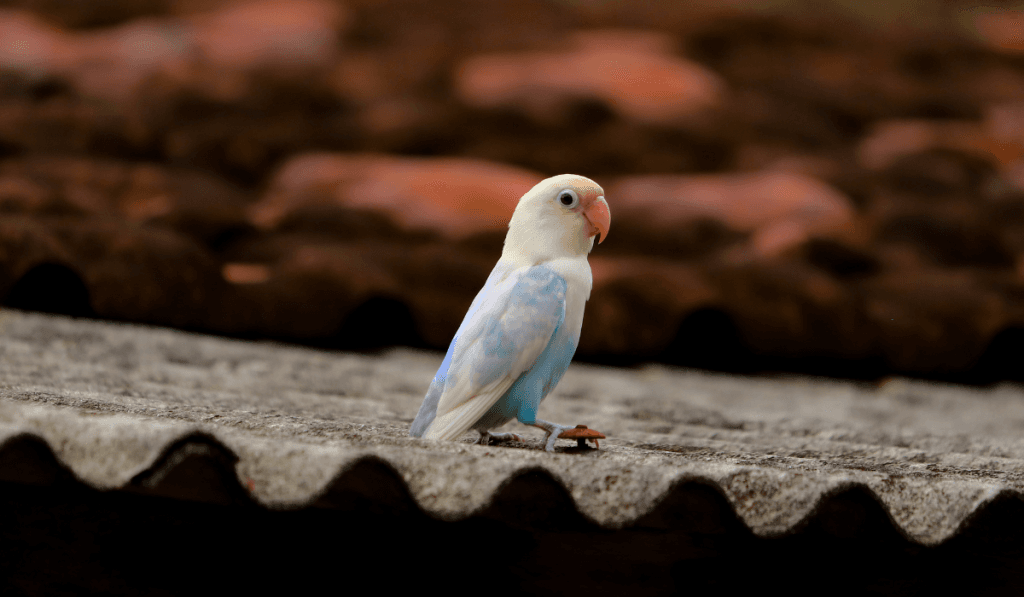
Why Parrot Diets Fail: Understanding and Correcting Common Feeding Mistakes
Most parrot diets don't fail from neglect—they fail because a clever bird outsmarts a well-meaning owner. Here's why feeding plans go wrong, and a calm, step-by-step way to move your parrot onto a pellet-based diet that keeps it healthy for life.
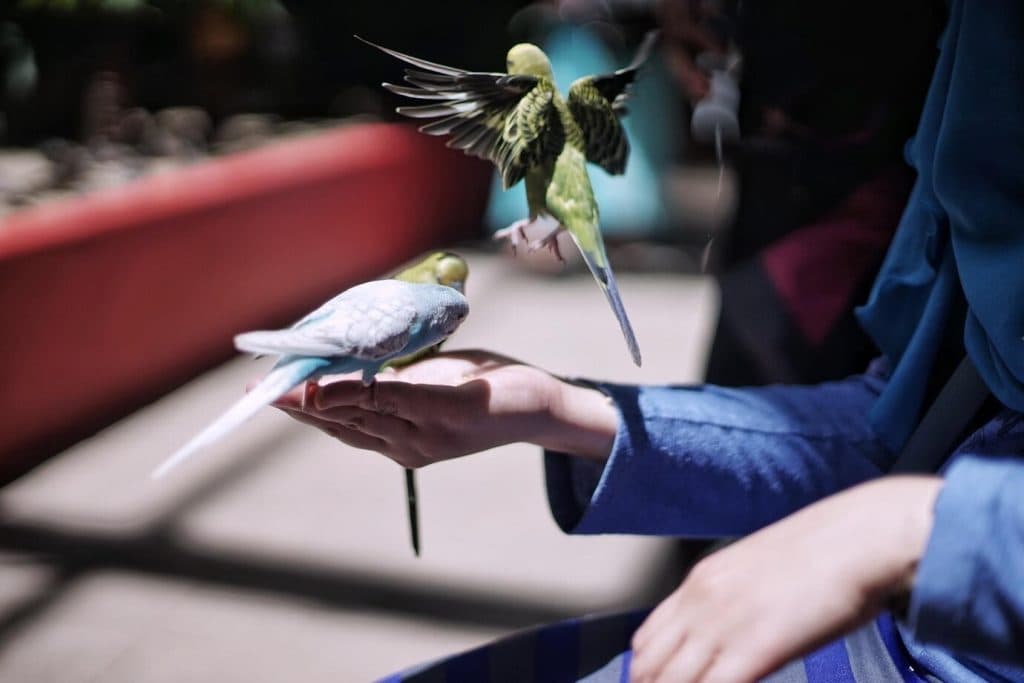
Wing Clipping in Birds: Safety, Technique, and Consideration
Wing clipping is a personal, sometimes debated decision. This guide walks you through whether to clip at all, how your bird's weight changes the technique, a careful two-person step-by-step method, and how to handle a bleeding blood feather safely.
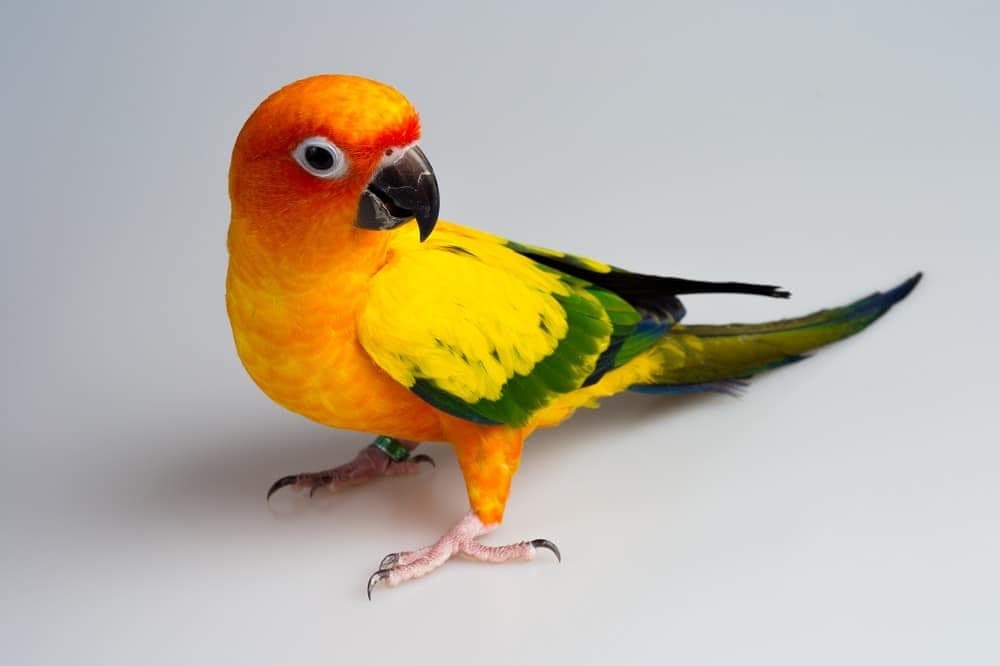
10 Essential Ways to Keep Your Parrot Healthy and Thriving
Ten practical, vet-informed habits that keep a companion parrot healthy for the long haul — a species-appropriate diet, real exercise, safe air and surroundings, good sleep, and the weekly weigh-ins that catch trouble before your bird ever looks sick.
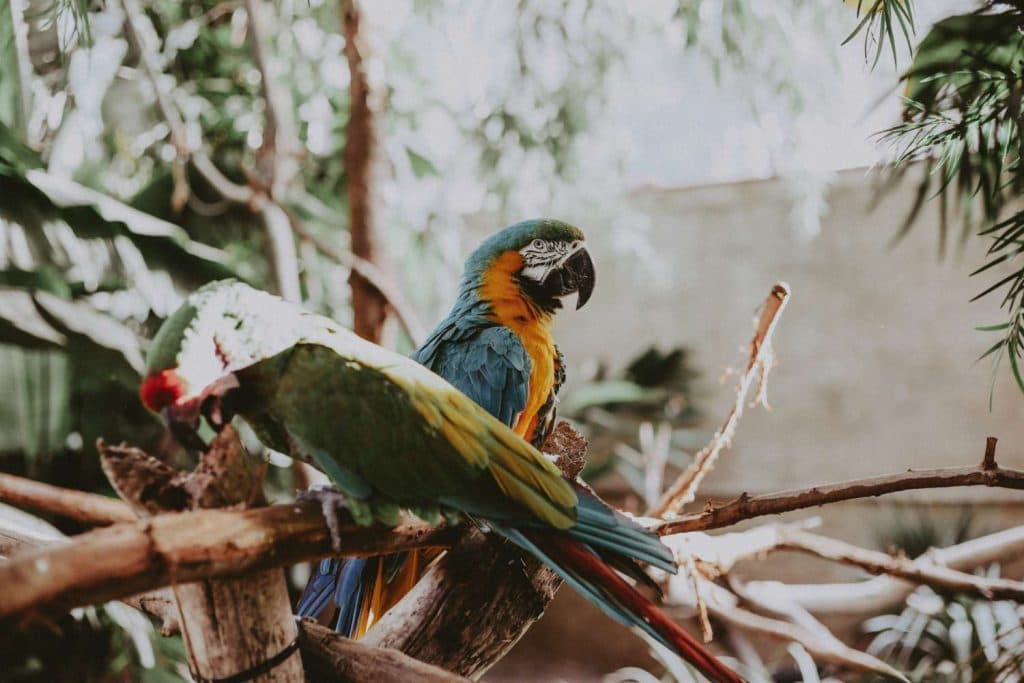
Avian Senses and Survival: How Parrots Experience the World
Your parrot lives in a richer sensory world than you do — one built on UV-tuned vision, split-second hearing, and instincts honed for survival. Understanding how your bird actually perceives its surroundings helps you build a calmer home and a stronger bond.
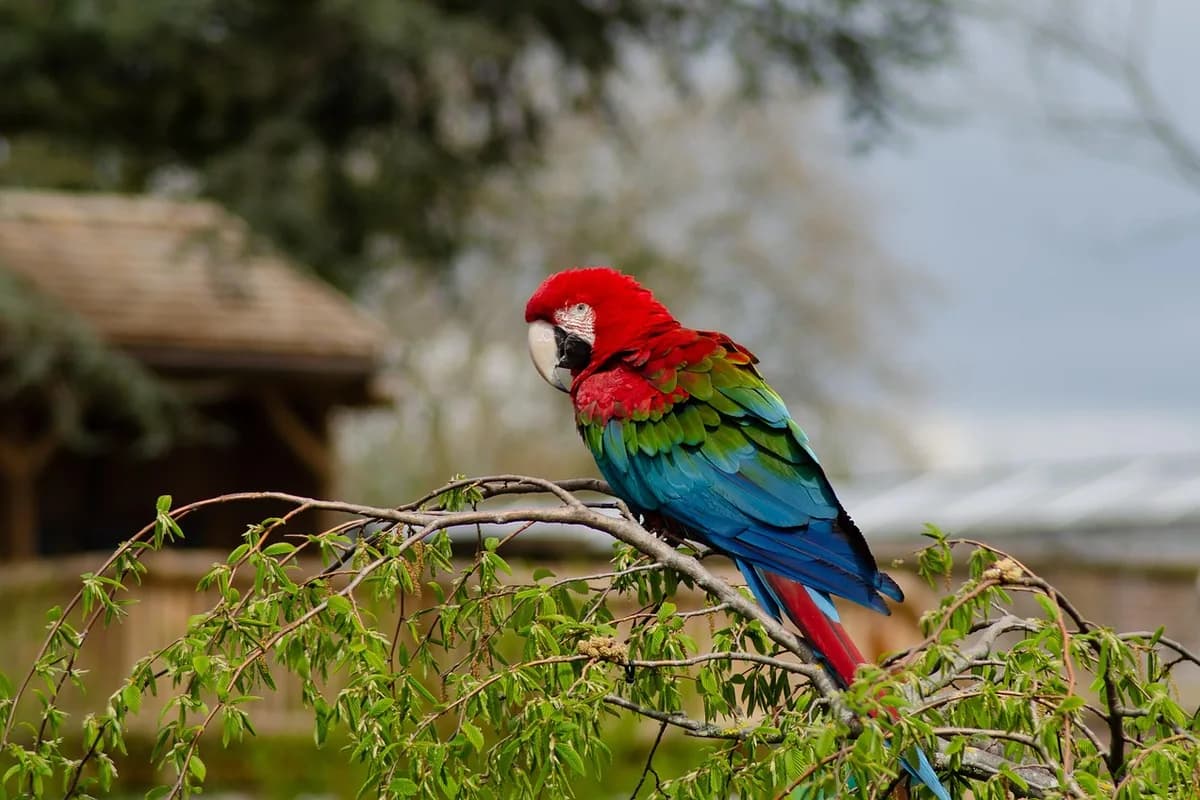
Don't Panic: First Aid for Birds Made Simple
Birds hide illness until they can't, so an emergency can escalate in minutes. This calm, step-by-step guide covers how to prepare, how to stabilize your bird, and exactly what to do for bleeding, burns, heat stroke, poisoning, and more until your avian vet takes over.
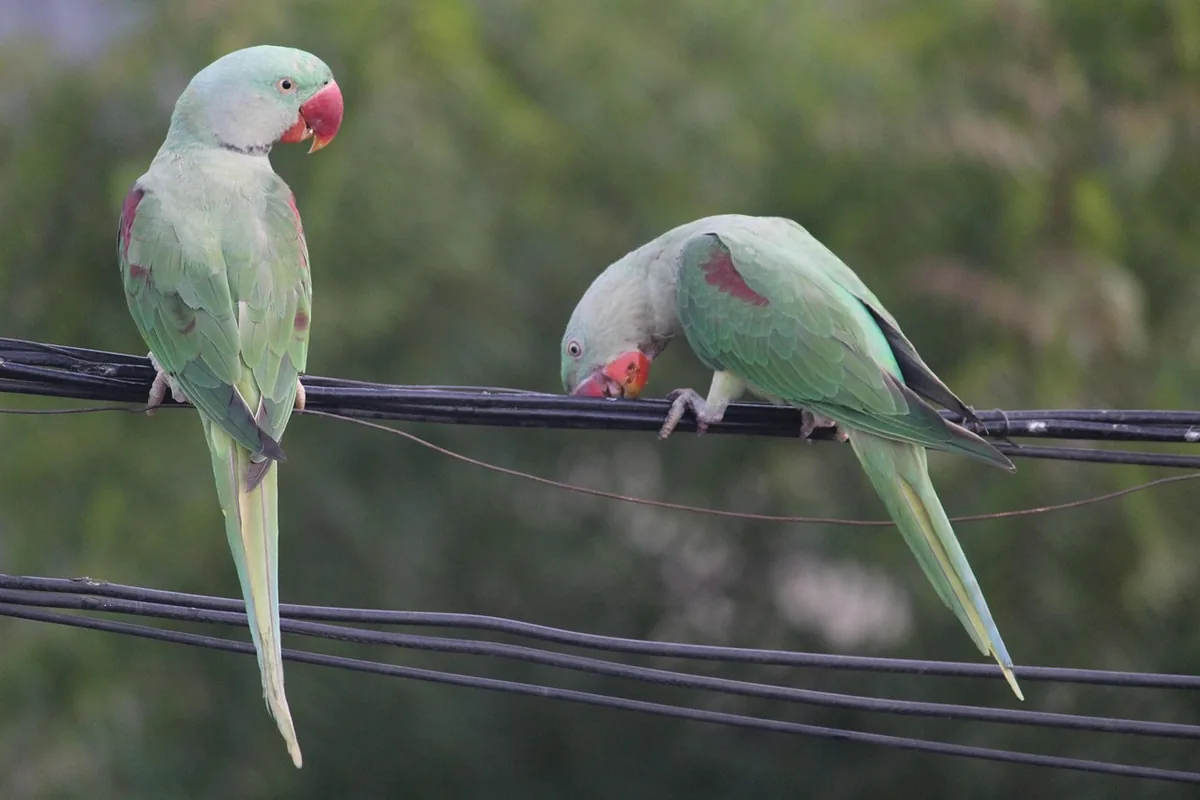
Flock Life and Parrot Security: Why Social Living Matters
In the wild, a parrot is almost never alone — the flock is its early-warning system, its classroom, and its social world. Here is why your companion bird is biologically wired to need one, and how your household becomes the flock it depends on.
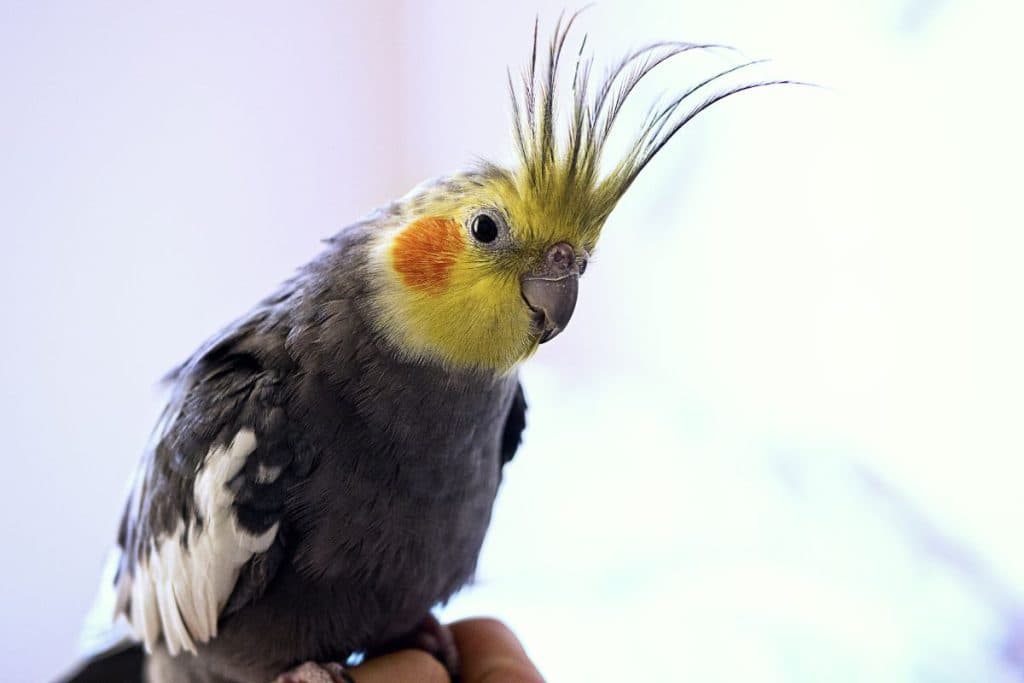
How Birds Use Their Senses for Survival: A Parrot’s Sensory World
Vision and hearing dominate a parrot's world, but smell, taste, and touch all shape how your bird eats, bonds, and stays safe. Here's how each avian sense works, and how to use that knowledge to build a calmer, richer home for your companion parrot.