Why an Organic Diet Matters for Your Parrot's Health
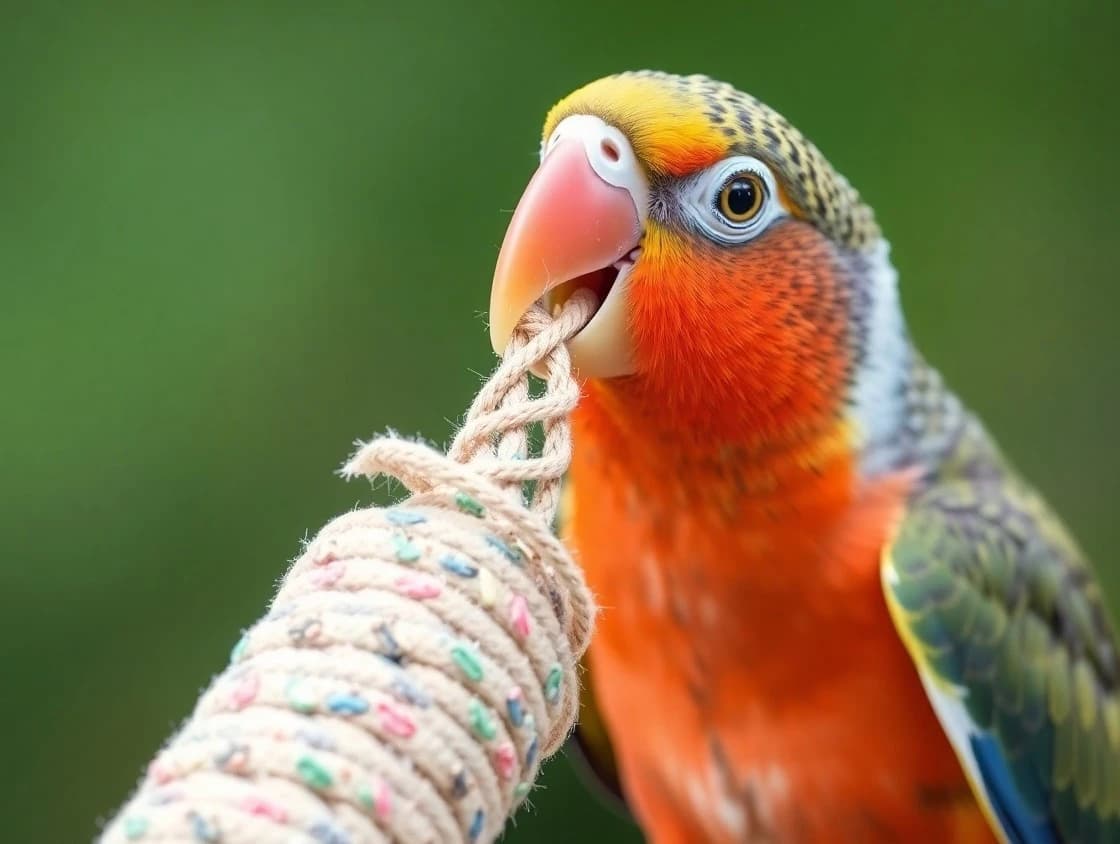
Parrots are remarkably sensitive to their environment. Their small body mass, unusually efficient respiratory system, and long lifespan mean that substances a larger animal might shrug off can accumulate and matter over decades. That is why avian caregivers pay such close attention to airborne hazards like overheated non-stick (Teflon/PTFE) cookware and harsh cleaning fumes. The same care extends to the plate: the pesticide, herbicide, and fungicide residues that can cling to conventionally grown produce.
At Bird Sitting Toronto, where we help care for hundreds of birds every year, families often ask whether they need to buy everything organic. The honest answer is more useful than a simple yes: organic matters, but it matters most for a specific slice of the diet, and knowing which slice saves you money while protecting your bird.
Where Organic Actually Fits in the Diet
Before we talk about organic, it helps to remember what a healthy parrot plate looks like. For most companion parrots, avian veterinary consensus (and authorities such as the Association of Avian Veterinarians and VCA Animal Hospitals) points to roughly:
- Pellets: about 75-80% of the diet — a formulated, nutritionally complete base.
- Fresh vegetable-forward foods: about 20-25% — leafy greens, vegetables, some fruit, cooked grains and legumes.
- Seeds and nuts: around 5%, used as treats and training rewards, not as a staple.
Organic sourcing is largely irrelevant to the pellet portion — quality pellets are already a controlled, formulated food. Where organic earns its place is in that fresh 20-25%, the raw produce that can carry surface residues. Focus your organic budget there.
Tip: A few species run on different rules. Lorikeets need a specialized commercial nectar diet rather than pellets (and should avoid high-iron foods). Eclectus are sensitive to additives and dyes and do best on a whole-food, vegetable-forward diet. Finches and canaries (passerines) are hands-off birds that can keep a quality seed mix as their staple, supplemented with greens, egg food, and some pellets. Budgies and cockatiels should still be mostly pellets, but convert slowly — keep offering fresh veg and sprouts during the transition.
What "Organic" Really Means
In Canada, the Canada Organic regime (overseen by the Canadian Food Inspection Agency, CFIA) certifies produce grown without synthetic pesticides, synthetic fertilizers, sewage sludge, genetic engineering, or irradiation. The USDA Organic standard in the United States is comparable, which is why imported American produce often carries that seal. When you see either label, it signals a regulated growing standard — not a marketing slogan.
Organic does not mean pesticide-free in an absolute sense, and it does not make a food nutritionally superior on its own. What it reliably reduces is synthetic residue load, and for a small, long-lived animal eating fresh produce daily, lowering that cumulative exposure is a sensible, precautionary goal.
Prioritize: Buy Organic First for High-Residue Produce
You do not need to buy everything organic. The non-profit Environmental Working Group (EWG) publishes an annual "Dirty Dozen" and "Clean Fifteen" ranking of U.S. produce by pesticide residue. The specific items shift year to year, but the pattern is stable and a useful guide for where to spend:
| Buy organic first (thin skin, eaten whole) | Lower priority (peeled or naturally protected) |
|---|---|
| Strawberries and other soft berries | Bananas |
| Spinach, kale, and leafy greens | Avocados (toxic to birds — see below) |
| Grapes | Sweet corn |
| Apples, peaches, nectarines, cherries | Onions (toxic to birds — see below) |
| Bell peppers and hot peppers | Pineapple |
| Celery | Cabbage |
| Green beans | Broccoli and cauliflower |
| Pears, cucumbers | Sweet potatoes, mushrooms (skip — see below) |
The logic is simple: thin-skinned produce that your bird eats whole (berries, greens, peppers) carries residue right into the beak, so it is worth buying organic. Thick-skinned or peeled items give you a built-in barrier, so conventional is usually fine.
Wash and Prep Everything — Organic Included
Organic is not a substitute for washing. Certified-organic produce can still carry approved botanical treatments, field dirt, and microbes, so treat every piece the same way:
- Rinse under cool running water, rubbing the surface with your hands.
- For firm produce, scrub with a dedicated vegetable brush.
- Soak leafy greens briefly and swish to loosen grit, then rinse again.
- When residue is a concern and organic is not available, peel skins, remove outer leaves, and discard rinds — most surface residue lives there.
- Serve promptly and remove uneaten fresh food within a few hours to avoid spoilage.
Tip: Skip soap, bleach, or commercial produce washes for a parrot's food. A plain water rinse (or a brief soak with a splash of plain white vinegar, thoroughly rinsed off) is safer and effective.
Some Foods Are Off-Limits — Organic or Not
Buying organic changes nothing about a food's underlying toxicity. These items are dangerous to parrots regardless of how they were grown, and no amount of washing makes them safe:
Warning: Never feed avocado (persin), chocolate (theobromine), caffeine, alcohol, onion or garlic, fruit pits and apple seeds (cyanogenic compounds), excess salt, uncooked/dried beans (contain toxic lectins until fully cooked), or mushrooms. Any of these can cause serious illness or death.
One more myth worth retiring: hookbill parrots do not need grit. Unlike some seed-eating birds that swallow whole seeds, parrots shell their food and grind it, so digestive grit is unnecessary and can even cause dangerous crop or gizzard impaction. Skip it.
The Bottom Line
Organic is a targeted tool, not a whole-diet strategy. Keep your parrot on a pellet-based foundation, build the fresh 20-25% from a colorful variety of vegetables and some fruit, and spend your organic dollars on the thin-skinned, eaten-whole produce that carries the most residue. Wash everything, keep the genuinely toxic foods off the menu entirely, and you will have done far more for your bird's long-term health than chasing an organic label on every last item. If you are ever unsure about a specific food, your avian veterinarian is the best source of guidance for your individual bird.
Explore related topics
Related Articles
Can Parrots Eat Human Food? A Complete Guide to Sharing Meals
Your parrot wants to eat off your plate. Which human foods are safe to share and which are dangerous?
The Complete Guide to Parrot Pellets: Brands, Conversion, and Myths
Pellets should be 50-70% of your parrot's diet, but not all pellets are equal. Here's everything you need to know.
Cooking for Your Parrot: 15 Recipes and Meal Ideas They'll Love
Variety is the spice of your parrot's diet. These easy recipes make feeding time exciting and nutritious.