10 Essential Ways to Keep Your Parrot Healthy and Thriving
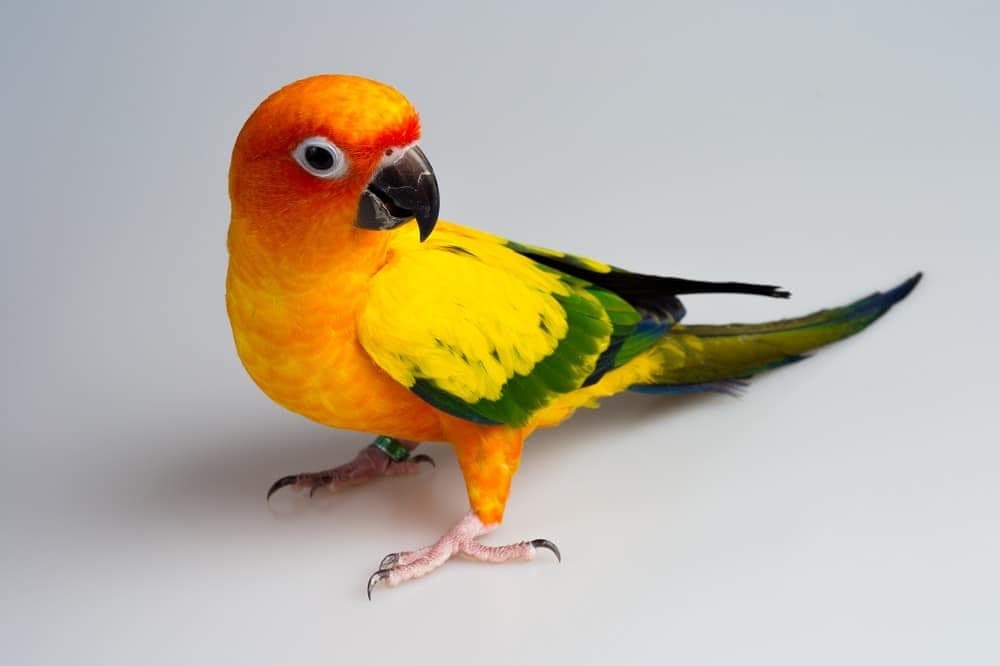
Parrots are built to hide illness. In the wild, a bird that looks weak is a bird that gets picked off, so your parrot will act completely normal until it is genuinely too sick to keep up the performance. That single fact shapes almost everything below: good parrot care is less about reacting to symptoms and more about building daily habits that keep your bird well and let you spot the tiny changes long before they become an emergency.
At Bird Sitting Toronto, where we board hundreds of birds a year, the healthiest, longest-lived parrots we see almost always belong to owners who do the same unglamorous things consistently. Here are the ten that matter most.
Start With Education
The most important step in responsible parrot ownership is to educate yourself and your household about what your particular species actually needs. A budgie, a conure, an African grey, and an eclectus are not interchangeable — their diets, temperaments, and warning signs differ. Understanding your bird's physical, emotional, and instinctual needs is the foundation everything else rests on.
Lean on genuine authorities rather than pet-store folklore: the Association of Avian Veterinarians (AAV), the Merck Veterinary Manual, VCA Animal Hospitals, and Lafeber all publish reliable, species-specific guidance. When you get everyone in the home on the same page, your bird stops receiving contradictory care.
1. Provide a Balanced, Species-Appropriate Diet
Nutrition is the cornerstone of avian health, and an all-seed diet is the single most common cause of the chronic disease we see in pet parrots — obesity, fatty liver disease, and vitamin A deficiency among them. Seeds are the fast food of the bird world: high in fat, low in the vitamins and minerals your parrot needs.
For most companion parrots, avian veterinary consensus points to a diet built on a quality formulated pellet, rounded out with fresh vegetables and offered seeds and nuts only as treats.
| Component | Share of diet | Notes |
|---|---|---|
| Formulated pellets | ~75-80% | The nutritional base; choose a reputable brand sized for your species |
| Fresh vegetables & leafy greens | ~20-25% | Veg-forward — dark leafy greens, squash, peppers, carrot, sweet potato |
| Seeds, nuts, fruit | ~5% | Treats and training rewards, not a staple |
A few important exceptions: lorikeets need a specialized nectar diet rather than pellets, and do best on low-iron foods. Eclectus parrots are sensitive to additives and artificial colours and lean more veg-forward. Budgies and cockatiels should still be mostly pellets, but they convert slowly and cling to seed, so go gradually and push vegetables and sprouts. Finches and canaries are a different story altogether — these passerines can keep a quality seed mix as a staple alongside greens and egg food.
Warning: Several everyday foods are toxic to birds. Never offer avocado (persin), chocolate (theobromine), caffeine, alcohol, onion or garlic, fruit pits and apple seeds (which release cyanogenic compounds), salt, uncooked or dried beans, or mushrooms. And skip the grit — hookbill parrots do not need it, and it can cause a dangerous crop impaction.
Tip: Switching a seed junkie to pellets takes patience. Mix a few pellets into the familiar seed and shift the ratio over several weeks. Weigh your bird throughout the transition (see #10) so you can be certain it is still eating enough.
2. Encourage Daily Exercise
Parrots are naturally active animals that would fly, climb, and forage for hours in the wild. In a cage, that activity has to be built in on purpose. Give your bird real opportunities to move every day: supervised out-of-cage time, climbing, wing-flapping, foraging toys, and flight in a bird-safe room. A sedentary bird is far more prone to obesity and the joint and organ problems that follow.
3. Identify and Remove Safety Hazards
A companion parrot's respiratory system is extraordinarily efficient — which also makes it extraordinarily vulnerable to airborne toxins. Bird-proof your home and stay alert to the common dangers:
- Non-stick (PTFE/Teflon) cookware, which can release fumes lethal to birds when overheated
- Self-cleaning oven cycles, scented candles, air fresheners, and aerosol sprays
- Toxic houseplants
- Chemical cleaners and fumes
- Open windows, ceiling fans, and other flight hazards
Warning: Overheated non-stick cookware, appliances, and bakeware can kill a bird within minutes with no warning smell. Keep birds well away from the kitchen, and never run non-stick pans dry.
4. Minimize Stress
Birds are highly sensitive to stress, and chronic stress measurably weakens the immune system. Create a calm, predictable environment: keep a consistent daily routine, limit loud noises and abrupt changes, and give your parrot plenty of mental stimulation and gentle social interaction. A bird that knows what to expect from its day is a more resilient, healthier bird.
5. Ensure Quality Sleep
Most parrots need 10 to 12 hours of uninterrupted, dark sleep every night. In a bright Toronto living room with a TV running past midnight, that rarely happens on its own. Place the cage in a quiet room or use a dedicated cage cover to give your bird a true night. Sleep deprivation is a genuine driver of irritability, feather-destructive behaviour, and hormonal problems.
6. Keep the Cage Clean
Cleanliness is critical to preventing the bacterial and fungal infections that thrive in soiled cages. Wash food and water dishes daily, wipe down surfaces and change liners frequently, and give the whole cage a deeper clean on a regular schedule. Fresh water at least once a day is non-negotiable — birds foul their water quickly.
7. Observe Daily Behaviour Patterns
Because parrots mask illness so well, you are your bird's best early-warning system. Learn what is normal for your parrot — how it eats, plays, vocalizes, perches, and what its droppings usually look like. Then watch for subtle shifts: a fluffed and quiet bird, sitting low on the perch, tail-bobbing while breathing, a change in droppings, or reduced appetite. These small signs are often the only warning you will get.
Warning: By the time a parrot openly looks sick, it is frequently very ill. Treat any sudden change in behaviour, appetite, or droppings as urgent and call your avian vet the same day.
8. Establish a Relationship With an Avian Vet
Find a qualified avian veterinarian before you need one, and schedule annual wellness exams — many vets recommend baseline bloodwork as birds age. A vet who already knows your parrot and has its history on file will be far better prepared in a crisis than one meeting your bird for the first time in an emergency.
9. Be Prepared for Emergencies
When something goes wrong with a bird, it goes wrong fast. Prepare in advance:
- Know the location and hours of your nearest avian or exotics emergency vet
- Learn basic avian first aid
- Keep a bird-specific first aid kit stocked and within reach
A calm, quick response — and knowing where to go before the emergency — can genuinely be the difference in saving your parrot's life.
10. Monitor Weight Weekly
Weight is the single most reliable early indicator of illness in birds, and a dense coat of feathers hides a shrinking body until it is dangerously late. Use a gram scale with a built-in perch and weigh your bird on the same day each week, ideally first thing in the morning before it eats. A steady, unexplained decline — even 5 to 10 percent of body weight — is a red flag that warrants a vet call, often well before any other symptom appears.
Bonus: Quarantine New Birds
Whenever you bring home a new bird, quarantine it for at least 30 days — housed in a separate room, with separate air where possible, and cared for last so you are not carrying anything back to your existing flock. Many avian diseases have a silent incubation period, and a proper quarantine is your best defence against introducing an infection to the birds you already love.
None of these ten habits is complicated on its own. Practised together, day after day, they are exactly what separates a parrot that merely survives from one that genuinely thrives.
Explore related topics
Related Articles
Aspergillosis in Birds: The Invisible Fungal Killer
Aspergillosis is one of the most common and deadly avian diseases. It's caused by a fungus that's everywhere in our environment.
The Avian First Aid Kit: 25 Essential Supplies Every Bird Owner Needs
When an emergency happens, you need supplies ready NOW. Here's what every bird owner should have on hand.
Bird Insurance: Is It Worth It? A Complete Guide to Avian Pet Insurance
A single emergency vet visit can cost $2000+. Pet insurance for birds exists — here's whether it's worth the premium.