How to Safely Clean Your Bird's Toys and Cage Accessories
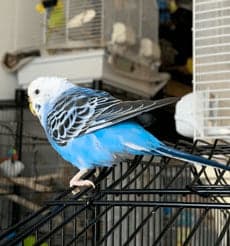
Birds are wonderfully messy roommates. Between droppings, regurgitated food, water splashes, and enthusiastic chewing, their toys and perches get dirty faster than almost anything else in the cage. But a soiled toy is more than an eyesore. Damp, food-crusted crevices are exactly where bacteria, yeast, mold, and mites take hold, and a bird that mouths and preens its toys all day is in constant contact with whatever grows there.
At Bird Sitting Toronto, where we care for hundreds of birds every year, clean accessories are one of the least glamorous but most reliable ways we keep a flock healthy. In addition to regular cage cleaning (see our guide on Maintaining a Clean Environment), it pays to inspect and clean your bird's toys and accessories at least weekly, and to spot-clean anything visibly soiled the same day. Let's walk through how to do it safely, material by material.
Why Bird-Safe Cleaning Matters
Birds are far more sensitive to airborne chemicals than we are. Their respiratory system routes air through a network of air sacs that extend deep into the body, making gas exchange remarkably efficient—and leaving them exposed to fumes that a person might not even notice. This is why avian veterinary consensus, echoed by the Association of Avian Veterinarians (AAV), stresses ventilation and mild products over harsh ones.
A few principles apply to every accessory you clean:
Warning: Never overheat non-stick (PTFE / Teflon) cookware, drip pans, or self-cleaning ovens near your bird. Overheated PTFE releases fumes that can kill a bird within minutes. If you oven-dry wooden toys, use a conventional oven you have confirmed is PTFE-free, and keep your bird well away from the kitchen.
- Clean before you disinfect. Disinfectants are inactivated by organic matter, so scrubbing away visible droppings and food first is what actually makes disinfection work. A dirty surface that has been "sprayed" is still a dirty surface.
- Never mix cleaning chemicals. Combining bleach with ammonia or vinegar produces toxic chlorine and chloramine gases—dangerous to you and potentially lethal to a bird. Use one product at a time, and rinse thoroughly between them.
- Rinse and dry completely. Residual cleaner and lingering moisture are both hazards. Every accessory should be rinsed until it no longer smells of product and dried fully before it goes back in the cage.
- Remove your bird from the room while you clean, and air the space out before returning them.
Cleaning Methods by Material
Different materials call for different methods. The table below is a quick reference; the sections that follow add the detail.
| Material | Best method | Disinfect? | Notes |
|---|---|---|---|
| Plastic & acrylic | Dishwasher (top rack) or hand wash | Yes, if heat-safe | Skip if it may warp or melt |
| Stainless steel & metal | Hot soapy water or dishwasher | Yes | Inspect for rust; discard corroded parts |
| Hardwood | Scrape, wipe, sand; oven-dry | Sparingly | Do not soak—wood holds moisture and mold |
| Rope, cloth & leather | Hand wash, mild soap | No harsh chemicals | Dry fully; fray-check for gut/toe hazards |
| Cement & mineral perches | Soak, scrub, rinse | Yes | Crevices harbor bacteria—weekly attention |
Plastic and Acrylic
Hard plastic and acrylic toys are the easiest to clean. If the item is labeled dishwasher-safe, run it on the top rack—the heat of a normal cycle both cleans and disinfects. Avoid the dishwasher for thin or brittle plastics that may warp or melt, and hand wash those in hot soapy water instead. Inspect for cracks while you clean: a split plastic toy can trap grime and pinch toes, and is best retired.
Stainless Steel and Metal
Stainless steel bowls, chains, and quick-links tolerate hot soapy water and the dishwasher well, and stainless is a good long-term choice because it does not corrode. Inspect other metals for rust or flaking. Discard any hardware that has corroded—rusted or worn zinc-plated parts are both a physical and a chemical hazard.
Wood
Wood is porous, so the cardinal rule is do not soak it—trapped moisture breeds mold and bacteria from the inside out.
- Scrape off solid waste, then wipe with a damp cloth or lightly sand the soiled area to expose fresh wood.
- For a deeper clean, wipe with a 1:1 vinegar-and-water solution, then rinse briefly and dry.
- If a wooden toy has been dunked or is heavily soiled, dry it in a low oven at about 120°C (250°F) for 20–30 minutes to drive out moisture and heat-treat the surface.
Tip: Vinegar is a good everyday cleaner and deodorizer, but it is not a true disinfectant. For genuine disinfection, clean first, then use a diluted bleach solution or a bird-safe disinfectant and rinse thoroughly.
Rope, Cloth, and Leather
Soft materials collect the most bacteria and are the hardest to fully sanitize.
- Gently brush or scrape off solid waste first.
- Hand wash with mild, unscented soap and water, rinse thoroughly, and dry completely before returning them to the cage. Prolonged soaking invites mold and mildew.
- Inspect rope and fabric each week for fraying. Loose threads and long strands are an entanglement and crop-impaction risk—trim frays and retire toys that have unraveled.
Cement and Mineral Perches
Cement and grooming perches help keep nails and beaks in trim, but their gritty surface is full of tiny crevices where bacteria and droppings collect.
- Soak weekly in a diluted bleach solution—about ½ cup (120 mL) of bleach per gallon (3.8 L) of water—for roughly 10 minutes.
- Scrub the crevices with a dedicated brush, then rinse thoroughly until there is no bleach smell and dry completely in the sun or open air before reinstalling.
Build a Routine: Daily, Weekly, and Rotation
Cleaning is easier when it is a rhythm rather than a rescue mission.
- Daily: Wipe or replace anything with fresh droppings or wet food. Refresh food and water dishes—these are the highest-traffic items in the cage.
- Weekly: Do a full inspect-and-clean of toys and perches, following the material guides above. Remove your bird from the room while disinfecting, and use only bird-safe cleaning products.
- Rotate toys. Keep two or three sets and swap them each week. Rotation gives soft and wooden items time to dry completely between uses, keeps play fresh, and stretches the life of every toy.
Tip: Weekly cleaning is also a built-in safety check. As you scrub, look for chewed-through links, exposed metal, frayed rope, and cracked plastic, and retire anything worn. A quick swap now prevents an injury later.
A Clean Toy Is a Safe Toy
Keeping your bird's toys and accessories clean isn't about appearances—it's a core part of keeping your companion healthy. Match the method to the material, clean before you disinfect, rinse and dry every time, and never let harsh fumes reach your bird. Pair a steady weekly cleaning routine with a little day-to-day attention, and your bird's play area will stay both fun and safe.
Explore related topics
Related Articles
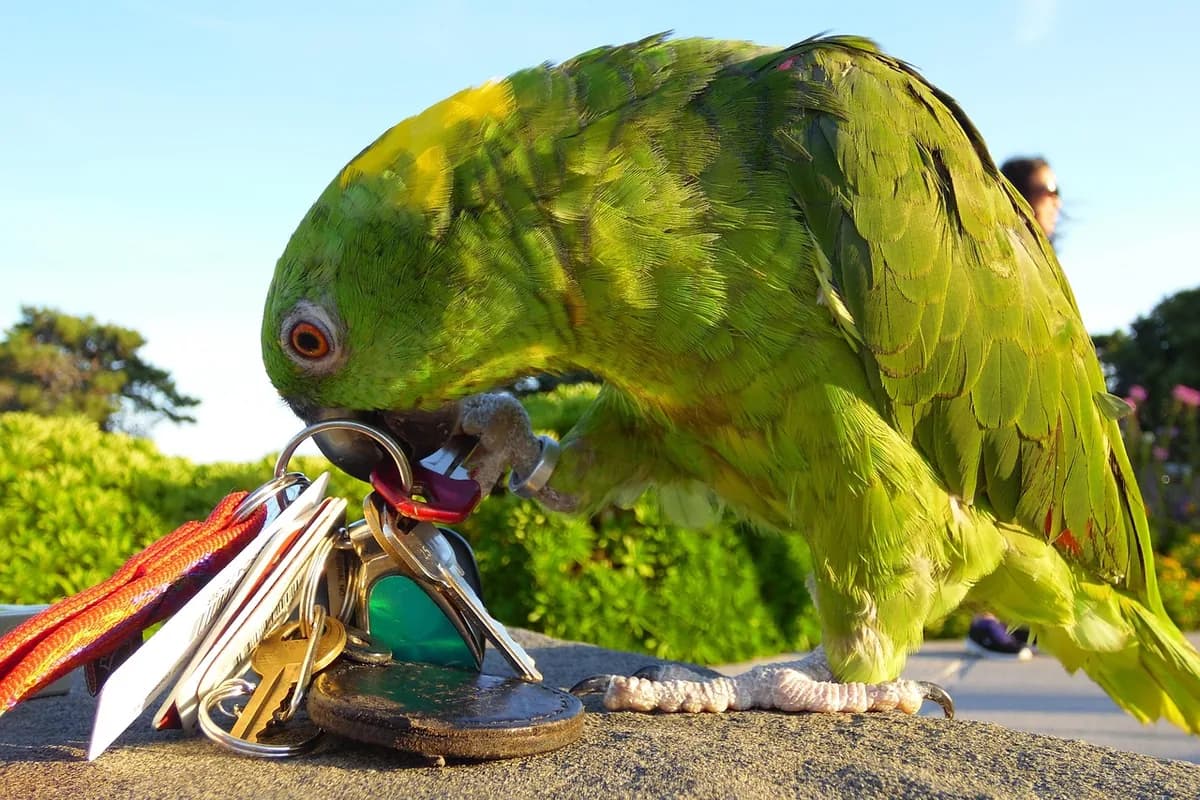
Safe Toys for Happy, Healthy Parrots
The right toys keep a parrot's beak, feet, and mind healthy — the wrong ones cause choking, foot injuries, or heavy-metal poisoning. Here is how to choose bird-safe materials, match toy size to your species, build foraging into daily play, and run a simple safety routine.
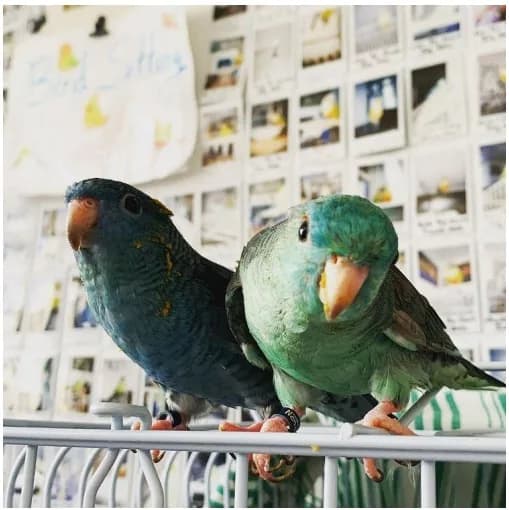
Creating Safe Play Spaces for Your Parrot
A well-planned out-of-cage play area lets your parrot climb, forage, and join the family safely. Here is how to choose the right play stand, pick non-toxic woods and metals, bird-proof the room against fans, glass, open water, and kitchen fumes, and supervise the way a pro would.
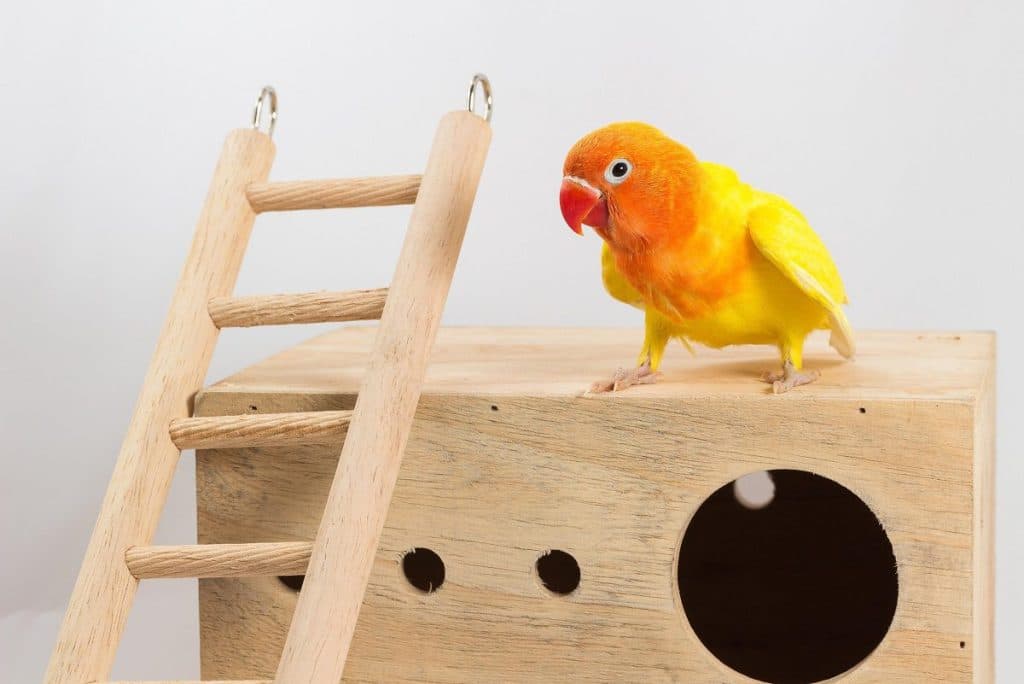
Encouraging Play: A Key to a Happy, Healthy Parrot
Play is not a luxury for parrots—it is preventive medicine. Learn why enrichment protects against plucking, screaming, and biting, how to teach even a wary rescue bird to play, which toy types deliver which benefits, and how to keep every toy safe.