Sprouting for Parrots: Unlocking the Ultimate Superfood for Avian Health
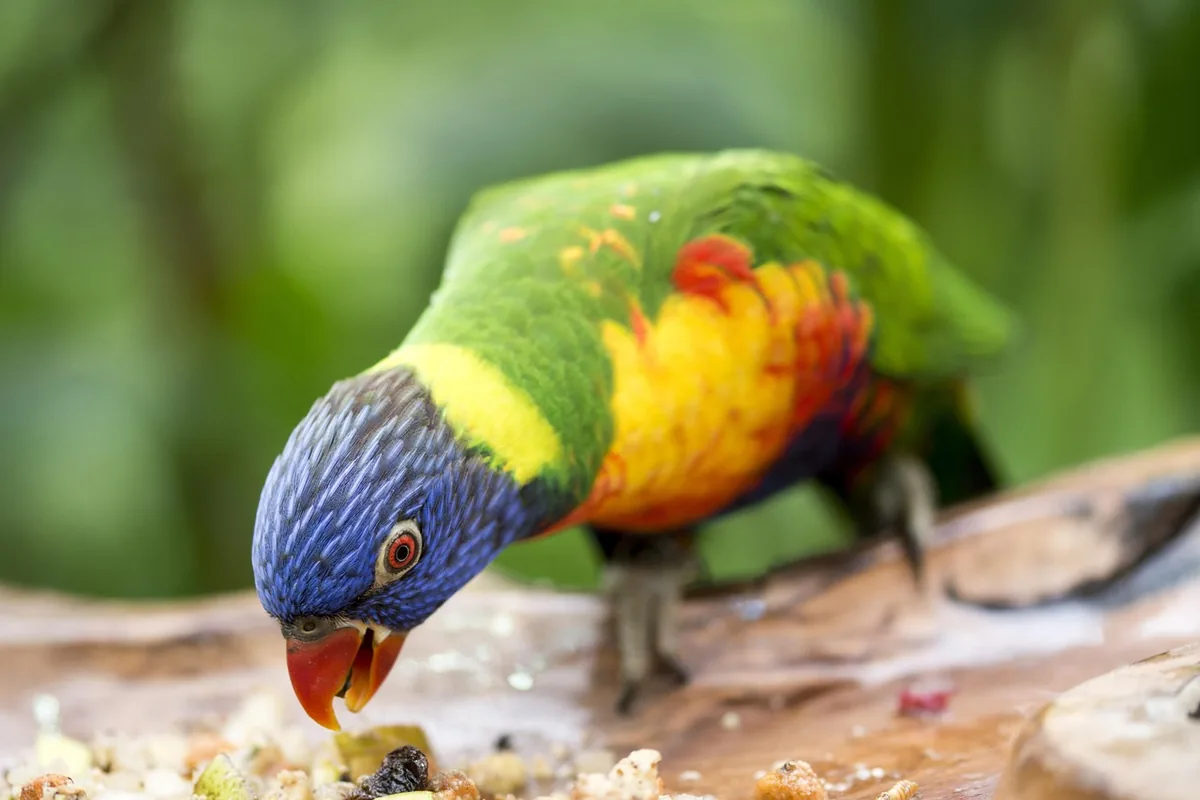
At Bird Sitting Toronto, where we board hundreds of birds every year, almost every owner we meet wants the same thing: to give their parrot the best possible nutrition. One of the simplest, most affordable ways to raise the quality of your bird's fresh food is something you can grow on your kitchen counter in a couple of days. Sprouts.
A sprout is a seed, grain, or legume that has just begun to germinate. That tiny act of coming to life changes the food dramatically. It turns a dry, starchy seed into a living, vegetable-like food your bird can use far more efficiently than the seed it started as.
Why Sprouting Changes the Food
A dormant seed is built for storage. Its nutrients are locked up and its starches are dense, which is one reason an all-seed diet leaves so many parrots overweight and undernourished at the same time. When you soak and rinse that seed until it germinates, its chemistry shifts.
More vitamins and more usable minerals
Germination raises levels of several vitamins, including vitamin C, vitamin E, the B-complex group, and beta-carotene. Just as importantly, sprouting begins to break down the anti-nutrients (such as phytic acid) that bind minerals in a raw seed, so the calcium, iron, and zinc that were there all along become easier for your bird to actually absorb.
From fat storage to fresh food
As a seed sprouts, it converts much of its stored fat and starch into simpler sugars and proteins to fuel the growing plant. The result is a food that is lower in fat than the original seed and higher in the complete, digestible protein parrots use to build muscle, organs, and healthy feathers. That is why a sprout behaves more like a vegetable than like a seed on your bird's plate.
Enzyme-rich and easy to digest
Sprouting also activates the enzymes a living plant uses to grow. Combined with the higher moisture content, this makes sprouts gentle on the digestive system and a welcome contrast to a bowl of hard, dry seed.
Tip: Think of sprouting as a slider, not a switch. A seed soaked just until a tiny root tip appears is at its peak nutrition and lowest risk. You do not need long, leafy green shoots to get the benefit.
Where Sprouts Fit in the Diet
This is the part owners most often get wrong. Sprouts are excellent, but they are not a complete diet on their own, and they should not become the core of what your bird eats.
Avian veterinary consensus, echoed by the Association of Avian Veterinarians, the Merck Veterinary Manual, and the nutrition guidance published by Lafeber, is that most parrots do best on a formulated pellet as the foundation of the diet, rounded out with fresh whole foods. A practical target for most parrots looks like this:
| Part of the diet | Share | Examples |
|---|---|---|
| Formulated pellets | 75–80% | A quality avian pellet as the daily staple |
| Fresh vegetables and greens | 20–25% | Leafy greens, squash, peppers, and sprouts |
| Seeds and nuts | ~5% | Offered as training treats, not a staple |
In other words, sprouts belong in the fresh-food portion of the plate, complementing your bird's pellets rather than replacing them. Used that way, they are one of the best things you can put in the fresh-food bowl.
Note: Lorikeets are the exception. They are nectar feeders with specialized diets and iron-storage concerns, so do not build their diet around pellets or high-iron foods. Eclectus parrots are additive-sensitive and thrive on a veg-forward, whole-food diet where fresh sprouts fit especially well.
The Benefits Owners Notice
Malnutrition remains one of the leading causes of illness and early death in captive parrots, and it is almost entirely preventable through diet. Because sprouts deliver highly usable nutrients, adding them to a balanced diet often shows up as real, visible change:
- Brighter, better-conditioned plumage
- Fewer illnesses and quicker recovery
- Gradual, healthy weight loss in overweight birds
- A richer, more engaging meal that can ease boredom-driven feather plucking
You can read more about building the full picture in our guide to balanced bird nutrition.
How to Sprout Safely at Home
Home sprouting is genuinely easy, and growing your own is the freshest, most reliable supply. The one thing that matters more than any other is cleanliness, because the same warm, moist conditions that germinate a seed also let bacteria and mould flourish.
| Step | What to do | Why it matters |
|---|---|---|
| 1. Soak | Rinse a fresh sprouting blend, then soak in cool water for several hours | Rehydrates the seed and starts germination |
| 2. Drain | Drain fully and spread in a clean sprouter or jar | Standing water breeds bacteria |
| 3. Rinse | Rinse and drain thoroughly every 8–12 hours | Keeps the sprouts clean and moist, not wet |
| 4. Harvest | Feed as soon as tiny root tips appear, usually within 1–3 days | Peak nutrition, minimum spoilage window |
| 5. Store | Refrigerate what you don't feed and use within a couple of days | Cold slows microbial growth |
Warning: Never feed sprouts that smell sour, sweet, or musty, feel slimy, or show any fuzzy mould. Sprouts are a known carrier of bacteria such as Salmonella when handled poorly. When in doubt, throw the batch out, sterilize your equipment, and start fresh. Use fresh, viable, food-safe sprouting seed sold for human consumption, not old birdseed or garden seed treated with chemicals.
Most sprouting failures come down to old or non-viable seed, poor-quality blends, or a jar left too wet between rinses. Keep your seed fresh, rinse on schedule, and drain well, and you will succeed far more often than not.
Will My Bird Actually Eat Them?
Most parrots take to sprouts readily, because birds are naturally drawn to fresh, living foods. If yours is cautious, offer sprouts warm and slightly moist, mix them into a familiar chop or a favourite vegetable, and try them first thing in the morning when your bird is hungriest. Consistency wins. Keep offering, and most fussy eaters come around.
Final Thoughts
Sprouts are one of the highest-value additions you can make to a parrot's fresh-food bowl: nutrient-dense, easy to digest, cheap to grow, and simple to prepare. Keep them clean, feed them fresh, and let them complement a solid pellet-based diet rather than replace it. Do that, and you are giving your bird one of the best fresh foods on the planet, grown right on your own counter.
Explore related topics
Related Articles
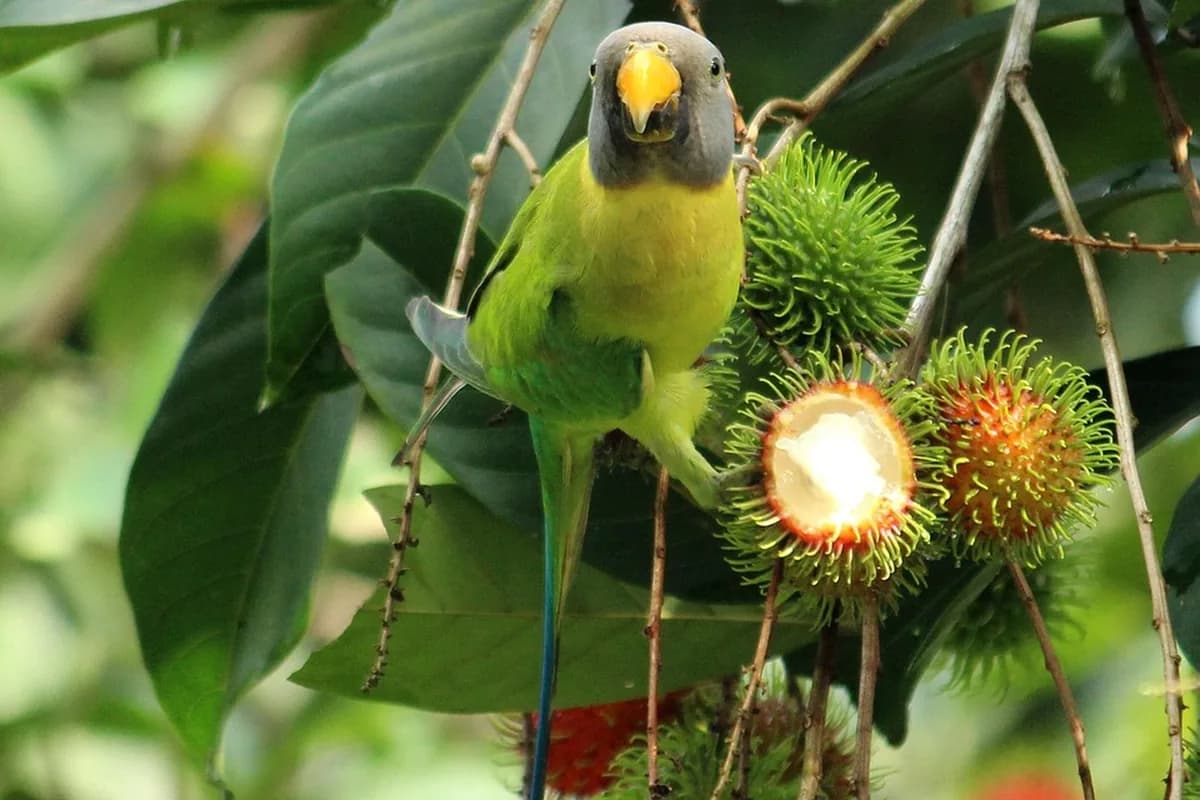
Can Parrots Eat Human Food? A Complete Guide to Sharing Meals
Your parrot wants to eat off your plate. Which human foods are safe to share and which are dangerous?
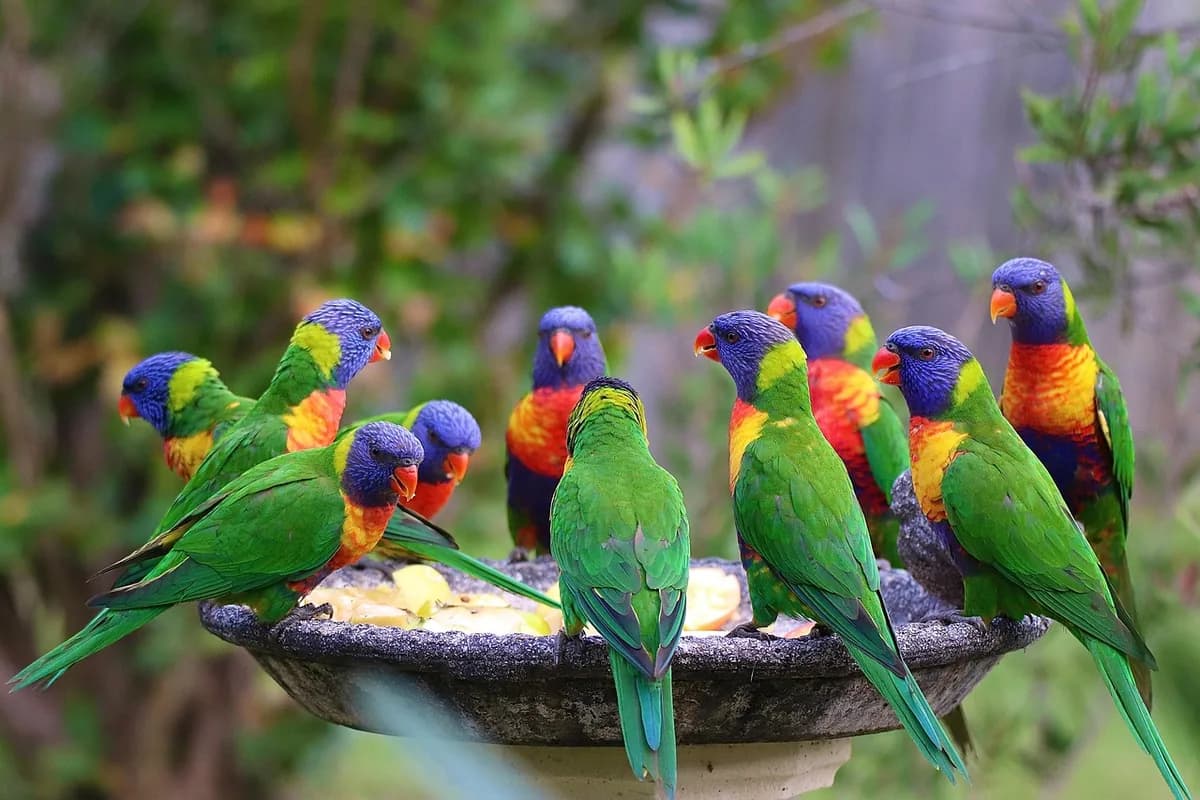
The Complete Guide to Parrot Pellets: Brands, Conversion, and Myths
Pellets should be 50-70% of your parrot's diet, but not all pellets are equal. Here's everything you need to know.
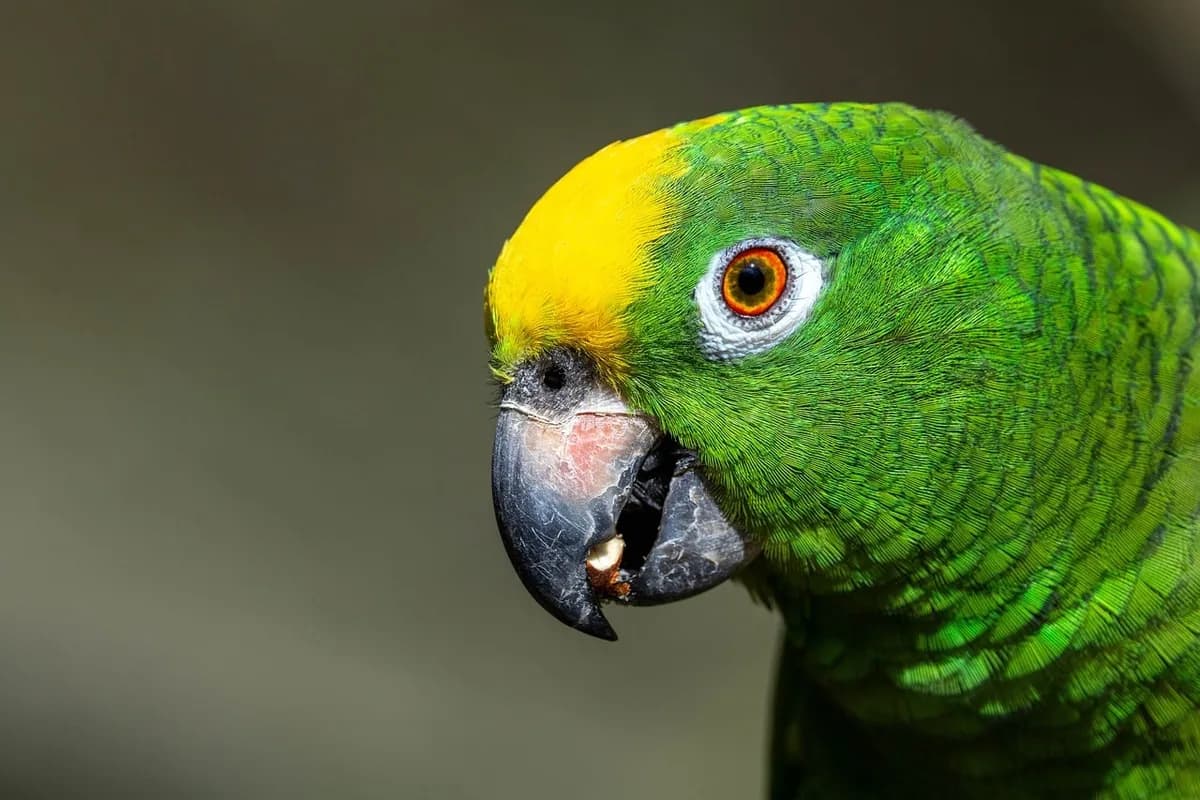
Cooking for Your Parrot: 15 Recipes and Meal Ideas They'll Love
Variety is the spice of your parrot's diet. These easy recipes make feeding time exciting and nutritious.