Healthy Snack Ideas for Your Parrot
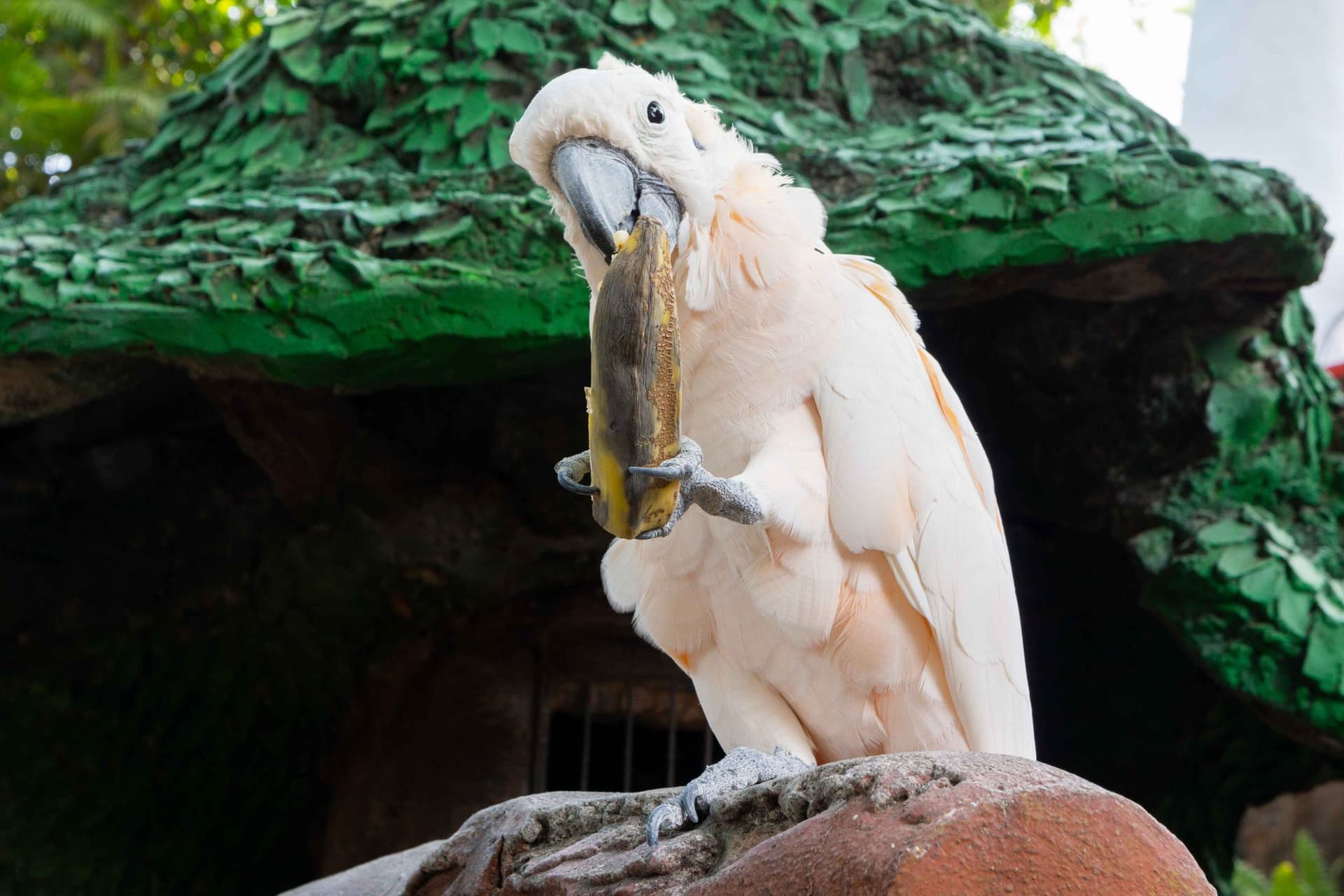
Snack time is one of the easiest ways to bond with a parrot, and one of the easiest ways to quietly damage its health. The old kitchen wisdom "if it's healthy for me, it's healthy for my bird" simply is not true: a parrot's metabolism, kidneys, and heart handle fat, salt, sugar, and certain plant compounds very differently from ours. At Bird Sitting Toronto, where we board hundreds of birds every year, the healthiest guests almost always come from homes that treat snacks as a small, deliberate part of a solid daily diet rather than a free-for-all.
This guide covers where snacks fit, which ones genuinely earn a place in the bowl, how to shop for commercial treats, and the foods you must never offer.
Where Snacks Fit in a Parrot's Diet
Before you pick a snack, it helps to know how little room there is for one. For most companion parrots, avian veterinary consensus and organizations like the Association of Avian Veterinarians (AAV) point to a formulated diet as the foundation, with fresh foods and treats layered on top.
| Component | Share of daily diet | Examples |
|---|---|---|
| High-quality pellets | 75–80% | Fortified pellets sized for your species |
| Fresh, veg-forward foods | 20–25% | Leafy greens, squash, peppers, small amounts of fruit |
| Treats (nuts, seeds, dried fruit) | ~5% | A single almond, a few sunflower seeds, one dried cranberry |
That last row is the whole snacking budget. It sounds small, but ~5% of a bird's daily intake is plenty of room to reward training, add enrichment, and share a moment together — as long as you spend it well.
Tip: Weigh treats against calories, not volume. A single walnut half can carry more fat than an entire morning's pellets. Offering "just one" nut per training session is usually the right scale for a medium parrot.
Fresh Produce: The Best Everyday Snack
If you want a snack you can offer generously and daily, reach for vegetables. Dark leafy greens (kale, dandelion, romaine, Swiss chard), bell peppers, carrot, green beans, snap peas, broccoli, sweet potato, and winter squash are colourful, low in fat and sugar, and rich in the vitamins and fibre a seed-heavy history tends to leave out. In a Toronto winter, when fresh variety is pricier, frozen vegetables (thawed, never from a seasoned or sauced blend) are a perfectly good stand-in.
Fruit is a treat, not a vegetable substitute. Berries, apple (seeds removed), melon, mango, papaya, and banana are all fine in small pieces, but their sugar means they belong in that ~5% snack budget alongside nuts, not in the daily-greens category.
Warning: Always wash produce and remove pits and apple seeds. Wash off any waxy coating, and offer organic where you reasonably can, since parrots eat little and concentrate what they take in.
A few practical notes on preparation:
- Raw is usually best for greens, peppers, carrot, and snap peas — cooking leaches water-soluble vitamins.
- Cook the starchy ones — sweet potato, squash, and legumes are more digestible steamed or boiled, plain, with no salt, butter, oil, or seasoning.
- Offer it the way your bird likes to work — clipped to the bars, skewered on a stainless holder, or chopped small. Many birds that "reject" vegetables simply want them presented as something to forage, not something in a dish.
Nuts and Seeds: Treat Currency, Not Staples
Nuts and seeds are the classic parrot snack, and they are genuinely useful — as currency. Their high fat content makes them irresistible, which is exactly why they work as a training reward and exactly why they cannot be the meal. Unsalted, unseasoned almonds, walnuts, pecans, and the occasional in-shell nut (which doubles as a foraging challenge) are good choices. Sunflower and safflower seeds are fine as an occasional treat but should never dominate the diet; a seed-only diet is one of the most common causes of obesity, fatty liver disease, and vitamin A deficiency seen in pet parrots.
Match the portion to the bird: a budgie or cockatiel might get a few seeds, while a macaw can handle a whole nut. The point is that the treat is the highlight, not the habit.
Tip: Lafeber's Nutri-Berries and similar "foraging" foods bind seeds and grains into a shape birds have to chew apart. They make a better-balanced treat than a loose seed scoop and slow the bird down while it eats.
Choosing Commercial Treats
Ready-made parrot treats — birdie breads, treat sticks, dried-fruit-and-nut blends, and foraging berries — are convenient, but the label matters more than the picture on the bag. Read the ingredients the same way you would for yourself:
- Skip added sugar, honey, salt, and artificial colours. Bright dyes are for the shopper, not the bird.
- Choose unsulfured dried fruit with no added sugar; sulfites are a common additive in cheap dried mixes.
- Prefer plain over "gourmet." Yogurt- or honey-coated anything is a sugar delivery vehicle.
- Plain air-popped popcorn (no salt, no butter) is a fine cheap treat. So is a small piece of cooked whole-grain pasta or a plain rice cake — but keep these occasional, since they're mostly empty carbohydrate.
Whatever you buy still counts against that ~5% budget. A "healthy treat stick" eaten in one sitting is a day's worth of snack calories.
Foods That Are Never Snacks
Some foods are not "too much of a good thing" — they are toxic, and small amounts can be fatal. Keep these off the table entirely, even as a nibble shared from your plate.
| Food | Why it's dangerous |
|---|---|
| Avocado | Contains persin, which can cause sudden heart failure in birds |
| Chocolate | Theobromine is toxic to birds even in small amounts |
| Coffee, tea, energy drinks | Caffeine causes cardiac and nervous-system toxicity |
| Alcohol | Birds cannot metabolize it; even a taste can be lethal |
| Onion and garlic | Cause oxidative damage to red blood cells |
| Fruit pits and apple seeds | Contain cyanogenic compounds that release cyanide |
| Salt and very salty foods | Small bodies overload quickly; causes dehydration and kidney strain |
| Uncooked (dried) beans | Contain hemagglutinin, which is toxic until fully cooked |
| Mushrooms | Some varieties cause digestive upset and liver problems |
This is why we do not recommend "sharing whatever's healthy" from your own snack. Chicken bones, for example, are a choking and laceration risk from splinters and add nothing a parrot needs. When in doubt, leave it out and check with an avian vet.
Warning: Hookbill parrots do NOT need grit. Unlike some seed-eating birds that grind food in a gizzard, parrots shell their seeds and can suffer crop or gizzard impaction if they over-ingest grit. Skip it unless your avian veterinarian specifically prescribes it.
Species Notes
Snacking rules bend a little by species:
- Budgies and cockatiels should still be mostly pellets, but they convert slowly and cling to seed. Push vegetables and sprouted seed as the "treat" so you're steering them toward better habits, not away from them.
- Lorikeets are the big exception — they are nectar feeders, not pellet birds, and need a specialized nectar/pollen diet. Avoid high-iron foods, which can cause iron-storage disease. Their "snacks" are soft fruits, not nuts and seeds.
- Eclectus are famously sensitive to additives, dyes, and fortification. Keep their treats simple and veg-forward, and avoid coloured or heavily supplemented commercial snacks.
- Finches and canaries (passerines) are hands-off birds that do well on a quality seed mix as a staple, rounded out with greens, egg food, and a little pellet. Their treats are things like millet spray and fresh greens, not parrot nut mixes.
Make Snacks Work Harder: Foraging and Enrichment
The best snack does double duty as enrichment. In the wild, parrots spend much of their day searching for and manipulating food; a bird that gets everything handed to it in a bowl is missing a core behaviour, and boredom is a leading driver of feather-destructive habits.
Turn snack time into a job:
- Hide nuts inside crumpled paper, cardboard tubes, or a purpose-built foraging toy.
- Skewer vegetables so the bird has to work them off the holder.
- Offer in-shell nuts to larger parrots so cracking the shell is part of the reward.
- Rotate where and how you present treats so the "puzzle" stays fresh.
This keeps a bird mentally engaged, slows down eating, and burns a little of the energy those richer treats deliver.
The Bottom Line
Healthy snacking for a parrot comes down to three habits: build the diet on pellets and fresh vegetables first, spend the small treat budget on real foods your bird has to work for, and know the short list of foods that are never safe. Do that, and snack time becomes exactly what it should be — a daily moment of connection that leaves your bird healthier, not heavier. When you're unsure about a new food, your avian veterinarian is always the right person to ask.
Explore related topics
Related Articles
Can Parrots Eat Human Food? A Complete Guide to Sharing Meals
Your parrot wants to eat off your plate. Which human foods are safe to share and which are dangerous?
The Complete Guide to Parrot Pellets: Brands, Conversion, and Myths
Pellets should be 50-70% of your parrot's diet, but not all pellets are equal. Here's everything you need to know.
Cooking for Your Parrot: 15 Recipes and Meal Ideas They'll Love
Variety is the spice of your parrot's diet. These easy recipes make feeding time exciting and nutritious.