Meeting the Physical Needs of Parrots
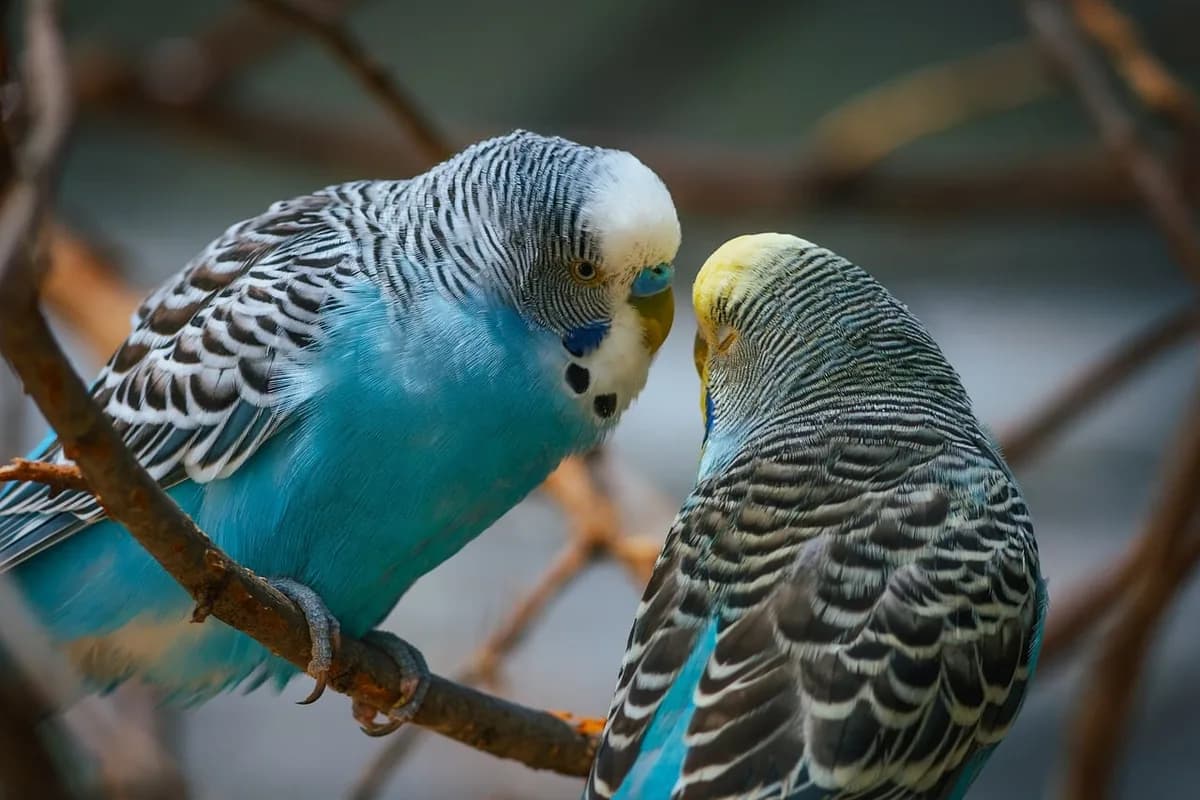
As caretakers of these marvelous creatures, we owe our parrots more than food and a cage. Their bodies were built for flight, foraging, and constant activity, and the closer we come to honouring that design, the healthier and happier they are. When you consistently meet the physical needs outlined below, you do more than keep your bird alive: you improve their quality of life and deepen the bond between you.
At Bird Sitting Toronto, where we board hundreds of birds every year, the healthiest guests almost always come from homes that get the basics right. A parrot whose physical needs are properly met tends to be:
- Happier and more settled
- Healthier, with bright plumage and steady weight
- More active and playful
- Mentally engaged rather than bored
- Less prone to behavioural problems like feather-destructive behaviour
- Long lived, often for decades
What Are a Parrot's Primary Physical Needs?
Parrots are not low-maintenance pets. Unlike a cat or a dog, a companion parrot is only a few generations removed from the wild, and its body still expects a tropical, active, foraging life. Their care rests on six interlocking pillars. Neglect one and the others start to wobble, a poor diet undermines the immune system, too little exercise leads to obesity and joint problems, and a stressful environment shows up as screaming or plucking.
| Pillar | What it covers | Why it matters |
|---|---|---|
| Diet & Nutrition | Pellets, fresh vegetables, limited seed | Prevents the most common companion-bird illnesses |
| Exercise | Out-of-cage time, flight, foraging | Guards against obesity and boredom |
| Environment | Cage size, light, temperature, sleep | Supports the body and the nervous system |
| Health | Avian vet care, weight monitoring | Catches illness a bird instinctively hides |
| Hygiene | Cage cleaning, bathing, air quality | Reduces bacteria, mould, and respiratory disease |
| Safety | Hazard-proofing the home | Prevents the accidents that injure or kill birds |
Each pillar has its own in-depth article, linked throughout the sections below. Use this page as your map, then dive into the ones most relevant to your bird.
Diet and Nutrition: The Foundation
Nothing you do for your parrot matters more than what goes in the food bowl. The Association of Avian Veterinarians (AAV) and VCA Animal Hospitals both note that malnutrition, particularly from all-seed diets, remains one of the leading causes of illness in companion parrots. Seed is high in fat and deficient in vitamin A, calcium, and other nutrients, and a bird left to pick its favourite sunflower seeds will slowly starve on a full dish.
For most parrots, the house standard is straightforward:
- Pellets: roughly 75 to 80 percent of the daily diet. A quality formulated pellet is nutritionally complete and takes the guesswork out of vitamins and minerals.
- Fresh, vegetable-forward foods: about 20 to 25 percent. Dark leafy greens, squash, carrot, bell pepper, and small amounts of fruit add variety, hydration, and enrichment.
- Seeds and nuts: around 5 percent, as treats. Reserve them for training rewards and foraging games, not as a staple.
Tip: Converting a seed addict to pellets takes patience. Budgies and cockatiels in particular are stubborn, offer pellets alongside their usual mix, gradually shift the ratio over several weeks, and lean on sprouted seeds and chopped veg to bridge the gap. Never starve a bird onto pellets; monitor weight daily during any diet change.
Some species are exceptions to the pellet rule. Lorikeets are nectar specialists and need a purpose-made nectar or lorikeet diet rather than pellets, and their food should be low in iron. Eclectus parrots are sensitive to artificial additives and colours and do best on a whole-food, vegetable-forward diet. Finches and canaries are passerines, not hookbills, and can keep a quality seed mix as their staple, supplemented with greens, egg food, and some pellets, and they are hands-off, look-but-don't-cuddle birds.
Warning: Several common foods are toxic to birds. Avoid avocado (persin), chocolate (theobromine), caffeine, alcohol, onion and garlic, the pits of stone fruit and apple seeds (which release cyanide compounds), excess salt, uncooked dried beans, and mushrooms. Also note that hookbill parrots do not need grit, offering it can cause dangerous crop or gizzard impaction. For the full breakdown, see our guide to balanced bird nutrition.
Exercise and Out-of-Cage Time
Wild parrots fly for kilometres each day and forage almost constantly. A caged bird burns a fraction of those calories, so structured exercise is not optional. Aim for a minimum of several hours of supervised out-of-cage time daily, on a play stand, climbing, flapping, or flighted if your home is safe for it.
Foraging is exercise for the body and the mind at once. Hide pellets in paper cups, thread veg onto skewers, and make your bird work for meals rather than eating from an open dish. Movement keeps weight in check, maintains muscle and joint health, and prevents the boredom that drives feather-plucking. Our article on the vital role of exercise covers activity ideas by species and energy level.
Environment: Cage, Light, Temperature, and Sleep
The cage is your bird's home base, and bigger is always better. A parrot must be able to fully spread and flap both wings without touching the bars, and to climb and move freely. The following are practical minimums, more space is always an upgrade.
| Bird | Minimum cage (W x D x H) | Bar spacing |
|---|---|---|
| Budgie / parakeet | 46 x 46 x 61 cm (18 x 18 x 24 in) | 1.0-1.3 cm (3/8-1/2 in) |
| Cockatiel | 51 x 51 x 61 cm (20 x 20 x 24 in) | 1.3-1.6 cm (1/2-5/8 in) |
| Conure / lovebird | 61 x 61 x 76 cm (24 x 24 x 30 in) | 1.6 cm (5/8 in) |
| African grey / Amazon | 61 x 76 x 91 cm (24 x 30 x 36 in) | 1.9-2.5 cm (3/4-1 in) |
| Cockatoo / macaw | 91 x 122 x 152 cm (36 x 48 x 60 in) | 2.5-3.8 cm (1-1.5 in) |
Bar spacing matters as much as size: too wide and a small bird can push its head through and become trapped. Beyond the cage itself, three environmental factors are easy to overlook:
- Temperature. Most companion parrots are comfortable in the same range we are, roughly 18 to 27 C (65 to 80 F). Avoid sudden swings and cold drafts.
- Humidity. Aim for 40 to 60 percent. This deserves special attention in Toronto: forced-air furnaces can drop indoor humidity below 30 percent in winter, drying out skin and sinuses, especially for tropical species like African greys. A room humidifier and regular bathing help.
- Sleep. Parrots need 10 to 12 hours of uninterrupted darkness each night. Chronic sleep deprivation from a bright, busy living room is a well-recognized trigger for irritability and hormonal behaviour; a quiet sleep cage or a cage cover helps.
For lighting, enrichment layout, and placement ideas, see how to create a stimulating home for your parrot.
Health: Catching What Your Bird Hides
Parrots are prey animals, and evolution has trained them to mask illness until they are seriously unwell. By the time a bird looks sick, it often is. Two habits close that gap:
- A weekly weigh-in. Keep a gram scale with a perch and record your bird's weight at the same time each week. A steady drop of even a few grams can be the first and only warning sign of illness.
- An annual wellness exam with an avian veterinarian. A vet who specializes in birds can screen for problems, review diet, and establish a baseline while your bird is healthy. If you cannot find an avian vet locally, the AAV maintains a directory of members.
Watch for fluffed-up posture, tail-bobbing while breathing, changes in droppings, and loss of appetite, and treat any of these as reasons to call the vet promptly. Our list of 10 essential ways to keep your parrot healthy goes deeper on daily monitoring.
Hygiene: A Clean Home for a Clean Bird
Birds are sensitive to airborne bacteria, mould, and fungal spores, so cage hygiene is a health measure, not just housekeeping. Change food and water daily, remove wet or soiled substrate, wipe down surfaces regularly, and do a thorough cage clean weekly with a bird-safe disinfectant. Offer your parrot the chance to bathe often, many birds love a shallow dish or a light misting, which keeps feathers and skin in good condition. Full routines are in our guide to maintaining a hygienic home for your parrot.
Safety: Hazard-Proofing Your Home
An ordinary home is full of dangers to a curious, flighted animal.
Warning: Non-stick (PTFE-coated) cookware, when overheated, releases fumes that are rapidly fatal to birds. The same caution applies to some self-cleaning ovens, space heaters, and hair tools. Keep birds well away from the kitchen when cooking, and choose bird-safe cookware where you can.
Other essentials: cover or close windows and mirrors that a flighted bird might hit, keep toilet lids down and full sinks covered, secure ceiling fans, remove or relocate toxic houseplants, and store cleaning products and open flames out of reach. Open windows and doors are the most common way pet birds are lost outright. Our article on creating safe play spaces details how to build a genuinely bird-proof room.
Putting It All Together
Meeting a parrot's physical needs is not about perfection on any single day, it is about consistency across all six pillars. Feed a pellet-forward diet, give generous out-of-cage exercise, provide a large cage in a stable environment with real darkness at night, monitor weight and see an avian vet, keep everything clean, and hazard-proof the home. Do these things reliably and you give your companion the foundation for a long, vibrant life, and the trust that comes with it.
Explore related topics
Related Articles
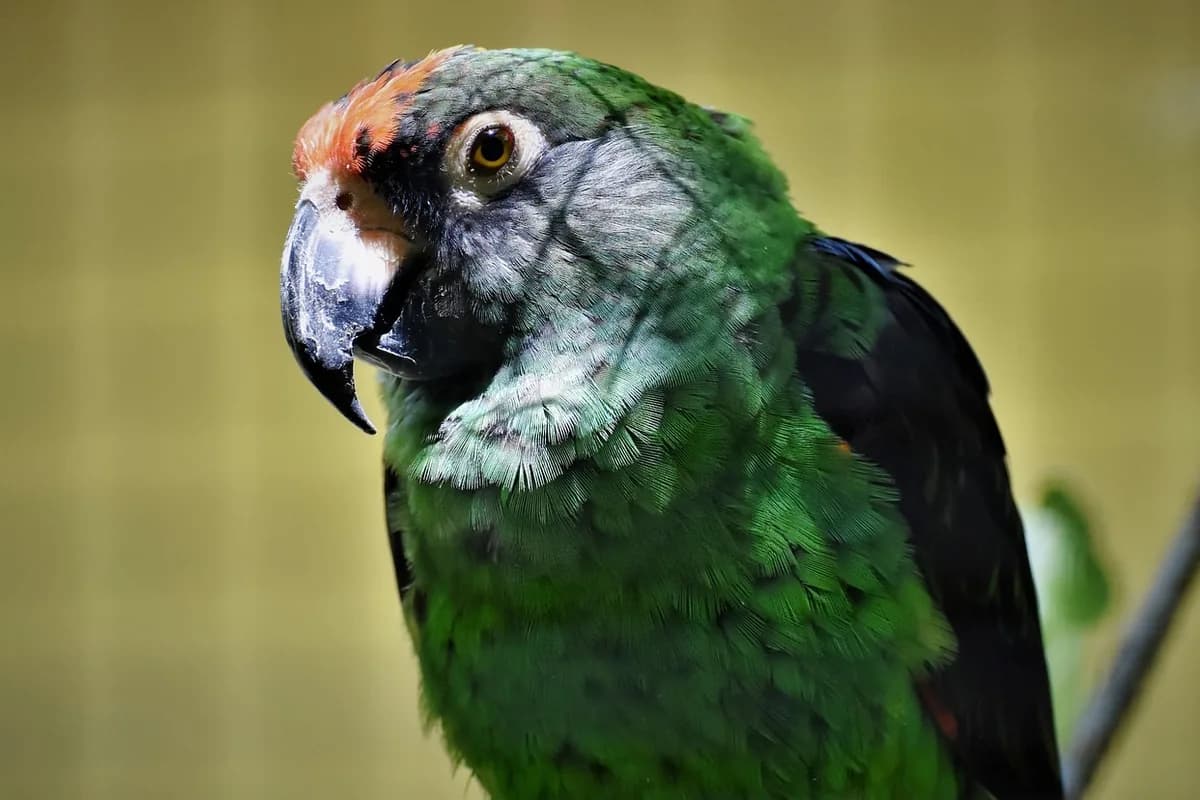
How to Maintain a Hygienic Home for Your Parrot
Your parrot's cage is its bathroom, dining room, and playground all at once — and keeping it clean is entirely up to you. Here is a simple daily, weekly, and quarterly routine, plus the pro tips that keep dust, mould, and airborne waste from harming your bird's sensitive respiratory system.
Aspergillosis in Birds: The Invisible Fungal Killer
Aspergillosis is one of the most common and deadly avian diseases. It's caused by a fungus that's everywhere in our environment.
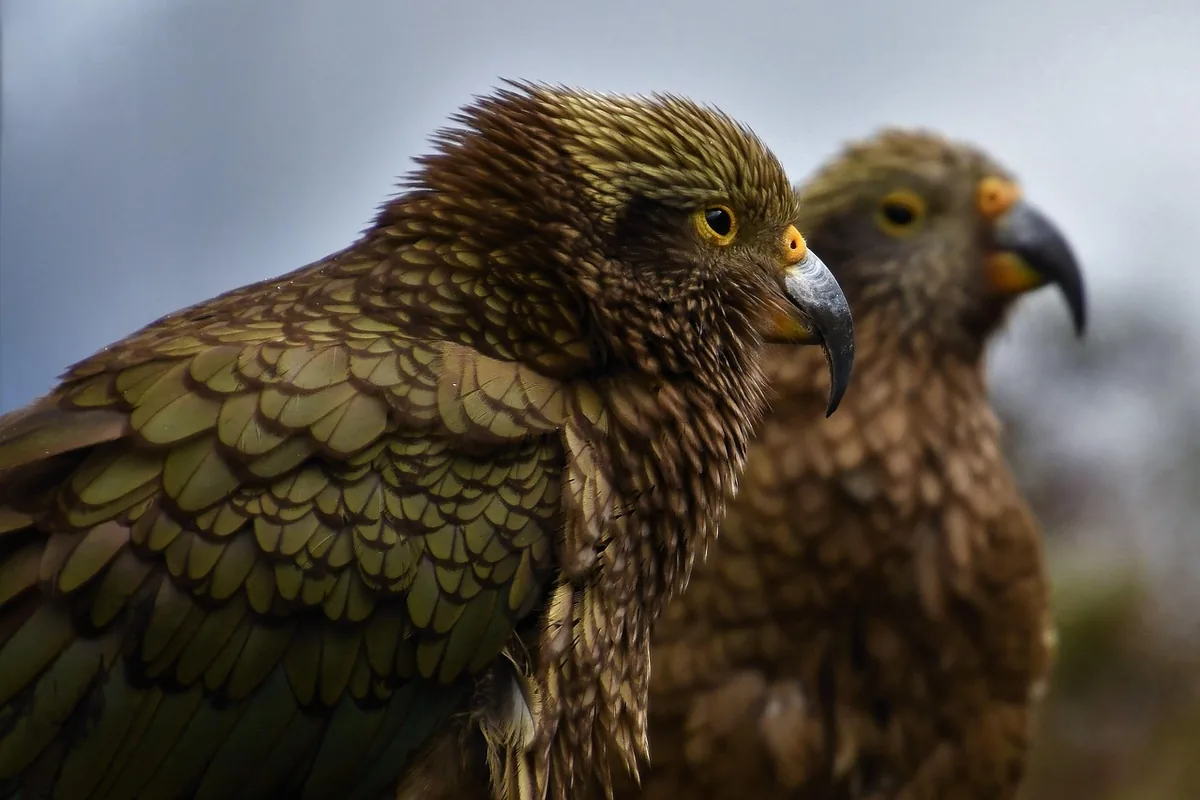
The Avian First Aid Kit: 25 Essential Supplies Every Bird Owner Needs
When an emergency happens, you need supplies ready NOW. Here's what every bird owner should have on hand.