How to Create a Stimulating Home for Your Parrot
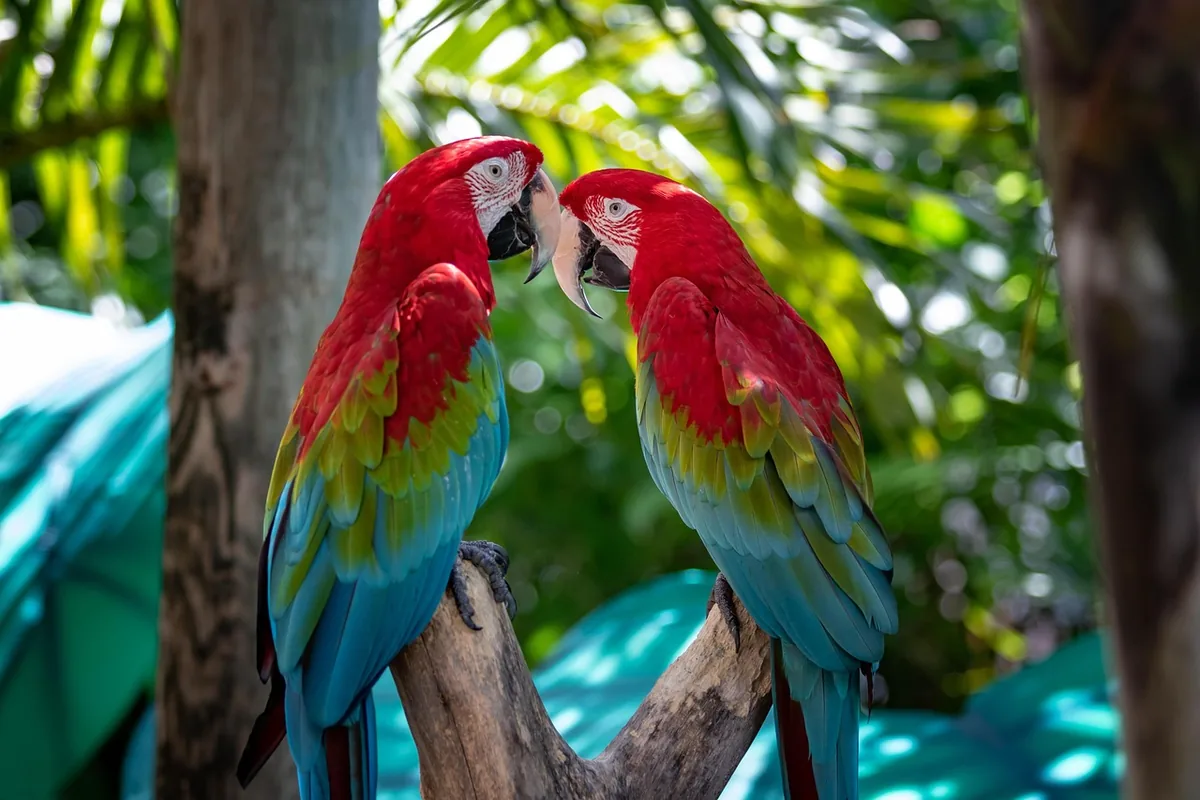
In the wild, a parrot lives in a vast, ever-changing world. It defends a territory, chooses a mate, forages across a shifting landscape, and decides for itself where to rest, perch, and play. Every waking hour brings decisions, movement, and problems to solve. That constant stimulation is not a luxury for a parrot—it is a biological need.
You can never fully recreate a rainforest canopy in a living room, and you do not have to. At Bird Sitting Toronto, where we care for hundreds of parrots every year, we see the difference an enriched home makes: those birds are calmer, more confident, and far less prone to the boredom behaviours that send so many parrots to the vet. The best news is that a stimulating home is something any committed owner can build, one habit at a time.
Why Environmental Enrichment Matters
Parrots are among the most intelligent animals kept as companions. Dr. Irene Pepperberg's decades of work with Alex the African grey demonstrated cognition on par with a young child—counting, categorizing, and genuine problem-solving. An animal that clever cannot thrive on food and shelter alone.
When a parrot's surroundings fail to occupy its mind, that unspent energy has to go somewhere. Avian veterinary consensus, reflected in the guidance of the Association of Avian Veterinarians and the Merck Veterinary Manual, links chronic under-stimulation to the most common behavioural problems in captive parrots: relentless screaming, aggression, stereotypic pacing, and feather-destructive behaviour. Enrichment is not decoration. It is preventive medicine.
The Six Pillars of an Enriched Home
Get these six areas right and you support your parrot's overall wellbeing from every angle. Each one has its own in-depth article—follow the links to go deeper.
| Area | What "good" looks like |
|---|---|
| Know your species | An Amazon, a conure, and a cockatiel have very different space, humidity, and diet needs—research your specific bird. |
| The right cage & accessories | Correctly sized, safe materials, and perches of varying diameter and texture. |
| Climate control | Stable temperature, no drafts or direct heat vents. |
| Light and dark | Bright, ideally full-spectrum days; a genuinely dark, quiet night. |
| Cleanliness | Daily spot-cleaning to prevent disease and odour. |
| Exploration | Toys, climbing surfaces, and supervised out-of-cage time. |
Choose the right cage and accessories
The cage is the one space your bird cannot walk away from, so size it generously. As a floor rule, the cage must let your parrot stretch both wings fully and turn without brushing the bars. For a medium parrot that means roughly 60 x 60 cm (24 x 24 in) of floor space as an absolute minimum, and bigger is always better. Match bar spacing to the species so heads and toes cannot get caught, and offer perches of different diameters and natural textures to exercise the feet and prevent pressure sores.
Control the climate
Most parrots are comfortable in the same range people are—about 18-29°C (65-85°F)—and tolerate gradual change far better than sudden swings. Keep the cage away from drafty windows, exterior doors, and heating or A/C vents. In a dry Toronto winter, indoor humidity often drops below what tropical species prefer, so monitor and support humidity as needed.
Warning: Never place a birdcage in the kitchen. Fumes from overheated non-stick (PTFE) cookware are rapidly fatal to birds, and cooking smoke and aerosols irritate their sensitive respiratory systems.
Balance light and dark
Parrots evolved near the equator on a roughly 12-hour light cycle. Give them bright, ideally full-spectrum lighting through the day and a truly dark, quiet space for 10-12 hours of sleep at night. Chronic sleep deprivation is a well-documented trigger for irritability and hormonal behaviour.
Keep it clean
Food debris and droppings breed bacteria and fungi. Spot-clean food and water dishes daily, wipe surfaces regularly, and do a deep clean of the whole cage on a weekly schedule to keep your bird comfortable and disease-free.
Turn Enrichment Into a Daily Habit: Foraging
In the wild, a parrot spends a large share of its waking hours searching for food. A bird handed its meals in a bowl finishes "work" in minutes, then spends the rest of the day looking for trouble. Foraging puts that instinct back to work.
Do not just hand over the treat—make your bird earn it. Wrap a piece of dried fruit in a twist of paper, tuck a nut inside a shredded cardboard toy, or use a purpose-built puzzle feeder. This searching, chewing, and problem-solving is exactly the kind of mental exercise that heads off boredom-related screaming and feather plucking, and it can keep a bird happily occupied for hours.
Snack Smart, Snack Safe
Sharing a healthy bite is one of the easiest ways to build trust—and it doubles as foraging fuel. A useful rule of thumb: if a whole, unprocessed food is healthy for you, a small amount is usually fine for your bird. Stay alert to sodium, sugar, preservatives, and artificial colours.
Everyday kitchen foods that make good occasional treats include:
- Cooked plain potato or sweet potato (no butter or salt)
- Plain whole-grain pasta or unsalted rice cakes
- Whole-wheat toast with a thin smear of fruit jam (never one sweetened with xylitol)
- Unsweetened applesauce or plain vegetable and fruit baby food
- A small piece of cooked, unseasoned lean chicken
- Unsalted almonds, pistachios, or walnuts, in small quantities
If you prefer commercial options, look for birdie breads, unsulfured dried fruits and vegetables, plain air-popped popcorn, and vet-formulated treats such as Lafeber's Nutri-Berries, used sparingly.
Some human foods, however, are toxic and must never be offered. Keep this short list somewhere everyone in the household can see it:
| Never feed | Why it harms your bird |
|---|---|
| Avocado | Contains persin, which can cause heart failure |
| Chocolate | Theobromine and caffeine are toxic to birds |
| Coffee, tea, cola | Caffeine over-stimulates the heart and nervous system |
| Alcohol | No safe amount; damages organs quickly at tiny doses |
| Onion and garlic | Damage red blood cells and irritate the gut |
| Fruit pits and apple seeds | Cyanogenic—release cyanide when chewed |
| Excess salt | Disrupts fluid balance; birds are very sensitive |
| Xylitol (sugar-free sweetener) | Not established as safe; best avoided entirely |
Warning: When in doubt, leave it out and call your avian vet. If your bird has eaten something on this list, treat it as an emergency rather than waiting to "see how it goes."
Crucially, treats of any kind—including seeds and nuts—should stay under about 10% of the daily diet. The foundation for most parrots remains a quality formulated pellet at roughly 75-80% of intake, with vegetable-forward fresh foods filling most of the rest. (Lorikeets, eclectus, and passerines such as finches and canaries have different needs—research your species first.) Treats are the seasoning, never the meal.
Build a Sanctuary, Not Just a Cage
Get the six pillars right, layer in daily foraging, and keep treats small and safe, and you turn four walls of wire into something closer to the rich, decision-filled world your parrot was built for. Work through each linked topic in depth and you will be well on your way to a home that supports a long, healthy, and genuinely enriched life for your feathered companion.
Explore related topics
Related Articles
Building Natural Branch Perches: A Step-by-Step Guide
Natural branches are the best perches — varied diameter, texture, and chewing opportunity. Here's how to prepare them safely.
15 DIY Bird Toys from Dollar Store Items
You don't need expensive pet store toys. These 15 DIY toys cost under $2 each and your bird will love them.
DIY Parrot Play Gym: How to Build an Amazing Play Area for Under $50
A play gym gives your parrot a dedicated out-of-cage space. Here's how to build one with safe, affordable materials.