Aspergillosis in Birds: The Invisible Fungal Killer
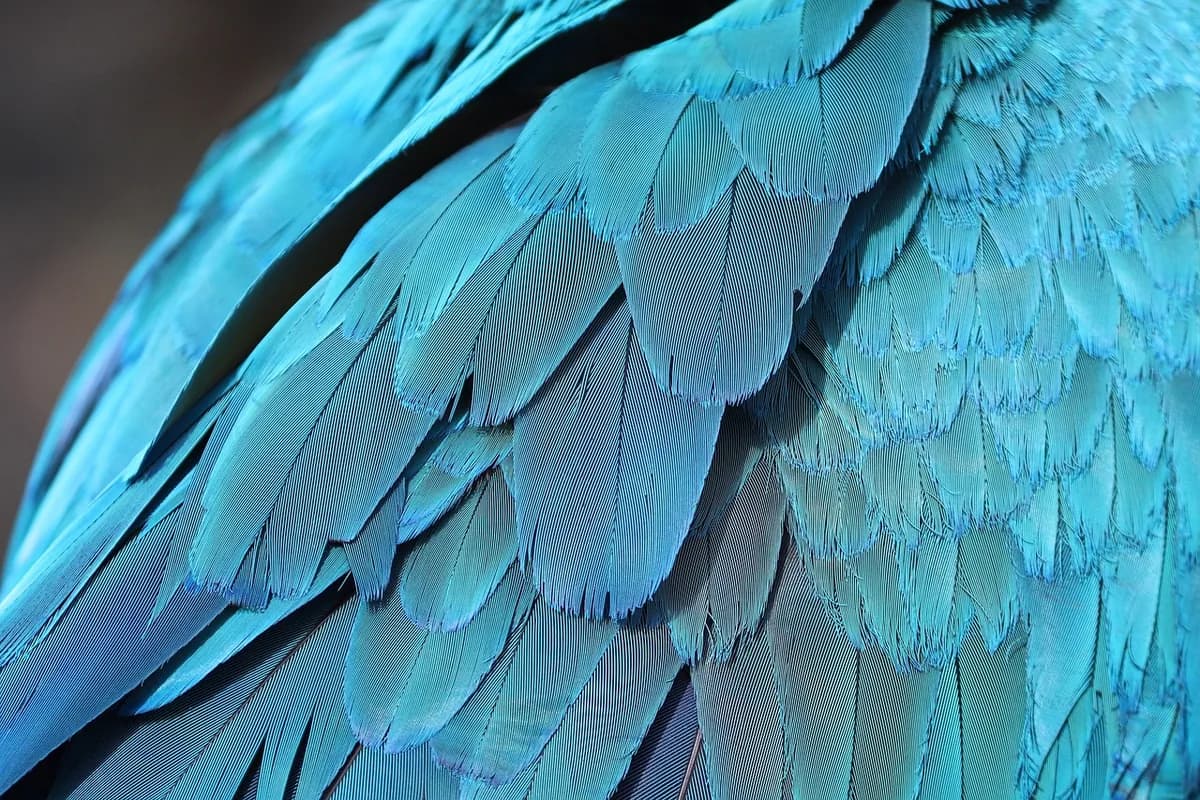
The Silent Threat That Every Bird Owner Should Know About
When we think about the biggest health risks to our feathered companions, we might worry about accidents, egg binding, or obvious infections. But there's a silent killer lurking in the air around us that can devastate even the healthiest-looking bird: aspergillosis. This fungal infection is one of the most serious respiratory diseases affecting pet birds, and the heartbreaking truth is that by the time most owners notice symptoms, the disease has often progressed significantly.
In our experience boarding over 1,000 birds at BST, we've learned to take respiratory health incredibly seriously. Aspergillosis doesn't announce itself with dramatic symptoms early on — it creeps in quietly, which is exactly what makes it so dangerous. But here's the good news: understanding this disease and taking the right preventive steps can protect your bird from this invisible threat.
What Exactly Is Aspergillosis?
Aspergillosis is a fungal infection caused by Aspergillus species, most commonly Aspergillus fumigatus. Think of it as your bird's respiratory system being invaded by microscopic fungi that create colonies in the lungs and air sacs. Unlike bacteria, these fungi are incredibly resilient and can establish themselves deep in your bird's respiratory tract, where they're difficult to reach with treatment.
The fungi don't just sit there quietly — they actively damage tissue and can spread throughout the respiratory system. In severe cases, aspergillosis can even affect other organs, though the lungs and air sacs are the primary battleground.
What makes this particularly challenging is that Aspergillus spores are literally everywhere in our environment. They're in soil, on plants, in hay, and floating in the air we all breathe every day. For healthy birds with strong immune systems, these spores are usually no big deal. But when conditions are right, they can take hold and multiply rapidly.
How Birds Contract This Fungal Infection
Your bird gets aspergillosis by inhaling Aspergillus spores — it's really that simple and that concerning. These microscopic spores are present in many common household and aviary items:
- Hay and straw bedding (particularly if it's been stored in damp conditions)
- Corn cob bedding that's old or moist
- Moldy food or treats
- Dusty environments with poor air circulation
- Humidifiers or air conditioning systems that haven't been properly maintained
- Potting soil and houseplants
- Old or damp wooden perches
The key factor isn't just exposure — it's the concentration of spores and how long your bird breathes them in. Poor ventilation is a major culprit because it allows spores to accumulate in the air rather than being dispersed.
Important: Even clean-looking hay or bedding can harbor Aspergillus spores. The fungi can be present without any visible mold growth.
Why Some Birds Get Sick While Others Stay Healthy
Here's where it gets interesting — not every bird exposed to Aspergillus spores develops aspergillosis. Several factors determine whether your bird's immune system can fight off the invasion:
Immune System Strength
Birds with compromised immune systems are sitting ducks for aspergillosis. This includes:
- Young birds whose immune systems aren't fully developed
- Elderly birds with declining immunity
- Birds recovering from other illnesses or surgeries
- Birds on certain medications that suppress immune function
Stress Levels
Chronic stress significantly weakens your bird's ability to fight off infections. Common stressors include:
- Overcrowding in multi-bird households
- Frequent changes in environment or routine
- Poor diet or inconsistent feeding schedules
- Lack of adequate sleep (birds need 10-12 hours of darkness)
- Loud noises or constant disturbances
Vitamin A Deficiency
This is huge, and we see it more often than we'd like at BST. Vitamin A is crucial for maintaining healthy respiratory tract tissues. When birds don't get enough vitamin A, the tissues lining their airways become weakened and more susceptible to fungal invasion.
Seeds-only diets are particularly problematic because they're notoriously low in vitamin A. Birds fed primarily seeds without fresh vegetables or high-quality pellets are at significantly higher risk.
Recognizing the Warning Signs
Aspergillosis symptoms can be subtle at first, which is why regular observation of your bird is so important. Watch for these signs:
Respiratory Symptoms
- Difficulty breathing or increased breathing effort
- Tail bobbing with each breath (a clear sign of respiratory distress)
- Voice changes — hoarseness or loss of voice
- Open-mouth breathing (this is always concerning in birds)
- Wheezing or clicking sounds when breathing
General Health Changes
- Decreased appetite and weight loss
- Lethargy and reduced activity
- Fluffed feathers and general appearance of being unwell
- Exercise intolerance — tiring easily during normal activities
Advanced Signs
In severe cases, you might notice:
- White plaques visible in the mouth or throat
- Regurgitation or difficulty swallowing
- Neurological symptoms if the infection spreads
Warning: If you notice tail bobbing or open-mouth breathing, consider this a veterinary emergency. These symptoms indicate severe respiratory distress.
Getting an Accurate Diagnosis
Diagnosing aspergillosis requires specialized veterinary care — this isn't something you can determine at home. Your avian veterinarian has several diagnostic tools at their disposal:
Advanced Imaging
- Endoscopy allows direct visualization of the respiratory tract and can reveal characteristic fungal plaques
- CT scans provide detailed images of the lungs and air sacs
- X-rays may show changes in lung density, though early infections often don't appear on radiographs
Laboratory Tests
- Blood work can reveal elevated white blood cell counts and other markers of infection
- Fungal cultures from respiratory samples can identify the specific Aspergillus species
- Biopsy of affected tissue provides definitive diagnosis
The challenge with aspergillosis is that early-stage infections can be difficult to detect even with these advanced methods. This is why prevention is so much more effective than treatment.
Treatment Options and Challenges
Treating aspergillosis is complex and requires long-term commitment from both you and your veterinarian. The main treatment approaches include:
Antifungal Medications
- Itraconazole is the most commonly used oral antifungal
- Voriconazole for more severe or resistant cases
- Amphotericin B for life-threatening infections (though it can have serious side effects)
Treatment typically lasts several months — much longer than bacterial infections. The fungi are stubborn, and stopping treatment too early often leads to relapse.
Nebulization Therapy
This involves having your bird breathe medicated mist containing antifungal drugs. It delivers medication directly to the respiratory tract and can be very effective when combined with oral medications.
Supportive Care
- Oxygen therapy for birds with severe breathing difficulty
- Nutritional support to help strengthen the immune system
- Stress reduction to allow the body to focus on healing
Pro Tip: Treatment success depends heavily on catching the infection early and maintaining consistent medication schedules. Missing doses can allow the fungi to regain strength.
Understanding the Prognosis
I wish I could tell you that aspergillosis is easily cured, but honesty is important here. The prognosis for aspergillosis is considered guarded to poor, especially in advanced cases. Several factors affect the outcome:
- How early the infection is caught — earlier detection means better chances
- Your bird's overall health and immune system strength
- The extent of the infection — localized infections respond better than systemic ones
- Compliance with treatment — missing medications significantly impacts success
Even with aggressive treatment, some birds don't survive aspergillosis. Others may recover but have lasting respiratory damage. However, birds that are diagnosed early and receive prompt, appropriate treatment do have a fighting chance.
Prevention: Your Best Defense
Since treatment is challenging and the prognosis is often guarded, prevention becomes absolutely critical. Here's how to protect your bird:
Environmental Controls
- Ensure excellent ventilation in your bird's living area
- Maintain proper humidity levels (30-50% relative humidity)
- Use HEPA air filters to reduce airborne spores
- Avoid corn cob bedding and opt for paper-based alternatives
- Keep the cage area scrupulously clean
Dietary Prevention
- Provide a balanced diet rich in vitamin A through fresh vegetables like carrots, sweet potatoes, and dark leafy greens
- Offer high-quality pellets as the dietary foundation
- Limit seeds to no more than 10-15% of the diet
- Remove any moldy or questionable food immediately
Regular Health Monitoring
- Schedule annual veterinary checkups with an avian vet
- Watch for early respiratory symptoms and seek prompt veterinary care
- Maintain consistent sleep schedules to support immune function
- Minimize stress through routine and environmental enrichment
Pro Tip: If you use hay or natural materials in your bird's environment, store them in dry conditions and inspect them regularly for any signs of mold or mustiness.
Final Thoughts
Aspergillosis represents one of the most serious threats to our birds' health, but knowledge is power. By understanding how this infection develops and spreads, you can take meaningful steps to protect your feathered family member. Focus on prevention through excellent husbandry, proper nutrition, and environmental controls.
Remember, early detection saves lives with aspergillosis. If you notice any respiratory symptoms in your bird, don't wait to see if they improve — contact your avian veterinarian immediately. While aspergillosis is a formidable opponent, birds that receive early intervention have the best chance of recovery.
Your bird depends on you to provide a safe, healthy environment and to recognize when something isn't right. By staying informed and vigilant, you're giving your feathered companion the best possible protection against this invisible threat.
Explore related topics
Related Articles
The Avian First Aid Kit: 25 Essential Supplies Every Bird Owner Needs
When an emergency happens, you need supplies ready NOW. Here's what every bird owner should have on hand.
Bird Insurance: Is It Worth It? A Complete Guide to Avian Pet Insurance
A single emergency vet visit can cost $2000+. Pet insurance for birds exists — here's whether it's worth the premium.
Calcium Deficiency in Birds: The Silent Epidemic
Calcium deficiency causes seizures, egg binding, and bone fractures. Most bird owners don't provide enough.