Balanced Bird Nutrition: A Complete Guide to Parrot Food Groups
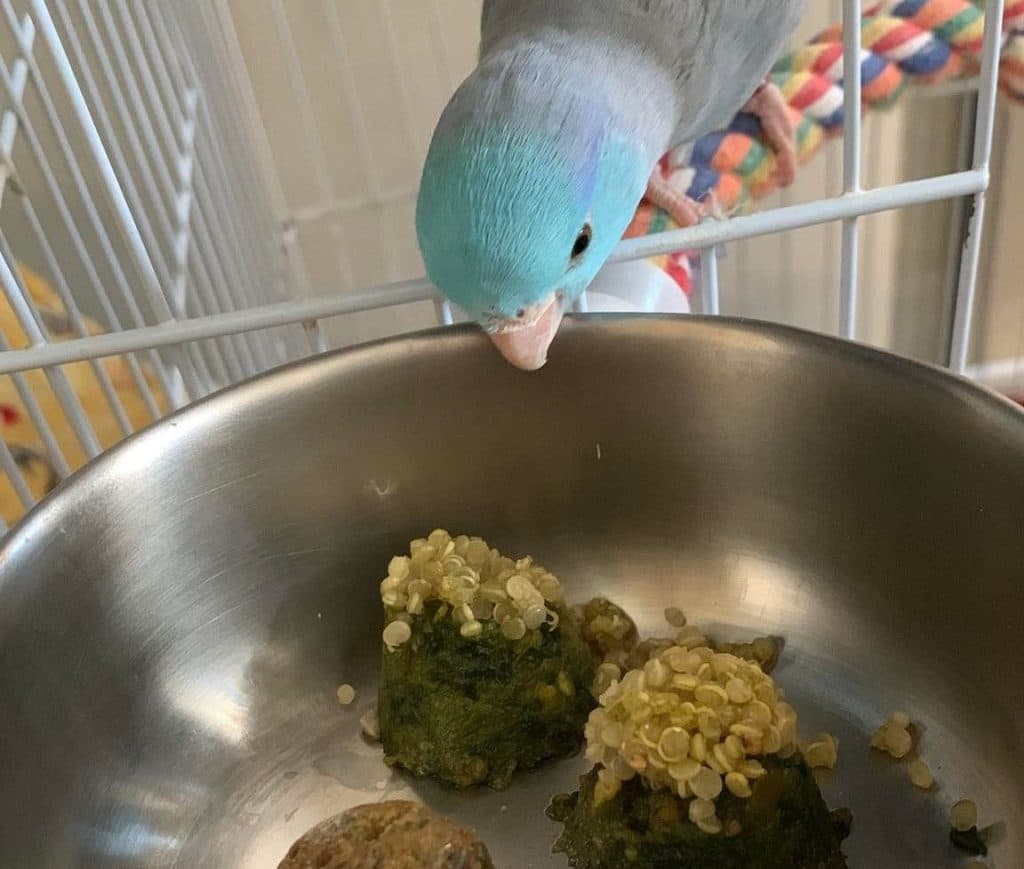
Feeding your parrot well is one of the most powerful things you can do for its long-term health. Avian veterinarians consistently identify malnutrition — usually the legacy of a seed-only diet — as one of the most common underlying causes of illness in companion parrots (Merck Veterinary Manual; Association of Avian Veterinarians). The encouraging news is that a balanced diet is not complicated once you understand how the pieces fit together, and getting it right can add years to your bird's life.
At Bird Sitting Toronto, where we board hundreds of birds every year, the healthiest guests almost always arrive on the same basic plan: a quality pellet base, a generous helping of fresh vegetables, and treats kept to a genuine minimum. Here is how those proportions break down for most parrots.
| Food group | Share of the daily diet | What it does |
|---|---|---|
| Formulated pellets | 75–80% | Complete, consistent nutritional base |
| Vegetables, greens, cooked grains, legumes | 20–25% | Vitamins, minerals, fibre, variety, enrichment |
| Fruit | A small slice of the fresh portion | Antioxidants and hydration, but high in sugar |
| Seeds and nuts | About 5% | Treats and training rewards only |
The Foundation: A Formulated Pellet Base
High-quality formulated pellets should make up the large majority of your parrot's diet — roughly 75 to 80 percent. Unlike a seed mix, where a bird simply picks out its favourite fatty morsels and leaves the rest, every pellet is nutritionally complete. Your bird gets balanced protein, vitamins, minerals, and carbohydrates in every bite, with no way to selectively feast and starve at the same time. This is why avian nutrition sources such as Lafeber, and the broad consensus of avian veterinarians, recommend a formulated diet as the cornerstone of parrot feeding.
Tip: Choose high-quality pellets free of artificial colouring, added sugar, and chemical preservatives. Natural-colour pellets also make it easier to read your bird's droppings, since brightly dyed foods can mask what is really going on in there.
Converting a committed seed-eater to pellets takes patience. Many parrots do not recognize pellets as food at first and will ignore them for days. Budgies and cockatiels in particular tend to be stubborn converters, so go slowly and offer plenty of fresh vegetables and sprouts alongside the new food.
Warning: Never switch a bird to pellets "cold turkey." A parrot that does not recognize the new food can literally starve rather than eat it. Convert gradually over several weeks, mixing increasing amounts of pellet into the familiar diet, and confirm your bird is actually eating — check its weight and droppings — before removing the old food entirely.
Fresh Foods: The Other 20–25%
The remaining fifth to quarter of the diet is where variety, enrichment, and much of the "colour" of good nutrition come from. This portion is built mostly on vegetables and greens, with cooked whole grains, legumes, and a little fruit rounding it out.
Leafy Greens and Vegetables
Vegetables should be the bulk of the fresh portion. As a rule, the darker the vegetable, the higher its nutritional value: deep greens and orange vegetables are especially rich in the vitamin A precursors that seed-fed birds so often lack. Hypovitaminosis A is one of the most frequently diagnosed nutritional deficiencies in companion parrots (avian veterinary consensus), and colourful vegetables are the everyday remedy.
Strong choices include broccoli, spinach, sweet potato, carrots, mustard greens, bok choy, Brussels sprouts, peas, turnip greens, squash, and endive.
Tip: Whenever possible, offer organic produce to reduce pesticide exposure, and always wash and chop fresh food. In a Toronto winter, frozen — not canned — vegetables are a perfectly good stand-in when fresh options are limited.
Whole Grains and Protein
Cooked whole grains add fibre and slow-release energy, and they make an excellent base for a "chop" — a chopped vegetable-and-grain mix you can batch and freeze. Because they belong to the fresh 20–25%, serve them as a component of that portion rather than as a bowl of their own. Good options include amaranth, barley, brown rice, buckwheat (kasha), quinoa, oats, millet, couscous, wild rice, and kamut, along with whole-grain bread or pasta in small amounts.
A little extra protein supports muscles, organs, feathers, and the immune system. Well-cooked legumes and eggs are the safest sources:
- Cooked egg
- Tofu
- Lentils, chickpeas, and kidney beans (fully cooked)
- Small amounts of cooked, boneless, unseasoned chicken
- Low-fat plain yogurt (occasionally)
Warning: Never feed uncooked or undercooked dried beans. Raw legumes contain compounds that are toxic to birds; beans must be soaked and thoroughly cooked before serving.
Fruit, in Moderation
Fruit is nutritious and rich in antioxidants, but it is also high in natural sugar, so it should be a small part of the fresh portion rather than a staple. Rotate options such as blueberries, apple (seeds removed), banana, mango, kiwi, pomegranate, pineapple, papaya, and strawberries to keep things interesting.
Warning: Always remove apple seeds and the pits of cherries, apricots, and peaches — they contain cyanogenic compounds that release cyanide when chewed. Wash all fruit well and favour organic where you can (VCA Animal Hospitals).
Treats: Seeds and Nuts
Seeds and nuts are calorie-dense and delicious, which is exactly why they work so well as rewards — and exactly why they should never be the diet. Kept to roughly five percent, they add valuable fats without tipping your bird toward obesity or fatty liver disease, both of which are common in over-treated parrots.
Seeds do supply beneficial fatty acids: flax and hemp are good omega-3 sources, while sunflower, safflower, and pumpkin seeds provide omega-6. Nuts such as almonds, walnuts, pecans, macadamias, and Brazil nuts make ideal training treats.
Tip: Put treats to work. Hide a few seeds or a single nut in a foraging toy so your parrot has to earn them. This stretches a tiny amount of food into meaningful mental exercise and mimics the searching a wild bird would do all day.
Water: The Overlooked Nutrient
Water is easy to take for granted, yet it regulates body temperature, aids digestion, transports nutrients, and carries away waste. Provide clean, fresh water every day, and change it whenever food, droppings, or fruit debris cloud the bowl. Birds also draw moisture from fresh fruits and vegetables, but that never replaces a clean bowl of drinking water.
Foods to Keep Out of the Bowl
A handful of common foods are genuinely dangerous to birds. Keep these away from your parrot entirely.
Warning: Never feed avocado (persin), chocolate (theobromine), caffeine, alcohol, onion and garlic, salt, uncooked beans, mushrooms, or fruit pits and apple seeds (cyanogenic). Note too that grit is not needed by hookbill parrots — they hull their seeds before swallowing — and offering it can cause dangerous crop impaction.
Not Every Parrot Eats the Same
The pellet-forward plan above suits most parrots, but a few species need adjustments:
- Budgies and cockatiels should still be mostly pellets, but they convert slowly — push vegetables and sprouts, and be patient through the transition.
- Eclectus parrots are sensitive to synthetic additives and do best on a distinctly vegetable-forward, whole-food diet.
- Lorikeets are the true exception: they require a specialized nectar diet rather than pellets, and you should avoid high-iron foods to prevent iron-storage disease.
Final Thoughts
Feeding your bird is not about filling a bowl with seeds. A formulated pellet base, a generous serving of fresh vegetables and greens, whole grains and a little fruit, and treats kept to occasional rewards give your parrot the balanced nutrition it needs to thrive. Watch your individual bird's weight, energy, and droppings, partner with an avian veterinarian, and you are laying the foundation for a long, vibrant life.
Explore related topics
Related Articles
Can Parrots Eat Human Food? A Complete Guide to Sharing Meals
Your parrot wants to eat off your plate. Which human foods are safe to share and which are dangerous?
The Complete Guide to Parrot Pellets: Brands, Conversion, and Myths
Pellets should be 50-70% of your parrot's diet, but not all pellets are equal. Here's everything you need to know.
Cooking for Your Parrot: 15 Recipes and Meal Ideas They'll Love
Variety is the spice of your parrot's diet. These easy recipes make feeding time exciting and nutritious.