How to Maintain a Hygienic Home for Your Parrot
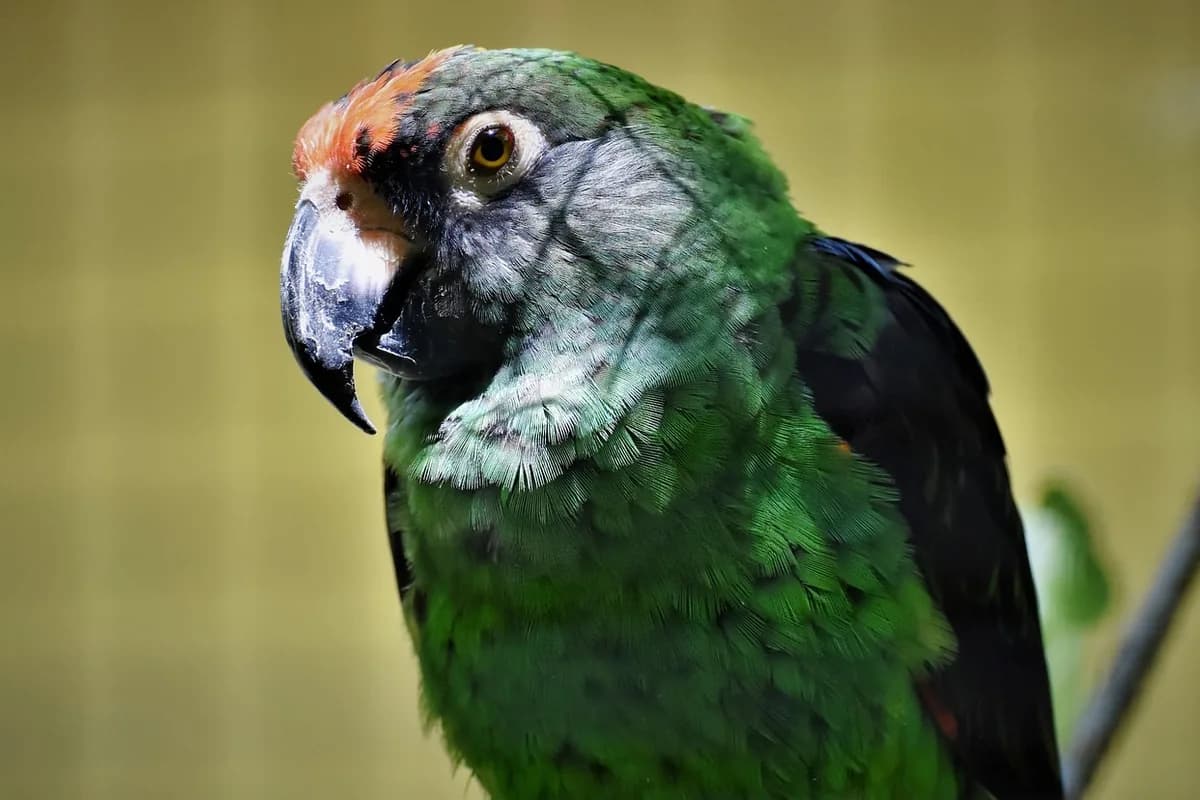
At Bird Sitting Toronto, where we board hundreds of birds every year, the cleanest cages almost always belong to owners who treat hygiene as a small daily habit rather than a dreaded weekend chore. A parrot's home is also its bathroom, its dining room, and its playground, which means the work of keeping it sanitary falls entirely to you.
In the wild, birds roost high in the canopy and rarely come into contact with their own droppings. Your bird does not have that luxury. It lives in close quarters with everything it sheds: waste, spoiled food, feather dust, and dander. Left unmanaged, that buildup is not just unpleasant to look at, it becomes a genuine risk to your bird's health and well-being. The good news is that with a structured routine and a few smart tools, keeping your bird's habitat clean is far more manageable than it first appears.
Why Cage Hygiene Is a Health Issue
Birds breathe differently from mammals. Their respiratory system — a network of air sacs feeding a set of rigid lungs — is remarkably efficient, which is exactly why it is so vulnerable to airborne contaminants. According to the Association of Avian Veterinarians and long-standing avian veterinary consensus, the dust, dried fecal particles, and dander that accumulate around a neglected cage can irritate that delicate system and, over time, contribute to respiratory disease.
Damp, soiled bedding and spoiled food carry a second, quieter danger: fungus. Aspergillus, a common environmental mould, thrives in warm, moist, dirty conditions and can cause aspergillosis, a serious and often hard-to-treat respiratory infection documented by the Merck Veterinary Manual and VCA Animal Hospitals. Routine cleaning is the simplest, most effective way to deny that mould a foothold.
Warning: Dried droppings can flake into fine, breathable particles that become airborne the moment they are disturbed. They pose an inhalation risk to your parrot and to you. Never dry-sweep or vacuum a heavily soiled cage without dampening the waste first.
Your Cleaning Cadence at a Glance
Think of cage care in three rhythms: daily upkeep, a weekly reset, and a quarterly deep clean. Each one builds on the last, so no single job ever feels overwhelming.
| Frequency | Focus | Core tasks |
|---|---|---|
| Daily | Waste and food | Change liners, wash bowls, wipe visible messes |
| Weekly | Full reset | Scrub tray and grate, disinfect, scrape perches, inspect toys |
| Quarterly | Deep clean | Dismantle, scrub every surface, air-dry in sunlight |
Daily Tasks
- Replace cage liners to remove droppings and spoiled food.
- Wash food and water bowls in hot, soapy water. Bacteria multiply fastest in standing water and wet food.
- Wipe down cage surfaces with a damp cloth to lift fresh messes before they harden.
Weekly Tasks
- Remove the cage grate and tray, scrub them with hot, soapy water, then finish with a bird-safe cleaner.
- Scrape dried droppings off perches, toys, and cage bars.
- Sanitize bowls in the dishwasher if they are dishwasher-safe.
- Inspect every toy and cage part for cracks, frayed rope, worn hardware, or other hazards, and retire anything damaged.
Tip: After any disinfectant, rinse thoroughly with clean water and let everything dry completely before your bird returns. Chemical residue and fumes are as much a concern as the germs you are removing. Never mix cleaning products — combining bleach and ammonia, for example, releases a toxic gas that is especially dangerous to birds.
Quarterly Deep Cleaning
- Move the cage outside, dismantle what you can, and scrub every surface, seam, and hidden corner.
- Let the cage air-dry in direct sunlight, nature's own natural disinfectant. During a Toronto winter, when hauling the cage onto the balcony is not realistic, clean it in a well-ventilated bathroom or basement and dry it thoroughly indoors instead.
Pro Tips to Make Cleaning Easier
The owners who stay ahead of the mess rarely work harder. They just work smarter. A few habits make the biggest difference:
- Use damp wipes to clear droppings before they dry and cement themselves to a surface.
- Pre-soak stuck-on debris so it lifts with a single wipe instead of a hard scrub.
- Stack several cage liners at once, then peel off the top layer for an instant clean surface.
- Keep a spare set of food and water dishes to swap in while the dirty set soaks.
- Place a washable mat under the cage, and hang removable sheets or use washable paint on the wall behind it. Parrots are enthusiastic food-flingers.
- Fit seed guards or a cage skirt to keep the mess contained.
- Keep a dedicated scraper for cage bars and perches.
- Run an air purifier nearby to pull dust, dander, and allergens out of the air.
- Spend five minutes a day on upkeep and your weekend deep clean shrinks dramatically.
Final Thoughts
A clean environment supports far more than your parrot's physical health. It protects the efficient, sensitive respiratory system that keeps your bird active and singing, and it safeguards your own air quality too. Just as importantly, a fresh and orderly home supports your bird's emotional comfort. Build the routine into your day, lean on a few clever tools, and you will spend less time cleaning while giving your bird a happier, healthier place to live.
Explore related topics
Related Articles
Meeting the Physical Needs of Parrots
A parrot's physical wellbeing rests on six pillars: diet, exercise, environment, health, hygiene, and safety. This guide walks you through each one with concrete numbers on cage size, temperature, sleep, and the pellet-forward diet that keeps companion birds thriving.
Aspergillosis in Birds: The Invisible Fungal Killer
Aspergillosis is one of the most common and deadly avian diseases. It's caused by a fungus that's everywhere in our environment.
The Avian First Aid Kit: 25 Essential Supplies Every Bird Owner Needs
When an emergency happens, you need supplies ready NOW. Here's what every bird owner should have on hand.