Creating Safe Play Spaces for Your Parrot
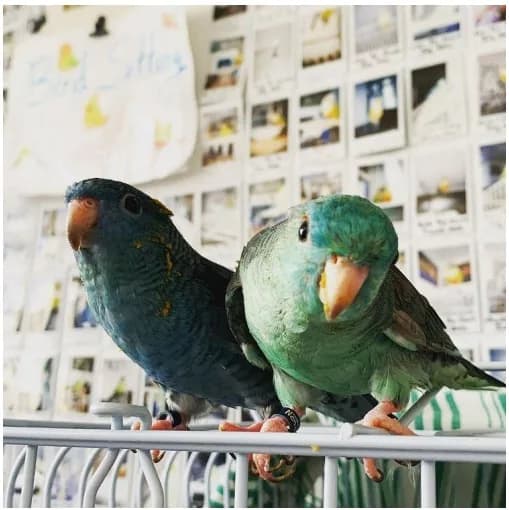
In the wild, a parrot's day is spent climbing, foraging, and travelling through the canopy—never confined behind bars. We cannot hand our companion birds the whole forest, but we can give them the next best thing: a dedicated play space outside the cage where they can stretch their wings, exercise their feet and minds, and be part of the household. At Bird Sitting Toronto, where we care for hundreds of birds each year, the safest play areas are never accidental. They are planned, materials-checked, and supervised. This guide walks you through building one the same way.
Why a Dedicated Play Space Matters
A cage is a bedroom, not a whole life. Time on an open play stand gives your bird real benefits that cage time cannot:
- More movement and better fitness to support overall physical health and guard against obesity.
- Mental stimulation from new sightlines, textures, and problem-solving.
- Foraging opportunities that let a bird "work" for food the way it would in nature—see our guide on why foraging matters.
- Stronger bonding with the flock; reading your bird's cues here is easier when you understand parrot body language.
- Independent confidence, so your bird learns to entertain itself rather than screaming for attention.
Choosing the Right Play Stand
Play stands come in several formats, and the best one depends on your bird's size, your space, and how mobile you need it to be.
| Play stand type | Best for | Trade-offs to weigh |
|---|---|---|
| Floor stand | Larger parrots; a permanent activity hub | Takes floor space; heavy to reposition |
| Tabletop gym | Small-to-medium birds; moving room to room | Limited climbing height; a lightweight one can tip |
| Hanging gym | Agile small birds; tight spaces | Swings underfoot; awkward to clean beneath; not ideal for clumsy fledglings |
| Cage-top playtop | Owners short on floor space | Can encourage cage-top territoriality; droppings land on the cage |
Whatever the format, a good stand offers multiple levels to climb, removable food and water cups, an easy-to-clean tray to catch droppings, and hooks or branches for hanging toys.
Tip: A stand that is a little too big is far better than one that is too small. Extra height and width give your bird room to flap, turn, and choose where to perch—choice is enrichment in itself.
Perches and Foot Health
Perches are the part owners most often get wrong. A bird that grips an identical smooth dowel all day develops pressure sores that can progress to pododermatitis—the painful foot condition commonly called bumblefoot, well documented by the Merck Veterinary Manual and VCA Animal Hospitals.
Offer perches of varying diameters so different muscles and toe positions get used through the day. As a rough guide, the toes should wrap roughly three-quarters of the way around a perch, not fully overlap:
- Budgies and other small birds: around 1 cm (about 3/8 in)
- Cockatiels and conures: roughly 1.3–1.9 cm (0.5–0.75 in)
- Amazons and greys: roughly 2–2.5 cm (0.75–1 in)
- Macaws and large cockatoos: 2.5–5 cm (1–2 in)
Natural branch perches with their bark left on are the gold standard because the diameter changes along the length. Avoid sandpaper perch covers entirely—they abrade the sole and are a leading cause of foot sores rather than a nail solution. For a deeper dive, see our guide to parrot foot health, perches, and exercise.
Choosing Safe Materials
A play area is only as safe as the parts it is built from. Parrots chew, and they explore with their beaks, so every component is a potential meal.
Metals: watch for zinc and lead. Heavy-metal poisoning is one of the more common avian toxicoses seen in practice, and cheap hardware is a frequent culprit. Galvanized (zinc-coated) wire, chain, quick-links, and clips, plus lead found in some imported toys, curtain weights, stained-glass solder, and older painted parts, can all cause serious illness. Choose stainless steel or properly nickel-plated hardware, and buy toys from reputable bird-specific makers. If you suspect exposure, treat it as urgent—see our article on heavy-metal poisoning in birds.
Woods: know the safe list. Bird-safe woods include manzanita, java, apple, dogwood, ash, elm, birch, maple, and poplar. Avoid aromatic woods such as cedar and redwood (their oils release phenols), anything pressure-treated, painted, or stained, and bark from stone-fruit relatives, whose plant compounds can be cyanogenic. Never use lumber that may have been sprayed with pesticides. Our safe wood guide covers this in detail.
Rope: manage the fray. Cotton and sisal rope perches are comfortable but they shed. Long loose threads can wrap and tourniquet a toe, and swallowed fibers can cause crop or gut impaction. Trim frays as they appear and retire any rope that has gone stringy.
Warning: Grit is not needed by hookbill parrots, and offering it can lead to dangerous crop impaction. If you see grit sold "for all birds," skip it—your parrot hulls its food and does not require it.
Bird-Proofing the Room
Once your bird is off the stand, the room itself becomes the play area. Walk it at bird height and neutralize these hazards first.
- Ceiling fans: turn them off before any flighted play. A moving blade is unforgiving.
- Windows and mirrors: birds fly into glass they cannot see. Close blinds or mark large panes during out-of-cage time.
- Open water: uncovered toilets, sinks, full pots, aquariums, and buckets are drowning and scalding hazards. Cover or empty them.
- Cords, wires, and toxic plants: move electrical cords out of reach and confirm any houseplants are non-toxic before your bird can nibble them.
- Kitchen fumes: this is the big one. Overheated non-stick (PTFE/Teflon) cookware releases fumes that are rapidly fatal to birds—the coating begins to break down past roughly 260°C (500°F), a temperature an empty pan on high heat reaches quickly. The same risk applies to some self-cleaning ovens, air fryers, space heaters, hair dryers, and drip pans with non-stick coatings. Keep birds well away from the kitchen, and never run a play session near a working stove. Aerosols, scented candles, and self-cleaning oven cycles carry related respiratory risks; our list of common household toxins deadly to birds has the full picture.
Warning: A cat is not a safe playmate. Even a minor swat can puncture skin, and cat saliva carries Pasteurella multocida, which can cause fatal septicemia in a bird within a day or two. Any cat bite or scratch is a same-day avian emergency for prophylactic antibiotics. Never leave a bird and a cat or dog together in the same room—see parrots and other pets.
For a systematic sweep, our room-by-room bird-proofing guide is worth keeping on hand.
Toys, Foraging, and Rotation
A bare stand gets boring fast. Aim for a small rotating rack of toys that hits three needs: foraging (hidden food your bird has to work for), destructible/shreddable items (soft wood, paper, palm), and foot toys to hold and manipulate. Rotate three to five toys every one to two weeks so novelty stays high—a simple habit that avian enrichment resources such as Lafeber consistently recommend.
Two things to avoid: jingle-type bells with narrow slots that can trap a toenail or beak tip, and small snap-links a determined bird can pry open and swallow. When in doubt, choose bird-specific toys over repurposed pet-store hardware.
Supervision and Placement
Where you put the stand, and how you watch it, matters as much as what is on it.
- Position it in the family's orbit, not an isolated room, but out of direct sun and cold drafts.
- Keep the top perch around your chest height. This makes step-ups easy and lets you intervene fast. Avian behavior consensus also holds that some pushy or hormonal birds get more territorial when allowed to perch above your head, so a lower vantage often makes for a calmer bird.
- Build a reliable step-up cue so you can move your bird on and off the stand without chasing or grabbing—positive-reinforcement training makes this effortless over time.
- Out-of-cage time is supervised time. An open stand is not a place to leave a flighted bird alone. Predator pets, open doors, and curious toddlers turn a happy session dangerous in seconds.
The Bottom Line
A great parrot play space is equal parts freedom and forethought. Choose a stand sized generously, build it from stainless steel and bird-safe wood, vary the perches to protect those feet, and clear the room of fans, glass, open water, and kitchen fumes before your bird ever leaves the cage. Do that, and you give your parrot exactly what it craves—room to climb, forage, and be part of the flock—with none of the risk. It is one of the most rewarding upgrades you can make to a bird's daily life.
Explore related topics
Related Articles
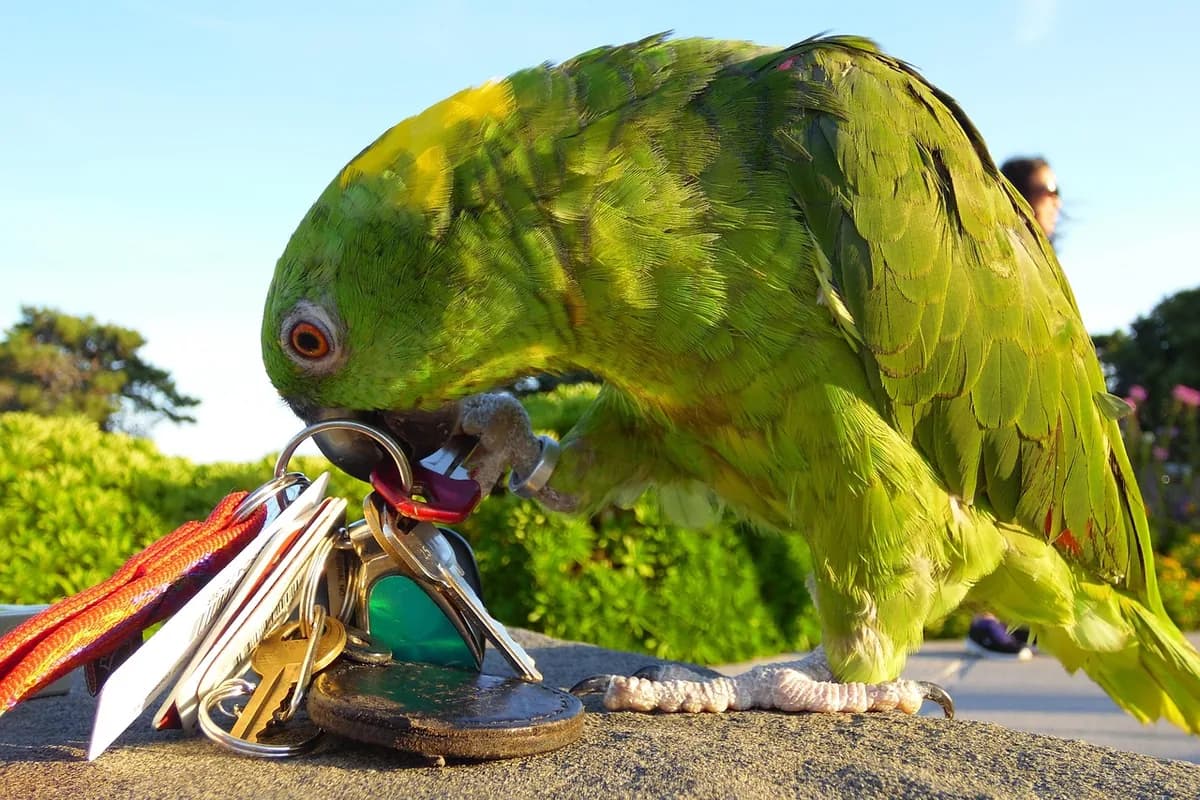
Safe Toys for Happy, Healthy Parrots
The right toys keep a parrot's beak, feet, and mind healthy — the wrong ones cause choking, foot injuries, or heavy-metal poisoning. Here is how to choose bird-safe materials, match toy size to your species, build foraging into daily play, and run a simple safety routine.
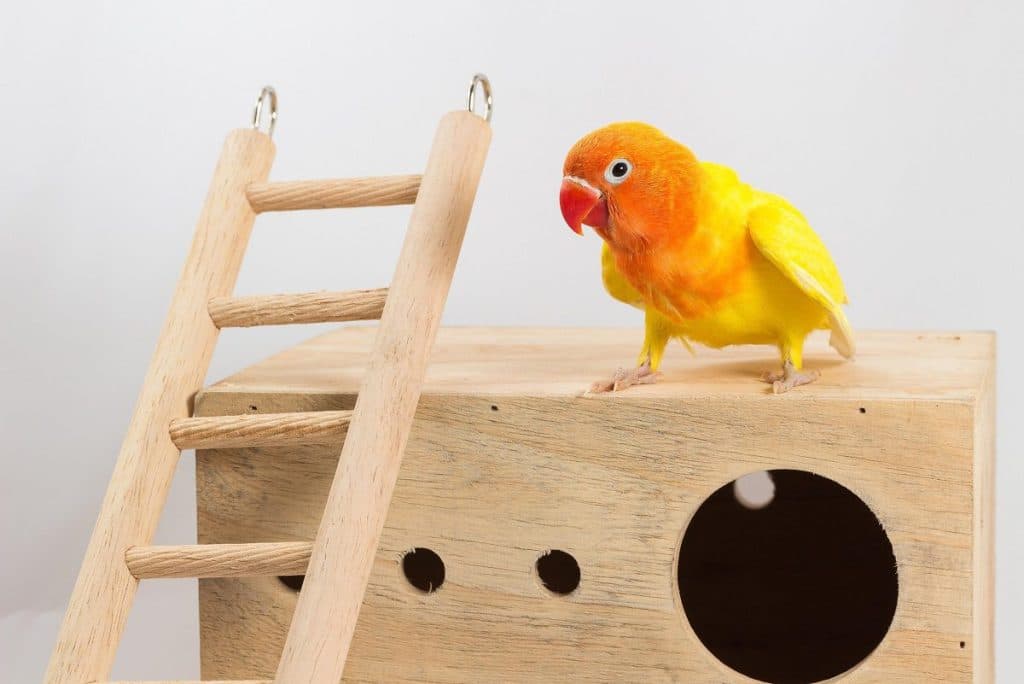
Encouraging Play: A Key to a Happy, Healthy Parrot
Play is not a luxury for parrots—it is preventive medicine. Learn why enrichment protects against plucking, screaming, and biting, how to teach even a wary rescue bird to play, which toy types deliver which benefits, and how to keep every toy safe.
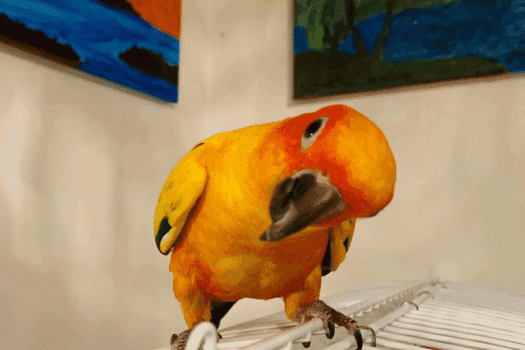
Fun and Interactive Games to Play with Your Parrot
Play is how parrots bond, burn energy, and stay mentally sharp. Here are the interactive games we love most, plus how to read your bird's body language before you start, foraging and trick-training ideas, and the safety rules that keep playtime fun.