Creative Enrichment Ideas to Keep Your Parrot Active and Happy
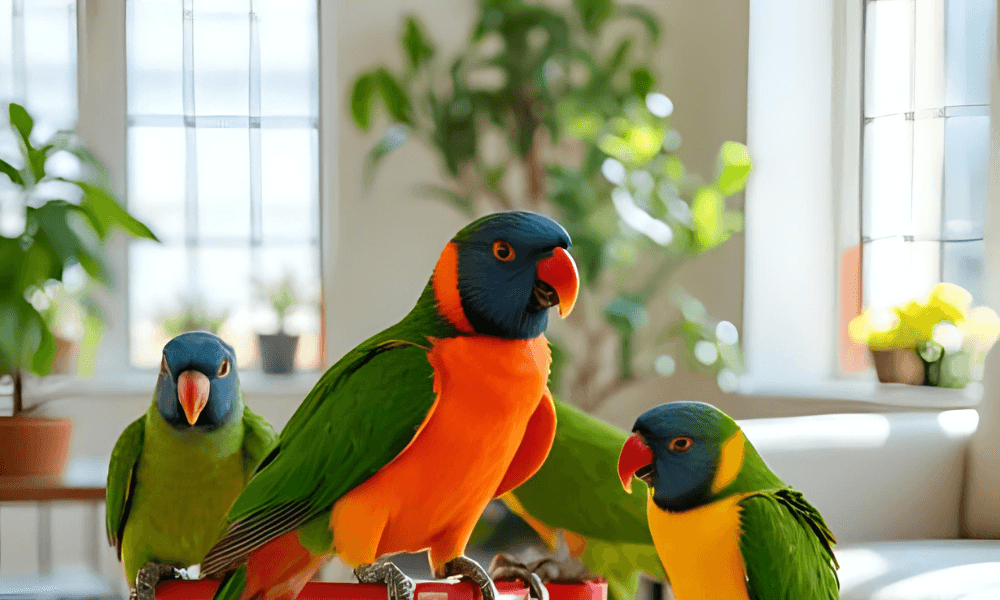
Your parrot is one of the most intelligent animals you will ever share a home with. In the wild, that intelligence runs from dawn to dusk — foraging for food, flying long distances, negotiating a flock, preening, and staying alert for predators. A wild parrot is never truly idle. Drop that same brain into a quiet living room, and it often has nothing to do at all. And a bird with nothing to do is a bird looking for trouble.
At Bird Sitting Toronto, where we board hundreds of birds every year, the busiest, best-adjusted guests are almost always the ones whose owners have woven enrichment into everyday life. This guide gives you a wide menu of ideas — food-based foraging, chewable and shreddable toys, and simple foraging containers you can make at home — so you can keep your parrot mentally stimulated and physically active.
Why Enrichment Matters
Parrots are built to work for a living. Applied-behavior research in birds is clear on this point: given the choice, many parrots will still work to obtain food even when identical food sits freely in a nearby bowl — a phenomenon behaviorists call contrafreeloading. The drive to forage and manipulate the environment is instinctual, not a preference you can switch off.
When that drive has no outlet, it resurfaces as behavior problems. The Merck Veterinary Manual lists boredom and lack of stimulation among the leading contributors to feather-destructive behavior, chronic screaming, and over-attachment, where the bird becomes completely dependent on you for entertainment. The Association of Avian Veterinarians recommends foraging and environmental enrichment as front-line strategies for both preventing and managing these issues.
Tip: Enrichment is not a substitute for a veterinary workup. If your bird has suddenly started plucking, screaming, or acting withdrawn, rule out medical and dietary causes with an avian vet first. Once physical and health causes are excluded, the culprit is very often plain boredom — and that is exactly where the ideas below come in.
Enrichment also carries the rest of your care routine. A bird that spends its energy foraging and chewing is a bird that is not screaming at the window or pulling out its own chest feathers.
Food-Based Enrichment
Food does not have to be mere nourishment — it can be the main event of your bird's day. Foraging makes your parrot work to find its meal, mimicking the natural behavior its body is wired for. The key is to start easy so your bird succeeds early, then raise the difficulty gradually as it learns the game.
- Hang leafy greens such as kale or mustard greens from the cage bars or top.
- Offer whole carrots with the tops still attached so your bird has to pull them apart.
- Wrap nuts, dried fruit, or a little cereal in paper for your bird to tear open.
- Tuck portions of food inside folded paper plates, cups, or small cardboard containers tied with safe materials like sisal or plain cotton.
- Drill small holes in large nuts to encourage cracking and chewing.
- Cover a food bowl with cardboard or paper, cut a small hole for visibility, and make access harder over the following days.
- Thread fresh produce — apple, orange, corn on the cob, pomegranate — onto a stainless steel skewer.
- Provide millet sprays, puzzle feeders, or foraging wheels that hide favorite treats.
Because foraging should reward effort, use your bird's favorite items — a few seeds or a piece of nut — as the payoff. In a healthy parrot diet, seeds and nuts are treats (roughly five percent of intake), not the staple, so foraging is the perfect place to spend that small treat allowance rather than dumping it in a bowl.
Tip: Introduce foraging in stages. Many first-timers pile on the difficulty, the bird gives up, and the owner concludes "my parrot won't forage." Start with food loosely visible under a single layer of paper, and only add layers once your bird is confidently opening the easy version.
Here is a simple way to think about ramping up the challenge:
| Stage | What it looks like | Goal |
|---|---|---|
| Introduce | Treat sits openly on a paper plate or loosely wrapped | Teach that paper means food inside |
| Build | One layer of paper, or a lightly covered bowl with a visible hole | Bird learns to tear and dig |
| Challenge | Multi-layer wraps, drilled wood, puzzle feeders, hidden caches | Bird works several minutes for the reward |
Non-Food Enrichment Toys
Alongside food, give your parrot a rotating supply of items to chew, shred, and manipulate. Variety of texture matters as much as variety of toy — the goal is to satisfy the beak and the brain at once.
Paper-Based Toys
- Stack coffee filters or paper plates on a rope or toy hanger, with beads in between for texture.
- Stuff a paper bag with shredded paper, corn husks, and small surprises like nuts or beads.
- Crumple paper into balls with a treat hidden inside.
- Offer finger-trap party favors with a treat tucked in the middle.
- Hang an old phone book or paperback — messy, but many birds adore the shredding.
Beads and Wood
- String safe-sized beads on rope for a hanging toy or foot toy.
- Provide untreated wooden blocks or children's alphabet blocks to chew and toss.
- Offer fresh, pesticide-free bird-safe branches with leaves and buds, gathered well away from roadsides.
- Stuff drilled wood blocks with seeds or treats for an extra challenge.
- Decorate a grapevine or willow wreath with nuts, strips of paper, and vegetable-tanned leather pieces.
Pine Cones
- Bake pine cones at 200°F (about 95°C) for 20 minutes to sterilize them, let them cool, then offer as-is or stuffed with treats.
Plastic Toys
- Repurpose baby rattles, plastic key rings, and stacking cups filled with treats.
- Turn measuring spoons or clean bottle caps into foot toys.
- Stuff a whiffle ball with paper, beads, or small treats and hang it, or drop it in as a foot toy.
- Bundle plastic straws together to make a crinkly toy.
Warning: Materials safety is not optional. Use only untreated, unpainted wood and vegetable-tanned leather — never pressure-treated lumber or hardware-store chrome. Avoid galvanized or zinc-plated clips, chains, and quick-links, which are a leading cause of heavy-metal (zinc) poisoning in parrots. Skip long or frayed cotton and sisal rope, which can wrap around toes or be swallowed into a dangerous crop or gut blockage. Supervise powerful chewers with any new toy, and retire toys the moment they fray or splinter.
Foraging Trays, Baskets, and Containers
Think outside the box — literally. Almost any bird-safe container can become a foraging challenge:
- Fill a stainless steel bucket with toys, beads, and shredded paper to dig through.
- Turn a cafeteria-style tray into a foraging station packed with enrichment items.
- Pack a plain or palm-fiber basket with safe materials and hang it in the cage.
- Hide surprises in a brown paper lunch bag for tearing fun.
- Reuse clean condiment cups filled with stones, seeds, beads, or dried food.
- Fill a cardboard box with goodies, wrap it, and tie it with bird-safe materials.
- Drill a length of PVC tube and pack it with crunchy sticks or paper.
The point is not any single object — it is novelty. Rotate a few toys out every few days and bring them back later; a "boring" toy often becomes fascinating again after a week in the closet.
Bringing It All Together
Enrichment is not a luxury. It sits right alongside a good diet and clean water as a daily need. Watch how your bird interacts with each activity: some parrots love to shred, others live to unwrap, and a few will only work for one specific nut. If an idea falls flat, do not give up — swap it out and try another, and keep introducing fresh challenges so the game never goes stale.
A parrot that spends its day foraging, chewing, and problem-solving is calmer, quieter, and physically healthier — and far easier to live with. For more on the emotional side of this work, see our guide to meeting the emotional needs of parrots and our overview of reducing stress in pet parrots.
Explore related topics
Related Articles
Building Natural Branch Perches: A Step-by-Step Guide
Natural branches are the best perches — varied diameter, texture, and chewing opportunity. Here's how to prepare them safely.
15 DIY Bird Toys from Dollar Store Items
You don't need expensive pet store toys. These 15 DIY toys cost under $2 each and your bird will love them.
DIY Parrot Play Gym: How to Build an Amazing Play Area for Under $50
A play gym gives your parrot a dedicated out-of-cage space. Here's how to build one with safe, affordable materials.