Choosing the Best Perch Material for Your Bird: A Complete Comparison Guide
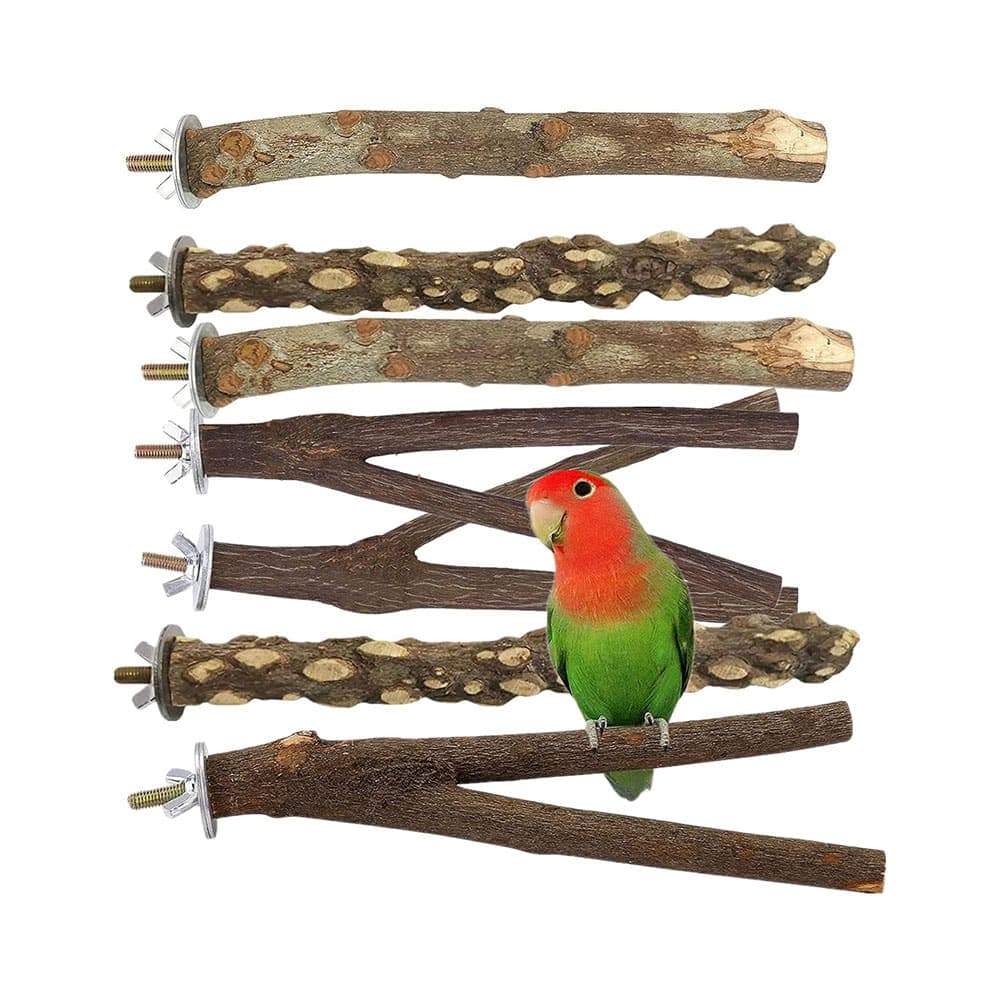
When you set up a cage, choosing the right perches is every bit as important as choosing the correct cage size. A perch is not just somewhere to stand—it is the single surface your bird's feet press against for most of its life. The material, texture, and diameter you pick directly affect comfort, hygiene, foot health, and how much your bird enjoys its space. At Bird Sitting Toronto, where we board hundreds of birds every year, the cages that keep feet healthiest are never the ones with a single smooth dowel. This guide breaks down the most common perch materials and helps you build the combination that is best for your feathered friend.
Why Perch Material Matters
Birds spend nearly all of their waking and sleeping hours standing—eating, playing, preening, and resting all happen on their feet. Because of that, the surface under a bird's feet shapes both its physical and mental well-being.
The biggest hidden danger is sameness. When every perch is the same diameter and the same smooth texture, the bird's weight lands on the same few points on the sole day after day. Over time those pressure points can flatten, redden, and develop sores—a condition avian veterinarians call pododermatitis, better known as bumblefoot. The Merck Veterinary Manual identifies inappropriate, uniform perching (alongside obesity and poor hygiene) as a leading contributor to this painful and stubborn foot disease.
The fix is variety. An ideal cage offers a range of perch diameters, textures, and materials that mimic the natural diversity of branches a bird would meet in the wild. That variety keeps the feet strong and flexible, spreads out the pressure, reduces boredom, and prevents repetitive stress on any single spot.
Warning: Skip sandpaper-covered perches and slip-on "grooming" sandpaper sleeves. According to VCA Animal Hospitals and broad avian veterinary consensus, they do little to trim nails and abrade the delicate skin of the sole, opening the door to bumblefoot. Cement or sand-textured perches used correctly (see below) are a safer way to condition nails.
Tip: Check your bird's feet often. The underside should be smooth and evenly colored, with no shiny flattened spots, redness, swelling, or scabs. The Association of Avian Veterinarians (AAV) recommends having any early sign of bumblefoot seen by an avian vet quickly—these lesions worsen fast and are far easier to treat early.
Perch Material Comparison
Each material has a job to do. Most birds do best with several of these in the same cage, chosen so their strengths complement each other.
| Perch Type | Advantages | Considerations |
|---|---|---|
| Natural Wood | Varied diameter and grip along a single branch, promotes healthy feet; bark offers entertainment and a chewing outlet. | Must be free of pesticides and chemicals. Use only bird-safe wood such as manzanita, java, apple, or dragonwood. |
| Rope | Soft and gentle on feet; the flexible, irregular shape encourages foot movement and exercise. | Frays over time; loose strands can be ingested or wrap around toes and cut off circulation. Trim frays and inspect regularly. |
| Conditioning (cement, sand-coated) | Gently wears down nail tips and beak, reducing grooming needs. | Can irritate soles if used as the only perch. Best used sparingly—one perch near a food or water station, not where the bird sleeps. |
| PVC / Acrylic | Extremely durable, easy to disinfect, and highly resistant to chewing. | Often too smooth and uniform in diameter for good grip. Choose textured versions and never make it the only perch. |
| Leather | Soft, warm texture; doubles as a chew and shredding toy for birds that enjoy it. | Difficult to sanitize thoroughly. Not suitable for wet or humid spots, and shredded pieces should not be swallowed. |
| Milled Wood Dowel | Widely available and inexpensive; usually the perch included with store-bought cages. | Smooth and uniform diameter does little for foot health. Treat it as a starter, not the whole setup, and add other perch types. |
| Rubber / Latex | Soft texture with good traction; often sold in playful colors and shapes. | Easily destroyed by strong-beaked birds, and ingested pieces can cause gut blockages. Not ideal for large parrots. |
Getting the Diameter Right
Texture matters, but diameter is what most owners get wrong. A perch is the right size when your bird's toes wrap roughly three-quarters of the way around it, without the front and back toes meeting or the foot lying flat. Too thin and the nails dig into the sole; too thick and the grip is strained. Because a natural branch tapers, a single good branch can offer several correct diameters at once—one more reason to favor real wood.
Use these ranges as a starting point, then offer a couple of sizes so your bird can choose:
| Bird | Approximate perch diameter |
|---|---|
| Finches, canaries | ~1 cm (3/8 in) |
| Budgies, parrotlets, lovebirds | ~1.3 cm (1/2 in) |
| Cockatiels, conures, small parrots | ~1.6–2 cm (5/8–3/4 in) |
| African greys, Amazons, eclectus | ~2–2.5 cm (3/4–1 in) |
| Cockatoos, macaws | ~2.5–5 cm (1–2 in) |
Best Practices for Perch Setup
- Offer at least three or four different materials and textures so the feet meet varied surfaces throughout the day.
- Provide a range of diameters, ideally including at least one tapering natural branch.
- Place the sleeping perch highest in the cage and make it soft and secure—natural wood or rope—since birds like to roost at the top.
- Position a rough conditioning perch near a food or water station for natural beak and nail maintenance, never where your bird sleeps.
- Keep perches out of the line above food and water dishes so droppings do not soil them.
- Inspect perches regularly for fraying, cracks, chew damage, and droppings, and clean or replace them as needed.
- Never rely on a single perch type—variety is the key to long-term foot health.
Final Thoughts
The best cage environments mimic the diversity of the natural world. By offering a mix of materials, textures, and diameters, you give your bird the stimulation and support it needs for healthy feet, balanced beak and nail wear, and emotional enrichment. Whether you are caring for a tiny finch or a majestic macaw, a thoughtful set of perches in varying textures and sizes makes a world of difference—and it is one of the simplest ways to prevent bumblefoot before it ever starts.
Explore related topics
Related Articles
Best Cage Liners and Substrates: What to Put on the Bottom of Your Bird's Cage
The cage floor matters more than you think. The right liner makes cleaning easy and health monitoring possible.
Setting Up the Perfect Bird Cage: Size, Placement, and Accessories
The cage is your bird's home base. Getting it right affects their health, happiness, and behavior.

Best Practices for Parrot Cage Placement at Home
Where you put the cage matters as much as the cage itself. A room-by-room guide to placing your parrot for safety and social connection: the safe-back corner rule, perch height, windows and overheating, Canadian-winter temperatures and drafts, escape risks, and a dark sleep zone — plus a quick-reference checklist.