DIY Parrot Play Gym: How to Build an Amazing Play Area for Under $50
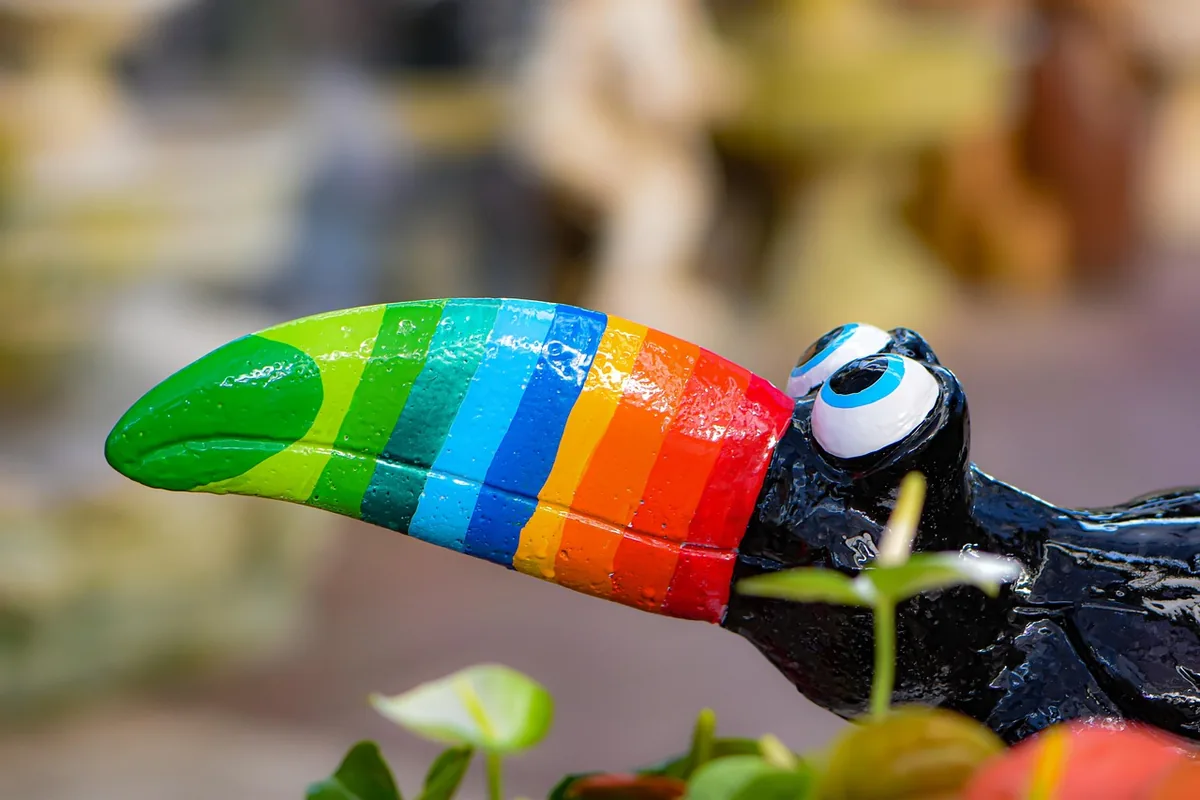
Building Your Bird's Dream Play Gym on a Budget
Your feathered friend deserves an amazing play area, but commercial play gyms can cost hundreds of dollars. Here's the thing — you can build a fantastic, safe, and enriching play gym for under $50 that your bird will absolutely love. In our experience boarding over 1,000 birds, we've seen how much parrots thrive when they have varied, engaging spaces to explore.
The best part? This DIY approach lets you customize everything to your bird's specific needs and preferences. Whether you have a tiny budgie or a large macaw, we'll walk you through creating the perfect play space that's both budget-friendly and bird-safe.
Essential Materials You'll Need
Building a safe play gym starts with choosing the right materials. Here's your complete shopping list with approximate costs:
Base Structure
- PVC pipe (1-inch diameter): 10 feet - $8
- PVC elbows and T-joints: 6 pieces - $6
- Stainless steel bolts and washers: $10
- Natural wood branches: Free (collected) or $15 (purchased)
Enrichment Additions
- Sisal rope (untreated): 25 feet - $8
- Stainless steel cups: 2-3 pieces - $12
- Natural wood perches: $5
- Untreated leather strips: $3
Total estimated cost: $45-50
Important: Never use galvanized or zinc-coated hardware around birds. Zinc is toxic to parrots and can cause serious health issues. Always choose stainless steel hardware.
Tools You'll Have on Hand
The good news is you probably already own most of these tools:
- Drill with various bit sizes
- Hacksaw or PVC pipe cutter
- Sandpaper (medium and fine grit)
- Measuring tape
- Pencil for marking
- Wire cutters
- Screwdriver
Step-by-Step Building Instructions
Step 1: Design Your Base Frame
Start by cutting your PVC pipe into these pieces:
- 4 pieces at 12 inches (legs)
- 4 pieces at 18 inches (base frame)
- 2 pieces at 24 inches (top supports)
Connect the base using your T-joints and elbows to create a stable rectangular frame. The frame should measure approximately 18 x 24 inches — perfect for most tabletops.
Step 2: Prepare Your Natural Branches
This is where your play gym becomes special. Natural branches provide varied diameters and textures that keep your bird's feet healthy and engaged.
Pro Tip: Safe wood types include apple, birch, willow, and maple. Avoid cedar, pine, cherry, and any wood treated with chemicals. When in doubt, purchase bird-safe branches from a pet store.
Clean your branches thoroughly:
- Scrub with a stiff brush and water
- Bake in a 200°F oven for 2 hours to eliminate bacteria
- Sand any rough spots smooth
- Let cool completely before use
Step 3: Create Perching Areas
Drill holes through your top PVC supports to accommodate your branches. Make the holes slightly smaller than your branch diameter for a snug fit. Insert branches at various heights and angles to create an interesting landscape for your bird to navigate.
Secure branches with stainless steel bolts if needed, but many will fit snugly without additional hardware.
Step 4: Add Vertical Elements
Wrap sections of your PVC frame with sisal rope to create climbing opportunities. Start at the bottom and work your way up, securing the rope with small stainless steel screws every few inches.
Warning: Check rope regularly for fraying or loose fibers that could entangle your bird's feet or neck.
Sizing for Different Bird Species
Your play gym dimensions should match your bird's size and activity level:
Small Birds (Budgies, Cockatiels, Lovebirds)
- Base: 18 x 24 inches
- Height: 18-20 inches
- Perch diameter: 0.5-0.75 inches
Medium Birds (Conures, Small Cockatoos, Caiques)
- Base: 24 x 30 inches
- Height: 24-28 inches
- Perch diameter: 0.75-1.25 inches
Large Birds (Macaws, Large Cockatoos, African Greys)
- Base: 30 x 36 inches
- Height: 36-42 inches
- Perch diameter: 1.5-2.5 inches
Creating Enrichment Stations
Now for the fun part — adding activities that will keep your bird mentally stimulated and physically active.
Foraging Station
Drill holes in a small piece of wood and stuff them with treats wrapped in paper. Your bird will love working to extract their rewards.
Food and Water Cups
Mount stainless steel cups at different heights using cup holders designed for bird cages. This encourages your bird to move around while eating and drinking.
Toy Attachment Points
Install stainless steel hooks or eye bolts at various locations to rotate toys regularly. We see this often at BST — birds that have access to varied, rotating toys show much more engagement and less destructive behavior.
Swing Area
Create a simple swing using a natural wood perch and rope. Hang it from your top frame for added movement and fun.
Safety Considerations
Building a safe play gym requires attention to detail:
- Spacing: Ensure gaps between bars are appropriate for your bird's size — not so large they could get stuck, not so small they can't navigate comfortably
- Hardware: Double-check that all bolts and screws are stainless steel and properly tightened
- Stability: Your gym should never wobble or tip when your bird lands on it
- Sharp edges: Sand any rough spots that could injure delicate feet
Pro Tip: Test your completed gym's stability by gently pushing and pulling on all sections before introducing your bird.
Maintenance and Cleaning
Keeping your DIY play gym clean ensures your bird's health and extends the gym's life:
Daily Maintenance
- Remove uneaten food and clean food cups
- Spot-clean any droppings with bird-safe cleaner
- Check for damaged ropes or loose hardware
Weekly Deep Clean
- Disassemble removable parts
- Wash PVC components with warm, soapy water
- Scrub natural wood with a stiff brush
- Replace any worn rope or damaged elements
Monthly Inspection
- Check all connections and hardware
- Sand and re-treat wood if necessary
- Rotate toy attachment points to prevent wear
Customization Ideas
Make your play gym uniquely suited to your bird's personality:
- Shy birds: Add small hideaways using natural materials
- Active climbers: Include more rope elements and varied branch angles
- Foragers: Create multiple hiding spots and puzzle feeders
- Social birds: Design perching areas where they can interact with family members
Final Thoughts
Building your own parrot play gym is incredibly rewarding — both for your wallet and your bird's wellbeing. In our experience, birds often prefer these custom-built gyms over expensive commercial versions because they're designed specifically for their needs and preferences.
Remember, the best play gym is one that grows and changes with your bird. Start with this basic design and add elements over time as you learn what your feathered friend enjoys most. Your bird will thank you with hours of happy, healthy play, and you'll have the satisfaction of creating something amazing with your own hands.
The key is starting simple and building from there. Once you see how much your bird loves their new play space, you'll probably find yourself planning the next addition before you know it.
Explore related topics
Related Articles
Building Natural Branch Perches: A Step-by-Step Guide
Natural branches are the best perches — varied diameter, texture, and chewing opportunity. Here's how to prepare them safely.
15 DIY Bird Toys from Dollar Store Items
You don't need expensive pet store toys. These 15 DIY toys cost under $2 each and your bird will love them.
How Music Affects Parrots: What to Play and What to Avoid
Parrots have genuine musical preferences. The right music can calm, stimulate, and enrich your bird's day.