Meeting the Emotional Needs of Parrots
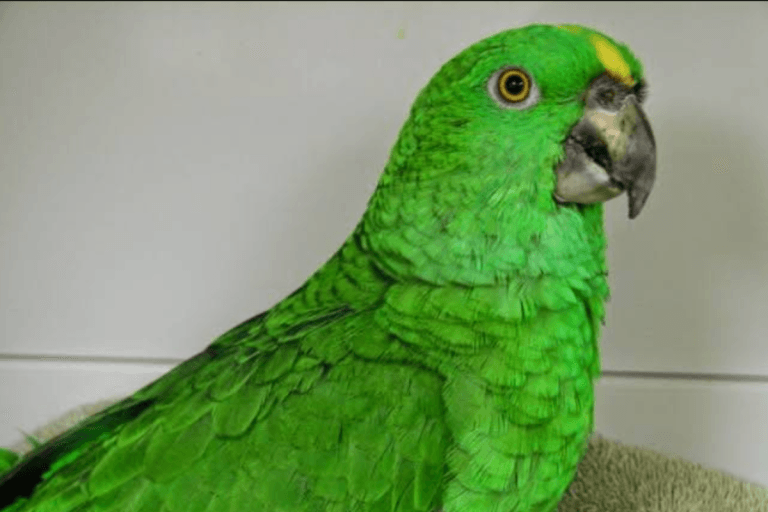
Parrots are often described as having the emotional and cognitive maturity of a two- to three-year-old child. We would never lock a toddler alone in a room for hours a day, strip away every chance for connection, challenge, and comfort, and then expect them to grow into a healthy, confident person. Your parrot is no different. Beneath the feathers is a sensitive, intelligent, socially wired animal whose mental health matters just as much as its physical health.
At Bird Sitting Toronto, where we board hundreds of birds every year, the calmest, most resilient guests are almost always the ones whose owners have built emotional wellbeing into daily life. The screamers, the pluckers, and the fearful biters are frequently birds whose bodies are cared for but whose minds and hearts have been left idle. The good news: emotional needs are learnable, and most of them cost nothing but attention and a little structure.
Why Emotional Health Matters as Much as Physical Health
A parrot in emotional distress does not simply "act out." Chronic boredom, loneliness, and lack of control are among the most common drivers of the behavioural problems avian veterinarians see every day: incessant screaming, aggression, and feather-destructive behaviour (plucking). The Merck Veterinary Manual and the Association of Avian Veterinarians both stress that these behaviours are usually symptoms of an unmet need or an underlying medical issue, not "bad" birds being difficult.
The species we keep are only a few generations removed from the wild. Their instincts for flock life, foraging, and constant problem-solving are fully intact. When captivity fails to give those instincts an outlet, the pressure has to go somewhere, and it usually shows up as a behaviour we do not like.
Signs of an Emotionally Healthy Parrot
A thriving bird tends to:
- Form a strong bond and sense of belonging with its human flock
- Show self-confidence and low fearfulness in familiar surroundings
- Act outgoing, curious, playful, and physically active
- Eat, forage, and preen normally, with smooth, well-kept feathers
- Adapt to new toys, foods, people, and situations without prolonged panic
The Four Core Emotional Needs
Almost everything a parrot needs emotionally falls into four buckets. Cover all four consistently and the vast majority of behaviour problems either never appear or quietly resolve.
1. Social Connection
Parrots are flock animals, hardwired for companionship. In the wild they are rarely more than a wingbeat from a flockmate, and in your home you and your family become that flock. Regular, positive interaction with their people is not a luxury; it is a biological need on par with food and water.
Connection does not have to mean constant hands-on cuddling. Talking to your bird while you cook, letting it hang out on a play stand in the room you are in, sharing a "flock meal," and offering a few short, upbeat training sessions all count. What matters is predictable, warm contact woven through the day.
Warning: Avoid letting your parrot bond exclusively with one person. A bird that only tolerates a single human becomes anxious and often aggressive when that person is away, travelling, or unwell. Have every willing member of the household offer treats, training, and gentle handling so your bird sees the whole flock as safe. This also makes boarding, vet visits, and emergencies far less stressful.
2. Mental Stimulation
Parrot intelligence is extraordinary. Dr. Irene Pepperberg's decades of work with Alex, an African grey, demonstrated that parrots can grasp concepts such as colour, shape, number, and "same versus different," rivalling the cognition of a young child. A mind built for that kind of problem-solving cannot sit in an empty cage without consequences.
Give that brain a job every day:
- Foraging: Make your bird work a little for its food. Wrap pellets in paper, tuck chopped vegetables into a foraging toy, or scatter portions so eating becomes a puzzle rather than a bowl. In the wild, foraging fills much of a parrot's waking hours.
- Training: Short, reward-based sessions teaching step-up, targeting, recall, or simple tricks are mentally tiring in the best way and deepen your bond.
- Toys and puzzles: Offer shreddable, manipulable, and puzzle-style toys, and rotate them regularly so novelty does not wear off.
- Exploration: Supervised time on a play gym or safe, bird-proofed room lets your parrot investigate, climb, and make decisions.
Tip: Rotate your bird's toys every one to two weeks rather than leaving the same set out permanently. Parrots habituate quickly, and a "new" toy is often just an old one that spent a fortnight in a drawer. Keep a rotating bin so fresh enrichment costs you nothing.
3. Choice and Control
In the wild, a parrot decides everything: what to eat, where to fly, who to preen, when to rest. Captivity strips most of that autonomy away, and the loss of control is itself a source of stress. Giving even small choices back has an outsized calming effect.
Let your bird choose which toy to destroy first, whether to step up now or in a minute, which treat to take, or which perch to nap on. Read and respect body language: a bird that leans away, pins its eyes, or fluffs and turns its back is saying "not now." Honouring that "no" builds trust, and a bird that trusts you is a bird that cooperates. Force-based handling does the opposite, teaching your parrot that its signals do not matter and that hands are to be feared.
4. Security and Rest
Emotional stability rests on a foundation of physical security: a stable routine, a safe cage placed against a wall rather than marooned in the middle of a room, and enough undisturbed sleep. Sleep is the need owners most often overlook.
Avian veterinary consensus is that most parrots need roughly 10 to 12 hours of dark, quiet sleep each night. A bird kept up under bright lights and TV noise until midnight is chronically sleep-deprived, and sleep deprivation in parrots is closely linked to irritability, screaming, hormonal behaviour, and feather plucking. In a busy Toronto household, the simplest fix is often a dedicated sleep cage in a spare, quiet, dark room, or a breathable cage cover and a consistent "lights out" time.
Tip: When life gets hectic and you cannot give your usual hours of attention, protect two things above all else: your bird's sleep schedule and a few minutes of genuine one-on-one connection. Those two anchors carry a parrot through a busy week far better than sporadic bursts of guilt-driven attention.
A Quick-Reference Routine
Use this as a starting framework and adjust to your bird and your schedule.
| Emotional need | Daily or weekly habit | Problem it helps prevent |
|---|---|---|
| Social connection | Out-of-cage flock time and a short training session most days | Screaming, one-person bonding, separation anxiety |
| Mental stimulation | Foraging for at least one meal; puzzle or shredding toys | Boredom, feather plucking, destructiveness |
| Choice and control | Offer choices; respect "no" body language | Biting, fear, learned helplessness |
| Security and rest | 10 to 12 hours dark sleep; stable cage placement and routine | Hormonal aggression, irritability, plucking |
When to Call an Avian Vet
Parrots are prey animals, and they instinctively mask illness until they are seriously unwell, so a sudden behaviour change deserves attention rather than dismissal. Book an avian veterinary exam if you notice new or worsening feather plucking or self-mutilation, a lasting drop in appetite or activity, unexplained aggression or fearfulness, or any change in droppings, breathing, or weight.
The reason is simple: what looks like an emotional problem can have a medical root, and what looks medical can be behavioural. Feather-destructive behaviour, for example, can stem from pain, skin disease, hormones, or psychological distress, and only a qualified avian vet can tease those apart. If you are in the Greater Toronto Area, keep the number of an avian-experienced clinic handy before you need it.
The Bottom Line
Meeting your parrot's emotional needs is not about grand gestures. It is about weaving connection, mental challenge, choice, and secure rest into ordinary days, and reading the bird in front of you. Do that consistently and you will not just prevent problems, you will share your home with a confident, affectionate, genuinely happy companion who can thrive in a human world it never evolved for.
Explore related topics
Related Articles
Nurturing Independence in Pet Parrots: Why It Matters
A parrot that can entertain itself is a calmer, happier, more resilient bird. Here is how to nurture healthy independence through choice, enrichment, and foraging, so your companion thrives whether you are in the room or away.
Adopting an Older Parrot: What to Expect and How to Succeed
Older parrots make incredible companions but come with established personalities and sometimes baggage. Here's how to thrive together.
The 20 Biggest Mistakes New Bird Owners Make
We all make mistakes as new bird owners. Here are the 20 most common — and how to avoid them.