Why Foraging Matters for Your Pet Parrot’s Health and Happiness
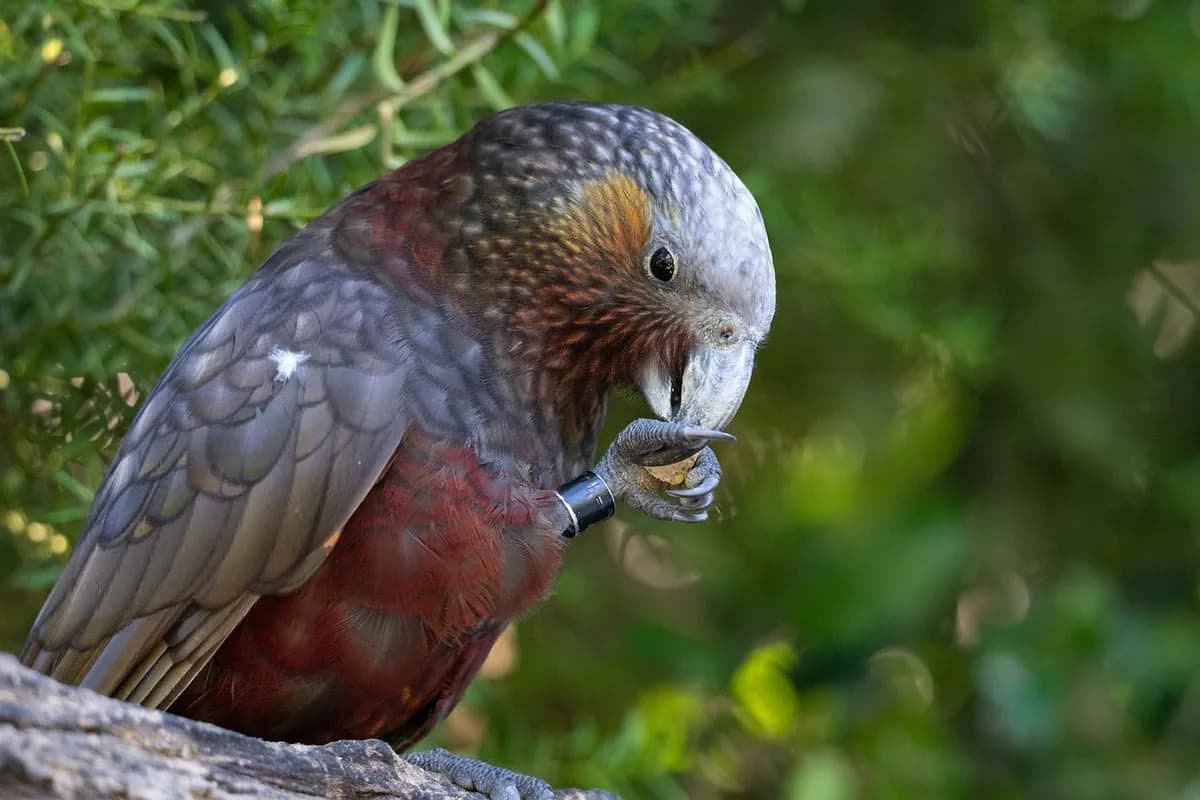
If you have ever watched a wild parrot, you have watched a bird at work. It climbs, tears, cracks, and digs for hours. That effort is not a hardship to be spared — it is the very thing that keeps a parrot's mind and body sound. When we bring parrots into our homes and set food in a bowl, we often remove the single most demanding, satisfying activity of their day. Foraging is how you give it back. At Bird Sitting Toronto, where we board hundreds of birds every year, the calmest, best-adjusted guests are almost always the ones whose owners have made food something to be earned.
What Foraging Looks Like in the Wild
In the wild, parrots may spend well over half of their waking hours searching for food. Once found, that food is rarely ready to eat — it must be peeled, cracked, dug out, or shredded free of a husk. A single meal can involve climbing to a branch tip, manipulating a seed pod with one foot, and working the shell with the beak and tongue. This constant problem-solving keeps a wild parrot physically busy and mentally sharp from sunrise to dusk.
A food bowl in a cage collapses that whole rich process into ten easy minutes. The bird eats, and then faces a long, empty day with nothing left to do. Understanding how parrots take in their world helps explain why this matters so much — learn more about Parrot Senses and how they interact with their environment.
Why a Lack of Foraging Leads to Problems
Parrots are among the most intelligent animals a person can keep, and intelligence without a job to do turns into stress. Without daily challenges, a captive parrot quickly becomes bored, and boredom is fertile ground for abnormal behaviour: relentless screaming, pacing and route-tracing along a perch, stereotypic head-swinging, and — most seriously — feather-plucking or self-mutilation.
Feather destruction is one of the most common reasons parrots are surrendered or rehomed, and avian veterinary consensus links much of it to inadequate mental stimulation in an otherwise healthy bird. Foraging attacks the problem at its root by giving the bird something meaningful to do with the hours it would otherwise spend frustrated. Our guide on Reducing Stress covers this in more depth.
Tip: Foraging is a skill, not an instinct switch you can flip. A bird raised on a bowl may not understand that food is hidden inside a toy. Start easy and obvious, then make it harder as your parrot catches on — the goal is a bird that succeeds and comes back for more, not one that gives up.
The Science Behind Foraging Behaviour
There is a well-documented phenomenon in animal behaviour called contrafreeloading: given a choice between food that is free and identical food that requires effort, many animals — parrots included — will choose to work for it. Behavioural research on captive psittacines, including the enrichment and abnormal-behaviour studies led by C. L. Meehan at the University of California, Davis, points the same direction: enriched, foraging-rich environments are associated with fewer stereotypies and less feather damage than barren ones.
The takeaway is not that your bird is being difficult when it ignores an easy meal. It is that working for food is part of what a parrot is. Providing foraging opportunities gives the day purpose and encourages physical activity, problem-solving, and play — all of which support Parrot Health and overall well-being.
Feeding the Right Foods to Forage For
Foraging works best when it is built on a sound diet. For most parrots, that means a base of roughly 75–80% quality pellets, about 20–25% fresh, vegetable-forward foods (leafy greens, squash, peppers, sprouted seeds), and only around 5% seeds, nuts, and dried fruit as treats. That small treat allowance is your foraging currency: use those high-value morsels as the reward hidden inside toys, and reserve the everyday pellets and veg for the bowl until your bird is a confident forager.
A few birds are exceptions to the pellet rule. Lorikeets need a specialized nectar diet rather than pellets and should avoid high-iron foods; eclectus parrots are sensitive to additives and do best on a whole-food, veg-forward diet; finches and canaries can keep a quality seed mix as a staple alongside greens and egg food. Budgies and cockatiels should still be mostly pellets, but convert slowly — lean on veg and sprouts as you transition.
Warning: Some foods are dangerous and must never be used in a foraging toy or the bowl. Avoid avocado (persin), chocolate (theobromine), caffeine, alcohol, onion and garlic, fruit pits and apple seeds (cyanogenic), excess salt, uncooked (dried) beans, and mushrooms. And skip grit: hookbilled parrots do not need it, and swallowing it can cause a life-threatening crop or gut impaction.
Types of Foraging Toys and Devices
There is a wide range of foraging tools, and the best cage uses a mix so the bird has to think differently at different stations. These tools all encourage a parrot to use its beak, feet, and brain — just like in the wild.
| Type | How it works | Best for |
|---|---|---|
| Destructible toys | Paper, cardboard, palm, and softwood the bird shreds to reach a hidden treat | Beginners; birds that love to chew |
| Mechanical / puzzle toys | Lids, sliders, wheels, and drawers the bird must open or spin | Intermediate to advanced foragers |
| Treat and nut cages | A stainless "cage" around a nut or foraging block the bird works to extract | Persistent chewers; slowing down fast eaters |
| Skewers | Chunks of veg and fruit threaded on a stainless skewer | Introducing fresh foods and vertical foraging |
| DIY foraging boxes | Small boxes or muffin tins with hidden compartments and paper cover | Cheap, endlessly variable enrichment |
Rotate toys every few days so novelty does not wear off, and keep everything clean between uses — see our notes on Clean Toys and cage accessories.
How to Start Foraging: A Four-Step Plan
You cannot simply lock a naive bird's food inside a puzzle and walk away — that is how a parrot learns to give up (or, worse, goes hungry). Teach it in stages instead.
- Make it visible. Loosely wrap a favourite treat in a single sheet of paper, or set it on top of a shallow, uncovered dish, so the bird sees the reward and only has to touch it. Let your parrot win easily for a few days.
- Add one layer of difficulty. Now cover the treat: crumple the paper closed, add a lid it can nudge aside, or place food in an obvious destructible toy. The bird should still succeed within a minute or two.
- Spread it out. Once your parrot forages confidently at one spot, add two or three foraging stations around the cage and aviary so it has to move, climb, and search rather than sit in one place.
- Raise the challenge and keep it varied. Introduce mechanical puzzles, wrap treats in more layers, and rotate which toys are in play. Never make every meal a puzzle at once — keep reliable food available until foraging is second nature.
Warning: If a well-enriched bird suddenly starts plucking, or plucks a single focused patch, treat it as medical until proven otherwise. Skin infection, mites, pain, nutritional deficiency, and hormonal or organ disease can all cause feather loss. Foraging prevents boredom-driven plucking; it is not a substitute for an avian-vet workup.
Conclusion: Enriching Your Bird’s Day, the Natural Way
Adding foraging to your parrot's routine is one of the highest-value, lowest-cost things you can do for its welfare. It supports mental health, drives physical activity, reduces boredom, heads off destructive behaviours, and lets your bird live a fuller, more natural life. Start easy, keep it varied, build it on a good diet, and let your parrot do what parrots are built to do — work for the good stuff. And for the unexpected, keep our First Aid tips for birds close at hand.
Explore related topics
Related Articles
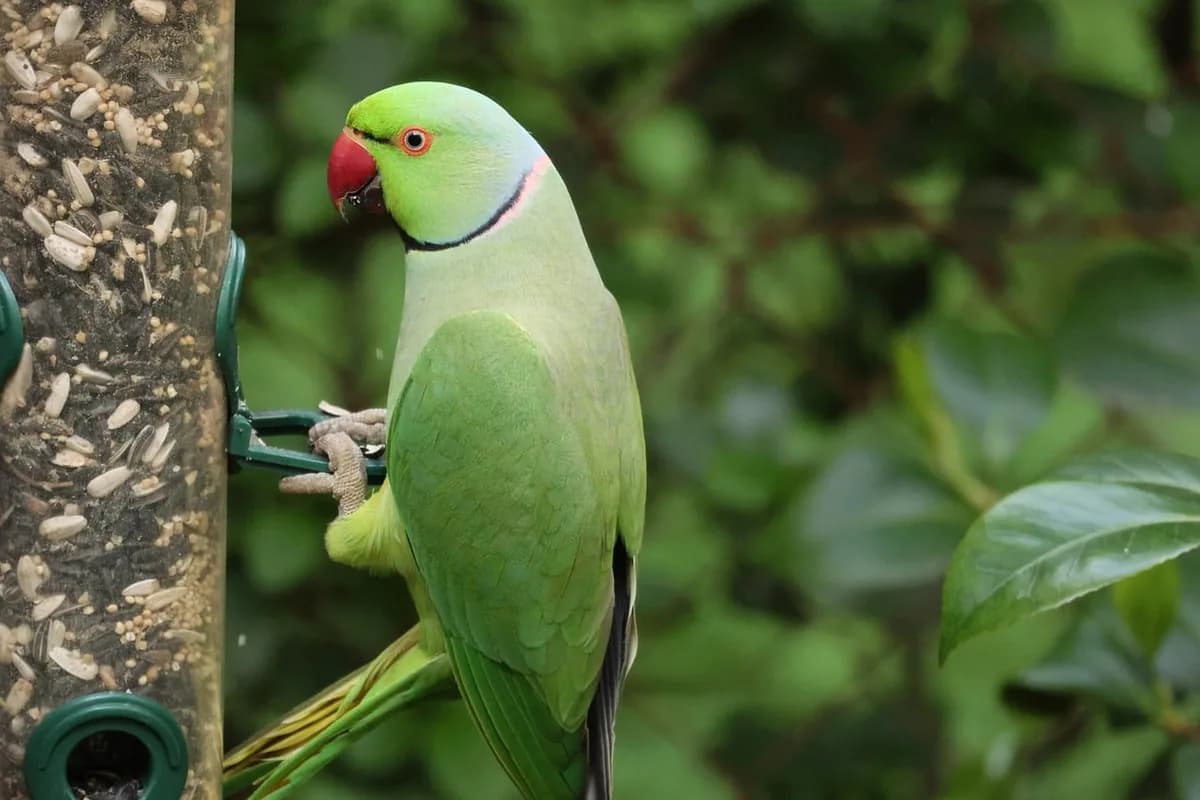
How to Create a Foraging Wall for Your Parrot
A foraging wall transforms a boring cage wall into hours of enrichment. Here's how to build one.
How to Create an Engaging Foraging Experience for Your Pet Bird
A step-by-step guide to turning your parrot's mealtime into a foraging adventure — why it matters, how to introduce it gradually, safe homemade tools and puzzle toys, and a table of creative ideas that keep a curious, food-motivated bird busy.
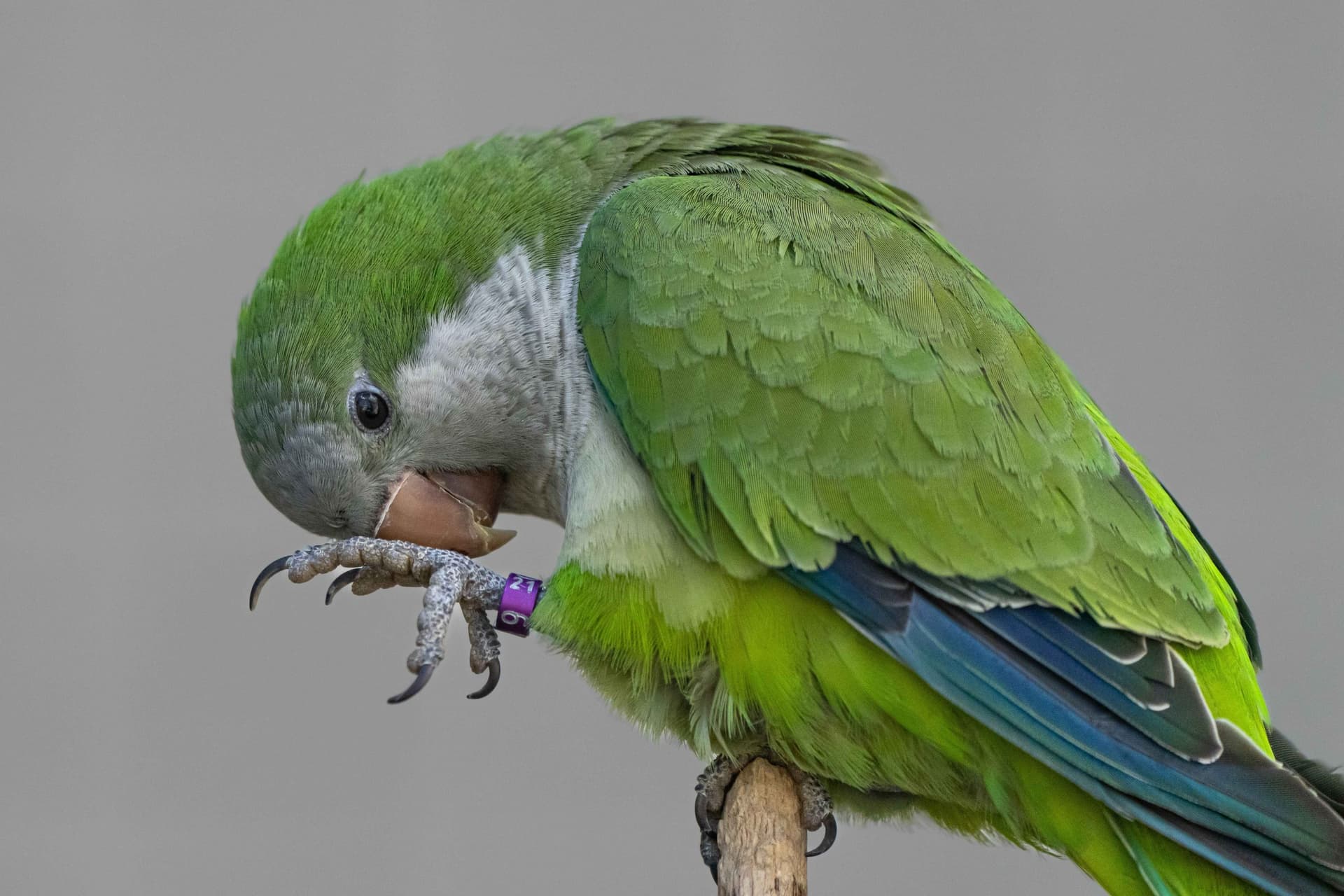
10 DIY Foraging Toys You Can Make at Home Today
Save money and enrich your parrot's life with these easy DIY foraging toys made from household items.