Why Security Matters for Parrots: Reducing Stress and Building Trust
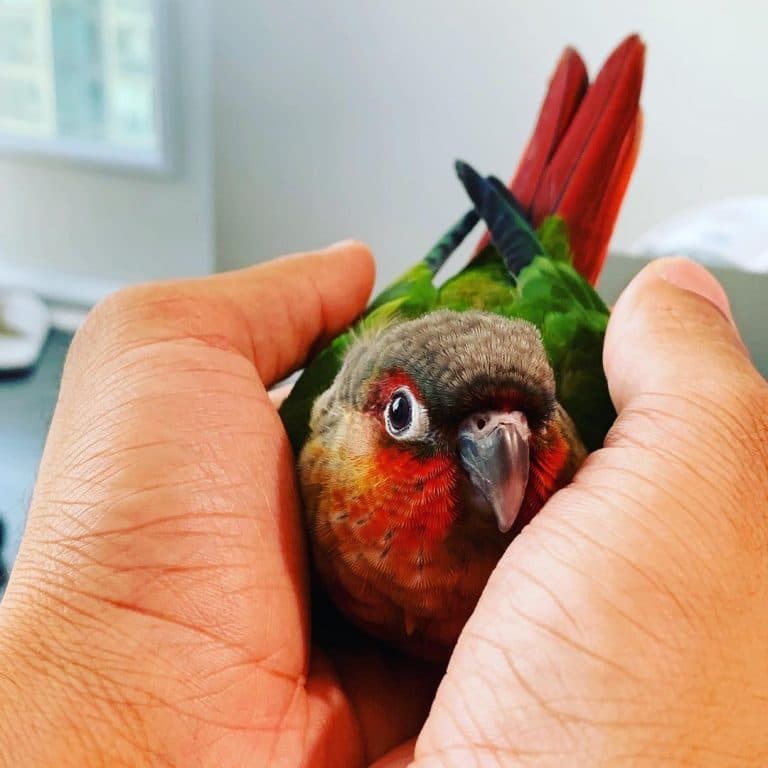
Why a Parrot's Sense of Safety Comes First
Security is not a luxury for a parrot—it is the foundation everything else is built on. A bird that does not feel safe lives in a low-grade, constant state of stress, and chronic stress sits behind the very behaviors owners struggle with most: feather plucking, relentless screaming, and biting. Avian veterinary consensus, reflected in both the Merck Veterinary Manual and guidance from the Association of Avian Veterinarians, holds that feather-damaging behavior is far more often rooted in psychological and environmental stressors than in anything medical. Get the sense of safety right, and a surprising number of "behavior problems" quietly resolve on their own.
At Bird Sitting Toronto, where we board hundreds of birds every year, the calmest, easiest guests are almost always the ones whose owners have already taught them that the world is predictable and non-threatening. That skill is learnable—for the bird and for you. Our companion guide on reducing stress in pet parrots goes deeper on the day-to-day mechanics.
Even birds raised entirely in human homes keep their wild instincts fully intact. Generations of captivity have not dialed down the survival wiring; your parrot still reads the room the way its ancestors read the rainforest.
Parrots Are Prey Animals—Always on Alert
In the wild, parrots are hunted by hawks, falcons, and snakes. That pressure produced an animal that is hyper-aware of its surroundings, especially of anything moving suddenly, looming from above, or approaching from behind. What looks to us like an overreaction is, to your bird, a perfectly calibrated response to a possible predator.
A few ordinary household objects your parrot may read as genuine threats:
- A vacuum cleaner hose that resembles a snake.
- A drifting helium balloon that reads as a raptor overhead.
- A hand or arm reaching quickly toward or over the cage.
- A new person leaning in from above the bird's eye line.
Your parrot is hardwired to stay cautious around the clock, so part of the job of feeling safe falls to you. The flock instincts underneath this are worth understanding too—see flock life and parrot security.
Tip: Approach from the front and slightly below your bird's eye level, and let your hand come in slowly and horizontally rather than swooping down. Predators come from above; friends do not.
How to Support Your Bird's Sense of Security
Read the Body Language and Adjust
Your bird tells you it feels unsafe long before it bites. Pinned eyes, a slicked-down body, leaning away, a raised foot, or sudden silence all signal alarm. When you see it, identify the trigger and reduce or remove it rather than pushing through. Responding to those early signals is how trust is built—it teaches your parrot that you are listening.
Don't Force It
Never force an interaction or expose a nervous bird to an unnecessary stressor to "get it used to" something. Flooding a prey animal with fear does the opposite of desensitizing it. Offer calm, quiet reassurance instead, and let the bird set the pace of every approach.
Keep the Flock Close
Parrots are profoundly social. In the wild they eat, fly, preen, and roost in groups, and companion parrots transfer that need onto their human "flock." VCA Animal Hospitals and Lafeber both emphasize that companion parrots need daily social contact and mental engagement to stay psychologically healthy; isolation reliably breeds anxiety, and boredom is a leading driver of plucking and screaming. Regular, predictable interaction is one of the strongest security signals you can give. Our guide on recognizing when a bird is sick covers the physical red flags that stress can mask.
Place the Cage Thoughtfully
Where the cage sits shapes how safe your bird feels all day long. The goal is a spot with a clear view of the room, a solid surface at the bird's back, and no surprises from above or behind.
| Do | Avoid |
|---|---|
| Put at least one side of the cage against a solid wall | Marooning the cage in the middle of a room |
| Choose a corner with sightlines to the room's entrance | Positioning where people approach from behind |
| Keep the cage at roughly chest-to-eye height | Placing directly under a ceiling fan or vent |
| Allow indirect natural light | Full-time placement flush against a large window |
Warning: A cage in front of a large window with no covered side can leave a bird feeling exposed to "predators" outside all day. Give it at least one shaded or walled edge to retreat toward.
Build In Private Retreats
Give your parrot a way to say "I'm off duty." A partial cage cover, a corner clustered with toys, a favored high perch, or a well-designed bird tent creates a place to rest and decompress. If you use a fabric hut or tent, inspect it often—loose threads and frayed fabric are an ingestion and toe-entanglement hazard. Keep our bird first-aid guide handy for exactly these small emergencies.
Make Life Predictable
Birds feel most in control when the day has a shape. Consistent times for feeding, out-of-cage play, and—crucially—sleep do a great deal of the security work for you. Most parrots need roughly 10 to 12 hours of quiet, dark sleep per night; a chronically short-changed, over-stimulated bird is a stressed bird. Small rituals help too. A morning greeting and a spoken goodbye before you leave turn your comings and goings into something the bird can anticipate rather than fear.
Grow Confidence Through Gentle Change
A bird that never meets anything new becomes fragile; a bird gently and positively exposed to novelty becomes resilient. Rotate toys, vary safe fresh foods, rearrange perches occasionally, and introduce new people in calm, low-pressure settings. Keep every exposure short and success-shaped—end while the bird is still comfortable. That flexibility pays off enormously when real change arrives: a move, a vet trip, travel, or a boarding stay. For enrichment and hygiene ideas that keep this variety safe, see our guide on keeping your parrot healthy and thriving.
The Bottom Line: Safety Builds Trust
Helping your parrot feel secure is about far more than physical protection—it is about emotional stability. When a bird trusts its environment and feels genuinely part of its flock (that's you), it eats better, plays more, vocalizes less anxiously, and adapts to life's disruptions with grace. Security is the quiet groundwork beneath every well-adjusted parrot, and it is built one predictable, gentle, respectful day at a time.
Explore related topics
Related Articles

Natural Wood for Parrots: A Complete Safe Wood Guide
Natural wood is the best enrichment for a parrot's chewing instinct. But not all wood is safe. Here's your complete guide.
How to Encourage Healthy Chewing in Parrots
Chewing is not a bad habit in parrots — it is a biological need that maintains the beak, burns energy, and keeps the mind busy. Here is how to redirect it onto safe materials, start a reluctant chewer, and avoid the woods and hardware that can harm your bird.

Safe Chewing Materials for Parrots
Chewing is a hardwired parrot instinct, not a bad habit. This guide covers the safest woods, shreddables, ropes and leather to offer, the heavy metals and treated materials that can poison a bird, why hookbills should never be given grit, and how to rotate it all so your parrot stays busy and your furniture stays intact.