15 DIY Bird Toys from Dollar Store Items
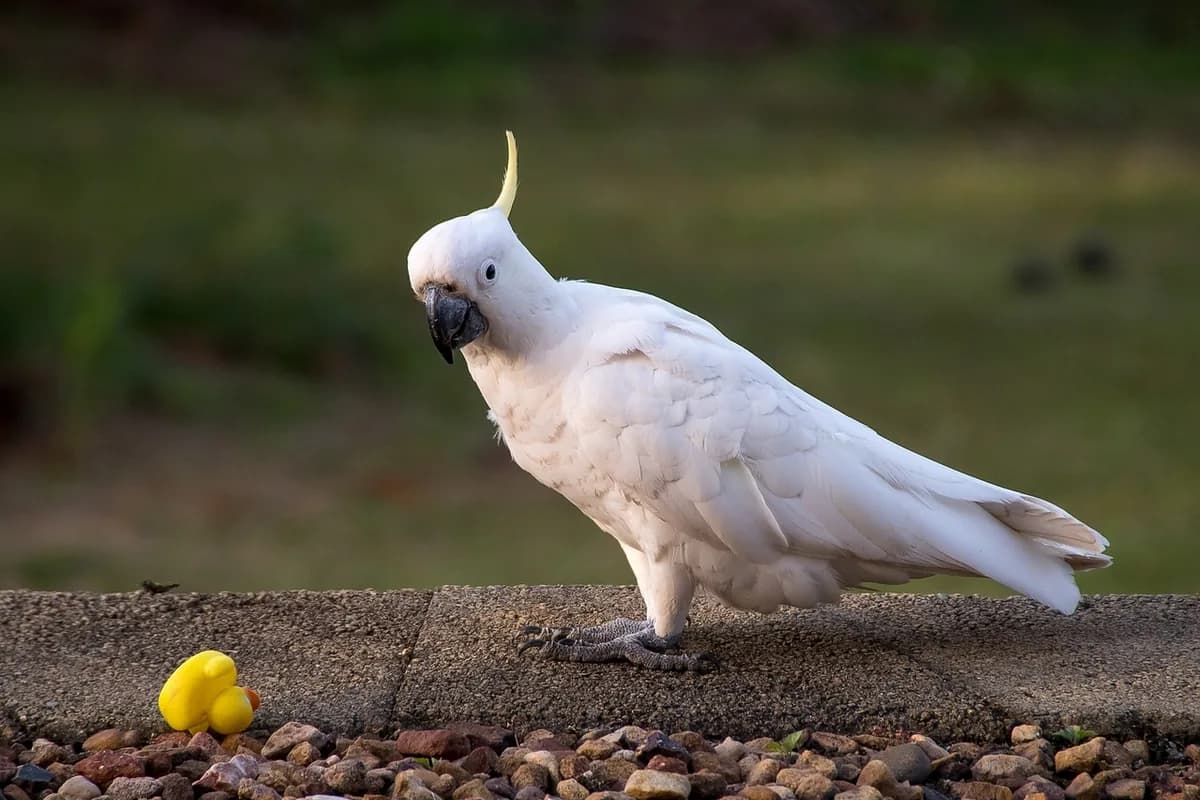
Budget-Friendly Bird Enrichment: Creating Engaging Toys from Dollar Store Finds
Creating enriching toys for your feathered friend doesn't require expensive pet store purchases or complicated crafting skills. At Bird Sitting Toronto, we've seen countless birds thrive with simple, homemade toys that cost just pennies to make. Your local dollar store is a treasure trove of bird-safe materials that can be transformed into engaging, stimulating toys that will keep your bird happy and mentally active.
The key to successful DIY bird toys lies in understanding what makes them appealing to our avian companions: different textures to explore, foraging opportunities that mimic natural behaviors, and materials they can safely shred and manipulate. With a few basic safety guidelines and some creativity, you can create a rotating collection of toys that will prevent boredom and encourage natural behaviors.
Safety First: Always supervise your bird with new toys initially. Remove any toy that becomes damaged or worn to prevent ingestion of small parts.
Essential Safety Guidelines for DIY Bird Toys
Before diving into our toy projects, let's establish crucial safety parameters. Never use galvanized metal, lead-based paints, or treated wood. Avoid anything with small parts that could be swallowed, sharp edges, or toxic materials like certain plastics marked with recycling codes 3, 6, or 7.
Safe materials include untreated wood, natural fibers like cotton and sisal, stainless steel hardware, and food-grade plastics. When in doubt, research the material thoroughly or consult with an avian veterinarian.
15 Creative DIY Bird Toy Projects
1. Paper Cup Foraging Tower
Materials: 3-4 paper cups, bird-safe treats, hole punch Cost: Under $1.00 Best for: Small to medium birds (cockatiels, conures, small parrots) Difficulty: Easy
Stack paper cups with treats hidden between layers. Punch holes around the cups to create peek-a-boo openings. Your bird will love working to access the hidden treasures while shredding the cups in the process.
2. Natural Straw Bundle
Materials: Natural wheat straws (not plastic), cotton string Cost: $1.50 Best for: All bird sizes Difficulty: Easy to moderate
Bundle 10-15 straws together with cotton string. Hang at varying heights to encourage climbing and exploration. The hollow straws provide interesting textures and hiding spots for small treats.
3. Wooden Spoon Perch Toy
Materials: Wooden spoons, drill, cotton rope Cost: $2.00 Best for: Medium to large birds (African greys, macaws, cockatoos) Difficulty: Moderate
Drill holes through spoon handles and thread with cotton rope to create a climbing chain. The varying widths provide excellent foot exercise, and the wood is perfect for beak conditioning.
4. Basket Weave Foraging Mat
Materials: Paper plates, scissors, treats Cost: $1.00 Best for: Ground-foraging birds (cockatiels, budgies) Difficulty: Easy
Cut paper plates into strips, leaving them attached at one end. Weave strips together to create a mat with pockets. Hide treats throughout for extended foraging fun.
5. Measuring Cup Treat Dispenser
Materials: Plastic measuring cups, drill, chain or rope Cost: $1.50 Best for: Medium birds (conures, small cockatoos) Difficulty: Easy
Drill holes in measuring cups and fill with treats. The cups swing and move as your bird works to extract goodies, providing both mental stimulation and physical exercise.
6. Paper Plate Shredding Station
Materials: Paper plates, hole punch, cotton string Cost: Under $1.00 Best for: All birds Difficulty: Easy
Layer multiple paper plates with treats sprinkled between. Punch holes and thread with string for hanging. This satisfies the natural urge to shred while providing foraging opportunities.
7. Popsicle Stick Ladder Bridge
Materials: Wooden popsicle sticks, non-toxic glue Cost: $1.00 Best for: Small to medium birds Difficulty: Moderate
Glue popsicle sticks together to form ladder rungs and sides. This creates an excellent climbing structure that also serves as a bridge between perches.
8. Cupcake Liner Surprise Cups
Materials: Paper cupcake liners, small treats Cost: Under $1.00 Best for: Small birds (budgies, cockatiels, lovebirds) Difficulty: Easy
Nest cupcake liners inside each other with treats hidden between layers. The crinkly texture and hidden rewards provide excellent enrichment for smaller species.
9. Vegetable Brush Foot Toy
Materials: Natural bristle vegetable brush Cost: $1.00 Best for: Medium to large birds Difficulty: Easy (supervision required)
Remove any metal parts and ensure bristles are securely attached. The varied textures provide excellent foot stimulation and beak conditioning opportunities.
10. Plastic Chain Link Climber
Materials: Bird-safe plastic chain, clips Cost: $2.00 Best for: All bird sizes Difficulty: Easy
Create climbing structures by connecting plastic chain segments. Vary the lengths and add safe clips for hanging treats or other small toys.
11. Wooden Clothespin Puzzle Toy
Materials: Wooden clothespins (spring-type), cotton rope Cost: $1.50 Best for: Medium birds with good dexterity Difficulty: Moderate to challenging
Thread clothespins onto rope, creating a manipulative toy that challenges your bird's problem-solving skills. Hide treats in the clothespin mechanisms for added interest.
12. Paper Bag Foraging Surprise
Materials: Small paper bags, treats, cotton string Cost: Under $1.00 Best for: All bird sizes Difficulty: Easy
Fill small paper bags with treats and tie closed with cotton string. Your bird will enjoy working to open the bags and discover the contents.
13. Muffin Tin Foraging Board
Materials: Paper muffin tin, paper cupcake liners, treats Cost: $1.50 Best for: Ground-foraging birds Difficulty: Easy to moderate
Place cupcake liners in muffin tin cups with treats hidden underneath. This mimics natural ground-foraging behaviors and provides extended engagement.
14. Cork Foot Toys
Materials: Natural wine corks, cotton string Cost: $1.00 Best for: All bird sizes Difficulty: Easy
Thread corks onto cotton string to create manipulative foot toys. The soft texture is perfect for beaks and feet, and corks can be safely chewed and destroyed.
15. Tissue Box Foraging Station
Materials: Empty tissue box, paper strips, treats Cost: Free (using empty box) Best for: Medium to large birds Difficulty: Easy
Fill an empty tissue box with paper strips and hidden treats. Your bird will love pulling out the contents and discovering surprises throughout.
Maximizing Toy Engagement
Rotate toys regularly to maintain interest. At Bird Sitting Toronto, we've observed that birds engage more actively with toys when they're presented in different configurations or locations. Consider your bird's natural behaviors when placing toys – ground foragers appreciate floor-level activities, while climbing species prefer elevated challenges.
Pro Tip: Introduce new toys gradually. Some birds are initially wary of unfamiliar objects, so place new toys near familiar perches before moving them to prime play locations.
Maintenance and Safety Monitoring
Inspect homemade toys daily for wear and damage. Replace any toy showing signs of deterioration that could create safety hazards. Most paper-based toys are designed to be destroyed and should be replaced once they've served their purpose.
Keep a rotation schedule to ensure your bird always has fresh, engaging options. Store unused toys in a clean, dry location to prevent mold or pest issues.
Final Thoughts
Creating DIY bird toys from dollar store materials offers an affordable way to provide continuous enrichment for your feathered companion. These simple projects not only save money but also allow you to customize toys specifically for your bird's preferences and behaviors. Remember that the best toy is one that engages your bird safely while encouraging natural behaviors like foraging, climbing, and manipulating objects. With these 15 projects in your repertoire, you'll never run short of creative, budget-friendly ways to keep your bird mentally stimulated and physically active. The key is observing what your bird enjoys most and building upon those preferences to create an ever-evolving collection of engaging, homemade enrichment tools.
Explore related topics
Related Articles
Building Natural Branch Perches: A Step-by-Step Guide
Natural branches are the best perches — varied diameter, texture, and chewing opportunity. Here's how to prepare them safely.
DIY Parrot Play Gym: How to Build an Amazing Play Area for Under $50
A play gym gives your parrot a dedicated out-of-cage space. Here's how to build one with safe, affordable materials.
How Music Affects Parrots: What to Play and What to Avoid
Parrots have genuine musical preferences. The right music can calm, stimulate, and enrich your bird's day.