Common Household Toxins That Are Deadly to Birds
The Hidden Dangers Lurking in Your Home
Your home should be a safe haven for your feathered friend, but unfortunately, many common household items can be deadly to birds. What's particularly scary is that most of these toxins are completely odorless to us humans — meaning your bird could be in serious danger without you even knowing it.
In our experience boarding over 1,000 birds at BST, we've seen far too many close calls and heartbreaking losses that could have been prevented with the right knowledge. The good news is that once you know what to look for, creating a bird-safe environment is absolutely achievable.
Here's the thing: birds have incredibly sensitive respiratory systems. What might cause us a minor headache or irritation can kill a bird within minutes. Let's walk through your home room by room and identify the biggest threats to your feathered family member.
Kitchen: The Most Dangerous Room for Birds
Non-Stick Cookware: The Silent Killer
This is the number one cause of sudden bird death in homes, and it's completely preventable. Non-stick cookware coated with PTFE (polytetrafluoroethylene) — commonly known as Teflon — releases deadly fumes when heated above 500°F. These fumes are completely odorless to humans but will kill a bird within minutes.
Warning: Even a tiny amount of PTFE fumes can be fatal. Birds have died from non-stick pans being used several rooms away.
The danger isn't just from overheating — even normal cooking temperatures can release harmful fumes if the coating is scratched or worn. Self-cleaning ovens with PTFE coatings are equally dangerous when running their cleaning cycles.
Bird-Safe Kitchen Alternatives:
- Stainless steel cookware
- Cast iron pans
- Ceramic cookware
- Carbon steel pans
- Enameled cast iron (like Le Creuset)
Food Toxins in Your Kitchen
Several common foods are toxic to birds:
Avocado contains persin, which causes heart failure in birds. Even small amounts can be fatal.
Chocolate contains theobromine, which birds cannot metabolize. Dark chocolate is especially dangerous.
Caffeine from coffee, tea, or energy drinks can cause hyperactivity, increased heart rate, and death.
Alcohol is extremely toxic to birds and can cause respiratory depression and death.
Pro Tip: Keep your bird's food and water dishes away from cooking areas to prevent accidental contamination from fumes or food particles.
Living Room and Common Areas
Aerosols and Air Fresheners
Air fresheners, perfumes, hair sprays, and aerosol cleaners release particles that birds inhale directly into their air sacs. Unlike mammals, birds don't have a diaphragm to help filter air, making them extremely vulnerable to airborne toxins.
We see this often at BST — birds arriving with respiratory distress after exposure to seemingly harmless air fresheners or cleaning products used in their vicinity.
Scented Candles and Essential Oils
Both scented candles and essential oils can be deadly to birds. The particles released during burning or diffusing can cause severe respiratory irritation and death. Even "natural" or "organic" products aren't safe for birds.
Bird-Safe Alternatives:
- Unscented candles (beeswax or soy-based)
- Open windows for fresh air
- HEPA air purifiers
- Fresh flowers (bird-safe varieties only)
- Boiling cinnamon sticks or vanilla extract in water for natural scent
New Furniture and Carpeting
New carpets, furniture, and upholstery release formaldehyde and other volatile organic compounds (VOCs) that can poison birds. These off-gassing chemicals are particularly dangerous in the first few weeks after installation.
Important: If you're getting new carpeting or furniture, keep your bird in a well-ventilated area away from the new items for at least 2-4 weeks.
Bathroom: Hidden Chemical Hazards
Cleaning Products and Personal Care Items
Bathroom cleaners, toilet bowl cleaners, hair sprays, and perfumes are all dangerous to birds. The enclosed nature of most bathrooms makes the concentration of these chemicals even more dangerous.
Aerosol Products
Hair spray, deodorant, and air fresheners are particularly hazardous because they create fine particles that remain airborne for extended periods.
Bird-Safe Bathroom Alternatives:
- Vinegar and baking soda for cleaning
- Unscented, natural cleaning products
- Pump-spray bottles instead of aerosols
- Essential oil-free personal care products
Throughout the Home: Other Serious Threats
Heavy Metal Poisoning
Zinc poisoning is common from galvanized cage hardware, bells, and toys. Symptoms include lethargy, loss of appetite, and green-tinged droppings.
Lead poisoning can occur from old paint, stained glass, fishing weights, or costume jewelry. Both zinc and lead poisoning require immediate veterinary attention.
Cigarette Smoke
Secondhand smoke is extremely harmful to birds and can cause respiratory infections, lung cancer, and heart disease. Birds exposed to cigarette smoke have significantly shorter lifespans.
Garage and Workshop Dangers
Car exhaust, paint fumes, pesticides, and automotive chemicals are all extremely toxic to birds. Never house birds in or near garages, even if they seem well-ventilated.
Creating a Bird-Safe Environment: Room-by-Room Checklist
| Room | Dangers to Remove | Safe Alternatives |
|---|---|---|
| Kitchen | Non-stick cookware, aerosols, toxic foods | Stainless steel pans, natural cleaners, secure food storage |
| Living Room | Scented candles, air fresheners, new furniture | Unscented candles, air purifiers, allow new items to off-gas |
| Bathroom | Aerosol sprays, harsh cleaners, perfumes | Pump sprays, vinegar solutions, unscented products |
| Bedroom | Air fresheners, perfumes, aerosols | Natural ventilation, unscented products |
| Garage/Basement | Paint fumes, car exhaust, pesticides | Keep birds completely away from these areas |
Emergency Action Plan
If you suspect your bird has been exposed to toxins:
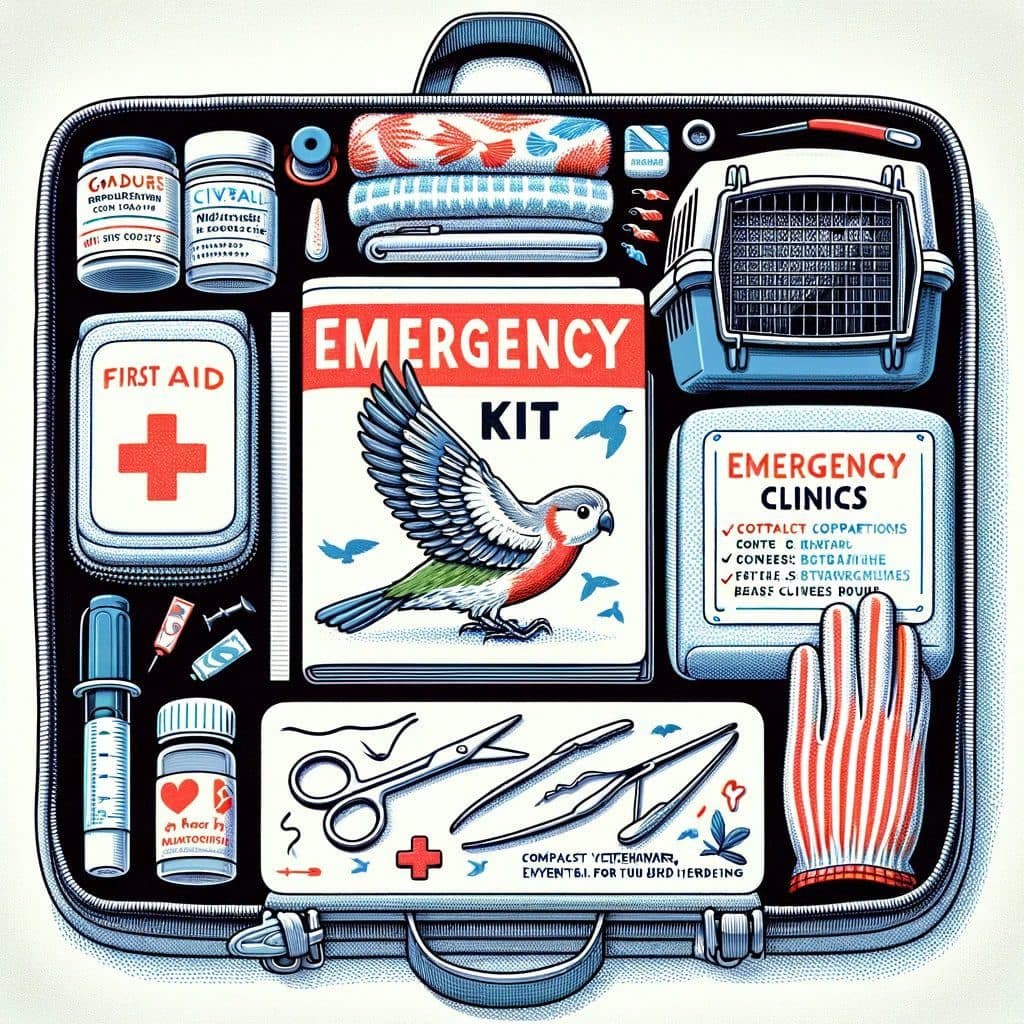
- Remove your bird from the area immediately
- Provide fresh air and ventilation
- Contact your avian veterinarian immediately
- Don't wait for symptoms to appear — many toxins work quickly
Pro Tip: Keep your avian vet's emergency number and the ASPCA Poison Control number (888-426-4435) easily accessible.
Final Thoughts
Creating a bird-safe home doesn't mean giving up all modern conveniences — it just means making informed choices. The most important thing to remember is that birds are incredibly sensitive to airborne toxins that we can't even detect.
Start by eliminating the biggest threats: replace non-stick cookware, switch to unscented products, and create good ventilation throughout your home. Your bird's health and longevity depend on the environment you create for them.
At BST, we've seen how these simple changes can make the difference between a bird living 5-10 years versus 20-30 years. Your feathered friend depends on you to keep them safe from these hidden household dangers — and with the right knowledge, you absolutely can.
Explore related topics
Related Articles
Bird-Proofing Your Home: A Room-by-Room Safety Guide
Your home is full of hidden dangers for birds. This room-by-room guide helps you create a truly safe environment.
Bird-Safe Houseplants: A Complete List for Bird Owners
Love plants and birds? Here's your definitive guide to which houseplants are safe and which can kill your parrot.
Emergency Evacuation Plan for Bird Owners: Be Prepared for Anything
Fire, flood, power outage — do you have an evacuation plan for your bird? Most owners don't. Here's how to create one.