Parrots and Other Pets: Living Safely with Dogs and Cats
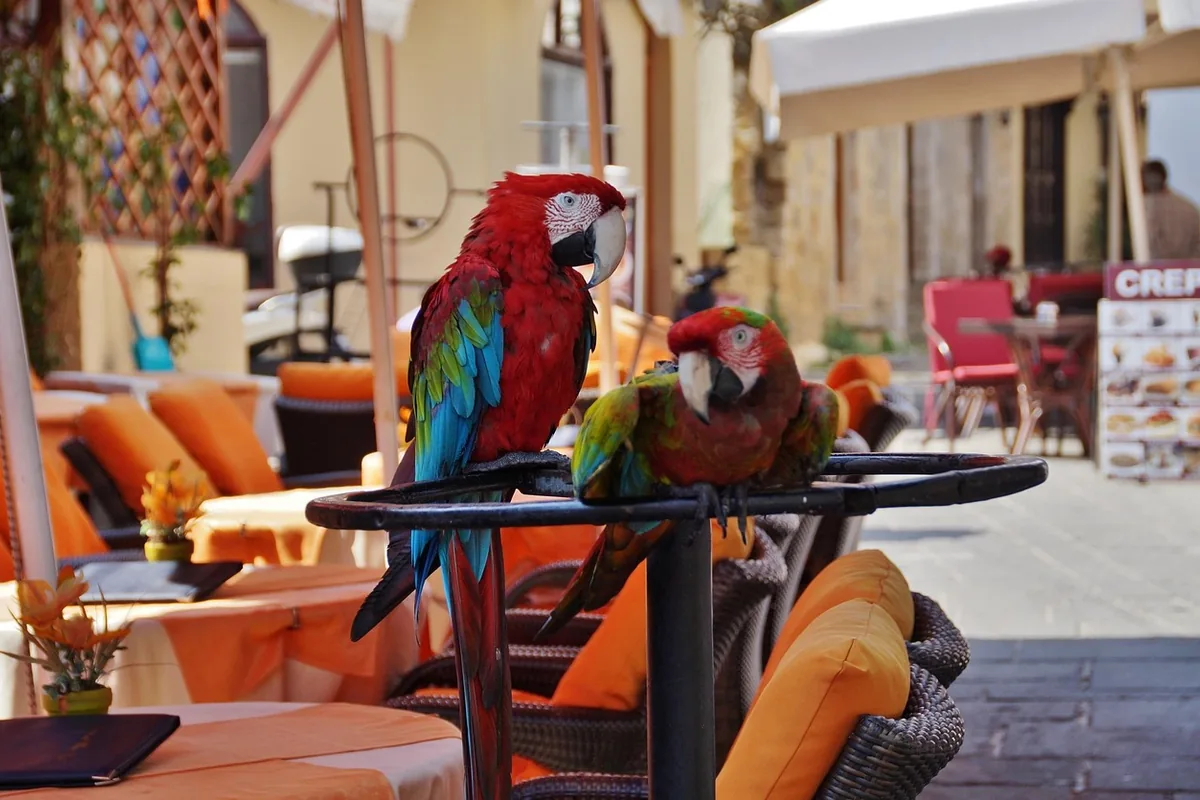
The Reality of Multi-Species Households
Many bird parents dream of a harmonious household where their parrot gets along with the family dog or cat. While these peaceful multi-species families do exist, the path to achieving this harmony requires unwavering vigilance, proper training, and a deep understanding of predator-prey dynamics. Here's the thing — even the gentlest golden retriever or most docile house cat retains instincts that can turn deadly for your feathered friend in seconds.
In our experience boarding over 1,000 birds at BST, we've seen both successful multi-pet households and heartbreaking accidents. The difference always comes down to how seriously the family takes the inherent risks and safety protocols.
Understanding the Fundamental Danger
Predator-Prey Instincts Never Disappear
Your sweet tabby cat who purrs on your lap and your loyal labrador who wouldn't hurt a fly are still predators at their core. Birds, regardless of size, trigger ancient hunting instincts that can activate without warning. We've heard too many stories of families who thought their pets were "best friends" — until a sudden movement, sound, or play behavior triggered a fatal attack.
Important: Even a single bite, scratch, or grab from a dog or cat can kill a bird instantly. Birds' hollow bones break easily, and their respiratory systems are incredibly fragile.
Size Doesn't Matter
A tiny chihuahua can kill a large macaw just as easily as a great dane can harm a budgie. Similarly, a declawed cat is still dangerous — their teeth, weight, and grabbing ability remain lethal threats to birds.
The Cat-Specific Threat
Pasteurella: The Silent Killer
Cats carry Pasteurella bacteria in their mouths naturally. This bacteria is harmless to cats but deadly toxic to birds. Even a minor scratch or the smallest puncture wound from a cat's tooth can introduce this bacteria into your bird's system, causing rapid sepsis and death.
Warning: If your bird is ever scratched or bitten by a cat, even superficially, this is a veterinary emergency. Get to an avian vet immediately — even if the bird seems fine.
Cat-Specific Risks Include:
- Lightning-fast reflexes and jumping ability
- Silent stalking behavior
- Natural tendency to "play" with prey (batting, carrying in mouth)
- Pasteurella bacteria in saliva and on claws
- Instinct to hunt anything that moves quickly or makes high-pitched sounds
The Dog-Specific Threat
Prey Drive and Size Advantage
Dogs, especially terriers and hunting breeds, have strong prey drives that can activate instantly. But even breeds known for gentle temperaments can accidentally harm birds through:
Dog-Specific Risks Include:
- Sudden lunging or jumping toward the bird
- "Mouthing" behavior that can crush delicate bones
- Accidentally stepping on or knocking over a bird
- Tail wagging that can strike a bird
- Excited barking that can cause stress or heart attacks in birds
- Size and strength advantage that makes any contact potentially fatal
Non-Negotiable Safety Rules
Rule #1: Never Leave Them Unsupervised
Not for five minutes. Not while you grab something from another room. Not even if they've been "fine together" for years. Accidents happen in seconds.
Rule #2: Secure Cage Placement
- Position cages out of jumping range for cats
- Ensure dogs cannot knock over or access the cage
- Use sturdy, well-made cages with appropriate bar spacing
- Consider cage covers for visual barriers when needed
Rule #3: Maintain Flight Feathers
If your bird is flighted, their wings might be their only escape mechanism. Many birds in multi-pet homes benefit from keeping their flight feathers, but this requires additional safety measures throughout the home.
Rule #4: Create Safe Zones
Designate bird-only rooms where other pets are never allowed. This gives your bird guaranteed safe spaces and reduces chronic stress.
Training Your Dog or Cat
For Dogs:
- Teach solid "leave it" and "stay" commands
- Practice impulse control exercises
- Reward calm, disinterested behavior around the bird
- Never allow the dog to get excited or worked up near the bird
- Consider professional training for dogs with high prey drives
For Cats:
- Provide plenty of alternative hunting outlets (toys, puzzle feeders)
- Use positive reinforcement when the cat ignores the bird
- Consider deterrents like motion-activated air sprayers near the bird area
- Keep cats mentally and physically stimulated to reduce hunting focus
Pro Tip: Some families find success with baby gates that allow visual separation while maintaining household flow. Just ensure your cat can't jump over them!
Recognizing Stress in Your Bird
Multi-pet households can create chronic stress for birds, even when physical safety is maintained. Watch for these signs:
- Excessive screaming or vocalization
- Feather plucking or over-preening
- Loss of appetite
- Aggressive behavior toward humans
- Hiding or staying at the bottom of the cage
- Repetitive behaviors like pacing
- Changes in sleep patterns
Success Stories: What Works
We've seen beautiful multi-species families thrive with proper management:
The Johnson Family Approach:
- Strict schedule: bird out-of-cage time when dogs are outside
- Multiple bird-safe rooms with baby gates
- Years of consistent training with professional help
- Emergency protocols everyone knows by heart
The Martinez Method:
- Cat and bird never in the same room simultaneously
- Vertical space solutions (high perches, wall-mounted cages)
- Environmental enrichment for the cat to redirect hunting instincts
- Regular vet checkups to monitor stress levels in the bird
When It's Not Working
Sometimes, despite your best efforts, the stress levels are too high for your bird, or the other pets cannot be reliably trained. Signs it might be time to rehome one of the pets:
- Chronic stress symptoms in your bird persist
- Close calls or near-misses become frequent
- Training isn't progressing after months of consistent effort
- You find yourself constantly anxious about their interactions
Important: There's no shame in recognizing that your specific combination of pets isn't compatible. Your bird's safety and wellbeing must come first.
Emergency Preparedness
Every multi-pet household should have:
- Your avian vet's emergency contact information readily available
- A 24-hour emergency vet clinic location mapped out
- A carrier ready for immediate transport
- Basic first aid knowledge for birds
- A plan for immediate separation if needed
Final Thoughts
Multi-species households can work, but they require dedication, vigilance, and honest assessment of your pets' personalities and your family's ability to maintain strict safety protocols. The good news is that many families successfully navigate these challenges and create loving homes for all their pets.
Remember, your bird depends entirely on you for protection. When in doubt, err on the side of caution. A bird who lives separately from other pets but safely is far better off than one who lives in constant danger, no matter how well-intentioned the setup.
If you're considering adding a bird to a home with cats or dogs — or vice versa — take time to honestly evaluate whether you can commit to the level of management required. Your feathered friend's life may literally depend on it.
Explore related topics
Related Articles
Bird-Proofing Your Home: A Room-by-Room Safety Guide
Your home is full of hidden dangers for birds. This room-by-room guide helps you create a truly safe environment.
Bird-Safe Houseplants: A Complete List for Bird Owners
Love plants and birds? Here's your definitive guide to which houseplants are safe and which can kill your parrot.
Emergency Evacuation Plan for Bird Owners: Be Prepared for Anything
Fire, flood, power outage — do you have an evacuation plan for your bird? Most owners don't. Here's how to create one.