Safe Feeding Practices for Pet Birds: What Every Owner Should Know
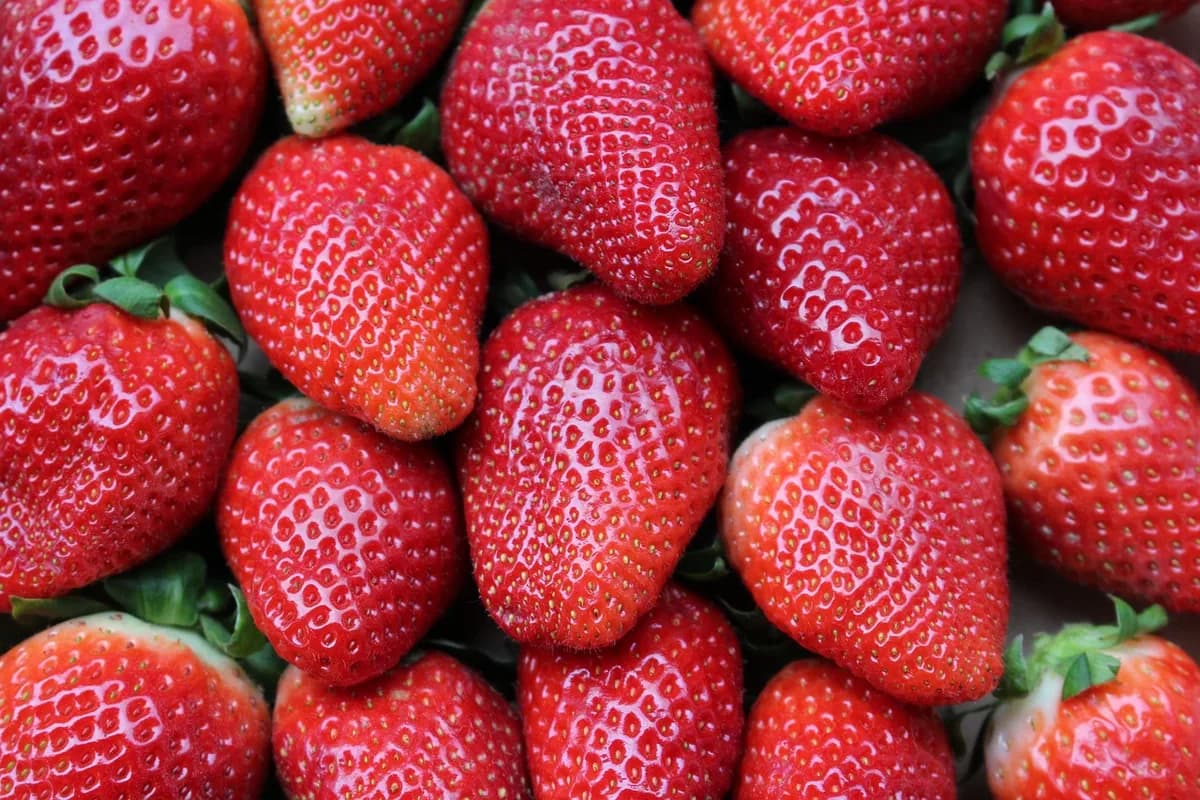
You have committed to feeding your feathered companion a balanced and nutritious diet — that is genuinely one of the best things you can do for a bird's long-term health. But a good diet only helps if the food reaches your bird safely. A parrot's digestive system is fast and delicate, and its body weight is small enough that a contaminant which would barely register in a person can make a bird seriously ill. At Bird Sitting Toronto, where we prepare fresh meals for hundreds of birds every year, food safety is treated as carefully as food quality. The good news is that a handful of simple habits removes almost all of the risk.
Why Food Hygiene Matters More for Birds
Birds have a high metabolic rate and eat frequently, so anything on their food goes into a small body quickly. They also have highly efficient respiratory systems that make them exquisitely sensitive to airborne toxins and fumes — the same trait that once made canaries early-warning systems in coal mines. According to the Association of Avian Veterinarians and the Merck Veterinary Manual, spoilage bacteria, mould, and household toxins are among the most common preventable causes of illness in companion birds. Most of these hazards never reach your bird if you handle, store, and serve food thoughtfully.
Handling Fresh Produce Safely
Even fresh fruits and vegetables can carry pesticide residue, bacteria, or fungal spores. A few consistent practices keep produce safe:
- Wash all produce thoroughly under running water to remove pesticide and fungicide residue as well as surface bacteria. Buy organic when you can, especially for thin-skinned items you cannot peel.
- Inspect every item for mould or fungal growth and discard anything that looks or smells off. Mould is highly toxic to birds, and some mould-produced toxins are dangerous in very small amounts.
- Introduce new foods gradually and watch your bird's reaction — changes in droppings, appetite, or energy over a day or two are worth noting.
- Let hot foods cool fully before serving. A bird will gulp warm mash before it registers the heat, and hot food can cause a crop burn — a serious injury to the food-storage pouch in the throat.
Tip: When in doubt, throw it out. A discarded strawberry costs pennies; a mould-related illness costs a vet visit and puts your bird through real distress. Erring toward caution is always the cheaper choice.
Storage, Dishes, and the Two-Hour Rule
How long food sits out, and what it sits in, matters as much as the food itself. Warm cage environments let bacteria multiply fast in moist foods.
| Practice | What to do | Why it matters |
|---|---|---|
| Fresh-food window | Remove fresh or cooked foods within about 2 hours | Limits bacterial growth in warm, moist food |
| Separate dishes | Use different bowls for wet and dry food | Keeps dry food from spoiling and reduces contamination |
| Bowl placement | Keep food and water bowls apart | Prevents food-dipping that turns water into bacteria-laden "soup" |
| Daily cleaning | Wash dishes daily in hot, soapy water | Removes residue that feeds bacteria |
| Weekly disinfect | Disinfect a few times per week with a diluted (1:32) bleach solution or an avian-safe disinfectant, rinsed well | Kills organisms daily washing leaves behind |
| Water | Refill and clean water at least once daily, more if soiled | Birds foul water quickly; fresh water is non-negotiable |
Store dry foods and pellets in airtight containers at cool, stable temperatures to prevent spoilage and to keep pantry moths and mould out. If your bird is a determined food-dunker, a water bottle can keep the water clean — just confirm your bird has learned to drink from it before you remove the open dish.
Warning: Rinse thoroughly after any bleach disinfecting, and never mix bleach with other cleaners. A bird's respiratory system is extraordinarily sensitive to fumes, so let disinfected items air out completely before they go back near your bird.
Foods That Are Toxic to Birds
Some foods that are perfectly safe for people are dangerous, even deadly, to birds. Avian veterinary consensus, reflected in guidance from the Merck Veterinary Manual and VCA Animal Hospitals, flags the following as foods to never offer a parrot:
- Avocado — contains persin, which is toxic to birds and can cause heart failure.
- Chocolate — contains theobromine, dangerous even in small amounts.
- Caffeine (coffee, tea, energy drinks) — overstimulates the heart and can trigger arrhythmias.
- Alcohol — even small amounts can be fatal.
- Onions and garlic — can damage red blood cells and cause anemia.
- Fruit pits and seeds (apple seeds, cherry and apricot pits) — many are cyanogenic and release cyanide.
- Uncooked beans, especially kidney beans — contain a natural toxin destroyed only by proper cooking.
- Mushrooms — some varieties are toxic to birds; the safe course is to avoid them.
- Salt — birds are highly sensitive to sodium, so skip salty snacks entirely.
- Tomato leaves and vines — contain toxic compounds, though ripe tomato flesh in moderation is fine.
- Raw eggs — risk of salmonella; cook eggs before offering them.
Tip: Keep a written toxic-foods list on the fridge, and brief anyone who might share a snack with your bird — kids and houseguests are the most common source of an accidental toxic nibble.
Foods to Limit Rather Than Ban
A few foods are not outright poisons but still do not belong in regular rotation:
- Refined sugars — promote weight gain and can drive unwanted behaviour.
- Fatty or fried foods — raise the risk of fatty liver disease, a common problem in captive parrots.
- Carbonated drinks — offer no benefit and can cause digestive upset.
- Dairy — birds lack the enzymes to digest lactose well, so large amounts cause loose droppings. A small taste of hard cheese or plain yogurt is generally tolerated.
For the day-to-day diet itself, the avian veterinary standard for most parrots is a base of roughly 75 to 80% quality pellets, about 20 to 25% fresh vegetable-forward foods and some fruit, and seeds or nuts kept to around 5% as treats and training rewards. (Some species differ — lorikeets need a specialized nectar diet rather than pellets, and eclectus do best on a veg-forward, additive-light diet — so check your species' specifics.) Safe handling and a sound diet work hand in hand.
A Note on Grit
You may see grit sold near bird supplies, but hookbilled parrots do not need it. They shell their seeds with their beaks rather than swallowing them whole, so grit serves no purpose and, offered freely, can accumulate and cause a dangerous crop or gizzard impaction. This is one area where less is genuinely safer.
The Bottom Line
Safe feeding is not complicated — it is a set of small, repeatable habits. Wash produce, watch for mould, clear fresh food within about two hours, keep dishes and water clean, and keep the toxic list firmly out of reach. If you are ever unsure about a specific food, ask a qualified avian veterinarian rather than guessing. Do these consistently and your bird enjoys not just a nutritious diet, but a genuinely safe one — and that combination is what keeps a companion bird thriving for the decades many of them can live.
Explore related topics
Related Articles
Can Parrots Eat Human Food? A Complete Guide to Sharing Meals
Your parrot wants to eat off your plate. Which human foods are safe to share and which are dangerous?
The Complete Guide to Parrot Pellets: Brands, Conversion, and Myths
Pellets should be 50-70% of your parrot's diet, but not all pellets are equal. Here's everything you need to know.
Cooking for Your Parrot: 15 Recipes and Meal Ideas They'll Love
Variety is the spice of your parrot's diet. These easy recipes make feeding time exciting and nutritious.