Can Parrots Eat Human Food? A Complete Guide to Sharing Meals
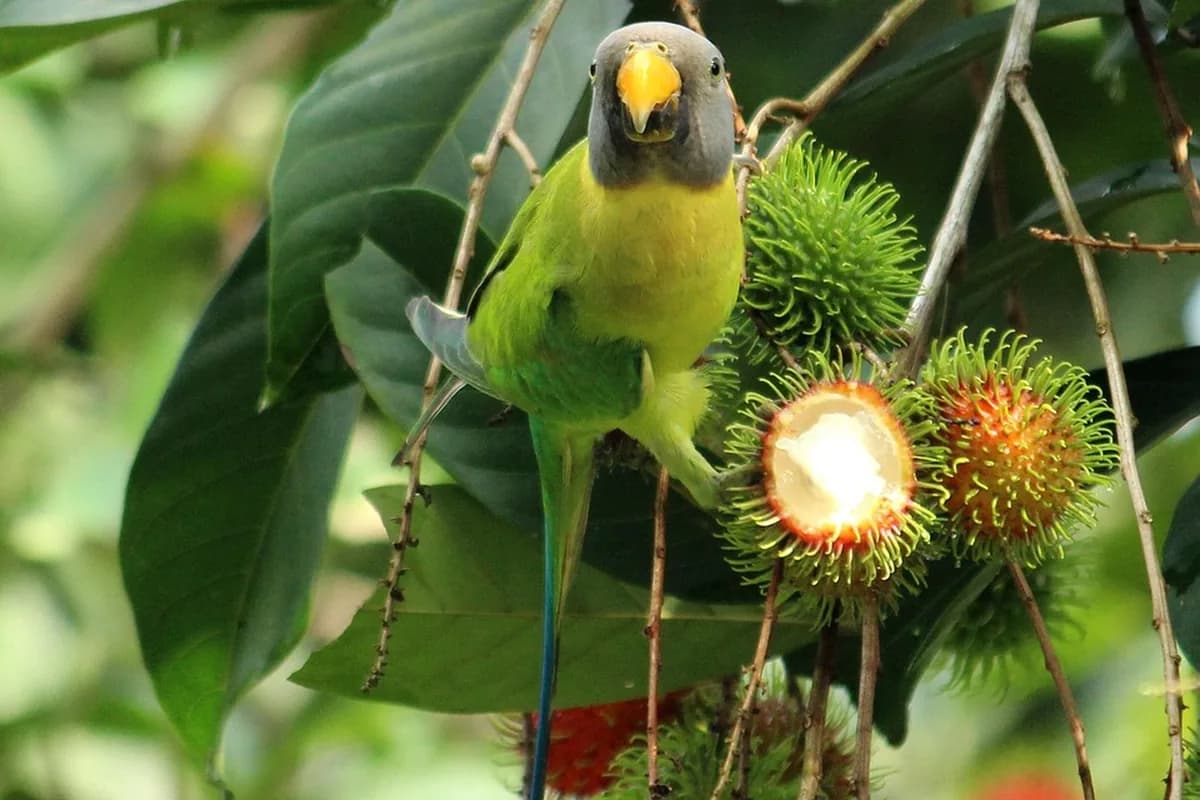
The Joy of Sharing: Why Your Parrot Wants to Join Your Dinner Table
Picture this: you're sitting down to a nice dinner, and your parrot is watching every single bite with intense interest. Those bright, curious eyes seem to be saying, "Hey, what about me?" If you've ever wondered whether you can share your meal with your feathered friend, you're not alone. In our experience boarding over 1,000 birds at Bird Sitting Toronto, we see this question come up constantly — and the good news is, sharing certain foods with your parrot can actually strengthen your bond while providing them with healthy variety.
Here's the thing: parrots are naturally flock eaters. In the wild, they forage and eat together as a social activity. When your bird begs for your food, they're not just being greedy — they're trying to participate in this fundamental flock behavior with their favorite human. Understanding what you can safely share (and what you absolutely cannot) will help you navigate mealtime together.
Foods That Are Safe to Share
The golden rule for sharing human food with your parrot is simple: if it's healthy for you without added salt, sugar, or fat, it's probably okay for your bird. Let's break down the safe options:
Grains and Starches
- Plain pasta (any shape, cooked al dente)
- Brown or white rice (unseasoned)
- Quinoa (a protein-rich favorite)
- Plain bread (whole grain is best, but avoid anything with seeds that might be toxic)
- Oatmeal (plain, not the flavored packets)
Vegetables (The Parrot Superfood)
Most vegetables are not only safe but incredibly beneficial for parrots:
- Broccoli, carrots, sweet potatoes, bell peppers, leafy greens, corn, peas, green beans, zucchini, squash
Pro Tip: Steam or lightly cook harder vegetables like carrots and sweet potatoes to make them easier for smaller birds to manage. Raw is fine too — just cut into appropriate sizes.
Fruits (Nature's Candy)
- Apples (remove seeds), bananas, berries, grapes, melons, oranges, mango, papaya, pomegranate
Protein Sources
- Scrambled eggs (plain, no butter or oil)
- Hard-boiled eggs (including the shell for calcium)
- Plain cooked chicken (no seasoning, skin removed)
- Beans and legumes (cooked, never raw)
- Nuts (unsalted, in moderation)
Dairy (In Very Small Amounts)
While parrots are technically lactose intolerant, tiny amounts of plain yogurt or cheese won't hurt most birds and can provide beneficial probiotics.
Foods You Should Never Share
Some human foods are downright dangerous for parrots. These are non-negotiables:
The Absolute No-Go List
- Chocolate (toxic to birds)
- Caffeine (coffee, tea, soda)
- Alcohol (even tiny amounts can be fatal)
- Avocado (contains persin, which is toxic to birds)
- Onions and garlic (can cause anemia)
- Mushrooms (many varieties are toxic)
- Fruit pits and apple seeds (contain cyanide)
The "Junk Food" Category
- Anything fried, salty, or sugary
- Processed snacks (chips, crackers, cookies)
- Fast food
- Candy or gum
- Heavily seasoned foods
Warning: Even foods that are technically "safe" become dangerous when they're loaded with salt, sugar, butter, or spices. Always serve the plain version to your bird.
The Social Benefits of Sharing Meals
When you share appropriate foods with your parrot, you're doing more than just feeding them — you're engaging in a deeply meaningful social ritual. In our experience at BST, birds who regularly share meals with their families tend to be more confident, social, and bonded with their humans.
This behavior taps into their natural flock instincts. Wild parrots eat together, communicate about food sources, and even feed each other as signs of affection. When you offer your bird a piece of your apple or a bite of plain pasta, you're essentially saying, "You're part of my flock, and I want to take care of you."
We've noticed that birds who participate in family meals are often:
- More willing to try new foods
- Less likely to develop behavioral issues
- More social and interactive with family members
- Better at entertaining themselves when alone
How to Safely Share Your Food
Preparation is Key
-
Set aside a portion before seasoning — This is crucial. Salt, garlic powder, pepper, and other seasonings that make food delicious for us can be harmful to birds.
-
Let it cool to room temperature — Birds can burn their tongues and crops on food that's too hot, and they may refuse food that's too cold.
-
Cut into appropriate sizes — What's bite-sized for you might be a choking hazard for your bird. Aim for pieces about the size of their beak.
Serving Guidelines
- Small portions only — A few bites are plenty. Remember, these are treats, not meal replacements.
- Use a separate plate or bowl — Don't let your bird eat directly from your plate (hygiene works both ways).
- Fresh only — Don't save leftover "bird portions" for later. Fresh food only.
Creating Positive Mealtime Experiences
Make sharing food a special occasion. Sit near your bird's cage or play area, talk to them while you both eat, and let them see you enjoying the same foods. This reinforces the flock eating experience and makes mealtime more enriching for both of you.
Kitchen Safety: The Hidden Danger
Here's something many bird parents don't realize: the biggest risk during shared mealtimes isn't the food itself — it's the cooking process. Non-stick cookware, when overheated, releases fumes that are deadly to birds. Even self-cleaning ovens can produce dangerous gases.
Important: If you're cooking with your bird nearby, ensure excellent ventilation and never use non-stick pans on high heat. Consider moving your bird to another room during heavy cooking sessions.
Safe Kitchen Practices
- Use stainless steel, ceramic, or cast iron cookware
- Keep your bird away from the kitchen during high-heat cooking
- Never use aerosol cooking sprays around birds
- Ensure good ventilation when cooking
The 80/20 Rule for Parrot Nutrition
While sharing human food can be wonderful for bonding and enrichment, remember that it should only make up about 20% of your bird's diet. The other 80% should come from high-quality pellets and fresh vegetables specifically chosen for their nutritional needs.
Think of shared human food as the "dessert" or "social component" of your bird's diet, not the main course. A few bites of your plain pasta or a piece of your apple is perfect — but don't replace their regular meals with table food.
Final Thoughts
Sharing meals with your parrot can be one of the most rewarding aspects of bird ownership. It strengthens your bond, provides mental stimulation, and satisfies their natural flock instincts. The key is knowing what's safe, preparing it properly, and keeping portions appropriate.
At Bird Sitting Toronto, we love seeing the special relationships that develop between birds and their families around food. Some of our favorite boarding stories involve birds who learned to love new vegetables because they saw their humans eating them first, or birds who get excited at dinnertime because they know they might get to share.
Just remember: when in doubt, stick to the basics. Plain, unseasoned, bird-appropriate foods served in small portions will keep your feathered friend happy and healthy while letting them feel like a true member of your flock. Your parrot's enthusiasm for sharing your meal is really their way of saying they love you — and that's worth celebrating safely.
Explore related topics
Related Articles
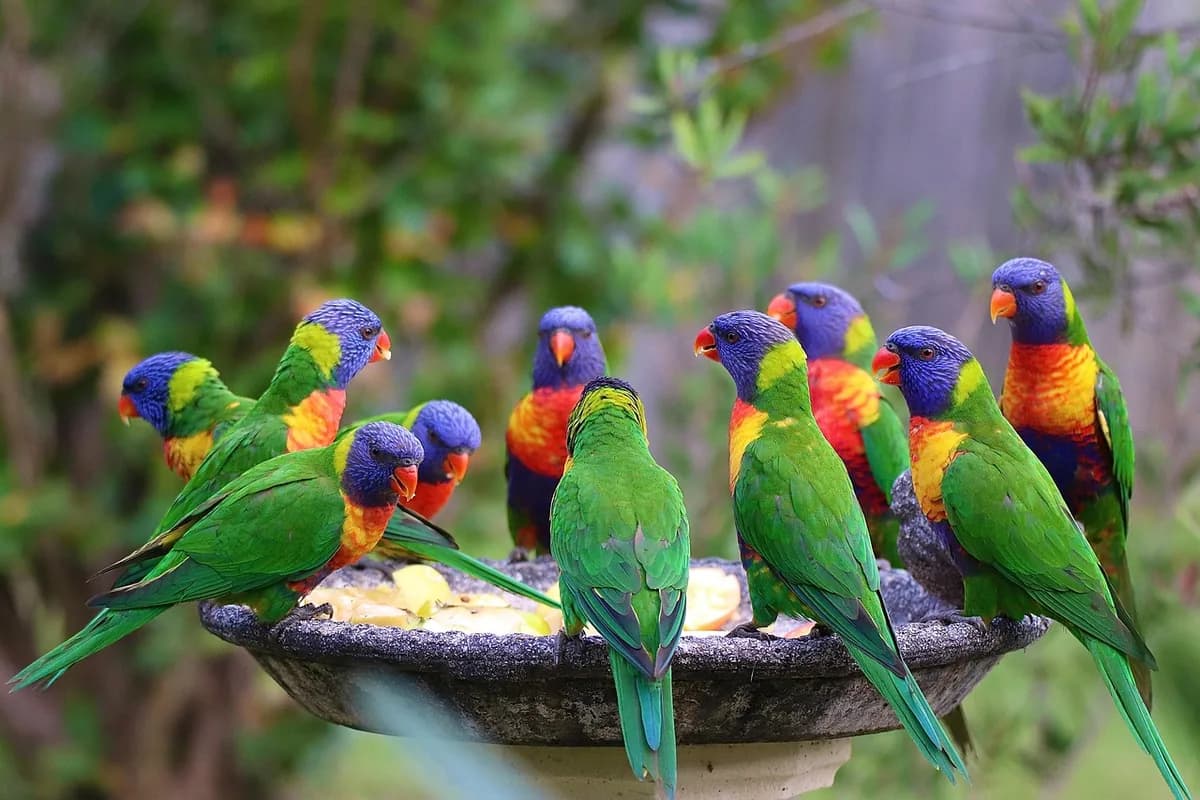
The Complete Guide to Parrot Pellets: Brands, Conversion, and Myths
Pellets should be 50-70% of your parrot's diet, but not all pellets are equal. Here's everything you need to know.
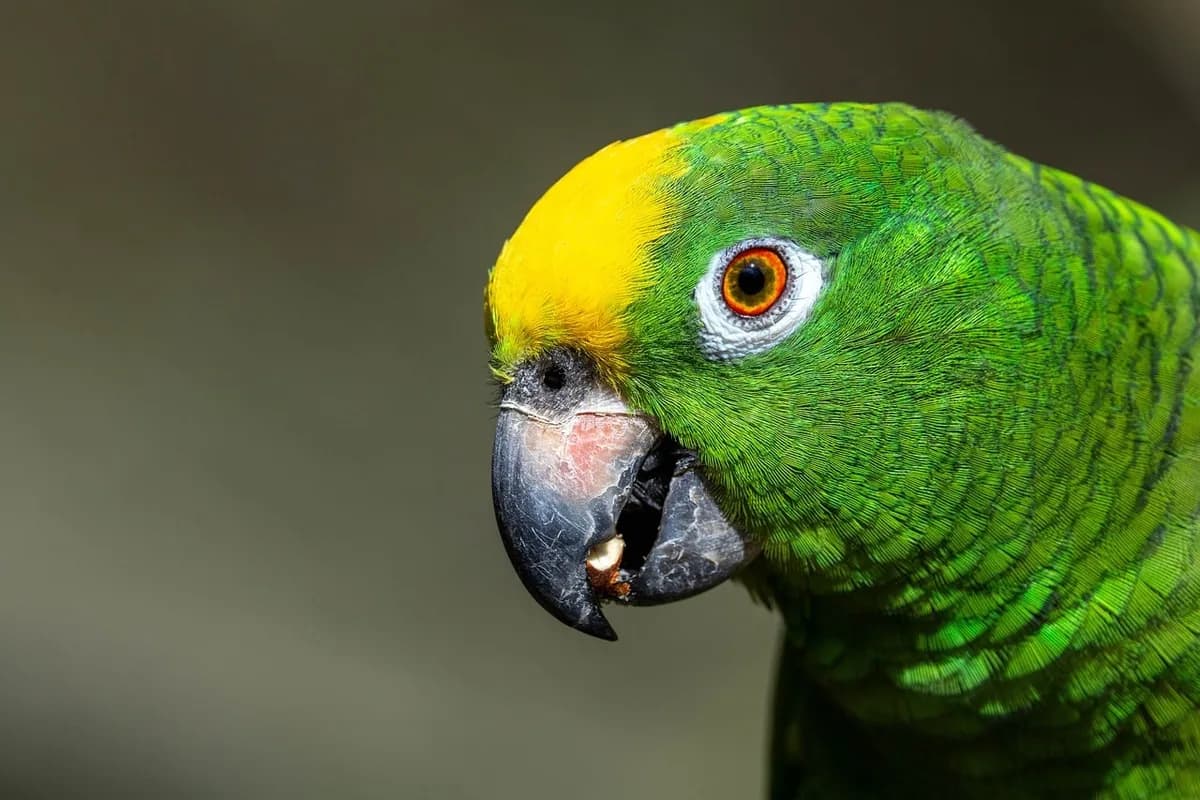
Cooking for Your Parrot: 15 Recipes and Meal Ideas They'll Love
Variety is the spice of your parrot's diet. These easy recipes make feeding time exciting and nutritious.
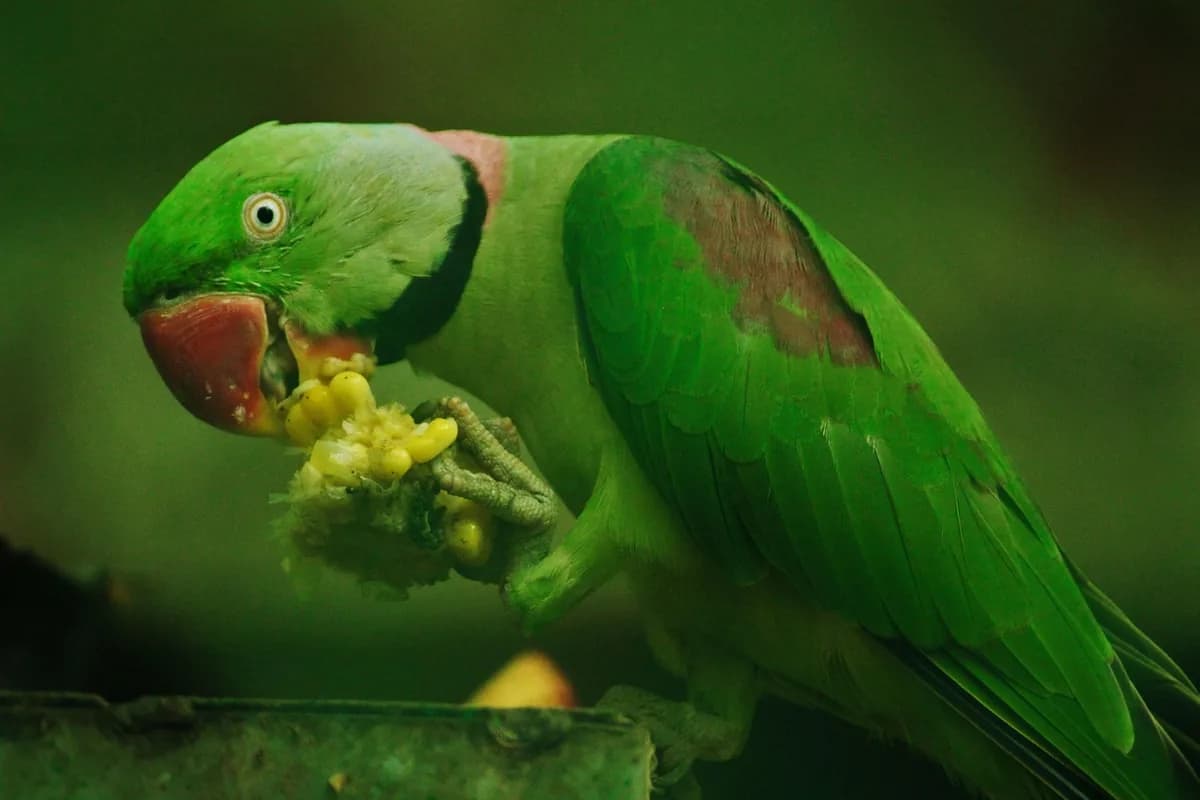
DIY Bird Chop Meal Prep: A Complete Beginner's Guide with 5 Recipes
Bird chop is the easiest way to ensure balanced nutrition. Here's your complete beginner's guide with 5 proven recipes.