Feeding Safety 101: Keeping Your Parrot’s Diet Clean and Risk-Free
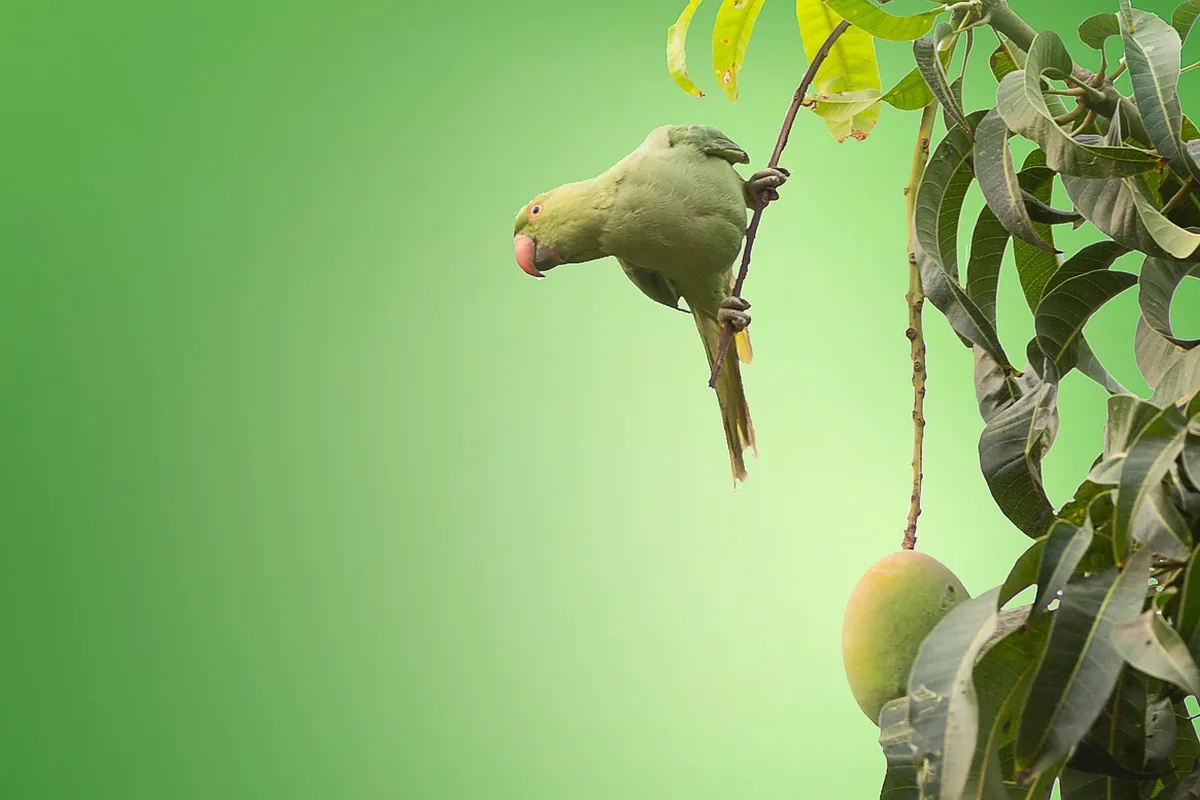
Committing to a balanced, nutritious diet is one of the best things you can do for your parrot's long-term health. But nutrition and safety are two separate jobs. A well-designed diet — pellets making up roughly 75 to 80 percent of daily intake, vegetable-forward fresh foods around 20 to 25 percent, and seeds or nuts held back as a five-percent treat — can still make a bird sick if the food is spoiled, contaminated, or handled carelessly on its way to the bowl.
At Bird Sitting Toronto, where we board hundreds of birds every year, food handling is never an afterthought — it is a core part of keeping every guest healthy. The reassuring part is that safe feeding comes down to a handful of habits. Once they become routine, they protect your bird every single day.
Watch for the hidden dangers in fresh produce
Fresh fruits and vegetables are a cornerstone of a good parrot diet, but they can carry threats you cannot see. Always wash produce thoroughly before serving — a firm rinse under running water, and a light scrub for sturdier items like carrots or peppers. This removes pesticide, herbicide, and fungicide residues, which are far more concentrated relative to a bird's tiny body weight than they are for you.
Inspect everything for mold or spoilage before it goes in the dish. Birds are exquisitely sensitive to mold: some molds produce mycotoxins, and Aspergillus spores are a well-documented cause of aspergillosis, a serious respiratory infection in birds (Merck Veterinary Manual). When in doubt, throw it out — a discarded grape is far cheaper than a vet visit.
Warning: Even a small spot of mold on otherwise fresh food can be dangerous. Do not simply cut around it; discard the whole piece.
Store and serve food to keep it clean
How food is handled between the store shelf and your bird's bowl matters as much as the food itself.
- Use airtight containers. Keep pellets, seeds, and other dry foods in sealed containers in a cool, dry place to shut out moisture, mold, and pantry pests.
- Hold perishables at the right temperature. Refrigerate or freeze fresh and cooked items, and defrost only the amount you plan to serve.
- Don't let fresh food sit out. Remove moist or fresh foods from the cage after one to two hours. Perishable food left at room temperature becomes a breeding ground for bacteria — and warm Toronto summers only speed that along.
- Separate wet and dry. Serve pellets and fresh foods in different bowls. This cuts down on mess, keeps pellets from turning soggy, and limits cross-contamination.
Tip: Buy pellets in quantities you'll finish within a reasonable window rather than in bulk that sits open for months. Freshness protects both nutrition and safety.
Water hygiene matters too
Clean, fresh water should always be available. Replace it at least once a day, and more often if your bird soils it or dunks food into the bowl. Standing water laced with food particles is an ideal environment for bacteria to multiply.
If your parrot loves to soak food in the water bowl, a water bottle can keep the supply cleaner — just confirm your bird has learned to drink from it reliably before you remove the open bowl entirely. Check the sipper tube daily to be sure it is flowing and not clogged.
Clean dishes and utensils on a schedule
Bowls and utensils need the same discipline as the food itself.
| Task | How often | How |
|---|---|---|
| Wash food and water bowls | Daily | Hot, soapy water; scrub off any film |
| Disinfect dishes | 2–3 times per week | Soak in a mild bleach solution (1 part bleach to 32 parts water), rinse thoroughly, or use a bird-safe disinfectant |
A daily scrub removes the biofilm that bacteria cling to, and periodic disinfecting handles what soap alone misses. Whatever product you use, rinse dishes completely and let them dry before refilling — residual bleach or cleaner should never reach your bird.
Serve warm foods with care
If you offer cooked or warm foods, let them cool to lukewarm before serving. Parrots eat quickly and can suffer painful burns to the mouth or crop from food that feels only mildly warm to your hand. This matters most with warmed mash or hand-feeding formula, where the center can stay far hotter than the surface.
Dangerous foods to avoid entirely
Some foods that are perfectly safe for people are toxic — sometimes fatally — to parrots. Keep these off the menu completely:
- Avocado — contains persin, which can trigger heart failure in birds
- Chocolate — theobromine is toxic to birds
- Caffeine — coffee, tea, and soda
- Alcohol — never, in any amount
- Onions and garlic — can damage red blood cells
- Fruit pits and apple seeds — cyanogenic; they release cyanide
- Uncooked (dried) beans — especially kidney beans, whose natural toxin is destroyed only by thorough cooking
- Mushrooms — many varieties are toxic to birds
- Salt and very salty snacks — a bird's small body handles sodium poorly
- Uncooked eggs — risk of Salmonella
- Tomato leaves and vines — the green parts of nightshade plants
- Commercially grown strawberries — among the most pesticide-heavy produce; wash exceptionally well or choose organic
This list reflects avian veterinary consensus on the most common household hazards; the Association of Avian Veterinarians and VCA Animal Hospitals maintain fuller guidance.
Warning: Avocado, chocolate, caffeine, and alcohol are genuine emergencies. If your bird ingests any of them, call an avian veterinarian immediately — do not wait for symptoms to appear.
Foods to keep to a minimum
Beyond outright toxins, a few foods are best offered rarely, if at all:
- Refined sugar — candy and sweet desserts
- Fatty, fried foods — chips and other greasy human snacks
- Dairy — most parrots are lactose intolerant, so cheese and milk are poorly digested
None of these belong in the daily diet. An occasional tiny taste is unlikely to harm a healthy bird, but they crowd out the pellets and vegetables your parrot actually needs.
When in doubt, ask an avian vet
No list can cover every food. If you are unsure whether something is safe, check with an avian veterinarian before offering it. A moment of caution costs nothing, and it can head off a genuine emergency.
Safe feeding is not complicated — it is a set of small, repeatable habits: wash produce, store food properly, refresh water, clean the dishes, cool warm meals, and keep toxic foods out of reach. Practice them consistently and you give your parrot a diet that is not only nutritious but truly safe — the foundation of the long, healthy life they deserve.
Explore related topics
Related Articles
Can Parrots Eat Human Food? A Complete Guide to Sharing Meals
Your parrot wants to eat off your plate. Which human foods are safe to share and which are dangerous?
The Complete Guide to Parrot Pellets: Brands, Conversion, and Myths
Pellets should be 50-70% of your parrot's diet, but not all pellets are equal. Here's everything you need to know.
Cooking for Your Parrot: 15 Recipes and Meal Ideas They'll Love
Variety is the spice of your parrot's diet. These easy recipes make feeding time exciting and nutritious.