The Complete Guide to Parrot Pellets: Brands, Conversion, and Myths
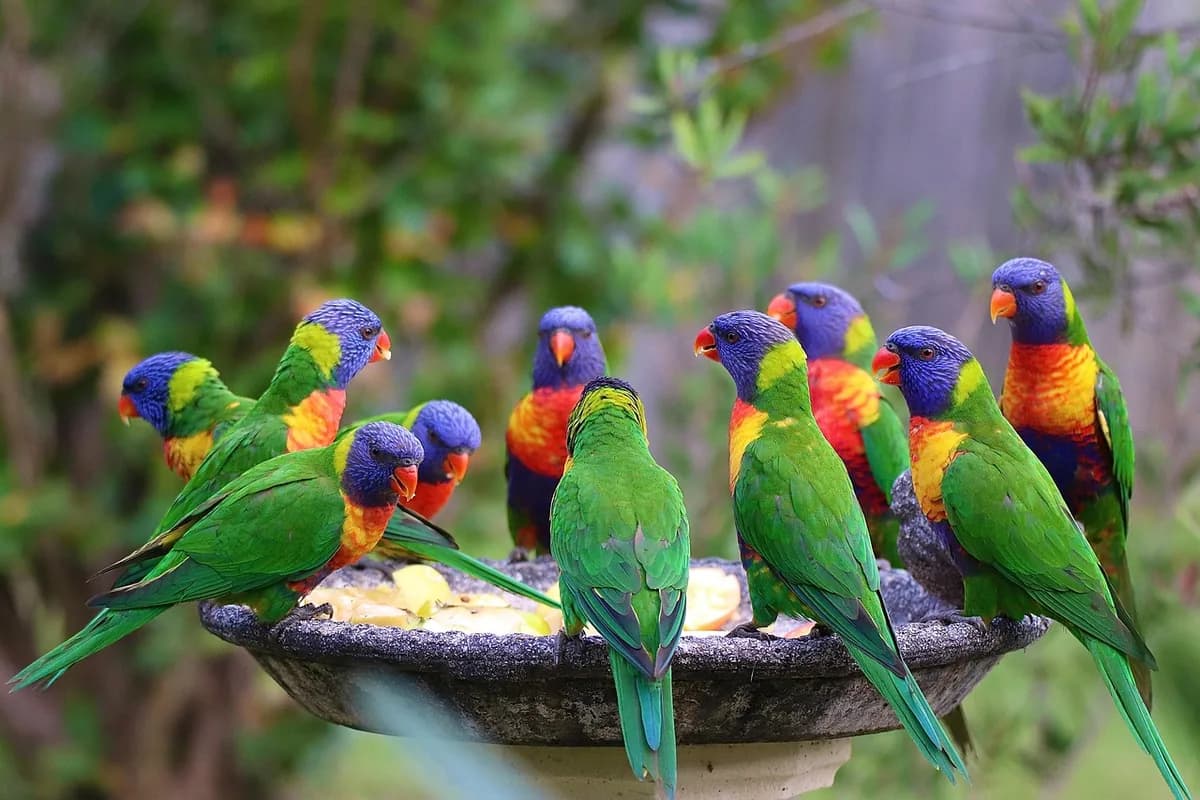
Making the Switch: Why Your Feathered Friend Deserves Better Than Seeds Alone
If you've been feeding your parrot a seed-only diet, you're not alone — and you're definitely not a bad bird parent. Many of us started there because seeds seem natural, right? Here's the thing though: while seeds are part of a wild parrot's diet, they're more like candy than a complete meal. In our experience boarding over 1,000 birds at BST, we've seen firsthand how switching to a high-quality pellet diet can transform a bird's health, energy, and even behavior.
Think of it this way: if you ate only potato chips every day, you'd survive for a while, but you certainly wouldn't thrive. That's essentially what happens when birds eat only seeds. Let's dive into everything you need to know about making the switch to pellets — from choosing the right brand to actually getting your stubborn seed-addict to try something new.
Why Pellets Matter: The Nutrition Your Bird Is Missing
The Problem with All-Seed Diets
Seeds are high in fat and low in essential nutrients like vitamin A, calcium, and protein. Over time, this leads to:
- Fatty liver disease
- Poor immune system
- Reproductive issues
- Behavioral problems (yes, nutrition affects mood!)
- Shorter lifespan
We see birds come to BST who've been on seed-only diets, and the difference in their energy levels and feather quality compared to pellet-fed birds is honestly striking.
What Makes Pellets Better
High-quality pellets are formulated to provide complete, balanced nutrition in every bite. They're essentially the "dog kibble" of the bird world — scientifically designed to meet all your parrot's nutritional needs. The good news is that once your bird makes the switch, you'll likely notice improvements in their overall health within just a few weeks.
Top Pellet Brands: What We Recommend and Why
After years of experience with hundreds of different birds, here are the brands we trust most:
Harrison's Bird Food
Our top pick for most birds
- Organic, whole food ingredients
- No artificial colors, flavors, or preservatives
- Veterinarian-formulated
- Comes in High Potency (for breeding, molting, or stressed birds) and Adult Lifetime formulas
- Downside: More expensive, but worth it for the quality
Roudybush
Great all-around choice
- Steam-pelleted (retains more nutrients than extruded)
- No artificial colors
- Good variety of sizes
- More affordable than Harrison's
- Downside: Some birds find the texture less appealing initially
TOP's (Totally Organic Pellets)
Best for birds with sensitivities
- USDA certified organic
- Cold-pressed to preserve nutrients
- No synthetic vitamins
- Downside: Can be harder to find in stores
Zupreem Natural
Good transition pellet
- Widely available
- Natural ingredients (avoid the colored varieties)
- More affordable
- Downside: Contains some synthetic vitamins
Lafeber Nutri-Berries
Great for picky eaters
- Pellets mixed with seeds and grains
- Good stepping stone for seed-addicted birds
- Downside: Higher in fat due to seed content
Pro Tip: We often recommend starting picky birds on Lafeber Nutri-Berries, then gradually transitioning to straight pellets once they're used to the concept of "not just seeds."
Organic vs. Conventional: Does It Matter?
The short answer? It can, especially for sensitive birds. Organic pellets like Harrison's and TOP's avoid synthetic pesticides and additives that some birds react poorly to. However, a high-quality conventional pellet is still infinitely better than an all-seed diet.
If budget is a concern, start with a good conventional pellet like Roudybush. You can always upgrade to organic later once your bird is successfully converted.
Converting Your Seed Addict: A Step-by-Step Guide
Here's where patience becomes your best friend. Most birds don't switch overnight, and that's completely normal.
The Gradual Mixing Method
Week 1-2: Mix 25% pellets with 75% seeds
Week 3-4: Mix 50% pellets with 50% seeds
Week 5-6: Mix 75% pellets with 25% seeds
Week 7+: 100% pellets (with healthy treats)
Additional Conversion Strategies
Model eating yourself: Birds learn by watching. Pretend to eat the pellets with enthusiasm — yes, this actually works!
Make it social: Eat meals together. Birds are flock animals and often try new foods when they see their "flock" (you) eating.
Try different presentations: Some birds prefer pellets in a separate bowl, others like them mixed with favorite foods.
Use positive reinforcement: Praise your bird enthusiastically when they even look at a pellet.
Important: Never starve your bird into eating pellets. If they haven't eaten anything for 12+ hours, offer their familiar seeds and try again tomorrow.
What to Expect During Conversion
- Your bird might throw pellets around initially (they're investigating!)
- Weight loss is normal but should be gradual (monitor with a scale)
- Some birds convert in days, others take months
- Expect some mess as they learn what these new things are
Pellet Sizes: Matching Food to Your Bird
Getting the right size matters more than you might think. Too large, and your bird can't handle them. Too small, and they might not be interested.
| Bird Size | Pellet Size | Examples |
|---|---|---|
| Small | Fine/Mini | Budgies, cockatiels, lovebirds |
| Medium | Small | Conures, caiques, small cockatoos |
| Large | Medium | African greys, amazons, large cockatoos |
| Extra Large | Large | Macaws, large cockatoos |
Pro Tip: When in doubt, go slightly smaller rather than larger. Birds can always eat smaller pellets, but they might ignore ones that are too big to handle comfortably.
Busting Common Pellet Myths
Myth 1: "Pellets are boring and unnatural"
Reality: High-quality pellets contain varied ingredients including fruits, vegetables, and grains. They're actually more nutritionally diverse than seeds.
Myth 2: "My bird will starve before eating pellets"
Reality: While birds can be stubborn, they won't actually starve themselves. The key is patience and gradual introduction.
Myth 3: "Pellets don't provide enough variety"
Reality: Pellets should be the base diet (70-80%), supplemented with fresh fruits, vegetables, and healthy treats for variety.
Myth 4: "All pellets are the same"
Reality: Quality varies dramatically between brands. Cheap pellets with artificial colors and preservatives aren't much better than seeds.
Myth 5: "Birds on pellets don't need anything else"
Reality: Even birds on excellent pellet diets benefit from fresh foods for enrichment and additional nutrients.
Final Thoughts: Your Bird's Health Is Worth the Effort
Converting to pellets might feel daunting, but remember — you're giving your feathered friend the gift of better health and potentially years more life. In our experience at BST, birds on high-quality pellet diets are simply healthier, more energetic, and often better behaved.
Start slow, be patient with both yourself and your bird, and don't hesitate to reach out to an avian veterinarian if you have concerns during the conversion process. Your bird might resist at first, but once they make the switch, you'll likely wonder why you waited so long to make this important change.
The investment in good pellets pays dividends in vet bills you won't have to pay and extra years you'll get to spend with your beloved companion.
Explore related topics
Related Articles
Can Parrots Eat Human Food? A Complete Guide to Sharing Meals
Your parrot wants to eat off your plate. Which human foods are safe to share and which are dangerous?
Cooking for Your Parrot: 15 Recipes and Meal Ideas They'll Love
Variety is the spice of your parrot's diet. These easy recipes make feeding time exciting and nutritious.
DIY Bird Chop Meal Prep: A Complete Beginner's Guide with 5 Recipes
Bird chop is the easiest way to ensure balanced nutrition. Here's your complete beginner's guide with 5 proven recipes.