How to Find a Qualified Avian Veterinarian for Your Bird
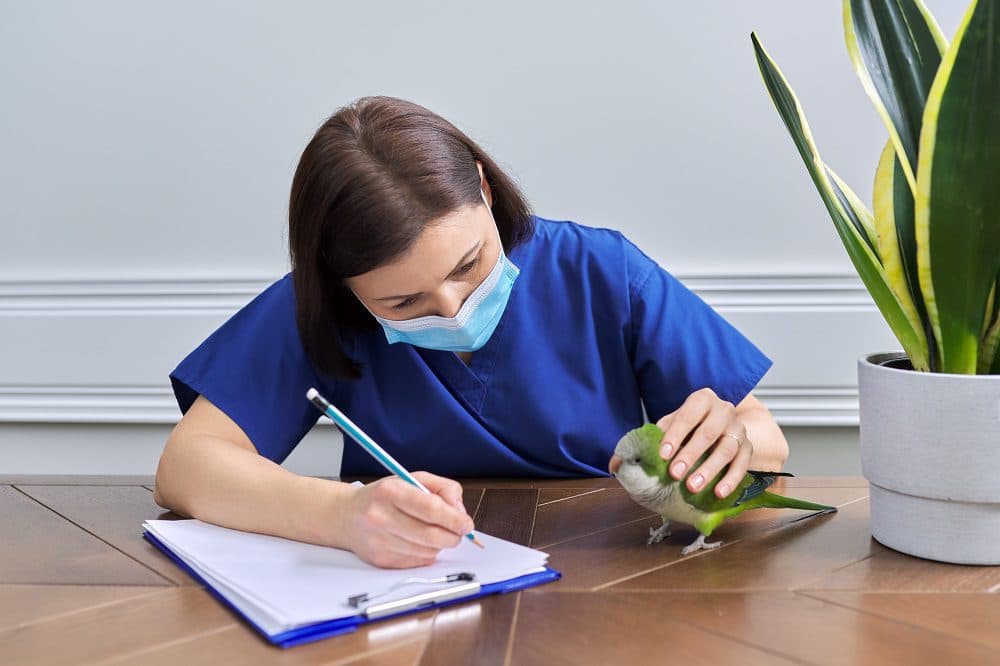
Finding the right veterinarian is one of the most important decisions you will make as a bird owner, and it is very different from finding a vet for a dog or a cat. Avian medicine is a distinct specialty. A bird's anatomy and physiology differ so profoundly from mammals that a well-meaning general-practice vet, without specific avian training, can miss the very signs that matter most. At Bird Sitting Toronto, where we board hundreds of birds every year, the owners whose birds do best almost always have one thing in common: they found a qualified avian vet and built the relationship before they ever needed it in a crisis.
Why a General-Practice Vet Is Often Not Enough
The instinct to bring a sick bird to whichever clinic is nearest is understandable, but bird physiology is genuinely unlike a dog's or cat's, and the differences change how illness is diagnosed and treated.
Birds have a flow-through respiratory system. Instead of lungs that expand and contract like a bellows, they move air in one direction through a network of thin-walled air sacs that extend deep into the body and even into some bones. They have no diaphragm. This system is astonishingly efficient — it is what powers flight at altitude — but it is also extremely vulnerable to airborne toxins, infection, and even the stress of improper handling. A vet who does not understand air-sac anatomy can restrain a bird in a way that suffocates it, or overlook a respiratory infection that a mammal-trained eye simply is not calibrated to catch.
Birds are also prey animals, and evolution has taught them to hide weakness. In the wild, a bird that looks sick is a bird that gets picked off, so your companion will instinctively mask symptoms until it is seriously unwell. By the time a bird looks "off" — fluffed, quiet, sitting on the cage floor — it may have been ill for days or weeks. Combined with a fast metabolism that means small species can decline within hours, this makes early, expert recognition critical. An avian vet knows what subtle changes to look for and how urgently to act.
Warning: A bird that is visibly unwell is often a genuine emergency, not a "watch and wait." Because birds mask illness so effectively, symptoms like laboured breathing, tail-bobbing, or sitting on the cage floor mean you should contact an avian vet the same day — do not wait for a routine appointment slot.
What "Board-Certified" Actually Means
You will see the phrases "avian vet," "bird-friendly clinic," and "board-certified" used loosely. They are not the same thing, and knowing the difference helps you judge who you are trusting with your bird.
The highest formal credential is board certification in Avian Practice through the American Board of Veterinary Practitioners (ABVP). A vet who holds this has passed a rigorous specialty examination and earns the title Diplomate, ABVP (Avian Practice). These specialists are relatively rare. Membership in the Association of Avian Veterinarians (AAV) is a strong signal too — it indicates a vet who actively pursues avian continuing education and stays current with avian veterinary consensus, even without board certification.
Tip: Board certification is the gold standard, but a non-certified vet who treats birds every week, maintains an active avian caseload, and belongs to the AAV can be an excellent, more accessible choice. Hands-on, current experience matters as much as the credential on the wall.
Where to Look in the Greater Toronto Area
Fortunately, several reputable organizations maintain directories to help you find a bird-savvy vet near you. In Ontario, you also have a licensing body you can use to verify that any vet is in good standing.
| Resource | What it gives you |
|---|---|
| Association of Avian Veterinarians (AAV) — aav.org | "Find a Vet" search for members with a genuine avian focus |
| American Board of Veterinary Practitioners (ABVP) — abvp.com | Directory of board-certified Avian Practice diplomates |
| Lafeber Company — lafeber.com | Avian-vet locator tool from a respected bird-nutrition authority |
| College of Veterinarians of Ontario (CVO) — cvo.org | Confirms an Ontario vet's licensure and standing (see note below) |
Note: The CVO licenses and regulates every veterinarian in Ontario, so it is the place to confirm a vet is legitimately licensed and in good standing. It does not, however, certify avian expertise — a valid CVO licence tells you a vet may legally practise, not that they are a bird specialist. Use it alongside, not instead of, the avian directories above.
If none of these turn up a specialist near you, don't panic. You can still find qualified help by:
- Calling nearby clinics and asking directly how many birds they see in a typical month, and which species.
- Asking fellow bird owners, local avicultural or parrot clubs, reputable breeders, and rescues for the name they trust.
- Contacting a teaching hospital or referral centre, which can often point you to the closest avian clinician.
Questions to Ask Before You Commit
Once you have a candidate, a short conversation tells you a great deal. A confident, bird-experienced vet will welcome these questions.
- How many birds do you see in an average week or month, and which species?
- Have you completed specialty training or board certification in avian medicine, or do you belong to the AAV?
- What in-house diagnostics can you run — bloodwork, radiographs, cultures, gram stains?
- How do you handle after-hours and weekend emergencies? Is there a referral or emergency hospital you work with?
- Do you recommend routine wellness exams for birds, and how often?
- Can you weigh my bird on an accurate gram scale and track its weight over time?
A vet who recommends annual wellness exams and monitors body weight in grams is thinking like an avian clinician. Weight is one of the earliest and most objective signals of trouble in a bird — a drop of even a few grams can matter in a small parrot.
Build the Relationship Before an Emergency
If your bird becomes ill or injured, every minute counts, and a crisis is the worst possible time to be searching for a vet who has never seen your bird. Do the groundwork now.
- Establish care while your bird is healthy. Book a first wellness exam so your vet has baseline weight, bloodwork, and a physical on file. That baseline is what makes the next visit diagnostic instead of guesswork.
- Weigh your bird at home weekly. A simple kitchen gram scale with a perch lets you catch slow declines early and give your vet real numbers.
- Keep the emergency plan visible. Post your avian vet's number, address, and after-hours instructions somewhere every family member can find them fast — on the fridge or beside the cage.
- Know your nearest after-hours option in advance. Confirm which emergency hospital your avian vet refers to, and keep that number too.
Tip: If you board your bird with us or travel, leave written vet-permission and your avian clinic's contact details with whoever is caring for your bird. It authorizes prompt treatment if something happens while you are away — the kind of delay-free response that can save a bird's life.
The Bottom Line
A qualified avian veterinarian is not a luxury; for a bird, it is basic, essential care. Take the time to find a vet who genuinely understands avian anatomy, who sees birds regularly, and whose credentials you have verified — then build that relationship before you ever need it in an emergency. Your bird hides illness by instinct, so the expert who can read the subtle signs, and the plan you put in place today, are what stand between a routine scare and a preventable loss.
Explore related topics
Related Articles
Aspergillosis in Birds: The Invisible Fungal Killer
Aspergillosis is one of the most common and deadly avian diseases. It's caused by a fungus that's everywhere in our environment.
The Avian First Aid Kit: 25 Essential Supplies Every Bird Owner Needs
When an emergency happens, you need supplies ready NOW. Here's what every bird owner should have on hand.
Bird Insurance: Is It Worth It? A Complete Guide to Avian Pet Insurance
A single emergency vet visit can cost $2000+. Pet insurance for birds exists — here's whether it's worth the premium.