Bird-Safe Homemade Household Cleaners You Can Make Today
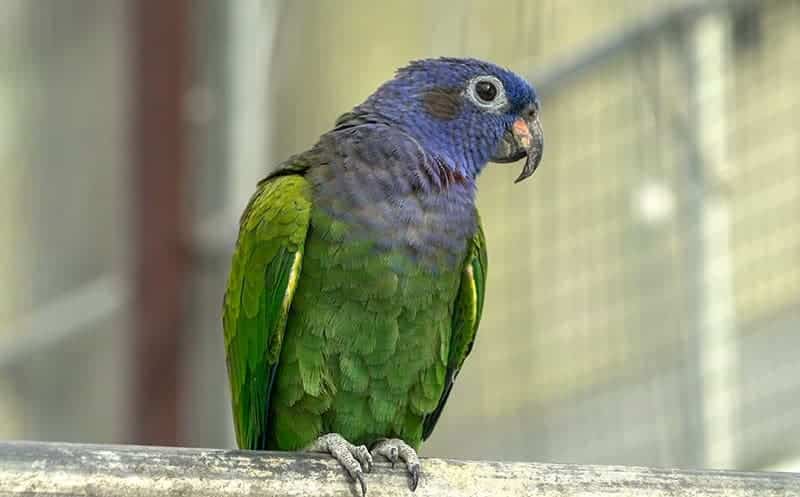
From window sprays to oven foams, your home is full of cleaning products you reach for without a second thought. In most households that is fine. When you share your home with a parrot, finch, or canary, it is not. A bird's respiratory system is the most efficient in the animal kingdom, and that same efficiency is exactly what makes it so vulnerable to anything floating in the air.
At Bird Sitting Toronto, where we board hundreds of birds every year, air quality is something we manage on purpose. The reassuring news is that you do not need a cabinet full of harsh chemicals to keep a clean home. A handful of pantry staples will handle almost every surface you own, for a fraction of the cost, without ever putting your flock at risk.
Why Birds Are So Sensitive to Fumes
Birds do not breathe the way you do. Air moves through the avian lung in a single direction and is stored in a network of air sacs that reach deep into the body, so a bird pulls oxygen from that air on both the inhale and the exhale. This one-way, high-throughput design is what makes powered flight possible. It also means that whatever is in the air gets absorbed quickly and completely, with very little margin for error.
The Merck Veterinary Manual notes that birds are far more susceptible to inhaled toxins than mammals, which is why a fume that merely stings a person's eyes can be lethal to a bird. The most notorious example is overheated non-stick (PTFE) cookware, but aerosol cleaners, plug-in and spray air fresheners, scented "refresher" products, and strong solvents all belong on the same watch list.
Warning: Signs of respiratory distress—tail-bobbing, open-mouth breathing, wheezing, sudden weakness, or a bird falling from its perch—are an emergency. Move the bird to fresh air at once, ventilate the room, and call your avian veterinarian or the nearest emergency clinic immediately.
Products Worth Retiring
Reports of birds falling seriously ill after exposure to carpet powders, bathroom aerosols, and glass cleaners are common enough that avian veterinary consensus treats scented and aerosolized cleaners as a genuine household hazard. Fabric refreshers, carpet-deodorizing powders, and stain-guard sprays are frequent culprits, because they hang in the air and then settle onto the surfaces a bird will later climb, chew, or preen.
Research in people has linked the frequent use of spray cleaners to a higher risk of adult-onset asthma. If a product can inflame a grown human's airway, assume it will do more to a bird's far more delicate one. You do not have to gamble here—the alternatives below genuinely work.
The Bird-Safe Pantry
Almost everything ahead comes down to four inexpensive ingredients.
| Ingredient | What it does | Use it for |
|---|---|---|
| Baking soda | Gentle abrasive, deodorizer | Scrubbing, ovens, carpets, drains |
| Distilled white vinegar | Cuts grease, dissolves mineral buildup | Glass, floors, mildew, drains |
| Liquid dish soap (small amount) | Lifts grease | Glass, soft-scrub paste |
| Borax | Boosts cleaning power | Tubs and tile (keep away from birds) |
Warning: Borax is useful but toxic if swallowed. Store it sealed and out of reach, and never use it anywhere a bird could contact the residue. When in doubt, leave it out—baking soda and vinegar cover the great majority of jobs on their own.
All-Purpose Cleaner
Good for countertops, floors, and sinks, and it helps deodorize your drain in the bargain.
- 1/4 cup baking soda
- 1 quart (about 1 L) water
Mix and pour into a spray bottle, or apply with a sponge.
Bathroom Cleaner
Skip the chemical-heavy brands. This mix is ideal for tubs, tiles, and sinks.
- 3 to 4 cups hot water
- 2 tsp borax
- 4 tbsp distilled white vinegar
- 1/4 tsp liquid dish soap
Combine in a spray bottle and use as needed.
Soft-Scrub Alternative
Stir baking soda together with a few drops of liquid soap into a paste, then scrub stubborn stains directly.
Mildew Tip
Full-strength white vinegar is a reliable, low-toxicity option for tackling mildew on hard surfaces. Spray it on, let it sit, then wipe. Keep the room well ventilated and your bird out of the area until the surface is dry and the smell has fully cleared.
Warning: Never mix vinegar with bleach. The combination releases chlorine gas that is dangerous to you and rapidly lethal to a bird.
DIY Drain Cleaner
For a slow or clogged drain:
- 1/2 cup baking soda
- 1/2 cup distilled white vinegar
- 1/2 cup table salt
Pour into the drain, wait 15 to 20 minutes, then flush with boiling water.
Glass and Mirror Cleaner
Option 1
- 1 cup distilled white vinegar
- 1 gallon (about 4 L) water
Option 2 — the grease-cutting favourite
- 1/2 tsp liquid soap
- 3 tbsp white vinegar
- 2 cups water
Shake before each use and store in a spray bottle.
Natural Oven Cleaner
Baking soda and water do the work overnight, with no aerosol foam required.
- Mist water across the bottom of your oven.
- Cover the damp surface with a thick layer of baking soda.
- Spray a little more water on top.
- Let it sit overnight, then scrub and wipe clean in the morning.
Furniture Polish
- 1/2 cup white vinegar or lemon juice
- 1 tsp olive oil
Mix in a glass jar, apply sparingly with a soft cloth, and buff to a shine. Store sealed for next time.
Carpet Deodorizer and Cleaner
- Odour removal: Sprinkle baking soda over the carpet, let it sit for about 15 minutes, then vacuum thoroughly.
- Stains: Use a citrus-based plant cleaner, or mix 12 drops of grapefruit seed extract into 1 gallon of water for shampooing.
Vinyl Floor Cleaner
- 1/2 cup distilled white vinegar
- 1 gallon (about 4 L) warm water
Damp-mop for a clean, streak-free finish.
A Note on Disinfecting Cages
Diluted vinegar deodorizes and cuts grime, but neither vinegar nor grapefruit seed extract is a registered disinfectant. For everyday cage maintenance, hot water and a vinegar solution are perfectly adequate. If a bird has been ill and you need to truly disinfect a cage, ask your avian veterinarian for a product proven safe around birds, and rinse it thoroughly before your bird returns.
Tip: Whatever you clean with, move your bird to a separate, well-ventilated room first, open a window, and let every surface dry fully before you bring your bird back. Even gentle cleaners are safest used away from those remarkable little lungs.
Final Thoughts
Switching to homemade, bird-safe cleaners protects your feathered companions and everyone else under your roof at the same time. The recipes here are cheap, effective, and free of the fumes that put sensitive airways at risk. Even in a bird-free home, trading harsh aerosol sprays for pantry staples is a smart, sustainable choice. In a home with birds, it is one of the simplest ways to keep your whole flock breathing easy.
Explore related topics
Related Articles
Cage Cleaning Schedule: The Daily, Weekly, and Monthly Checklist
A clean cage is essential for health. This checklist breaks down exactly what to clean and when.
Disinfectants for Birds: Prevention Starts with Cleanliness
The right disinfecting routine is one of the simplest ways to protect your bird from bacterial, viral, and parasitic disease. Here is how to clean first, disinfect second, choose a bird-safe product, and dilute bleach correctly — plus a comparison table and a quarantine protocol for new arrivals.
Why Good Hygiene Is Essential for Your Bird's Health
Companion birds depend on you for the clean environment they'd find naturally in the wild. Here's why hygiene is preventive medicine for a bird — from their uniquely sensitive air-sac respiratory system to the daily, weekly, and monthly routines that keep cages, food, water, and feathers disease-free.