Seeds vs. Formulated Diets: Finding the Right Nutritional Balance for Your Bird
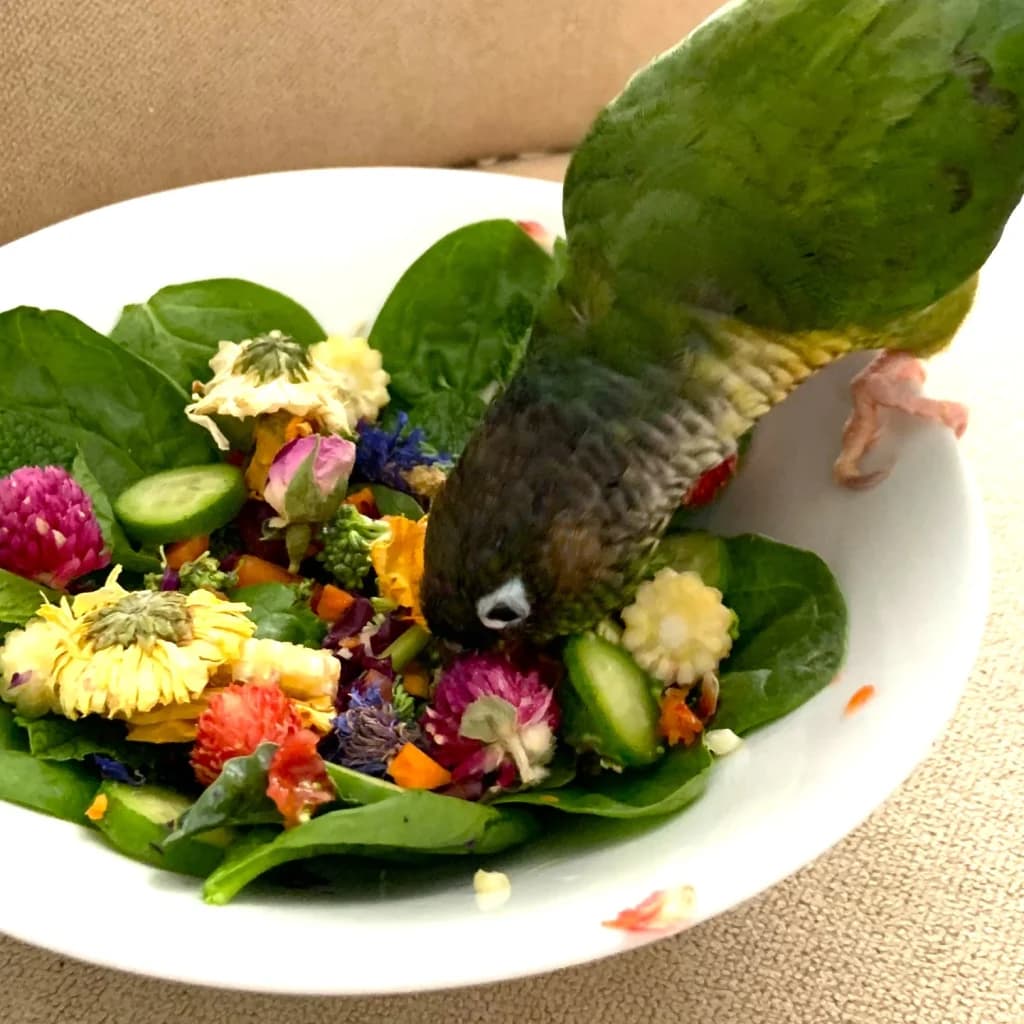
If you grew up thinking a bag of mixed seed was simply what you fed a pet bird, you are in very good company. For decades that was the standard advice. But avian veterinary consensus has moved on, and the reason is hard to argue with: a seed-only diet quietly drives malnutrition, vitamin deficiency, obesity, and a shorter life. At Bird Sitting Toronto, where we board hundreds of birds every year, the seed-heavy eaters are still some of the most common guests we meet — and their owners are almost always surprised to learn how much brighter and more active their bird could feel on a better plate.
This guide walks you through why a seed-only diet falls short, what a formulated diet does better, and exactly how to build a balanced plate your bird will actually eat.
Why a Seed-Only Diet Falls Short
Seeds are cheap, shelf-stable, and easy to find — but they are built to grow a plant, not to nourish a companion parrot. Fatty favorites like sunflower, safflower, and peanuts can run as high as 50 percent fat. That is a load no captive bird can burn off when it flies a tiny fraction of the distance its wild cousins cover every day.
The bigger problem is what seeds leave out. They are low in calcium, low in vitamin A, and short on several essential amino acids. The Merck Veterinary Manual identifies hypovitaminosis A — vitamin A deficiency — as one of the most common nutritional disorders in pet birds, and it is tightly linked to all-seed feeding. It surfaces as recurring respiratory infections, poor feather quality, and telltale swelling around the eyes, nostrils, and mouth. Feeding an all-seed diet is a little like letting a child live on potato chips: genuinely enjoyable, and nowhere near enough to thrive on.
A high-fat seed diet is associated with:
- Obesity
- Fatty liver disease (hepatic lipidosis)
- Fatty tumors (lipomas)
- Heart disease
- Dull, brittle feather condition
- Chronic vitamin A and calcium deficiency
Warning: A bird can look perfectly content while slowly becoming malnourished. Many nutritional diseases build over months or years with no obvious signs until they are advanced. An annual wellness exam with an avian veterinarian is your best chance to catch trouble early.
What Formulated Diets Do Better
Veterinarians and avian nutritionists now overwhelmingly recommend a formulated diet — pellets or extruded food — as the foundation of the plate. Instead of letting your bird pick out its favorite (and usually fattiest) morsels, a pellet bakes balanced nutrition into every bite: protein, measured fat, carbohydrate, and a complete vitamin and mineral profile. Organizations like the Association of Avian Veterinarians, along with manufacturers such as Lafeber and Harrison's, have designed these diets specifically to close the gaps a seed mix leaves open.
A quality formulated diet gives you:
- Balanced nutrition in every bite, not only in the pieces your bird prefers
- Far less need for separate vitamin and mineral supplements
- Less mess, with no seed hulls scattered across the room
- Support for a longer, healthier life
The one honest drawback? Pellets are boring. They lack the color, texture, and crack-and-forage payoff that makes seeds so engaging — which is precisely why so many birds resist the switch at first.
Building the Balanced Plate
For most parrots, avian nutrition experts recommend roughly the following split:
| Food group | Share of daily diet | Role |
|---|---|---|
| Formulated pellets | 75-80% | Nutritional foundation |
| Fresh vegetables and leafy greens | 20-25% | Vitamins, fiber, variety |
| Seeds and nuts | ~5% | Treats, training, enrichment |
Let vegetables lead the fresh portion. Dark leafy greens, squash, bell pepper, carrot, and other richly colored produce deliver the vitamin A that seeds simply cannot. Keep sugary fruit to a smaller share of the plate — think garnish, not centerpiece.
A few species break this mold, and it is worth knowing where your bird fits:
- Lorikeets and lories need a specialized nectar diet rather than pellets, and should avoid high-iron foods.
- Eclectus parrots are sensitive to synthetic additives and do best on a whole-food, vegetable-forward diet.
- Finches and canaries are passerines: a quality seed mix can stay a legitimate staple, rounded out with greens, egg food, and some pellets.
- Budgies and cockatiels should still be mostly pellets, but they convert slowly — lean hard on sprouts and chopped veg through the transition.
Tip: Grit is a myth for hookbill parrots. Unlike some seed-eating wild birds, parrots shell their seeds before swallowing and do not need grit to digest. Offering it can actually cause a dangerous crop or gizzard impaction.
Keeping Seeds in the Picture
Seeds do not have to disappear. In moderation they are a genuinely useful tool — a training reward, a foraging puzzle, a small daily joy. Cracking through a seed mimics natural foraging behavior and gives your bird's mind something to do. The trick is holding them to roughly 5 percent of the daily diet and choosing lower-fat, fortified blends over sunflower-heavy mixes.
Beyond seeds and pellets, you can keep the menu stimulating with:
- Soak-and-cook grain and legume blends
- Dehydrated or freeze-dried fruits and vegetables
- Birdie bread made with wholesome ingredients
- Foraging toys stuffed with healthy treats
- Homemade "chop" — a mash of finely chopped fresh produce
How to Transition a Seed Addict
Converting a committed seed-eater takes patience — often weeks, sometimes months — but it is one of the highest-return things you can do for your bird's health.
- Mix a small amount of pellets into the familiar seed.
- Slowly raise the pellet ratio over several weeks.
- Offer chopped veggies alongside the usual food to spark curiosity.
- Serve the new food first thing in the morning, when appetite is highest.
- Use foraging toys or birdie bread to "hide" the healthier options.
Warning: Never starve a bird onto a new diet. Birds have fast metabolisms and can decline dangerously fast if they stop eating. Confirm your bird is actually swallowing the new food — weigh it regularly on a gram scale — and work with an avian vet before any major dietary change.
The Bottom Line
Your bird's diet is one of the most powerful levers you hold over its health and lifespan. Seeds still have a place — for enrichment, training, and plain enjoyment — but as the garnish, not the meal. Build the plate on a quality formulated pellet, lead the fresh portion with vegetables, and keep seeds as an occasional treat. Do that, and you give your bird the strongest possible foundation for a long, bright, active life.
Explore related topics
Related Articles
Can Parrots Eat Human Food? A Complete Guide to Sharing Meals
Your parrot wants to eat off your plate. Which human foods are safe to share and which are dangerous?
The Complete Guide to Parrot Pellets: Brands, Conversion, and Myths
Pellets should be 50-70% of your parrot's diet, but not all pellets are equal. Here's everything you need to know.
Cooking for Your Parrot: 15 Recipes and Meal Ideas They'll Love
Variety is the spice of your parrot's diet. These easy recipes make feeding time exciting and nutritious.