Parrot Cage Size Guide: Choosing the Right Home for Your Bird
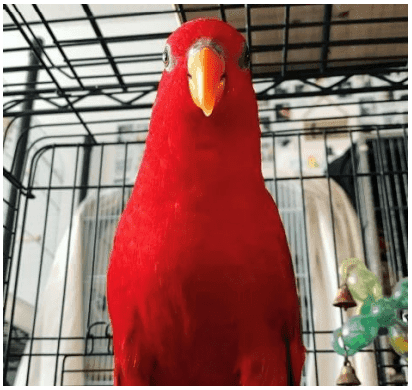
Choosing the right cage is one of the most important decisions you will make as a parrot owner. A cage is not just a place to sleep. It is your bird's home, gym, dining room, and playground all at once, and your bird will spend more waking hours inside it than anywhere else. Get the size, bar spacing, and materials right, and you give your parrot the foundation to stay physically healthy, mentally stimulated, and emotionally content.
At Bird Sitting Toronto, where we board hundreds of birds every year, the single most common housing problem we see is a cage bought a size too small. Here is how to avoid that.
Why Cage Size and Bar Spacing Matter
Birds need enough room to stretch both wings fully, climb, turn around, and move from perch to perch without brushing the bars or their own tail against them. A cramped cage is not a minor inconvenience. The Association of Avian Veterinarians and the Merck Veterinary Manual both link inadequate housing and understimulation to chronic stress behaviours in captive parrots, including feather-destructive behaviour (plucking), pacing, screaming, and aggression. A bird that has no space to be a bird will eventually tell you so.
Bar spacing and bar strength matter just as much as floor space, and for different reasons.
Warning: Bar spacing that is too wide is an entrapment and strangulation hazard. A small bird can push its head through gaps meant for a larger species, then panic and be unable to pull back out. When in doubt, size the bar spacing to your bird, never to the cage that looked nice in the store.
At the other end of the scale, a strong-beaked bird like a macaw or large cockatoo can bend or snap thin bars that were never engineered for that kind of force, letting the bird escape or injure itself. Match the bar gauge to the beak.
Minimum Cage Size and Bar Spacing by Species
Use the guide below to choose a safe minimum internal width, bar spacing, and bar thickness for your bird. These are minimums for a single bird spending part of the day out of the cage. Bigger is always better, and a pair or a bird that is caged for longer stretches needs more.
| Bird species | Bar spacing | Approx. bar thickness | Minimum internal width |
|---|---|---|---|
| Finch, Canary | 1/4″–1/2″ (6–13 mm) | Light gauge | 18″ (46 cm) |
| Parakeet (budgie), Parrotlet, Lovebird | 1/2″ (13 mm) | Light gauge | 20″ (51 cm) |
| Alexandrine, Cockatiel, Conure, Caique, Quaker, Pionus, Senegal | 5/8″–3/4″ (16–19 mm) | ~3 mm | 24″ (61 cm) |
| African Grey, Amazon, Eclectus, Small Cockatoo, Mini Macaw | 3/4″–1″ (19–25 mm) | ~4 mm | 32″ (81 cm) |
| Large Cockatoo, Large Macaw | 1″–1 1/4″ (25–32 mm) | ~5 mm | 36″ (91 cm) |
Tip: For small, fast fliers such as finches, canaries, and budgies, prioritize horizontal width over height. These birds fly side to side rather than climbing, so a long, wide cage gives them far more usable exercise space than a tall, narrow one of the same footprint. For climbers like conures, greys, and cockatoos, height and generous horizontal bars for gripping matter more.
Additional Cage Considerations
- Height and depth matter too. Width drives wing-flapping room, but the cage also has to be tall and deep enough to hold perches, toys, and climbing structures without turning the interior into an obstacle course.
- Door size. A large front door makes it far easier to clean, rearrange toys, and lift your bird out calmly without a stressful grab through a small opening.
- Easy-to-clean design. Removable trays, a grate over the substrate, and accessible corners keep the cage hygienic with minimal effort, which means it actually gets cleaned on schedule.
- Non-toxic coating. Choose stainless steel or a quality powder-coated cage free of zinc and lead. VCA Animal Hospitals identifies these heavy metals, often found in cheap coatings, hardware, and imported cages, as a real cause of poisoning in birds that chew their bars. Skip galvanized wire.
- Wheelbase or casters. A cage on locking casters lets you roll your parrot into a different room for a change of scenery, or out of the way for cleaning, without dismantling anything.
Common Mistakes to Avoid
- Choosing a cage for looks over function. A beautiful cage that is too small is still too small.
- Repurposing cages built for rodents or reptiles, which almost always have unsafe bar spacing and materials.
- Ignoring height for birds that love to climb and hang.
- Buying without checking the door size and feeder-access points, and only discovering the problem at daily cleaning time.
Final Thoughts
Your parrot spends a large share of its life inside its cage, so make it a space that encourages natural behaviors, exercise, and comfort rather than one that quietly limits them. Always buy the largest, safest, and most practical cage your budget and space allow. It is one of the best investments you can make in your bird's long-term health and happiness.
Explore related topics
Related Articles
Best Cage Liners and Substrates: What to Put on the Bottom of Your Bird's Cage
The cage floor matters more than you think. The right liner makes cleaning easy and health monitoring possible.

Setting Up the Perfect Bird Cage: Size, Placement, and Accessories
The cage is your bird's home base. Getting it right affects their health, happiness, and behavior.

Best Practices for Parrot Cage Placement at Home
Where you put the cage matters as much as the cage itself. A room-by-room guide to placing your parrot for safety and social connection: the safe-back corner rule, perch height, windows and overheating, Canadian-winter temperatures and drafts, escape risks, and a dark sleep zone — plus a quick-reference checklist.