Setting Up the Perfect Bird Cage: Size, Placement, and Accessories

Creating a Safe Haven: Your Bird's Home Away from Home
Your bird's cage isn't just a place to keep them contained — it's their sanctuary, their safe space, and for many birds, where they'll spend a significant portion of their day. In our experience boarding over 1,000 birds at BST, we've seen firsthand how the right cage setup can make all the difference in a bird's happiness and wellbeing.
The good news is that setting up the perfect bird cage doesn't have to be overwhelming. With the right knowledge about size, placement, and accessories, you can create a space where your feathered friend will truly thrive.
Cage Size: Bigger is Always Better
Here's the thing about cage sizes — the minimums you see in pet stores are exactly that: minimums. Your bird deserves more space to spread their wings, literally and figuratively.
Minimum Cage Dimensions by Species
| Bird Size/Type | Minimum Width | Minimum Depth | Minimum Height |
|---|---|---|---|
| Finches, Canaries | 24 inches | 16 inches | 20 inches |
| Budgies, Lovebirds | 30 inches | 18 inches | 24 inches |
| Cockatiels | 36 inches | 24 inches | 30 inches |
| Conures (Small) | 36 inches | 24 inches | 30 inches |
| Conures (Large) | 48 inches | 30 inches | 36 inches |
| African Greys | 48 inches | 36 inches | 60 inches |
| Amazons | 48 inches | 36 inches | 60 inches |
| Macaws (Small) | 60 inches | 40 inches | 72 inches |
| Macaws (Large) | 72 inches | 48 inches | 84 inches |
Pro Tip: If you're choosing between a taller or wider cage, go wider. Birds fly horizontally in nature, so horizontal space is more valuable than vertical space for most species.
Bar Spacing Matters
The spacing between cage bars is crucial for your bird's safety. Too wide, and your bird could get their head stuck or escape. Too narrow, and they might catch their toes or feel cramped.
- Finches, Canaries: 1/4 to 1/2 inch spacing
- Budgies, Lovebirds: 1/2 inch spacing
- Cockatiels, Small Conures: 1/2 to 5/8 inch spacing
- Large Conures, Amazons, African Greys: 5/8 to 3/4 inch spacing
- Macaws: 3/4 to 1 inch spacing
Cage Shape and Material: Function Over Fashion
Why Rectangular is Best
We see this often at BST — bird parents drawn to beautiful round or ornate cages that look stunning in photos but aren't ideal for their birds. Rectangular cages are superior because:
- Birds naturally seek corners for security and comfort
- Round cages can cause psychological stress and feather plucking
- Rectangular shapes provide better flight paths
- They're easier to place accessories without crowding
Choosing the Right Material
Not all cage materials are created equal, and some can actually be dangerous for your bird.
Stainless Steel (Best Choice):
- Non-toxic and safe
- Easy to clean and sanitize
- Durable and long-lasting
- Worth the investment for larger birds
Powder-Coated Steel (Good Alternative):
- More affordable than stainless steel
- Safe when coating is intact
- Ensure it's lead-free and zinc-free
- Monitor for chipping or wear
Materials to Avoid:
- Galvanized metal (contains zinc, which is toxic)
- Brass or copper (can contain lead)
- Any cage with chipping paint or rust
Warning: Never use a cage made with galvanized metal or one where you're unsure of the coating. Zinc toxicity is a serious health risk for birds.
Strategic Cage Placement: Location, Location, Location
Where you place your bird's cage in your home significantly impacts their comfort and wellbeing. We've learned from years of bird boarding that placement can make or break a bird's happiness.
The Perfect Spot
Against a Wall:
- Provides security with a "safe" side
- Reduces stress from feeling exposed
- Gives your bird a sense of territory
In a Social Area:
- Birds are flock animals and want to be part of the action
- Living rooms or family rooms are typically ideal
- Avoid isolating them in bedrooms or basements
Natural Light Without Direct Sun:
- Near a window for natural light cycles
- Avoid direct sunlight that can overheat
- Consider UV-blocking window film if needed
Areas to Avoid
Kitchen:
- Cooking fumes, especially from non-stick pans, can be deadly
- Temperature fluctuations from cooking
- Risk of food contamination
Bathroom:
- Humidity fluctuations from showers
- Cleaning chemical exposure
- Limited social interaction
High-Traffic Doorways:
- Constant commotion can cause stress
- Risk of cage being bumped or knocked
Important: Keep your bird's cage away from air vents, drafts, and areas with extreme temperature changes. Birds are sensitive to sudden environmental shifts.
Essential Accessories: Creating Comfort and Enrichment
Perches: Variety is Key
The single most important accessory in your bird's cage is their perches. In nature, birds perch on branches of varying sizes and textures, and we should replicate this diversity.
Perch Materials:
- Natural wood branches: Apple, willow, or birch (avoid cherry, oak, or treated wood)
- Rope perches: Soft on feet but monitor for fraying
- Mineral perches: Help naturally trim nails
- Avoid: Sandpaper perches (too abrasive) or smooth dowel rods only
Sizing:
- Provide perches of different diameters
- Your bird's foot should wrap about 2/3 around the perch
- Include at least one perch wide enough for comfortable sleeping
Food and Water Dishes
Stainless steel or ceramic dishes are best:
- Easy to clean and sanitize
- Won't harbor bacteria like plastic can
- Durable and chew-resistant
Placement tips:
- Position away from perches to avoid contamination
- Use separate dishes for different foods
- Consider elevated feeders for larger birds
Toys: Mental Stimulation Matters
Birds need mental stimulation to prevent boredom and behavioral issues. Rotate toys regularly to maintain interest.
Safe toy materials:
- Untreated wood
- Vegetable-dyed leather
- Stainless steel chains
- Natural fibers like cotton rope
Avoid:
- Galvanized metal
- Brittle plastic that can splinter
- Toys with small parts that could be swallowed
Pro Tip: The "one toy per week" rule works well — have several toys and rotate them weekly to keep your bird engaged and curious.
Maintaining a Clean and Healthy Environment
A clean cage is essential for your bird's health, and establishing a routine makes it manageable.
Daily Tasks (5 minutes)
- Change food and water
- Remove uneaten fresh foods
- Quick spot-clean of any obvious messes
- Check that toys and perches are secure
Weekly Tasks (30 minutes)
- Replace cage liner/substrate
- Wash food and water dishes thoroughly
- Wipe down cage bars and surfaces
- Rotate or replace toys
- Check perches for wear or damage
Monthly Deep Clean (1-2 hours)
- Complete cage disassembly and thorough cleaning
- Sanitize all accessories and toys
- Inspect cage for any damage or wear
- Replace any worn perches or toys
- Clean surrounding area thoroughly
Pro Tip: Use bird-safe cleaners or a simple vinegar-water solution. Avoid harsh chemicals, aerosols, or anything with strong scents near your bird's cage.
Final Thoughts
Setting up the perfect bird cage is an investment in your feathered friend's quality of life. Remember, your bird may spend 12-14 hours a day in their cage, so every detail matters. Start with the basics — appropriate size, safe materials, and good placement — then add enrichment through varied perches, engaging toys, and a consistent cleaning routine.
The effort you put into creating the ideal environment will pay dividends in your bird's health, happiness, and behavior. A well-set-up cage isn't just a home for your bird — it's the foundation for a thriving, joyful relationship between you and your feathered companion.
Explore related topics
Related Articles
Best Cage Liners and Substrates: What to Put on the Bottom of Your Bird's Cage
The cage floor matters more than you think. The right liner makes cleaning easy and health monitoring possible.
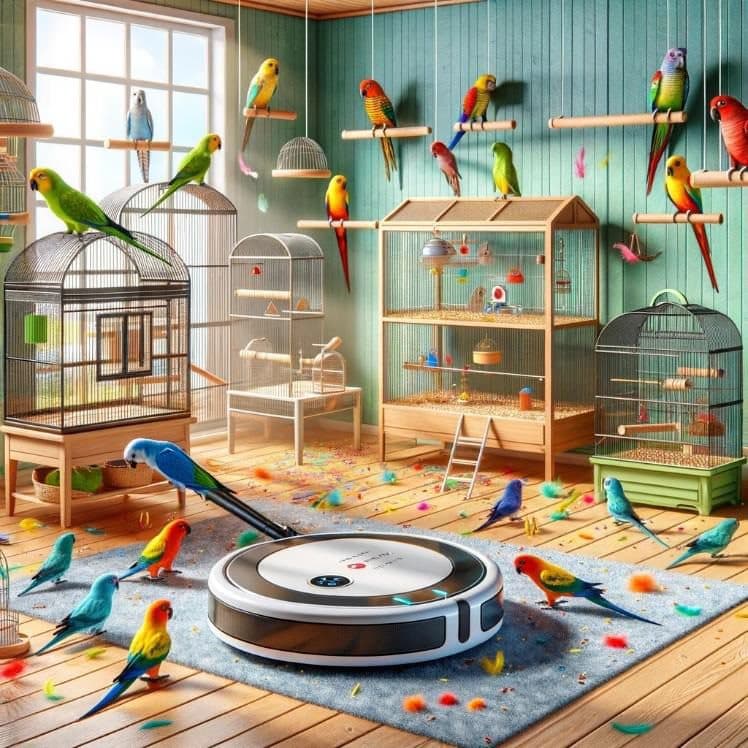
Best Practices for Parrot Cage Placement at Home
Where you put the cage matters as much as the cage itself. A room-by-room guide to placing your parrot for safety and social connection: the safe-back corner rule, perch height, windows and overheating, Canadian-winter temperatures and drafts, escape risks, and a dark sleep zone — plus a quick-reference checklist.
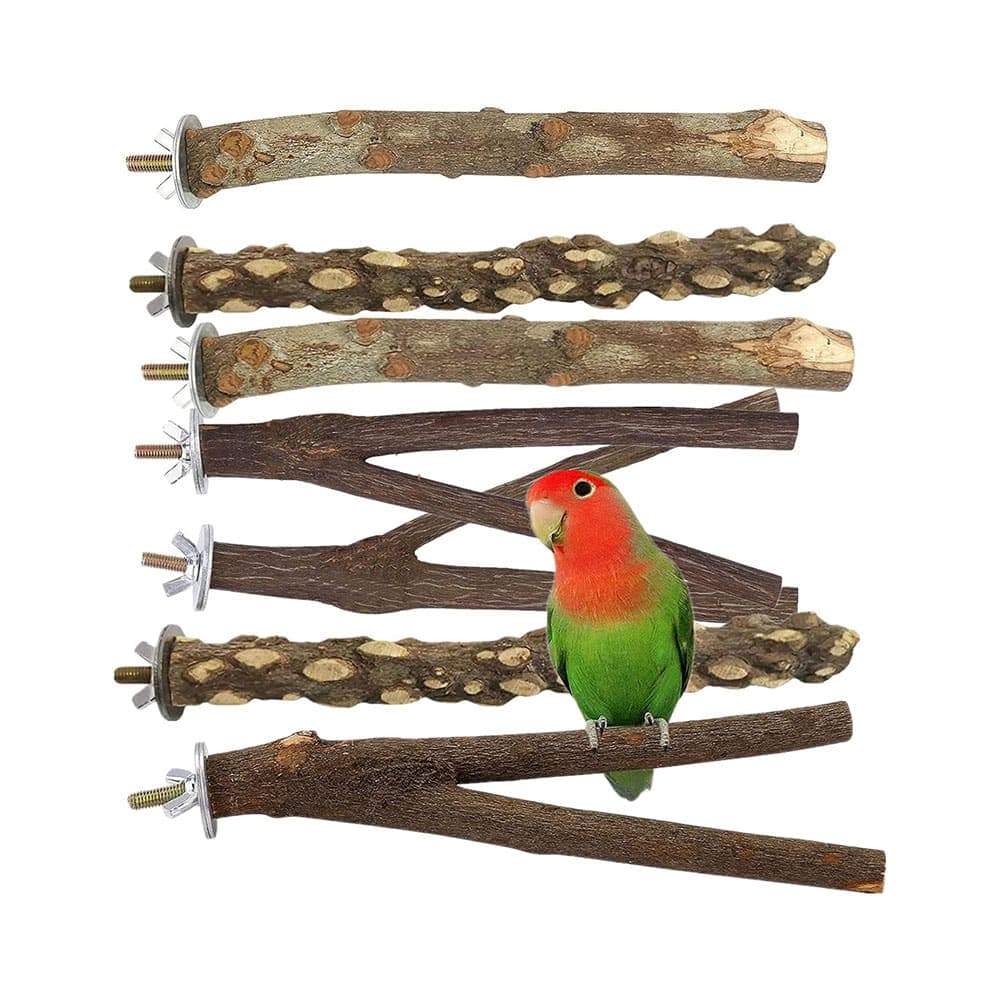
Choosing the Best Perch Material for Your Bird: A Complete Comparison Guide
The right perch is as important as the right cage. Compare natural wood, rope, cement, PVC, leather, dowels, and rubber, learn how to size perch diameter in cm and inches, and set up a varied environment that protects your bird's feet.