Best Cage Liners and Substrates: What to Put on the Bottom of Your Bird's Cage
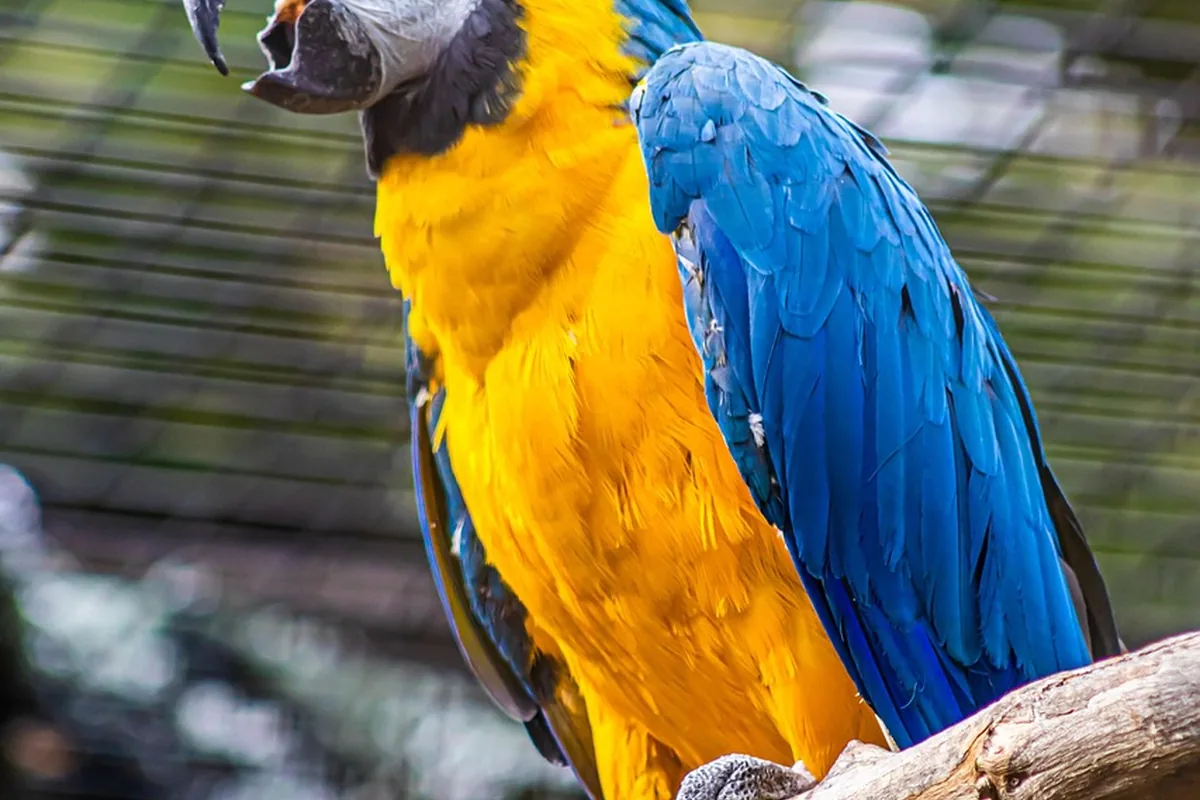
The Foundation of Good Bird Care
When you're setting up your bird's cage, one of the most important decisions you'll make is also one of the simplest: what to put on the bottom. This choice affects your bird's health, your ability to monitor their wellbeing, and your daily cleaning routine. In our experience boarding over 1,000 birds at Bird Sitting Toronto, we've seen the good, the bad, and the downright dangerous when it comes to cage substrates.
The good news is that the best option is also the cheapest and most readily available. Let's dive into everything you need to know about cage liners and substrates.
The Gold Standard: Plain Newspaper and Butcher Paper
Here's the thing — sometimes the simplest solution really is the best. Plain newspaper or white butcher paper is hands down the superior choice for your bird's cage bottom, and here's why:
Droppings Monitoring Made Easy The light background allows you to easily spot changes in your bird's droppings — one of the most important early indicators of health issues. You can quickly assess:
- Color changes that might indicate illness
- Consistency variations
- Frequency patterns
- Presence of blood or unusual materials
Practical Benefits
- Cost-effective: Newspaper is often free, butcher paper is inexpensive
- Easy daily changes: Simply roll up and replace
- Absorbent: Soaks up moisture effectively
- Safe: No harmful chemicals or materials
- Readily available: You can find these materials anywhere
Pro Tip: Save the colored advertising sections for other uses — stick with black and white newsprint or plain butcher paper to maintain that crucial contrast for droppings monitoring.
How to Use Newspaper Effectively
- Use 2-3 layers for better absorption
- Change daily (or twice daily for messier eaters)
- Fold edges up slightly to contain scattered food
- Keep a stack nearby for quick changes
Acceptable Alternatives
While newspaper remains our top recommendation, these alternatives can work in certain situations:
Paper Towels
Pros:
- Highly absorbent
- Clean appearance
- Easy to change
- Good for droppings monitoring
Cons:
- More expensive than newspaper
- May need changing more frequently
- Can be wasteful for larger cages
Best for: Smaller birds, travel cages, or when you want an extra-clean appearance for guests.
Commercial Cage Liner Paper
Pros:
- Designed specifically for birds
- Often comes in convenient pre-cut sizes
- Usually white or light-colored for monitoring
- Some have odor control features
Cons:
- Significantly more expensive
- Not always readily available
- Essentially the same function as newspaper
These can be worth the extra cost if convenience is important to you, but they don't offer significant advantages over newspaper.
What to Avoid at All Costs
We see these dangerous substrates far too often, and they can seriously harm your bird:
Corn Cob Bedding
Why it's dangerous:
- Harbors Aspergillus fungus, which causes deadly respiratory infections
- Can cause crop impaction if ingested
- Retains moisture, creating perfect conditions for bacterial growth
Warning: Despite being marketed for birds, corn cob bedding is one of the most dangerous substrate choices you can make.
Wood Shavings and Chips
Problems include:
- Cedar and pine contain aromatic oils toxic to birds' sensitive respiratory systems
- Create dust that can irritate airways
- Can harbor mites and other parasites
- May contain harmful chemicals from processing
Walnut Shell Litter
Risks:
- Hard pieces can cause serious injury if ingested
- Expensive and unnecessary
- Doesn't provide the visibility needed for health monitoring
Sand and Gravel
Dangers:
- High risk of crop impaction — birds often ingest these materials
- Can cause severe digestive blockages requiring emergency surgery
- Provides no health monitoring benefits
Cat Litter (Any Type)
Why it's toxic:
- Contains chemicals and fragrances harmful to birds
- Clay-based litters create dangerous dust
- Risk of ingestion and poisoning
- Never appropriate for any bird species
Important: If your bird has ingested any of these dangerous materials, contact an avian veterinarian immediately. Time is critical in these situations.
The Critical Importance of Droppings Monitoring
Your bird's droppings are like a daily health report card. Changes often appear in droppings before you notice other symptoms, making this monitoring absolutely essential for early disease detection.
What Normal Droppings Look Like
Healthy bird droppings have three components:
- Feces (solid, colored portion)
- Urates (white/cream chalky portion)
- Urine (clear liquid portion)
Warning Signs to Watch For
- Color changes (yellow, bright green, black, red)
- Consistency changes (too watery or too dry)
- Unusual odor
- Decrease in frequency
- Presence of blood or undigested food
Why White/Light Backgrounds Matter
On newspaper or white paper, these changes are immediately visible. On colored or textured substrates, you might miss critical early warning signs until your bird is seriously ill.
The Grate Debate: To Use or Not to Use
Many cages come with metal grates that sit above the substrate. Here's our take:
Benefits of Using a Grate
- Keeps birds away from droppings and spilled food
- Prevents substrate ingestion
- Can reduce bacterial exposure
Drawbacks of Grates
- Makes it harder to monitor droppings closely
- Can trap toes or cause foot injuries
- Creates additional cleaning surfaces
- May prevent natural foraging behaviors
Our Recommendation
For most pet birds, we recommend removing the grate. The benefits of close droppings monitoring outweigh the advantages of separation, especially when you're changing substrate daily. However, if your bird has a history of eating inappropriate materials, a grate might be necessary.
Setting Up Your Cage Bottom for Success
Daily Routine
- Morning inspection: Check droppings before changing substrate
- Quick change: Remove old paper and replace with fresh
- Spot cleaning: Address any wet areas or large messes immediately
- Evening check: Monitor output throughout the day
Weekly Deep Clean
- Thoroughly clean and disinfect the cage bottom
- Check for any damage to the cage floor
- Ensure proper fit of new substrate
Emergency Preparedness
Always keep extra newspaper or paper on hand. Birds don't take sick days, and neither should your cage maintenance routine.
Final Thoughts
The bottom line is beautifully simple: keep it simple. Plain newspaper or butcher paper provides everything your bird needs in a cage substrate — safety, health monitoring capability, and ease of maintenance. Don't let marketing convince you that expensive or "natural" alternatives are better for your feathered friend.
In our years of experience caring for birds, we've seen that the most successful bird parents are often those who focus on the fundamentals. A clean, safe cage bottom changed daily with careful attention to droppings is one of the most important gifts you can give your bird.
Your bird's health depends on your ability to spot problems early, and that starts with what's underneath their feet. Choose newspaper, change it daily, and watch carefully — your bird will thank you with years of healthy, happy companionship.
Explore related topics
Related Articles
Setting Up the Perfect Bird Cage: Size, Placement, and Accessories
The cage is your bird's home base. Getting it right affects their health, happiness, and behavior.
Best Practices for Parrot Cage Placement at Home
Where you put the cage matters as much as the cage itself. A room-by-room guide to placing your parrot for safety and social connection: the safe-back corner rule, perch height, windows and overheating, Canadian-winter temperatures and drafts, escape risks, and a dark sleep zone — plus a quick-reference checklist.
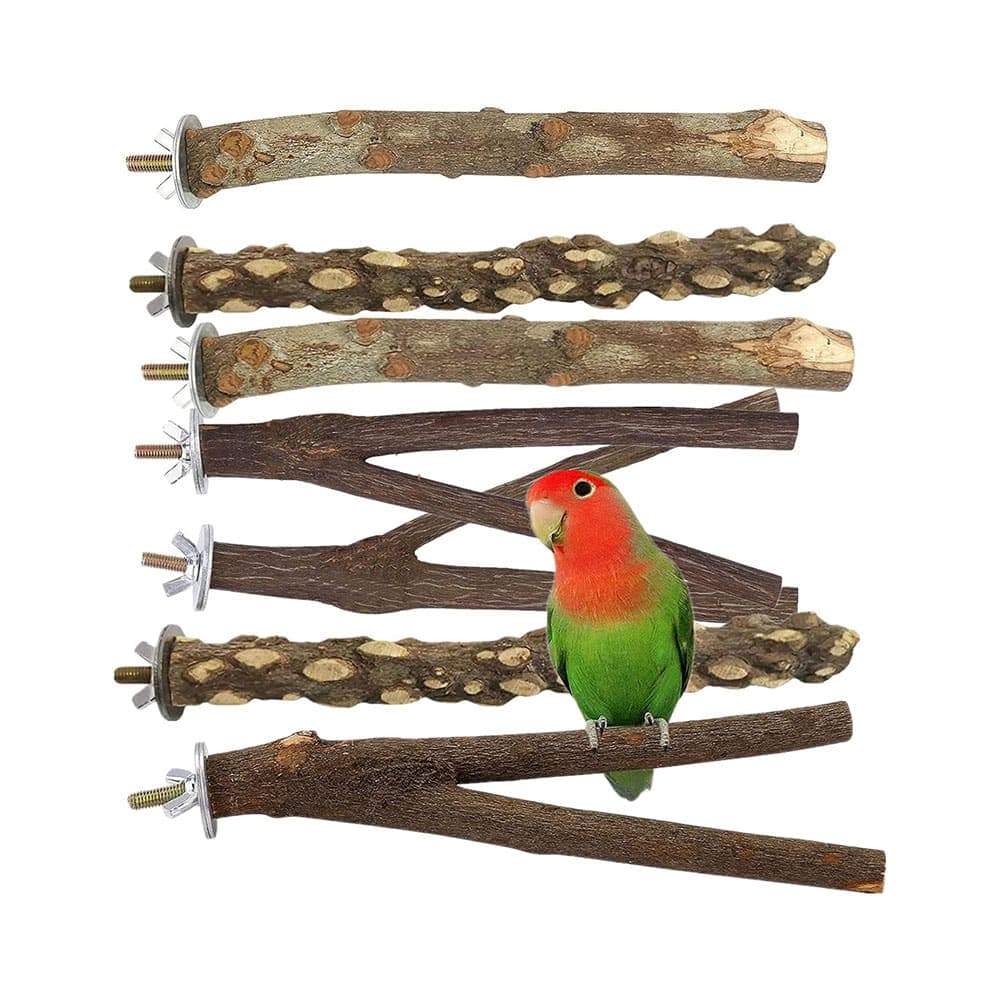
Choosing the Best Perch Material for Your Bird: A Complete Comparison Guide
The right perch is as important as the right cage. Compare natural wood, rope, cement, PVC, leather, dowels, and rubber, learn how to size perch diameter in cm and inches, and set up a varied environment that protects your bird's feet.