Essential Food Safety Tips for Feeding Your Parrot
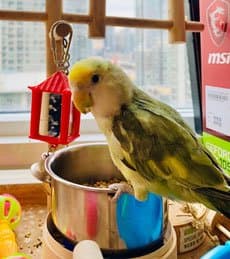
Choosing a well-balanced diet is one of the best things you can do for your parrot's health. But a good diet only helps if the food reaching the bowl is actually safe. Birds are small, fast-metabolizing animals, and a portion of spoiled produce or a nibble of the wrong food can affect them far more quickly than it would a dog or a cat. At Bird Sitting Toronto, where we board hundreds of birds every year, food handling is one of the quiet routines that keeps every guest healthy — and it is easy to bring the same standard home.
This guide covers what a safe parrot diet looks like, how to prepare and store food, which foods to avoid outright, and the warning signs that mean it is time to call your avian veterinarian.
Why Food Safety Matters More for Birds
A parrot's body runs hot and fast. A budgie weighs only about 30 g, a cockatiel roughly 90 g, and even a large macaw tops out around 1,000 g or a little more. With so little body mass, a bird has almost no buffer against a bacterial load or a toxin that a much larger animal might shrug off. Birds also instinctively hide illness — a survival trait from the wild — so by the time you notice something is wrong, they are often already unwell.
That is why prevention beats treatment. Clean food, clean water, and clean bowls are the everyday habits that keep problems from ever starting.
Start With a Sound Diet
Before we talk about handling, it helps to know what should be in the bowl in the first place. For most parrots, avian veterinary consensus and organizations like the Association of Avian Veterinarians favour a pellet-based diet:
| Component | Share of the diet | Notes |
|---|---|---|
| Formulated pellets | ~75–80% | A complete, fortified base that prevents the vitamin-A and calcium deficiencies common on seed-only diets |
| Fresh vegetables and greens (veg-forward) | ~20–25% | Leafy greens, squash, carrot, bell pepper, small amounts of fruit |
| Seeds and nuts | ~5% | Treats and training rewards only — not a staple |
A few species are exceptions worth knowing:
- Lorikeets and lories need a specialized nectar diet rather than pellets, and they should avoid high-iron foods.
- Eclectus parrots are additive-sensitive and do best on a whole-food, veg-forward diet.
- Finches and canaries (passerines) can keep a quality seed mix as a staple alongside greens, egg food, and some pellets — and they are hands-off birds.
- Budgies and cockatiels should still be mostly pellets, but they convert slowly, so lean on sprouts and vegetables while you transition them.
Warning: Hookbill parrots do not need grit. Unlike some seed-eating birds that swallow whole seeds, parrots shell their food and digest it without stones in the gizzard. Offering grit can lead to crop or gastrointestinal impaction. Skip it unless your avian vet specifically prescribes it.
Preparing and Storing Food Safely
Fresh foods are wonderful, but they are also where most contamination risks live. A few habits keep them safe:
- Wash all fresh fruits and vegetables. Rinsing under running water removes pesticide residue, fungicides, and surface bacteria.
- Inspect for mould and spoilage. Discard anything soft, slimy, or fuzzy. Mould can produce toxins that are dangerous to birds in tiny amounts.
- Store dry and fresh food properly. Keep pellets and seed in clean, airtight containers away from heat and light, and refrigerate cut produce.
- Cool hot foods before serving. A parrot's crop can be burned by food that feels only warm to you. Serve cooked items at room temperature.
Tip: Keep a second set of bowls in rotation. While one set soaks or air-dries, the clean set goes into the cage — so bowl-washing never becomes the reason a dish gets skipped.
The Two-Hour Rule
Perishable food left in a warm cage is a breeding ground for bacteria. The danger zone — the temperature range where bacteria multiply fastest — sits roughly between 4°C and 60°C (40°F to 140°F), which is exactly where your bird's room sits all day.
Remove any fresh or cooked food after two hours (one hour on a hot Toronto summer afternoon or near a sunny window). Pellets and dry seed can stay down longer, but wet foods, chop, and cooked items should come out on schedule.
Cleaning and Water Safety
Dirty bowls undo even the best diet. Build these into your daily routine:
- Wash food and water bowls daily in hot, soapy water. Food residue and dropped bits feed bacteria overnight.
- Disinfect a few times a week. A diluted, unscented bleach solution at about 1:32 (roughly 1 tablespoon of bleach per 500 mL / 2 cups of water) is an effective, bird-safe sanitizer. Rinse thoroughly and let bowls air-dry completely before they go back in the cage — bleach fumes and residue are harmful to birds.
- Provide fresh water daily, and refresh it again if your bird dunks food or drops droppings in the dish.
- Separate the food and water bowls. Positioning them apart discourages your parrot from turning the water dish into soup.
- Consider a water bottle if your bird is a dedicated dunker — just confirm they know how to use it before you remove the open dish, so they never go without water.
Foods That Are Toxic to Birds
Some foods are genuinely dangerous and should never reach your parrot. The table below covers the most important ones and why they are harmful:
| Food | Why it is dangerous |
|---|---|
| Avocado | Contains persin, which can cause heart failure in birds |
| Chocolate | Theobromine (and caffeine) are toxic to birds |
| Coffee, tea, energy drinks | Caffeine affects the heart and nervous system |
| Alcohol | Toxic to the liver and nervous system in any amount |
| Onions and garlic | Damage red blood cells, causing anemia |
| Fruit pits and apple seeds | Cyanogenic — release cyanide when chewed |
| Uncooked (dried) beans | Contain hemagglutinin, a natural toxin destroyed only by cooking |
| Salt and salty snacks | Birds are highly sensitive to sodium |
| Mushrooms | Many species contain compounds that are toxic to birds |
Warning: Never let your parrot near the kitchen when non-stick cookware is heating. Overheated PTFE-coated (Teflon-style) pans release fumes that are invisible, odourless, and rapidly fatal to birds. This is a leading cause of sudden household bird deaths.
Other Foods to Limit
These are not acutely toxic, but they cause problems over time and are best kept off the menu:
- Highly processed, sugary, or heavily salted foods
- Fatty or fried foods, which contribute to obesity and fatty liver disease
- Dairy products — birds lack the enzymes to digest lactose well
Introducing New Foods Safely
Parrots are naturally neophobic — cautious of anything unfamiliar — so a bird ignoring a new vegetable is normal, not a rejection. Offer new foods repeatedly and in different forms (chopped, shredded, skewered, or mixed into a favourite). Introduce one new item at a time so that if your bird has a reaction, you know exactly what caused it.
When to Call Your Avian Vet
Because birds hide illness, changes around food deserve attention. Contact your avian veterinarian if you notice:
- A sudden drop in appetite or a bird that stops eating entirely
- Vomiting or regurgitation onto surfaces (different from normal courtship feeding)
- Changes in the colour, consistency, or volume of droppings that last more than a day
- Lethargy, fluffed feathers, or sitting low and still on the perch
- Any known ingestion of a toxic food or exposure to non-stick fumes
This is not an exhaustive list of hazards, and every bird is a little different. When in doubt about a food or a symptom, ask your avian vet before offering something new. A quick question now is always cheaper than an emergency later — and it is exactly the kind of care that keeps your parrot thriving for years.
Explore related topics
Related Articles
Can Parrots Eat Human Food? A Complete Guide to Sharing Meals
Your parrot wants to eat off your plate. Which human foods are safe to share and which are dangerous?
The Complete Guide to Parrot Pellets: Brands, Conversion, and Myths
Pellets should be 50-70% of your parrot's diet, but not all pellets are equal. Here's everything you need to know.
Cooking for Your Parrot: 15 Recipes and Meal Ideas They'll Love
Variety is the spice of your parrot's diet. These easy recipes make feeding time exciting and nutritious.