Reading Your Eclectus: Behaviour, Body Language & the Zen Temperament
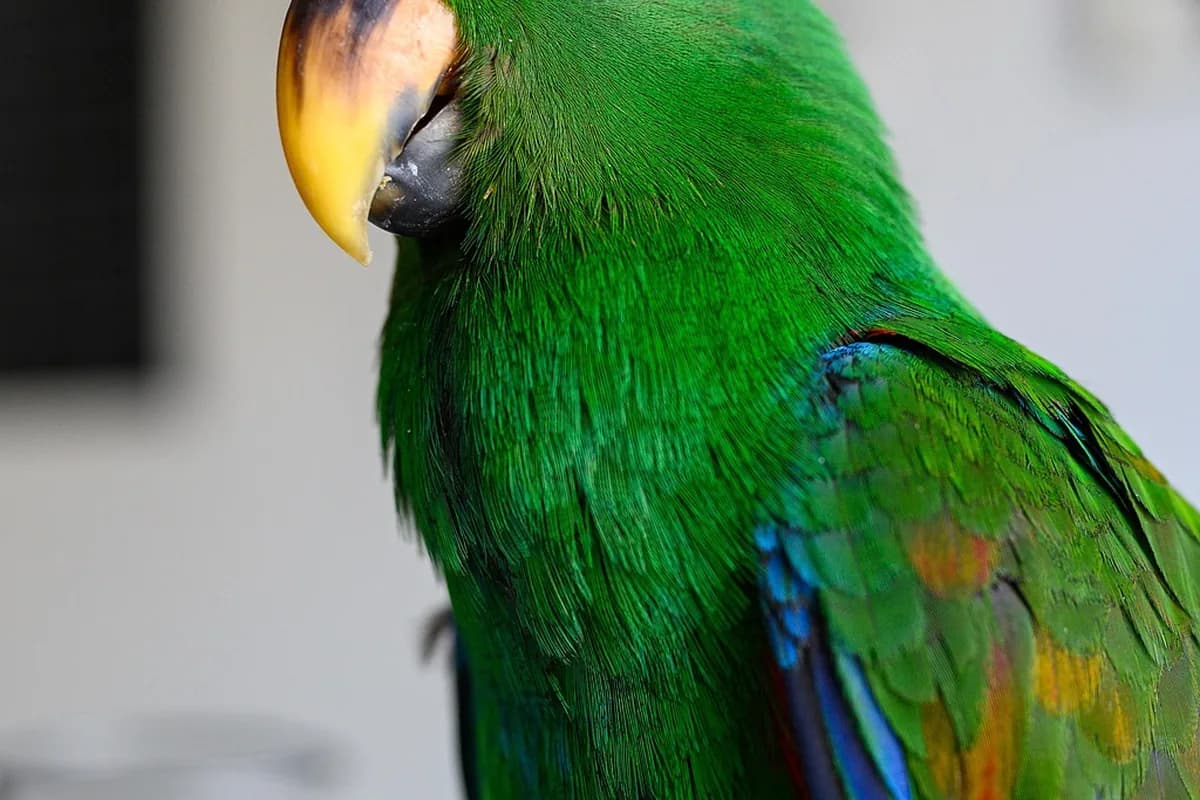
Spend a day with an Eclectus and you'll notice something unusual for a parrot: the stillness. Where a conure bounces and a cockatoo clamours, the Eclectus tends to sit, watch, and take a room in before deciding what to do. Owners often call it the "zen" parrot. That calm is real, but it can also make an Eclectus easy to misread — a bird that gives quiet, subtle signals is a bird whose warnings are easy to miss. At Bird Sitting Toronto, where we board hundreds of parrots a year, learning to read each Eclectus's individual language is the first thing we do.
The Eclectus Temperament
Eclectus are calm, gentle, observant, and emotionally sensitive. They form deep bonds but are not typically clingy — many are perfectly content to perch nearby and observe rather than demand constant handling. They are intelligent and, with a strong talking ability, often narrate their world with words and sounds they've picked up.
That sensitivity has a cost: Eclectus are acutely attuned to household mood. Raised voices, tension between family members, or a chaotic schedule can unsettle them and, over time, contribute to stress-related behaviours like feather-destructive plucking. A steady, low-drama home is not just nice for an Eclectus — it's part of its care.
Tip: Because Eclectus are watchers, they warm up on their own timeline. Sit near a new bird, talk softly, read aloud, and let it study you. Pushing physical contact too early sets trust back; patience with this species pays off.
Reading the Signals
Eyes: Pinning
The most important Eclectus signal is eye pinning — the pupils rapidly expanding and contracting, exposing more or less of the coloured iris. Pinning reflects intense arousal, but the arousal can be curiosity, excitement, or agitation. Context decides the meaning. A bird pinning while leaning toward a favourite food is excited; a bird pinning with a stiff body and raised feathers over the beak is on the edge of a bite. Read the eyes together with the body, never alone.
Feathers and Posture
- Loosely fluffed, relaxed body, maybe one foot up — content, at ease, possibly settling to sleep.
- Feathers slicked tight to a slim, tall body — fear, alarm, or intense focus; the bird is uneasy.
- Feathers raised over the shoulders and nape with a forward lean — a defensive or territorial display; give space.
- Beak grinding — a soft, gritty sound made when relaxed and drowsy; a good sign.
- Beak wiping on a perch — often just tidying after eating, sometimes mild displacement.
Wings and Movement — and a Caution
- A relaxed wing-and-leg stretch on one side — normal limbering up.
- Wing flapping while gripping the perch — exercise or excitement, entirely normal.
- Regurgitating to you or a toy — a bonding/courtship gesture (distinct from vomiting, which is illness).
Warning: Learn to tell normal excitement from the medical signs unique to this species. Persistent toe-tapping (rhythmic clenching of the toes) and wing-flipping (a repeated flick of the wings at rest) are not emotional body language — they are strongly linked to diet, synthetic additives, and over-supplementation. If you see them, revisit the diet and call your avian vet rather than reading them as mood.
Vocalizations
Eclectus are moderate in volume for their size (about a 3 out of 5) but capable, clear talkers. Expect:
- Contact calls — loud, carrying "where are you?" calls, especially at dawn and dusk, checking in with their flock (you). Answering briefly usually settles them faster than ignoring them.
- Talking and mimicry — many Eclectus build real vocabularies and use words in context; they also mimic household sounds (microwaves, phones, other pets).
- Soft chatter and babbling — a running, contented commentary; a sign of a relaxed bird.
- Sharp alarm screams — something startled the bird; check the environment (a hawk past the window, a new object, a strange noise).
Hormones and Seasonality
This is where the Eclectus's calm reputation gets complicated — especially with hens. Females are the more dominant, territorial sex, driven by an exceptionally strong nesting instinct. In the wild, Eclectus hens defend nest hollows for months, and that biology shows up at home.
When hormones rise (often triggered by longer daylight, rich or warm foods, cozy dark hiding spots, and cavity-like nooks), you may see:
- Increased territoriality around the cage or a chosen "nest" spot (a box, a drawer, a corner).
- More biting, especially guarding a favoured person or location.
- Regurgitation, tail-lifting, and crouching displays.
- Chronic egg-laying in hens — a genuine health risk that depletes calcium (covered in our health guide).
You can turn the hormonal dial down: keep sleep at a steady 10 to 12 hours of darkness to mimic short days, remove nesty hiding places and shreddable "nest" material, avoid petting anywhere but the head and neck, cut warm mushy foods during flare-ups, and rearrange the cage to break territorial habits.
Tip: During a hormonal stretch, respect the bird's space. A hen guarding her corner isn't being "mean" — she's following instinct. Read the warning posture, back off, and rely on target training (see our training guide) to move her without a battle of wills.
Common Behaviour Challenges
- Biting is almost always preceded by a warning — pinning eyes, raised nape feathers, a stiff lean. Owners who get bitten usually missed the signal. Slow down and watch.
- Feather-destructive behaviour appears in stressed or hormonal Eclectus (hens especially). Rule out medical and dietary causes first, then address boredom, sleep, humidity, and household stress.
- Screaming for attention can be learned if loud calls are rewarded with a rush of attention. Answer contact calls calmly and reward quiet.
- Fear or shutdown in a chaotic home — the sensitive Eclectus does poorly with volatility. Lowering household tension often does more than any training technique.
Read your Eclectus the way it reads you — patiently and closely — and this quiet, observant bird becomes remarkably easy to live with. Watch the eyes, respect the feathers, honour the hormones, and separate true body language from the diet-driven tapping that is a medical message, not a mood.
Explore related topics
Related Articles
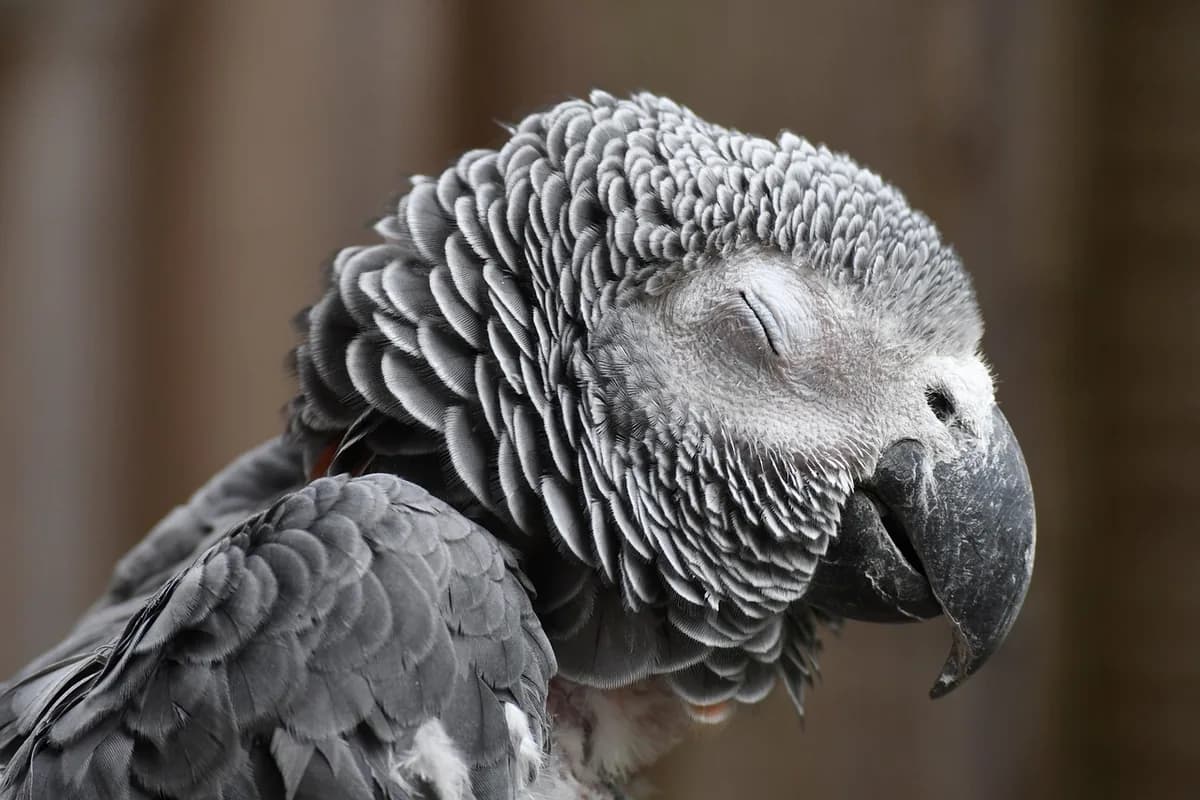
Understanding Congo African Grey Behavior and Body Language
Read your African Grey like an expert — the pinning eyes, subtle feather shifts, and cautious neophobic nature of this sensitive species, plus its famous contextual speech and the hormonal and phobic behaviours owners most often misread.
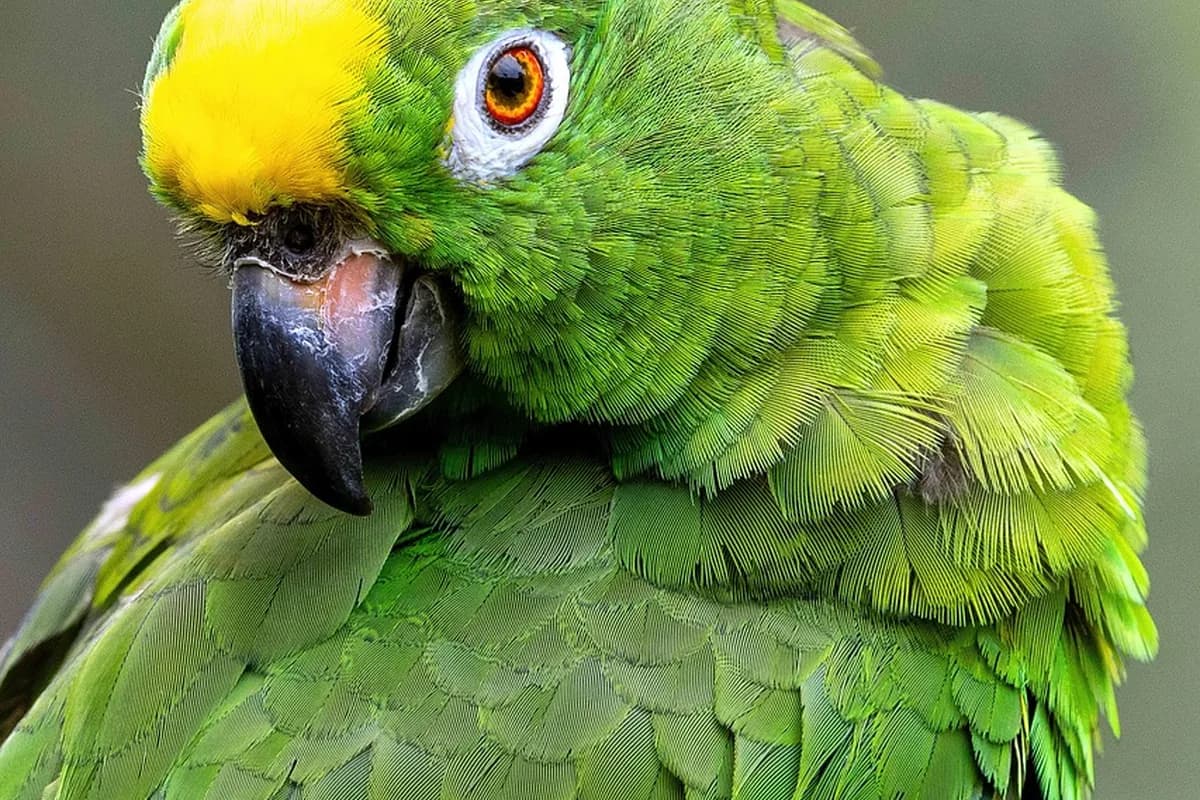
Reading Amazon Parrot Behavior & Body Language: The Overload Warning
Amazon parrots wear their emotions loudly. Learn to read pinned eyes, a fanned tail, and raised nape feathers — the classic 'Amazon overload' — plus their vocal moods and spring hormonal swings, so you can stop before a bite.
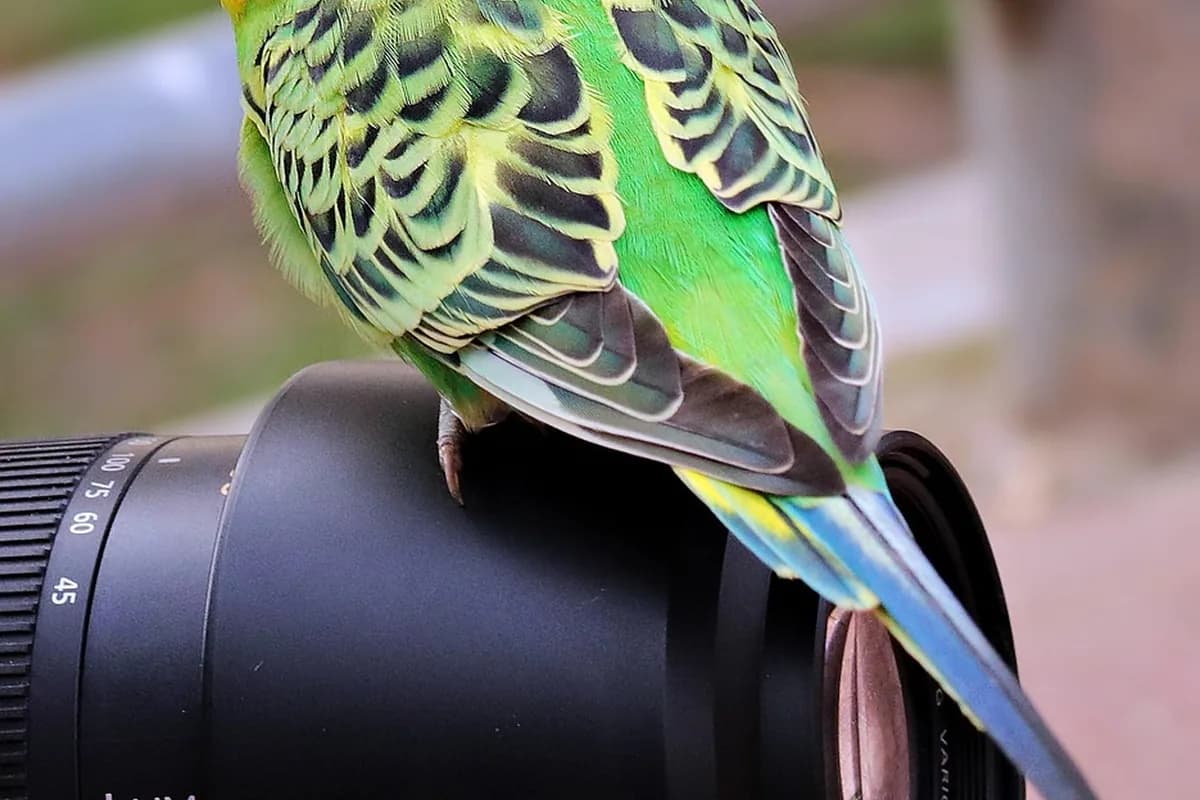
Understanding Budgie Behavior and Body Language
Learn to read a budgie: cere colour and what it says about sex and hormones, head-bobbing, contact calls, contented beak-grinding, and how to tell excited from overstimulated before a nip.