Understanding Congo African Grey Behavior and Body Language
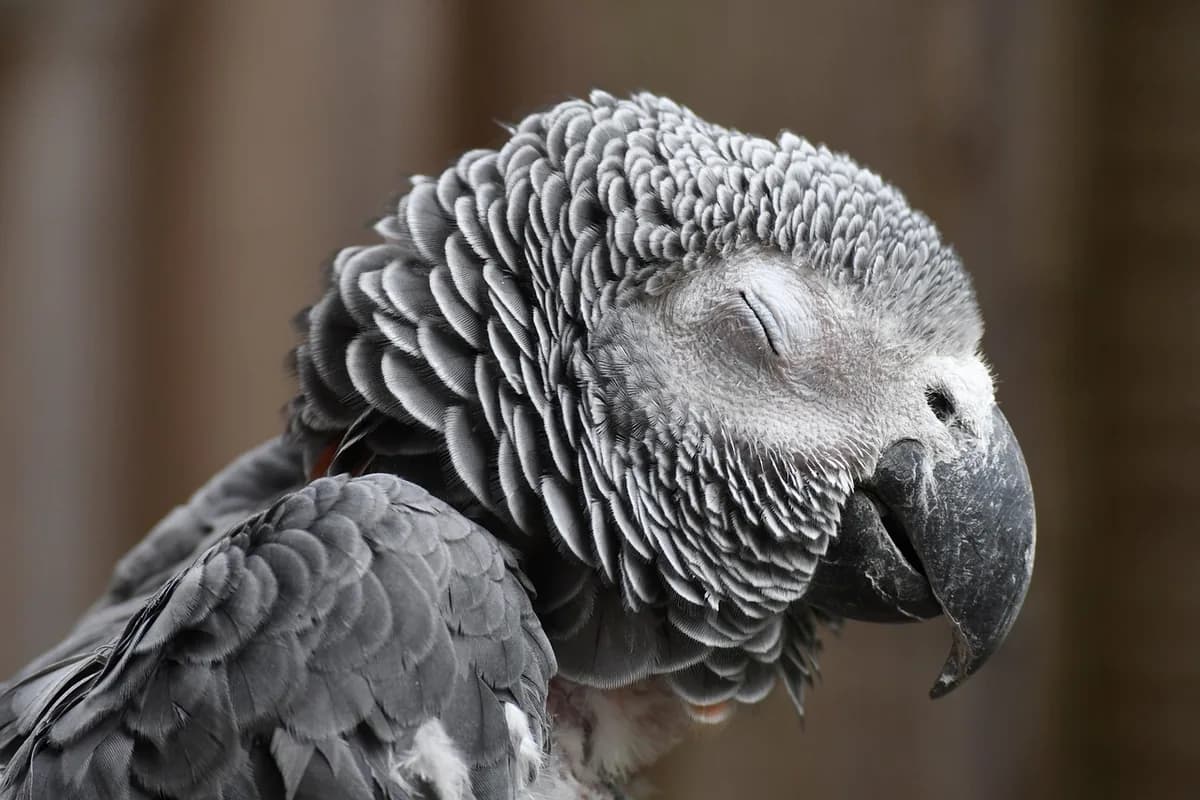
African Greys communicate in a quieter, subtler dialect than the flashy cockatoos and macaws. They have no dramatic crest to raise and no bright display feathers to fan, so their signals live in the eyes, the fine set of the body feathers, and the tension in their posture. Learning that dialect is the single best thing you can do to avoid bites, prevent fear, and build a bond with a bird that will remember how you treat it for decades.
The Grey Temperament: Brilliant and Cautious
Greys are intelligent, sensitive, cautious, and loyal — a combination that makes them wonderful and demanding in equal measure. The defining trait to understand is neophobia: a natural, hard-wired wariness of anything new. A new toy, a rearranged room, a different coffee mug in your hand, a haircut — any of these can genuinely alarm a Grey. This isn't stubbornness; in the rainforests of Central and West Africa, caution kept these birds alive. Your job is to work with that wariness, introducing change slowly, never flooding the bird with it.
The flip side of that sensitivity is a bird acutely tuned to you. Greys read household mood and tension remarkably well, and they mirror it. A stressed, loud home produces an anxious Grey; a calm one produces a settled bird.
Reading the Signals
Content and Relaxed
- Beak grinding — a soft, gritty grinding sound as a Grey settles for sleep. A classic sign of a safe, contented bird.
- One foot tucked up, feathers slightly puffed — resting comfortably, off-guard.
- Loose, "fluffed then shaken out" feathers — a rouse-and-settle that releases tension.
- Relaxed preening, including preening near you, signals ease and trust.
- Soft chatter, whistles, and quiet practice-talking — the sound of a happy Grey talking to itself.
Interested, Excited, or Aroused
- Pinning (flashing) eyes — the pupils rapidly expand and contract. This is the most important Grey signal to learn. It means high arousal, which can be curiosity, excitement, or the edge of a bite. Read it together with the body: relaxed body plus pinning eyes near a new nut equals interest; tense body plus pinning eyes equals "back off."
- Leaning in, head extended toward an object — investigating.
- Feather rousing followed by a settle — often just resetting after excitement.
Fearful, Stressed, or About to Bite
- Slicked-down, tight body feathers with a lean away — fear. The bird is trying to look small and is ready to flee. This is the counterpart to a relaxed puff.
- Frozen, statue-still posture with pinning eyes — a frightened or cornered Grey, often the neophobic response to something new. Give it space and remove the trigger.
- Growling or a low hiss — an unambiguous "stop." Uncommon but serious; respect it immediately.
- Beak open, body tense, weight shifted back — a bite is loading. Withdraw calmly.
- Rapid breathing or panting — stress or overheating, not excitement. Reduce stimulation and check the temperature.
Tip: When you see pinning eyes, freeze and read the rest of the body before you move your hand. Nine times out of ten a "sudden, unprovoked" Grey bite was actually well-signalled a full second earlier by the eyes and the feather set.
Vocalizations: The Best Talkers in the World
On our scale, African Greys rate a 5 out of 5 for talking — they are widely regarded as the finest talkers of any parrot. What sets them apart is not vocabulary size but context. Dr. Irene Pepperberg's landmark work with a Congo Grey named Alex demonstrated that Greys can use words meaningfully — labelling colours, shapes, and quantities, and grasping a bird's concept of "none" or zero. Your own Grey may learn to ask for a specific food, greet the person who actually walked in the door, or announce the phone before you hear it ring.
Everyday vocal signals include:
- Contact calls — a "where are you?" call to keep tabs on you, its flock. Answering briefly reassures the bird and reduces escalation.
- Alarm calls — sudden sharp screams when something startles them. Investigate rather than scold.
- Household mimicry — microwaves, smoke alarms, phones, and doorbells. Flattering, if occasionally maddening.
- Quiet babbling and practice — a relaxed bird rehearsing sounds to itself.
Note the moderate noise rating of 3 out of 5: a Grey is not a chronic screamer, but a bored, lonely, or under-slept one can develop persistent, attention-driven calling. The cure is enrichment and routine, not punishment.
Hormonal and Seasonal Behaviour
Greys are less overtly hormonal than cockatoos or lovebirds, but seasonal shifts — often tied to longer daylight in spring — can bring a phase of increased territoriality, more regurgitation toward a favoured person or mirror, and cage-guarding. Manage it by keeping light cycles regular (10–12 hours of dark), avoiding petting anywhere but the head and neck, and removing shadowy nest-like nooks the bird might fixate on. These phases pass; consistency shortens them.
The Behaviour Challenges Unique to Greys
- Phobic behaviour after upheaval. A move, a new pet, redecorating, or even a frightening event can tip a sensitive Grey into a lasting phobia — refusing to leave the cage, panicking at a person or object it once tolerated. Rebuild trust patiently with distance, favourite foods, and zero pressure. Never force it.
- Stress and boredom feather-plucking. Greys are among the most plucking-prone parrots, and it is usually rooted in stress, boredom, or poor sleep rather than illness — though a vet must rule out medical causes first. Prevention lives in enrichment, foraging, company, and a stable environment. (See our health guide for the medical workup.)
- One-person bonding. A Grey may bond hard to one human and become wary of everyone else. Have multiple family members feed, talk to, and offer treats from early on to keep the bird social.
Building Trust
The throughline with a Grey is respect for its caution:
- Introduce everything slowly — new toys from across the room first, new foods beside familiar ones.
- Honour the "no." A bird whose slicked feathers and lean-away are respected learns that you are safe and predictable.
- Keep the world stable. Consistent routines, sleep, and household calm are worth more to a Grey's emotional health than any single toy.
- Answer contact calls and reward quiet, confident behaviour with attention.
At Bird Sitting Toronto, where we board hundreds of birds every year, Greys are the guests we handle most gently — read the eyes, move slowly, and let the bird set the pace, and even a cautious one settles.
Explore related topics
Related Articles
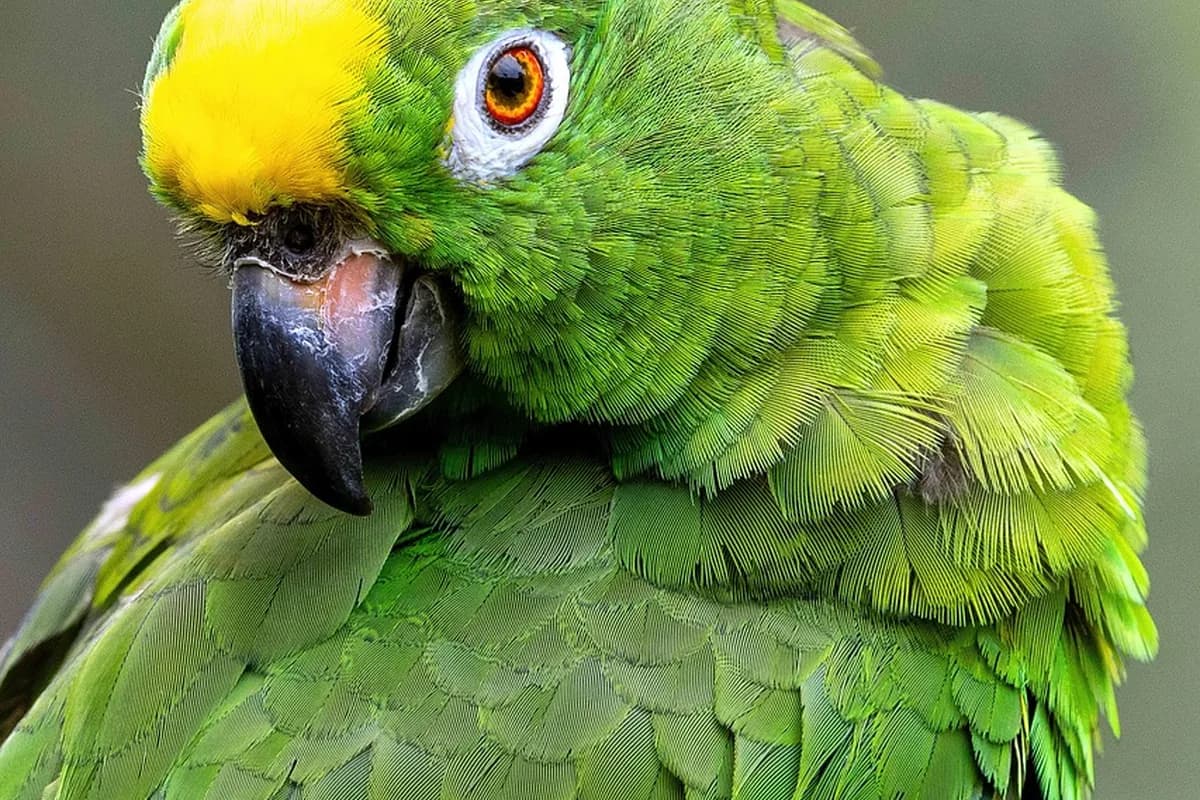
Reading Amazon Parrot Behavior & Body Language: The Overload Warning
Amazon parrots wear their emotions loudly. Learn to read pinned eyes, a fanned tail, and raised nape feathers — the classic 'Amazon overload' — plus their vocal moods and spring hormonal swings, so you can stop before a bite.
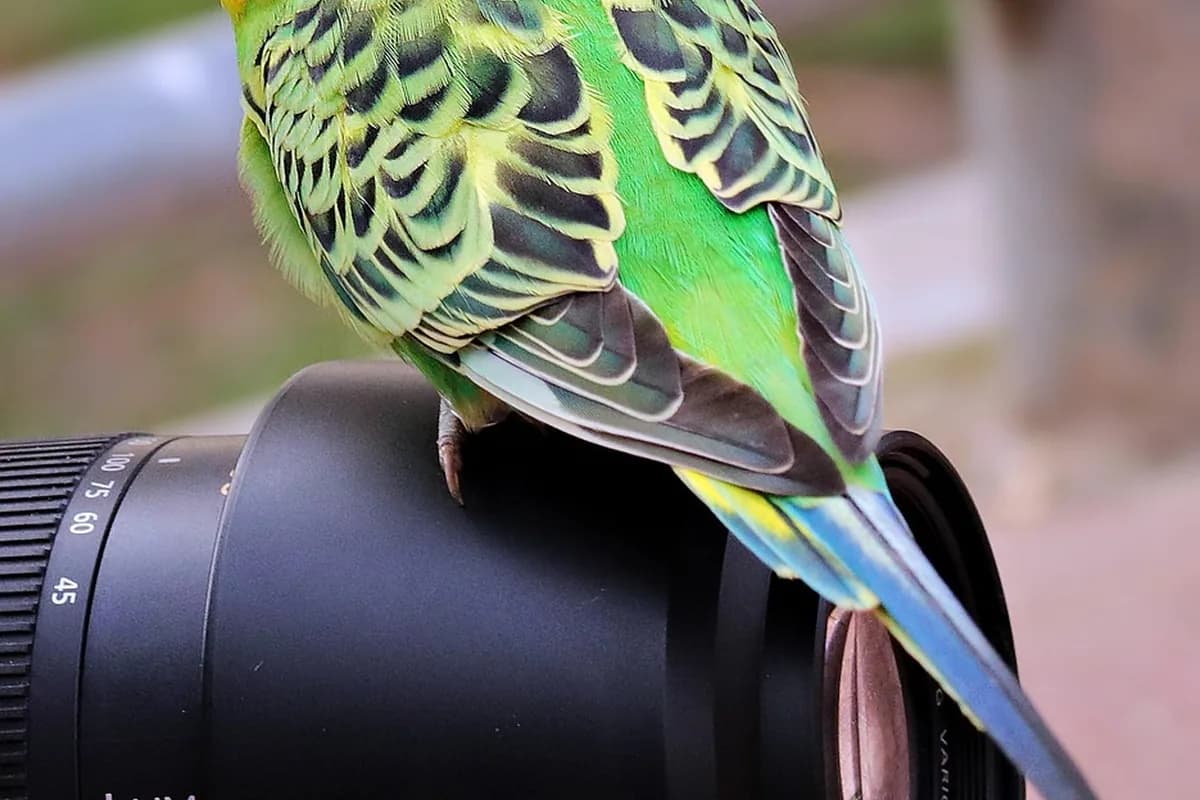
Understanding Budgie Behavior and Body Language
Learn to read a budgie: cere colour and what it says about sex and hormones, head-bobbing, contact calls, contented beak-grinding, and how to tell excited from overstimulated before a nip.
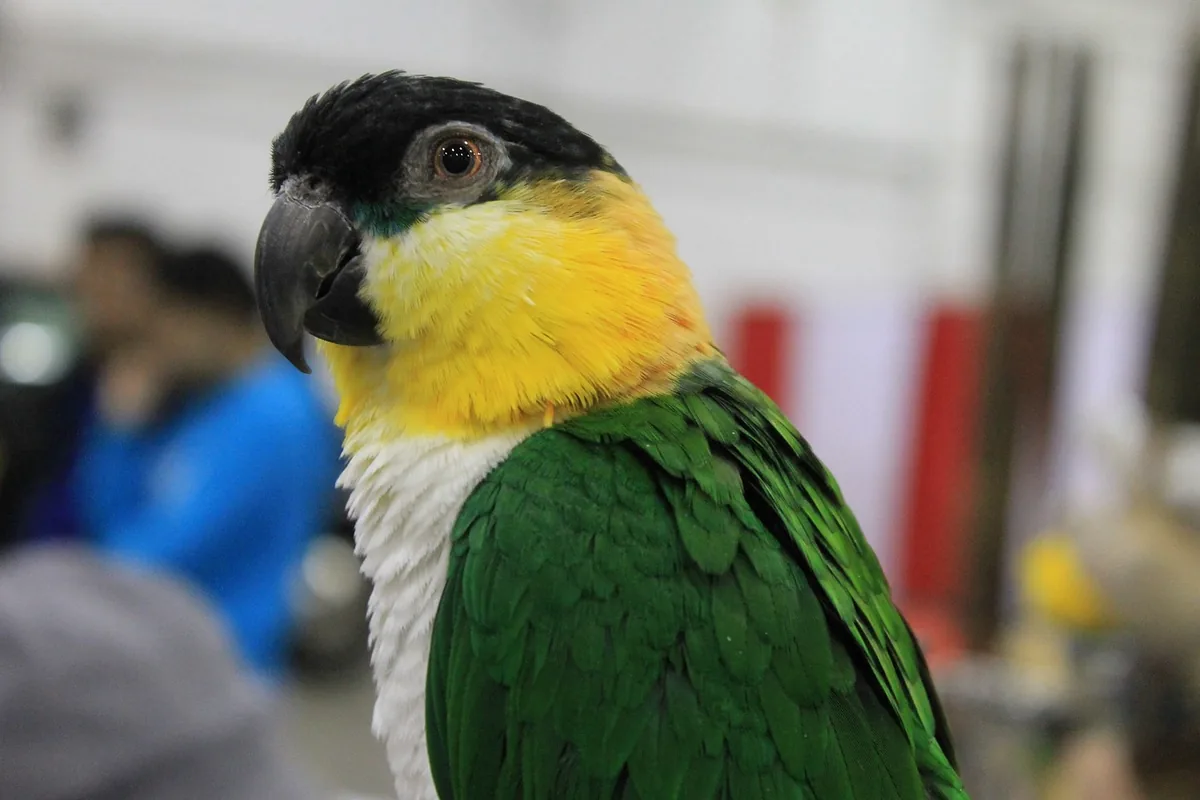
Reading Your Caique: Behavior and Body Language
Decode the caique's clownish, high-energy body language — pinning eyes, play-wrestling, contact calls, hormonal streaks, and the fine line between an invitation to play and a warning. From Bird Sitting Toronto.