Reading Amazon Parrot Behavior & Body Language: The Overload Warning
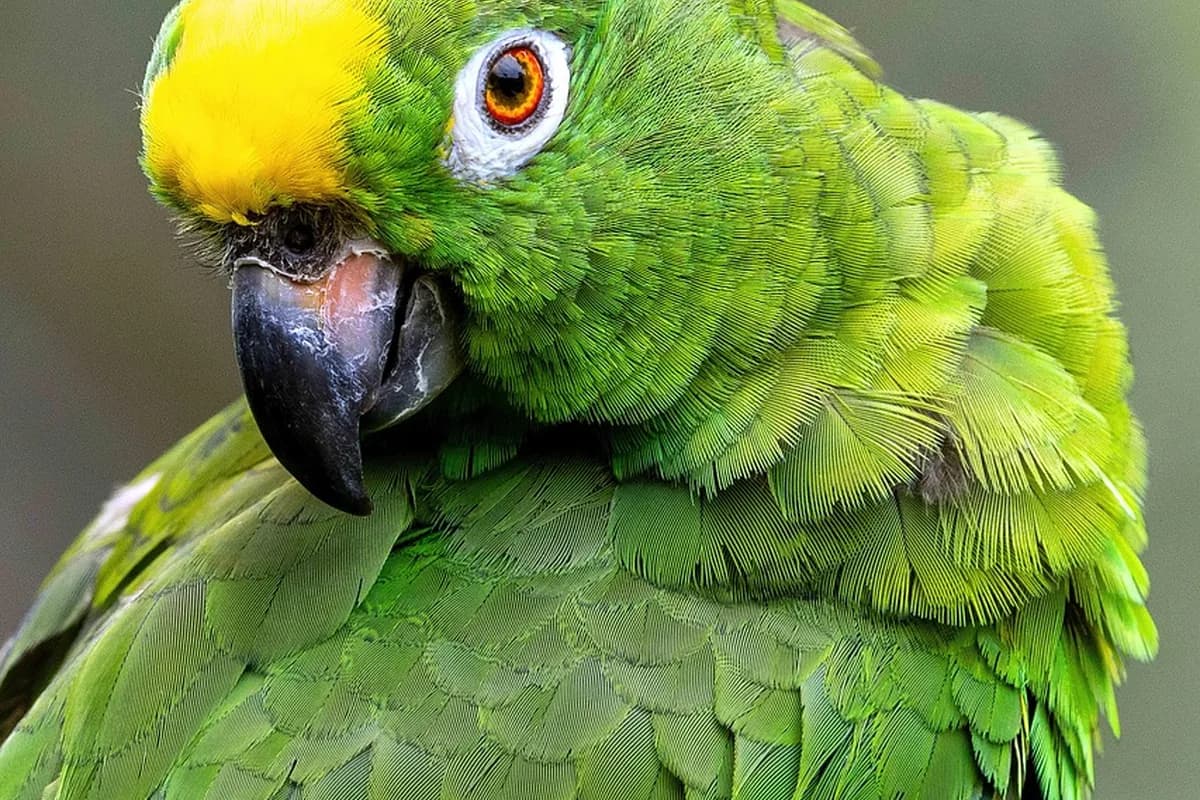
Amazon parrots do not hide how they feel. Where a shy species keeps its cards close, an Amazon broadcasts its mood across the room — eyes flashing, tail spread, feathers up, in full theatrical display. That expressiveness is a gift, because it means a caregiver who learns the signals is rarely surprised. The trouble comes only when an owner misreads excitement for affection and reaches in at exactly the wrong moment. This guide teaches you to read the Amazon and respond in time.
The Amazon Temperament
Amazons are bold, confident, and opinionated. They are the extroverts of the parrot world — quick to sing, quick to show off, and quick to tell you exactly what they think of the new person on the couch. That same boldness makes them prone to being pushy if they learn that drama gets a reaction, and it makes their arousal states intense. An Amazon rarely feels a little of anything; when it is happy it is exuberant, and when it is overstimulated it can tip into aggression in a heartbeat. Understanding that emotional volume is the key to everything that follows.
"Amazon Overload" — the Signal Every Owner Must Learn
The single most important thing to recognize in this species is the high-arousal state hobbyists call Amazon overload. A bird that was happily singing can flood with excitement and, without a clear warning to an untrained eye, deliver a serious bite. But there is a warning, and it is unmistakable once you know it. Watch for this cluster:
- Pinning (flashing) eyes — the pupils rapidly dilate and contract, flicking between pinpoint and wide. This is the headline sign of intense arousal.
- A fanned tail — the tail feathers spread wide like a hand of cards.
- Raised nape and shoulder feathers — the feathers over the back of the neck and shoulders stand up, making the bird look larger.
- A tense, upright, sometimes strutting posture — often with the wings held slightly out from the body.
When you see this combination — especially pinning eyes plus a fanned tail — the bird is at its threshold. It is not the moment to pet it, pick it up, or push closer. It is the moment to slow everything down, give space, and let the arousal drain away. Owners who get bitten almost always missed or ignored this signal.
Warning: Pinning eyes on their own are not automatically aggression — a bird pins in excitement over a favorite food or an exciting toy too. Read the whole body. Pinning eyes with a relaxed, playful posture is enthusiasm; pinning eyes with a fanned tail, raised feathers, and a stiff stance is a bite waiting to happen.
The Full Signal Vocabulary
Beyond overload, Amazons use a rich everyday body language. Learning the calm signals is just as valuable as learning the warnings.
Content and relaxed
- Fluffed feathers over a loose, settled body — comfort and ease (this is different from the tight, puffed-and-tense look of a hot or ill bird).
- Beak grinding — a soft grinding of the beak, usually at rest or before sleep, means a relaxed, contented bird.
- One foot tucked up — a bird standing on one leg with the other drawn into the belly feels safe.
- Preening and gentle stretching — routine grooming and a big wing-and-leg stretch signal a bird at ease.
- A rousing shake — fluffing all the feathers and shaking them out, often after preening, is a sign of relaxed satisfaction.
Excited or seeking attention
- Head bobbing — often a request for attention, food, or an invitation to interact.
- Wing flapping while gripping the perch — burning energy or showing excitement; normal.
- Vocal fireworks — bursts of singing, talking, or whistling when you enter the room.
Uneasy, frightened, or defensive
- Feathers slicked tight to the body, leaning away — fear; the bird is trying to look small and escape.
- Lunging, hissing, or a sharp beak-clack — a clear "back off."
- Beak open with a tense body — a defensive threat, preparing to bite.
- Rapid open-mouth breathing or panting — stress or overheating, not communication to push through.
Vocalizations: the Operatic Amazon
Amazons are loud, and they are proud of it. On a scale of one to five, their noise level sits around a four, and their talking ability is right up there too — the Double Yellow-Headed and Yellow-Naped Amazons are considered among the finest talking parrots alive, rivaling African greys, and they sing with a gusto no grey attempts. Expect a bird that mimics words, hums tunes, and improvises its own operatic melodies.
The daily soundtrack has meaning:
- Contact calls — loud calls, especially at dawn and dusk, that essentially ask "where is my flock?" Answering with a word or whistle usually settles them.
- Alarm calls — sudden, harsh screams triggered by something startling; check the environment rather than scolding.
- Contentment sounds — soft chatter, muttering, whistling, and quiet practice-talking while busy.
- Escalating demand calls — repetitive calls that climb in volume when a bird wants attention. Answering the loudest ones teaches louder calling, so reward the quiet vocalizations instead.
Tip: Loud morning and evening calling is normal, healthy flock behavior — not misbehavior. You cannot and should not train it away entirely. You can shape it by keeping a predictable routine, acknowledging your bird with your own contact call, and never rewarding the truly screaming pitch with attention.
Hormones and the Spring Surge
Amazons are strongly seasonal, and their behavior can change dramatically during breeding season — most often in spring. A sweet, steady bird can become territorial, moody, and quick to bite for a few weeks, and mature males in particular can be a real handful. During this window you will see more overload posturing, more chasing and displaying, and a shorter fuse overall.
Manage it rather than fight it. Keep interactions calmer and shorter, avoid stroking down the back or under the wings and tail (which encourages hormonal behavior — stick to head and neck), maintain a consistent 10 to 12 hours of darkness to signal a non-breeding day length, and do not offer nesty spaces like boxes, tents, or dark cupboards. Recognizing that the aggression is hormonal and temporary keeps you from taking it personally or damaging the relationship.
Reading and Responding, in Practice
Put together, the goal is a caregiver who watches first and reaches second. Approach when the body is loose and the bird is curious or inviting. Pause and give space the instant you see pinning eyes teamed with a fanned tail and raised feathers. Respect the hard "no" of a lunge or open beak, and never force contact — pushing through a warning teaches the bird that only a bite gets the message across.
At Bird Sitting Toronto, where we board hundreds of birds every year, the Amazons are the ones the whole staff can hear singing. They are dramatic, hilarious, and deeply communicative — and once you can read the tail and the eyes, that drama becomes a running conversation rather than a hazard.
Explore related topics
Related Articles
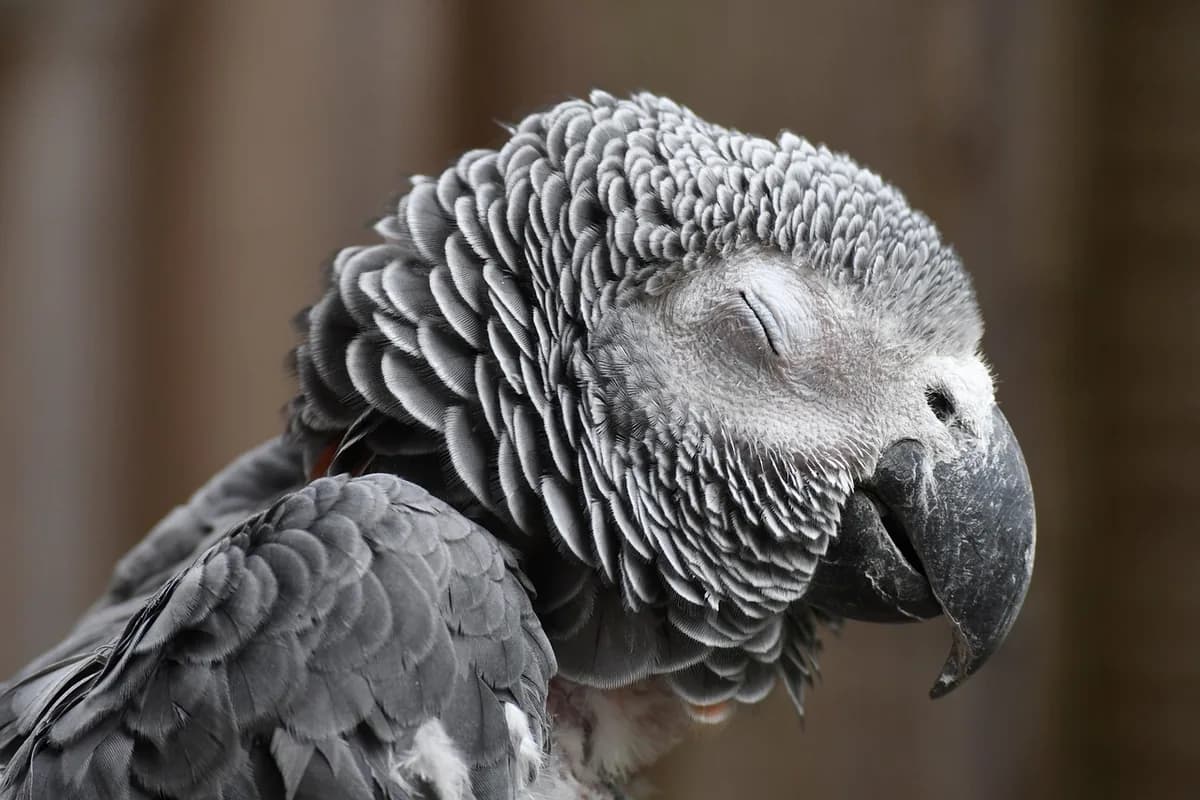
Understanding Congo African Grey Behavior and Body Language
Read your African Grey like an expert — the pinning eyes, subtle feather shifts, and cautious neophobic nature of this sensitive species, plus its famous contextual speech and the hormonal and phobic behaviours owners most often misread.
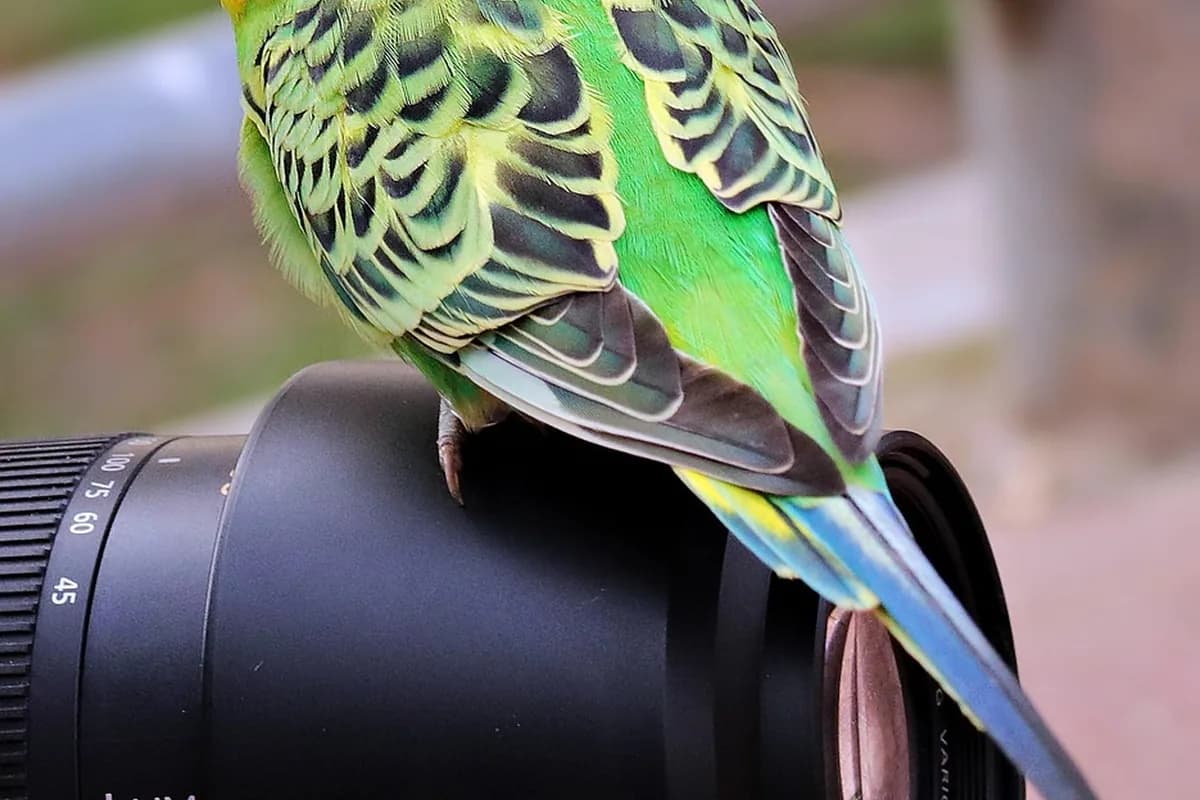
Understanding Budgie Behavior and Body Language
Learn to read a budgie: cere colour and what it says about sex and hormones, head-bobbing, contact calls, contented beak-grinding, and how to tell excited from overstimulated before a nip.
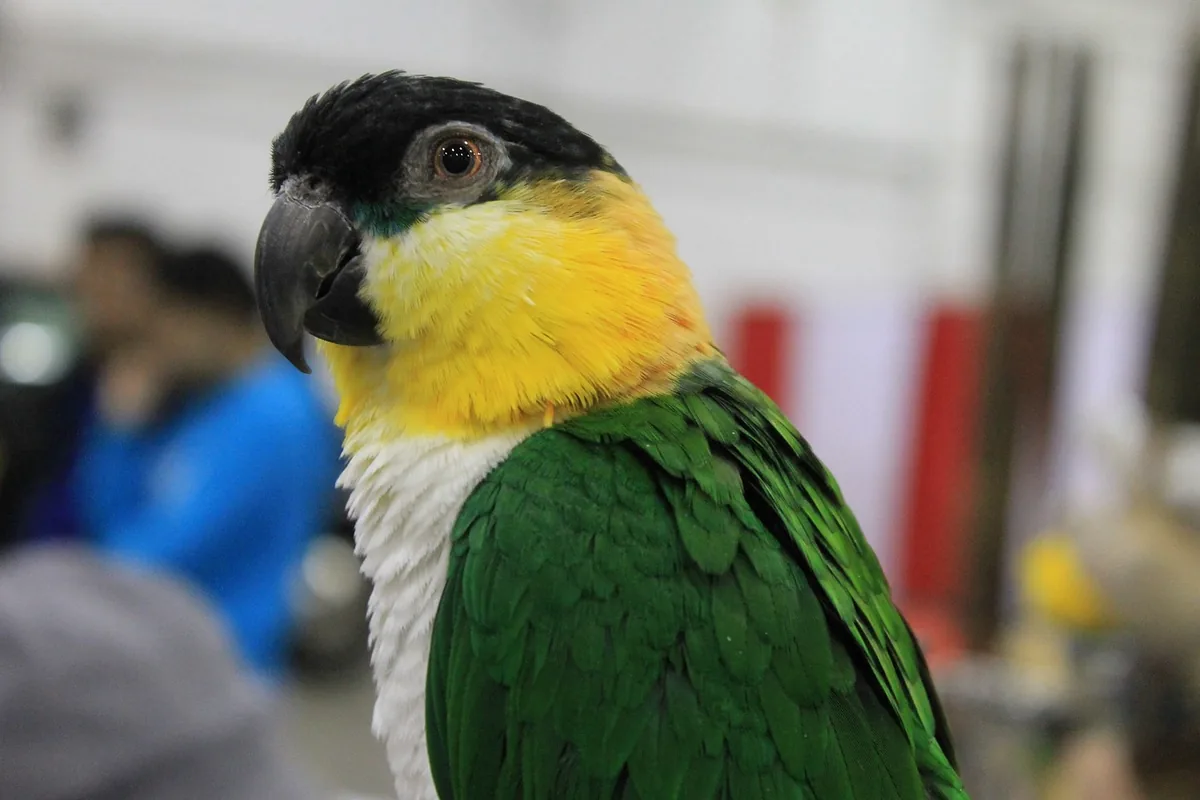
Reading Your Caique: Behavior and Body Language
Decode the caique's clownish, high-energy body language — pinning eyes, play-wrestling, contact calls, hormonal streaks, and the fine line between an invitation to play and a warning. From Bird Sitting Toronto.