Understanding Budgie Behavior and Body Language
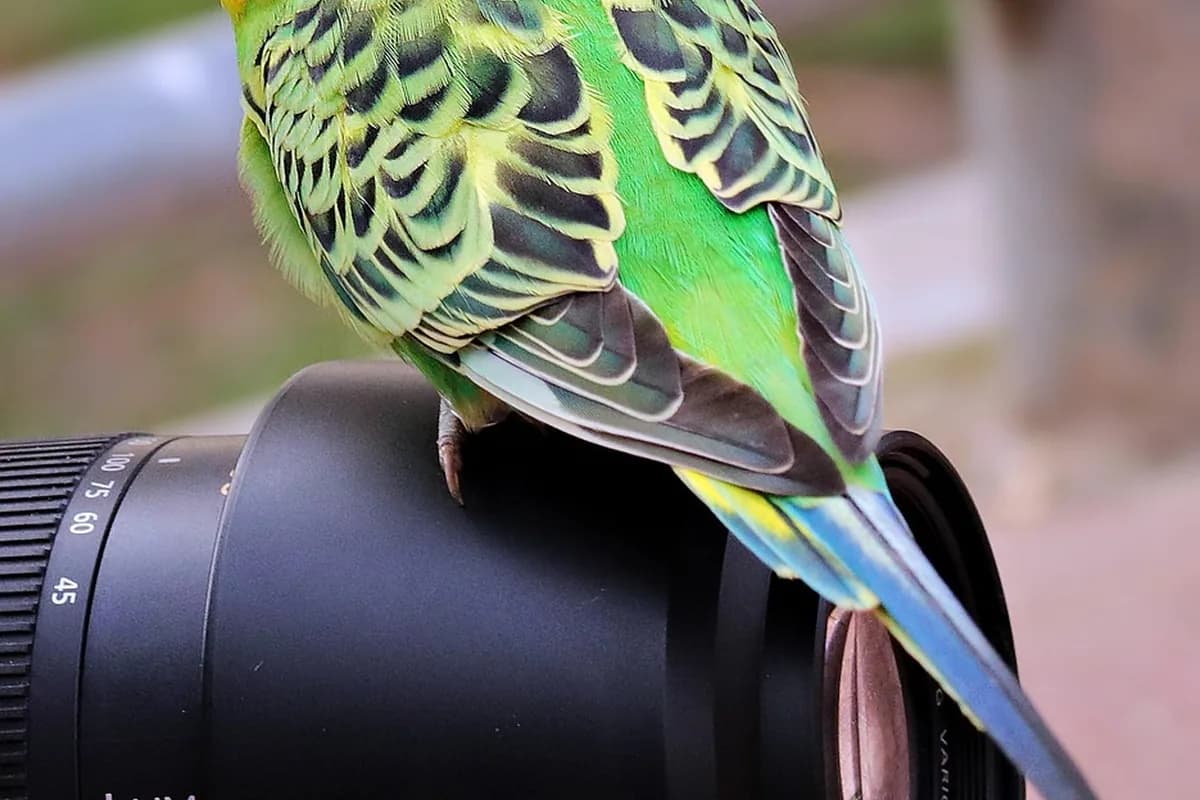
A budgie is a flock animal broadcasting its mood almost constantly — you just have to learn the channel. These are highly social, playful, curious little parrots, and once you can read the cere, the feathers, and the chatter, life with a budgie stops being guesswork. At Bird Sitting Toronto, where we board hundreds of birds every year, the budgies who settle in fastest are the ones whose owners already understand what their bird is telling them. Here's how to read yours.
The Flock-Animal Temperament
Everything a budgie does is shaped by the fact that it evolved in large, fast-moving flocks in the Australian outback. That means near-constant low chatter (it's the sound of a calm flock), a strong pull toward companionship, and real distress when isolated. A budgie that suddenly goes silent is not "being good" — silence in a flock bird usually signals fear or illness. The busy, chattering, toy-tossing bird is the healthy, happy one.
The Cere: A Budgie's Mood Ring
Budgies have a feature most parrots don't broadcast so clearly — the cere, the fleshy band around the nostrils above the beak. Its colour tells you both sex and hormonal state.
| Cere appearance | Usual meaning |
|---|---|
| Blue, smooth | Mature male, hormonally settled |
| Brown, crusty/rough | Hen coming into breeding condition (raised hormones) |
| Pale blue to whitish | Hen out of breeding condition |
| Pinkish/purple | Juvenile of either sex, before adult colour sets in |
Tip: A hen's cere thickening and going crusty-brown is a hormonal signal, not a disease — but it does tell you she's primed to lay. If you see it, tighten up on long nights, remove any nest-like hidey-holes, and don't stroke her back or tail, all of which can tip a hen into unhealthy chronic egg-laying.
A cere colour change that's paired with other symptoms is different — in a mature male, a cere shifting from blue toward brown can be an early flag of a hormone-secreting testicular tumour, especially alongside one-sided leg weakness. That's a vet visit, not a mood.
Reading the Body
Signs of a Happy, Relaxed Budgie
- Beak grinding — a soft, gritty scrunch usually heard at bedtime. It's the budgie equivalent of a contented sigh; a grinding budgie is calm and ready to sleep.
- Feathers loosely fluffed with one foot tucked up — a bird resting on one leg with the other drawn into the belly feathers feels completely safe.
- Preening, and preening you — self-grooming signals comfort; gently nibbling your hair or fingers is social bonding.
- Busy chatter and toy play — chewing, ringing bells, tossing things about is pure budgie contentment.
Excited vs. Overstimulated
- Head-bobbing — a rhythmic up-and-down. In a juvenile it's a food-begging motion; in an adult male it's courtship display and excitement. Friendly, but a bird in high courtship drive can also get nippy — read the rest of the body.
- Pinning (flashing) eyes — the pupils rapidly shrink and expand. This means intense arousal: excitement, interest, or, if paired with a tense body, agitation. Context is everything.
- Wings quivering or a quick wing-flap in place — often excitement or a stretch; usually harmless.
- Regurgitating onto a toy, mirror, or you — a courtship gift and a sign of deep affection. Sweet, but a mirror-bonded bird can become obsessively hormonal, so limit reflective toys if it's constant.
Back Off — Warning Signals
- Feathers slicked tight to the body, leaning away — fear. The bird is trying to look small and escape.
- Beak open, tongue out, a sharp "chick!" and a lunge — a clear "don't." Respect it; forcing contact here teaches your budgie that hands are threats.
- A defensive nip during breeding season — often hormonal rather than mean. Read the cere and the calendar, and give a hormonal bird more space.
- Sitting fluffed, still, and quiet on the cage floor — this is not a mood, it's a sick bird. Call an avian vet.
The Vocabulary of a Budgie
Budgies are talkers for their size (a 3-out-of-5 on talking ability, with a record-holder, Puck, who knew 1,728 words), and they're vocal in the wild ways too:
- Contact calls — bright, repeated chirps that mean "where are you?" Answer them; a budgie whistling for its flock and getting a whistle back is a reassured budgie.
- Warble/song — the long, rambling, quiet stream of chatter, whistles, and mimicked words a happy bird produces to itself. This is the sound of contentment.
- Alarm calls — sudden, loud, sharp screeches when something startles them. Check for a hawk shadow, a new object, or a household noise.
- Mumbled mimicry — males especially fold learned words and household sounds into their warble, often fast and jumbled. Talk to your bird consistently and you may hear your own phrases come back.
Hormones and Seasons
Even indoors, budgies respond to light and warmth by cycling into breeding condition — long days, abundant food, cozy dark cavities, and back-stroking all read as "spring, time to nest." You'll see more head-bobbing, regurgitating, cere changes, and territorial nippiness. Manage it by keeping nights genuinely long (10-12 hours dark), removing nest-like huts and boxes, avoiding petting anywhere but the head and neck, and rotating toys so no single object becomes a "mate."
Putting It Together
The single most useful habit is to watch your budgie's baseline — how it looks, sounds, and moves on a normal good day. Once you know that, every deviation becomes readable: the crusty cere that means a hen is cycling, the bedtime beak-grind that means all is well, the fluffed silence that means call the vet. Respond to the calm signals with calm interaction, respect the warning signals by backing off, and your budgie learns that you speak its language — which is exactly how trust is built.
Explore related topics
Related Articles
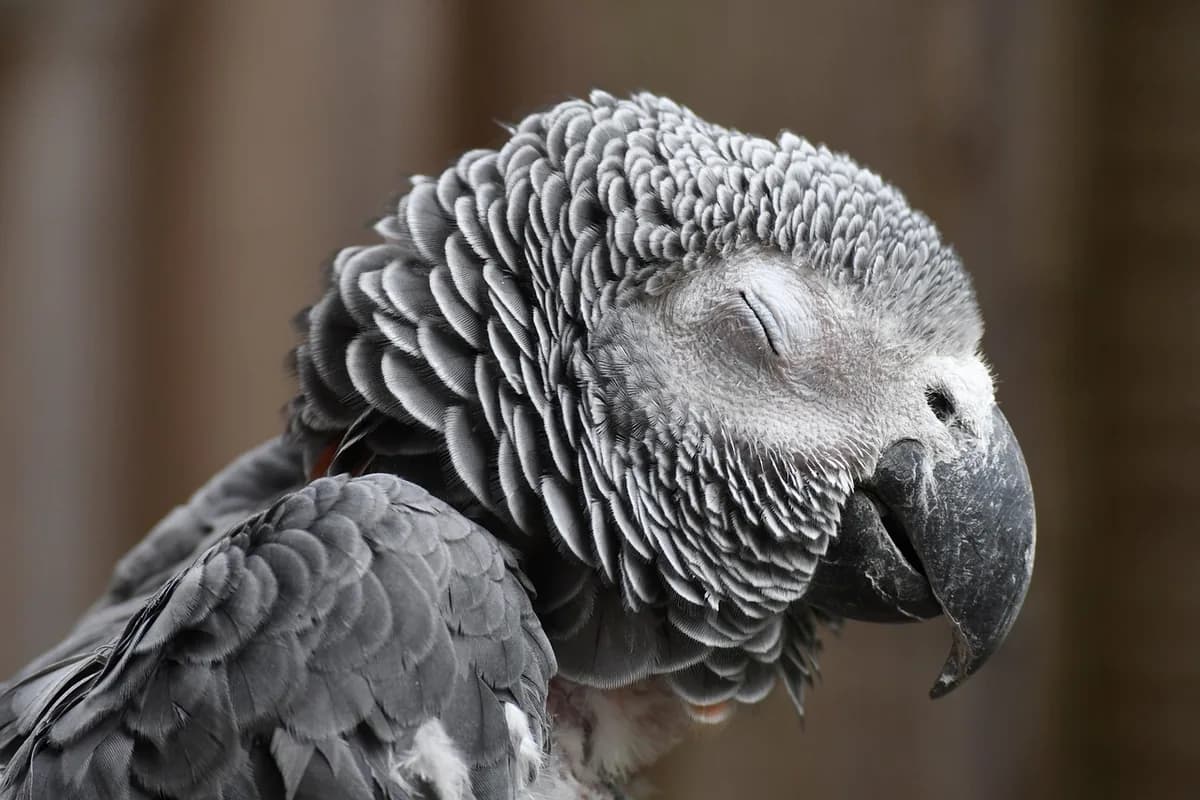
Understanding Congo African Grey Behavior and Body Language
Read your African Grey like an expert — the pinning eyes, subtle feather shifts, and cautious neophobic nature of this sensitive species, plus its famous contextual speech and the hormonal and phobic behaviours owners most often misread.
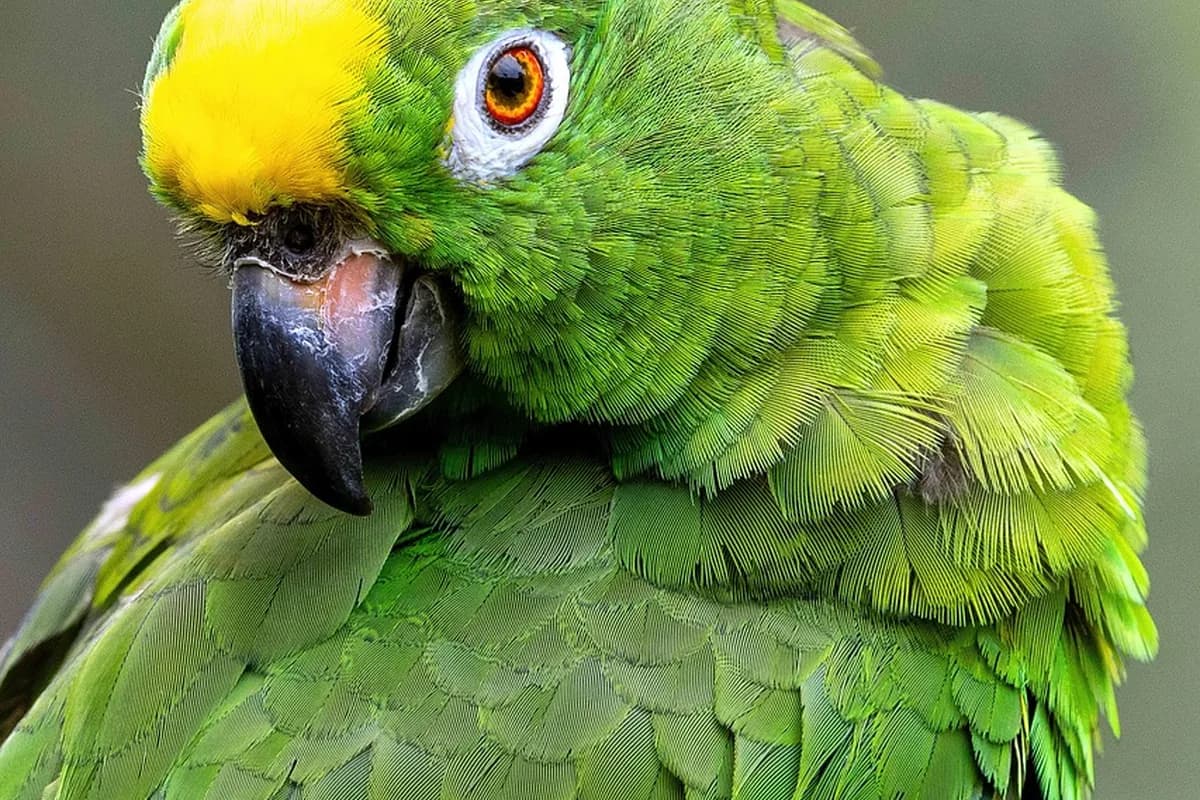
Reading Amazon Parrot Behavior & Body Language: The Overload Warning
Amazon parrots wear their emotions loudly. Learn to read pinned eyes, a fanned tail, and raised nape feathers — the classic 'Amazon overload' — plus their vocal moods and spring hormonal swings, so you can stop before a bite.
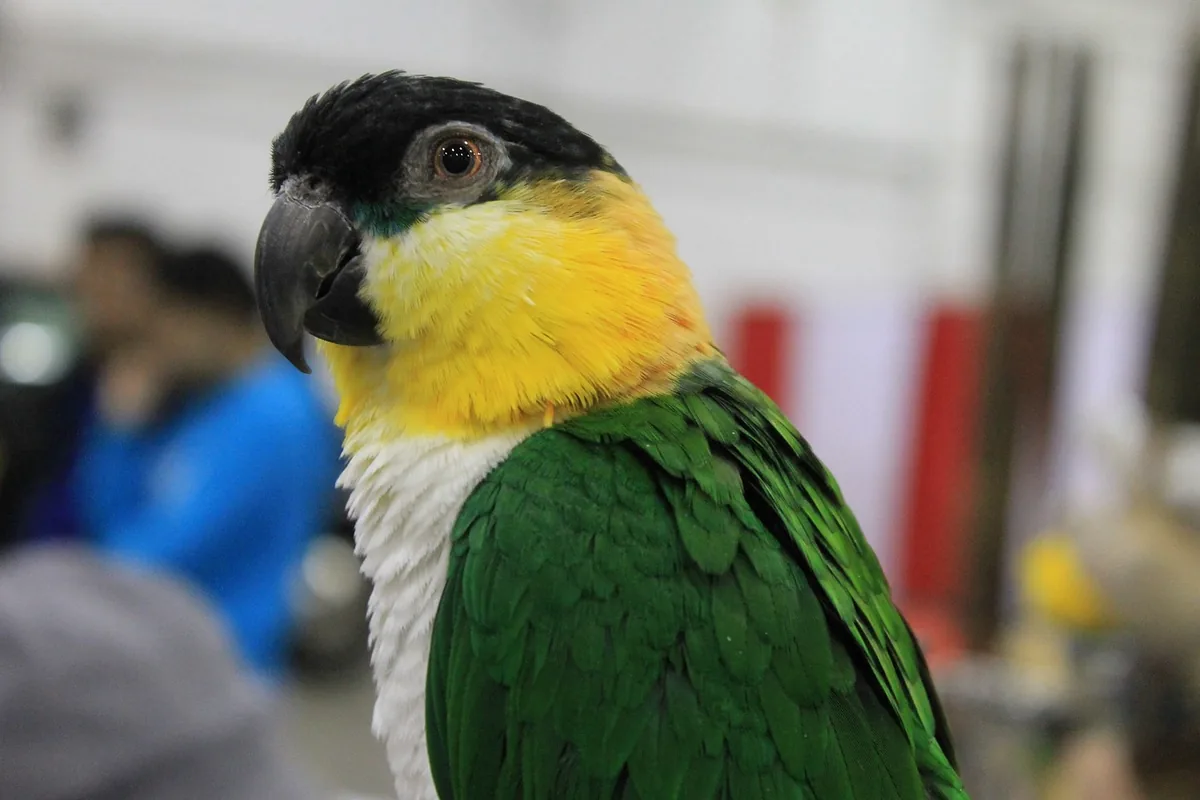
Reading Your Caique: Behavior and Body Language
Decode the caique's clownish, high-energy body language — pinning eyes, play-wrestling, contact calls, hormonal streaks, and the fine line between an invitation to play and a warning. From Bird Sitting Toronto.