How to Encourage Healthy Chewing in Parrots
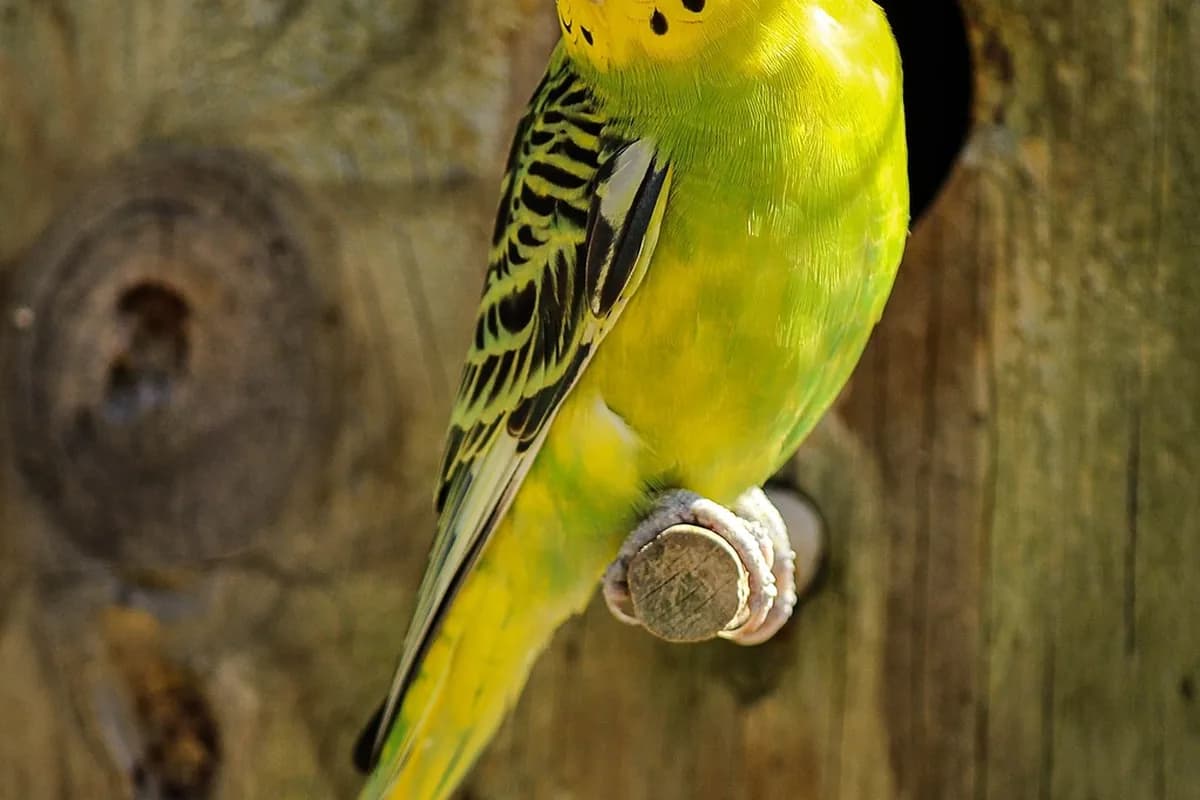
Some parrots demolish everything they can reach, while others sit on a pile of untouched toys and never lift a foot. Both are normal, and both come down to the same instinct. Chewing is not a behaviour problem to be trained away — it is a biological need, as fundamental to a parrot as flight or foraging. At Bird Sitting Toronto, where we board hundreds of birds every year, the happiest, best-adjusted guests are almost always the enthusiastic chewers. This guide explains why parrots chew, how much is healthy, how to steer that drive onto safe materials, and how to coax a reluctant bird into discovering its own beak.
Why Parrots Chew
A parrot's beak is not a fixed tool like a fingernail clipping — it grows continuously throughout the bird's life, much the way our nails and hair do. In the wild, gnawing on bark, seed hulls, and branches wears the beak down and keeps it correctly shaped. A bird with nothing to chew can develop an overgrown or flaky beak, which is why avian veterinary consensus treats abundant chewing material as basic husbandry, not enrichment fluff.
Chewing serves three needs at once:
- Physical: it conditions the beak and jaw muscles and burns real energy, which matters for indoor birds that fly far less than wild ones.
- Mental: shredding and dismantling is a puzzle. It gives an intelligent, curious animal a job to do and staves off the boredom that drives feather-destructive behaviour.
- Emotional: many parrots chew more heavily in spring, when the instinct to excavate a nest cavity kicks in. Redirecting that energy onto a cork block is far healthier than letting it build into frustration.
Tip: If your parrot is chewing your baseboards, shredding your books, or stripping the windowsill, it is not being spiteful. It is telling you it has an unmet need and not enough legal outlets. The fix is more and better chew material, placed where the bird actually wants to work — not punishment.
How Much Chewing Is Normal
There is no single "right" amount, because drive varies enormously by species, personality, and season. A healthy chewer works at toys throughout the day in bursts, reduces a wooden block to splinters over days or weeks, and leaves a satisfying pile of debris on the cage floor. That mess is a good sign, not a problem.
What matters more than volume is the pattern. Watch for changes rather than a fixed quota:
- Steady daily interest — investigating, dismantling, and shredding — is exactly what you want.
- A sudden stop in a bird that used to chew hard often signals illness, pain, or stress, and is worth a call to your avian vet.
- Frantic, obsessive chewing on cage bars or the same bald patch of skin points to frustration, hormones, or an emerging feather-destructive habit rather than healthy wear.
Warning: A parrot that abruptly loses interest in food and toys is showing you one of the earliest signs of a sick bird. Because parrots instinctively mask illness, any noticeable drop in normal chewing, eating, or activity deserves attention within a day, not a week.
Safe and Unsafe Chewing Materials
The single most important part of encouraging chewing is making sure that everything within beak's reach is non-toxic. Parrots swallow small amounts of what they chew, and their crops and lungs are far more sensitive than ours. Use the table below as a quick reference, then read the two warnings that follow — they cover the mistakes that actually send birds to the vet.
| Generally safe to chew | Avoid — can harm your bird |
|---|---|
| Untreated pine, poplar, maple, birch, balsa | Cedar and other aromatic woods (respiratory irritants) |
| Manzanita and other clean hardwoods (for strong beaks) | Stone-fruit woods — cherry, apricot, peach, plum (cyanogenic) |
| Palm leaf, yucca, seagrass, vine (soft shredders) | Oak (high tannins) |
| Plain paper, cardboard, unbleached kraft, paper rolls | Pressure-treated, painted, stained, or glued lumber |
| Food-grade cork and cotton rope | Galvanized (zinc) or lead hardware, clips, and chain |
| Stainless-steel or nickel-plated quick links and hardware | Anything with loose strings a toe or tongue can tangle in |
Warning: Zinc and lead are the two most common causes of heavy-metal poisoning in pet parrots. Zinc hides in galvanized cage wire, cheap chain, and hardware-store quick links; lead lurks in old paint, solder, curtain weights, and stained-glass items. Signs of poisoning — persistent vomiting, unusual thirst, weakness, seizures — are a medical emergency. Buy toy hardware rated stainless steel, and if you are unsure about a metal part, leave it off.
Warning: Electrical cords are one of the most dangerous things a loose parrot can chew. A single bite can cause a fatal burn or electrocution. Route cords out of reach, sheathe them in split-loom tubing, and never leave a bird unsupervised near a lamp, charger, or power strip. The same caution applies to houseplants — verify any plant your bird can reach is non-toxic before you relax.
Also note that hookbill parrots do not need grit to chew or digest their food. Unlike some seed-eating birds, parrots shell their seeds before swallowing, and offering grit can lead to crop impaction. Skip it entirely.
Match the Chew to the Bird
Handing a budgie a manzanita branch or a macaw a single sheet of tissue is a recipe for a bored, ignored toy. The right material depends on beak strength, and the right destructibility keeps a bird engaged. As a rule, softer birds want to shred and firmer-beaked birds want to demolish — offer a mix so there is always something at the correct difficulty.
| Bird | Beak strength | Best-suited chew materials |
|---|---|---|
| Budgies, canaries, finches, lovebirds | Light | Soft paper, palm leaf, seagrass, thin balsa, millet-style shredders |
| Cockatiels, small conures, parrotlets | Light-to-moderate | Balsa, soft pine, cardboard, vine, paper rolls, cork |
| African greys, Amazons, larger conures, caiques | Moderate-to-strong | Pine and poplar blocks, thick cardboard, cork, palm, leather-free knotted cotton |
| Cockatoos, macaws, large parrots | Very strong | Hardwood blocks, manzanita, thick untreated pine, chunky cork, heavy shreddables |
Tip: Layer textures on a single toy — a soft paper wrap around a firmer wood core, for example — so the bird earns easy shreds first and then meets a satisfying challenge. This mirrors how a wild parrot works from soft bark down to hard wood, and it keeps a toy interesting far longer than one uniform material.
Getting a Reluctant Chewer Started
If your bird ignores every toy you offer, the problem is usually confidence, not indifference. Parrots learn what is safe by watching their flock — which, in your home, means you. A few practical moves reliably switch on a hesitant chewer:
- Model it. Sit near the cage and "chew" a piece of soft wood or paper yourself, making an obvious show of interest. Parrots are intensely social and copy their humans; a toy you clearly value becomes a toy worth investigating.
- Start soft. A nervous bird will attack tissue paper, a folded index card, or a palm-leaf strip long before it tackles a hardwood block. Build the habit on easy wins, then graduate to firmer materials as the beak gets braver.
- Turn chewing into foraging. Wrap a favourite treat in paper, tuck it inside a paper roll, or poke it into a cork hole so the only way to the reward is through the material. This is the fastest way to teach a bird that chewing pays. Because most of your parrot's diet should be a quality pellet with fresh vegetables — with seeds and nuts saved as small treats — those high-value nuts are perfect foraging bait precisely because they are rare.
- Place toys where the bird works. Birds chew most near favourite perches, food bowls, and the top corners of the cage. Mount chew items in those spots, both inside and outside the cage, rather than in a lonely bottom corner.
Tip: Rotate toys weekly rather than leaving the same lineup out indefinitely. A toy that has hung untouched for a month often becomes fascinating again after a week in the closet. Rotation keeps novelty high without constant spending, and it lets you inspect each toy for frayed rope, loose hardware, or sharp splinters before it goes back in.
When Chewing Signals a Problem
Healthy chewing is directed at toys and materials. When the same drive turns inward or destructive, it is worth investigating rather than scolding. Feather-plucking, chewing at the same patch of skin, or relentless gnawing on cage bars usually points to boredom, too little sleep, hormonal stress, or an underlying medical issue — and more enrichment is only part of the answer.
If you ever notice your bird's beak looking overgrown, flaky, or misaligned despite good chew options, have an avian veterinarian check it, as beak abnormalities can signal underlying health issues rather than a simple lack of wear. The same goes for a sudden, unexplained change in how much your bird chews in either direction.
The Payoff
A parrot with plenty of safe, appealing things to shred is a calmer, more resilient bird. Redirecting the chewing instinct onto legal targets protects your furniture and wiring, gives your bird daily mental and physical exercise, reduces the stress and boredom behind feather-plucking and screaming, and — when you join in — deepens the bond between you. Chewing is not the problem. A parrot with nothing to chew is.
Explore related topics
Related Articles
Natural Wood for Parrots: A Complete Safe Wood Guide
Natural wood is the best enrichment for a parrot's chewing instinct. But not all wood is safe. Here's your complete guide.

Safe Chewing Materials for Parrots
Chewing is a hardwired parrot instinct, not a bad habit. This guide covers the safest woods, shreddables, ropes and leather to offer, the heavy metals and treated materials that can poison a bird, why hookbills should never be given grit, and how to rotate it all so your parrot stays busy and your furniture stays intact.
Why Parrots Love to Chew
Chewing isn't misbehavior, it's a wired-in survival instinct. Here's the real reason parrots shred everything they can reach, what happens when they can't, and how to give your bird safe, satisfying things to destroy.