Understanding Parrots as Prey: How Predators Shape Behavior
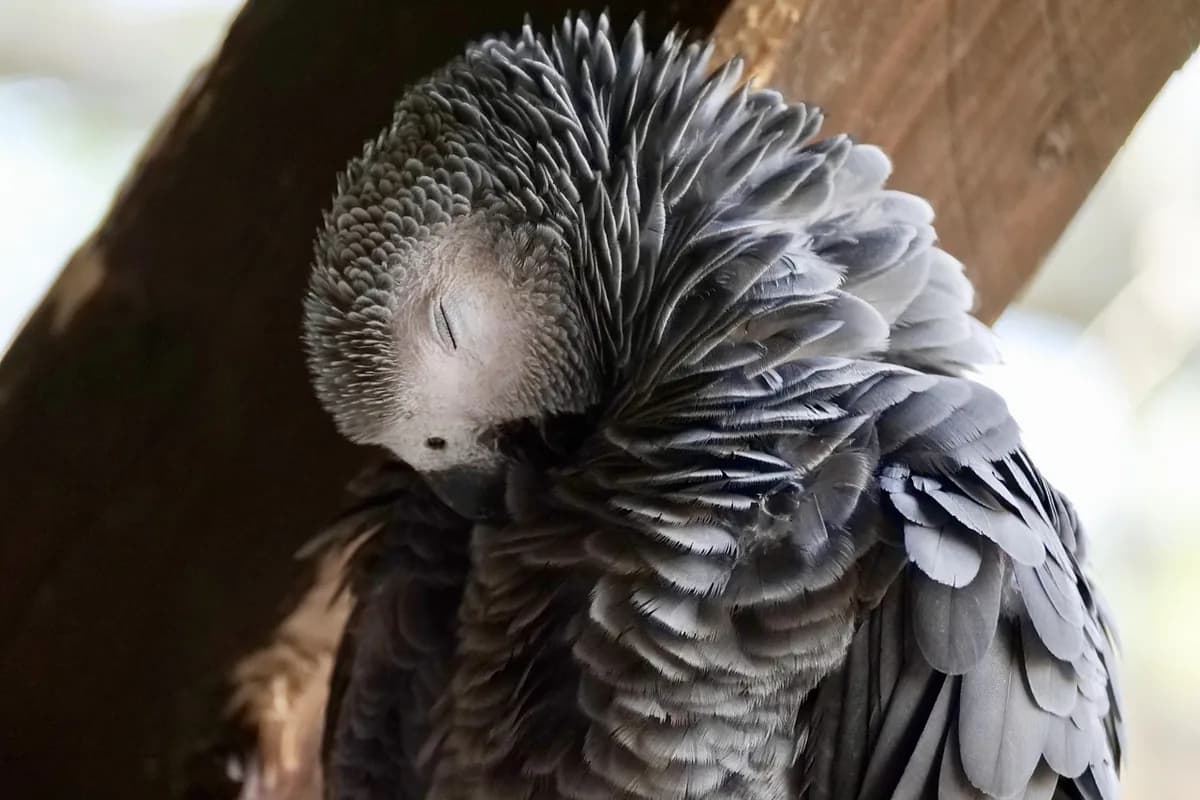
Your Parrot Is a Prey Animal First
If you want to understand almost anything your bird does, start here: parrots are prey animals. Their behavior, in the wild and in your living room, is shaped by millions of years of being hunted. The Merck Veterinary Manual describes near-constant watchfulness as normal, healthy psittacine behavior, not anxiety or "difficulty." Your parrot is simply running the survival software it was born with.
That software matters most on the ground. A parrot foraging on the forest floor is at its most exposed, which is exactly why wild flocks feed together. Many eyes mean many chances to spot a threat, and the moment one bird flushes, the whole flock lifts. At Bird Sitting Toronto, where we board hundreds of birds every year, we see the captive version of this instinct daily: a bird that eats calmly when its household feels settled, and one that freezes the second something feels off.
Who Hunts a Parrot in the Wild
Wild parrots are pressured around the clock. The predators change with the light, but the vigilance never really switches off.
| When | Typical predators | How they strike |
|---|---|---|
| Daytime | Hawks and eagles | Fast aerial attack from above |
| Daytime | Arboreal snakes | Ambush along branches and at the nest |
| Daytime | Wild cats (ocelots, margays) and monkeys | Raids on nests, eggs, and chicks |
| Night | Owls | Silent ambush at the roost |
| Night | Tree-climbing snakes | Hunting birds asleep on the branch |
The takeaway is not the exact list. It is that a parrot is never fully off-duty, so a low hum of alertness is its baseline, not a problem to fix.
Fight or Flight: The Instinct Behind the Reaction
Faced with danger, a parrot's first choice is almost always flight. Escape beats confrontation for a bird whose survival depends on getting airborne. Only when flight is impossible will it turn and fight, using that powerful beak as a genuine weapon of last resort.
The single most important predator to understand is the hawk, which drops from overhead with almost no warning. Because of this, parrots are acutely tuned to fast movement from above and behind them. A hand appearing over the head reads, to the oldest part of your bird's brain, exactly like a raptor's strike.
Warning: Never grab at your bird from above or lunge toward it from behind. Approach at or below eye level, let it see your hand coming, and move slowly. Reaching over the head is one of the fastest ways to trigger a panic response, a lunging bite, or a full-blown fear of hands.
Why Harmless Objects Set Your Bird Off
To a prey animal, a false alarm costs almost nothing, but a missed threat costs everything. That trade-off is why ordinary household items can read as mortal danger:
- A helium balloon drifting near the ceiling can register as a hovering hawk.
- A vacuum hose snaking across the floor can read as a predator on the ground.
- Ceiling fans, flickering shadows, or a passing shape outside the window can all mimic overhead movement.
These are not your bird being dramatic or "silly." They are automatic survival reflexes firing exactly as they evolved to.
Tip: When you introduce something new and large, keep it across the room, let your bird watch it from a safe distance, and pair it with a favourite treat. Distance plus something good to eat teaches the brain that the strange object predicts reward, not attack.
Prey Animals Are Built to See
Parrots are intensely visual, and their eyes are tuned for exactly what a hunted animal needs: catching motion, early and far away. Per Lafeber and the Association of Avian Veterinarians, birds see a broader colour range than we do, including ultraviolet light, and they process visual information considerably faster than the human eye. Practically, that means your bird can register a flicker or a fast movement that you never noticed, and react before you understand what alarmed it.
For a deeper look at how your bird's senses shape its world, see our companion article, "Avian Senses and Survival."
Building a Braver Bird Through Early, Gentle Exposure
Because suspicion of the unfamiliar keeps prey animals alive, a sheltered parrot often grows fearful of anything new: unfamiliar people, objects, rooms, or routines. The most reliable antidote, consistent with VCA Animal Hospitals and broad avian veterinary consensus, is early, positive socialization. A young bird thoughtfully introduced to novelty tends to grow into a calmer, more resilient adult.
Ways to Build Adaptability
- Rotate your bird's toys and offer variety in its diet so change becomes routine, not alarming.
- Travel with your parrot in small, low-stress doses so a carrier and car ride feel ordinary.
- Invite new people to interact gently, on your bird's terms and at its pace.
- Allow gradual exposure to different rooms and environments, never forced.
Every calm, rewarded encounter with something new adds a little emotional flexibility, so an unfamiliar situation feels survivable rather than terrifying.
Respecting the Prey Mindset
Once you accept that your parrot is a prey animal first, a great deal of "difficult" behavior stops looking like stubbornness and starts looking like survival instinct doing its job. The most caring thing you can offer is not to argue with those instincts but to work with them: a calm, predictable, enriched home, gentle handling, and patient exposure to the world. Do that, and you honour both your bird's wild wiring and its emotional well-being.
Explore related topics
Related Articles
The 20 Biggest Mistakes New Bird Owners Make
We all make mistakes as new bird owners. Here are the 20 most common — and how to avoid them.
Do Parrots Feel Jealousy? Understanding Possessive Behavior
Your parrot lunges at your partner when they sit near you. Is it jealousy? The science says yes — here's what to do.
Fireworks and Loud Noises: Protecting Your Parrot from Sound Stress
Canada Day, New Year's, thunderstorms — loud events can traumatize your bird. Here's how to protect them.