Do Parrots Feel Jealousy? Understanding Possessive Behavior
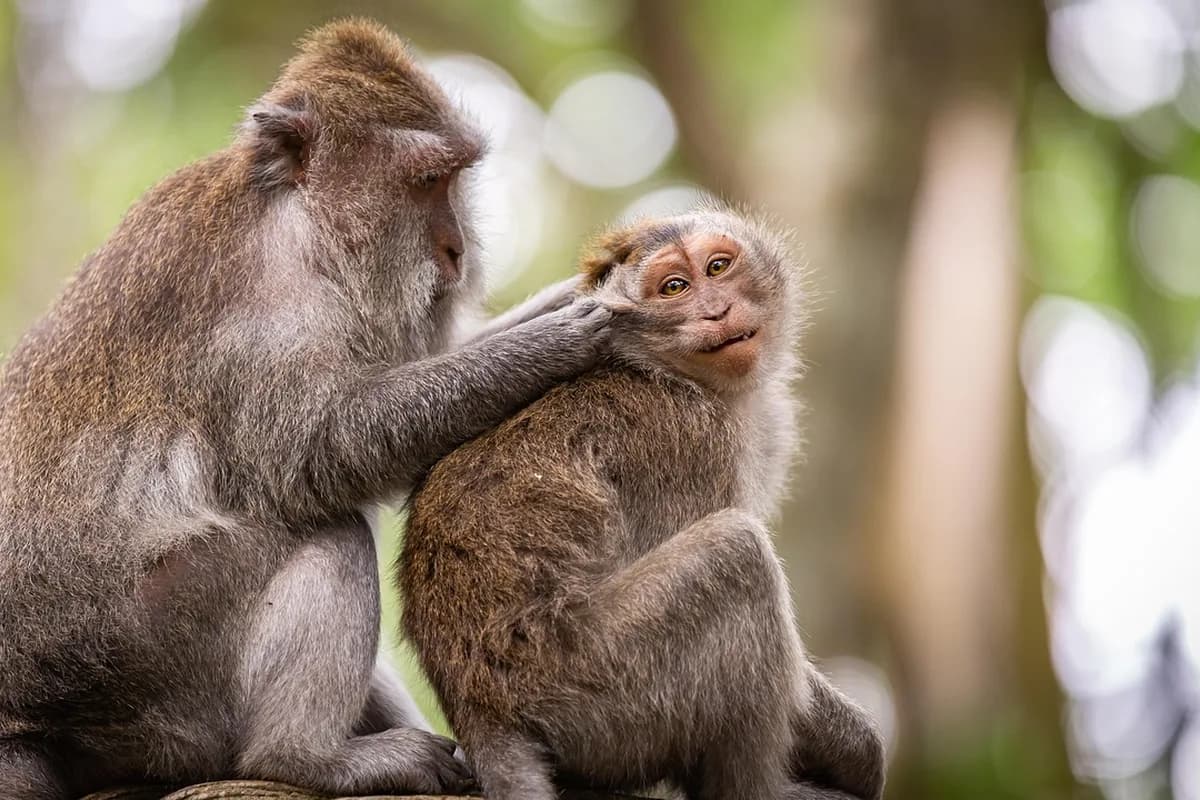
The Green-Eyed Monster: Why Your Parrot Gets Jealous
If you've ever watched your beloved parrot launch into a screaming fit when someone else approaches you, or witnessed them lunge aggressively at family members who dare to get too close to "their" person, you've seen parrot jealousy in action. And yes, it's absolutely real.
In our experience boarding over 1,000 birds at BST, we see jealous parrots regularly — birds who are perfectly sweet with their favorite person but transform into feathered fury when anyone else enters the picture. The good news is that understanding why this happens and how to manage it can help create a more harmonious household for everyone, including your possessive parrot.
The Science Behind Parrot Jealousy
Here's the thing: parrots don't just act jealous — research suggests they actually experience something very similar to what we call jealousy. A groundbreaking 2021 study published in PLOS ONE found that birds, including parrots, show measurable stress responses and behavioral changes when they perceive a threat to their pair bond or social relationship.
Dr. Christine Auger's research on parrot cognition has shown that these birds possess the emotional complexity to experience what researchers term "social rivalry" — the distress that occurs when they perceive their special relationship is threatened. When we observe this in our boarding facility, we see elevated stress hormones, changes in vocalization patterns, and distinct behavioral shifts that mirror jealousy responses in other intelligent species.
The neurological evidence is compelling too. Parrots have well-developed limbic systems — the brain regions associated with emotion and social bonding. They also possess advanced cognitive abilities including theory of mind, meaning they can understand that others have different perspectives and relationships than they do.
Why Parrots Develop Possessive Behavior
The Pair Bonding Instinct
In the wild, most parrot species form monogamous pair bonds that can last for life. This isn't just about mating — it's about survival. Paired birds share resources, defend territory together, and rely on each other for protection and companionship. This deep-seated instinct doesn't disappear when a parrot becomes a pet.
When your parrot chooses you as their "mate," they're activating millions of years of evolutionary programming that says: "This is my person, and I must protect this relationship at all costs." From their perspective, anyone who threatens this bond — whether it's your spouse, children, or even other pets — becomes a rival to be driven away.
The Single Favorite Person Phenomenon
Most parrots will eventually choose one person as their primary bond partner, even in households with multiple bird-loving family members. This choice often seems random to us, but it usually comes down to who:
- Spends the most consistent time with the bird
- Provides the most positive interactions (food, play, attention)
- Has a calm, predictable energy that the bird finds reassuring
- Was the primary caregiver during a crucial bonding period
Once this bond forms, the parrot may view everyone else as competition, leading to the jealous behaviors that can make family life challenging.
How Jealousy Manifests in Parrots
Recognizing jealous behavior is the first step in addressing it. We see these common manifestations at BST:
Aggression Toward Perceived Rivals
- Lunging or biting when others approach their favorite person
- Territorial displays like wing spreading, feather fluffing, or aggressive posturing
- Chasing or attacking other family members or pets
- Resource guarding — preventing others from accessing food, toys, or perches
Attention-Seeking Behaviors
- Excessive screaming when their person interacts with others
- Demanding contact calls to redirect attention back to them
- Destructive behavior when feeling ignored or replaced
- Regressive behaviors like refusing to step up for anyone else
Subtle Manipulation Tactics
- Performing tricks or cute behaviors to regain attention
- Feigning illness or distress when rivals are present
- Strategic placement — positioning themselves between their person and others
- Selective deafness — ignoring commands from everyone except their chosen person
Important: Not all aggressive behavior is jealousy. Rule out medical issues, hormonal changes, or fear-based responses before assuming jealousy is the cause.
Prevention Strategies: Building Bonds with Everyone
The best time to prevent extreme jealousy is during the early bonding period, but it's never too late to start working on this issue.
Rotate Primary Caregiving Duties
Instead of having one person handle all the bird care, establish a rotation system:
- Feeding duties — Different family members provide meals throughout the week
- Training sessions — Everyone participates in teaching tricks and commands
- Playtime — Rotate who initiates games and interactive play
- Bedtime routine — Share responsibility for putting the bird to bed
Create Positive Associations with All Family Members
Each person should become associated with good things in your parrot's mind:
- Special treats that only certain people provide
- Unique activities — maybe Mom is the puzzle toy person, Dad is the music and dancing partner
- Individual training goals — each person teaches different tricks or behaviors
- Calm, positive interactions without forcing physical contact
Establish Consistent Rules and Boundaries
Everyone in the household should follow the same guidelines:
- Same commands and cues for basic behaviors
- Consistent boundaries about what's allowed and what isn't
- United front — don't let the bird manipulate family dynamics
- Predictable routines that involve multiple people
Management Techniques for Existing Jealousy
If your parrot is already showing strong jealous behaviors, here's how to address them:
The Gradual Desensitization Approach
Start small and build up tolerance slowly:
- Distance work — Have the "rival" person sit across the room during positive interactions
- Parallel activities — Both people present but engaged in separate, positive activities with the bird
- Cooperative tasks — Work together to provide something the bird wants (like preparing a special meal)
- Gradual proximity — Slowly decrease distance as the bird becomes more comfortable
Redirect Rather Than Punish
When jealous behaviors occur:
- Ignore attention-seeking screaming but reward quiet, calm behavior
- Redirect aggression to appropriate outlets like foraging toys or exercise
- Remove the bird calmly from situations where they're becoming overstimulated
- Reward positive interactions with non-favored family members immediately
Environmental Management
Set up your space to reduce jealousy triggers:
- Multiple perching areas so the bird doesn't have to guard one prime spot
- Separate interaction zones for different family members
- Visual barriers when needed to reduce territorial displays
- Enrichment activities that require cooperation from multiple people
Hormonal Possessiveness vs. True Jealousy
It's crucial to understand the difference between seasonal hormonal behavior and ongoing jealousy issues.
Hormonal Possessiveness
This typically occurs during breeding season and includes:
- Seasonal timing — usually spring and sometimes fall
- Intense but temporary behavior changes
- Nesting behaviors like shredding, hiding in dark spaces
- Regurgitation or other mating displays
- Extreme aggression that's out of character
True Jealousy
This is more consistent and relationship-focused:
- Year-round behavior that may intensify during hormonal periods
- Specifically triggered by interactions between their person and others
- Selective targeting of perceived rivals while remaining friendly to their chosen person
- Cognitive awareness of social dynamics and relationships
Pro Tip: Hormonal possessiveness often requires different management strategies, including environmental changes to reduce breeding triggers and sometimes veterinary intervention.
Working with Professional Behavior Consultants
Sometimes jealousy issues require professional help, especially when they involve:
- Safety concerns — bites that cause injury or aggressive attacks
- Extreme stress in the bird or family members
- Failed attempts at behavior modification
- Complex family dynamics that make consistent training difficult
A certified parrot behavior consultant can help develop a customized plan that addresses your specific situation and family dynamics.
Final Thoughts
Parrot jealousy is real, understandable, and manageable with the right approach. Remember that your bird's possessive behavior comes from a place of love and natural instinct — they're not trying to be difficult, they're trying to protect what they perceive as their most important relationship.
The key is patience, consistency, and helping your parrot understand that loving you doesn't mean they need to drive everyone else away. With time and the right strategies, even the most jealous parrot can learn to share their favorite person and enjoy positive relationships with the whole family.
At BST, we've seen countless "one-person birds" learn to accept and even enjoy interactions with multiple caregivers. It takes time, but the result — a more confident, socially flexible parrot and a more harmonious household — is absolutely worth the effort.
Explore related topics
Related Articles
The 20 Biggest Mistakes New Bird Owners Make
We all make mistakes as new bird owners. Here are the 20 most common — and how to avoid them.
Fireworks and Loud Noises: Protecting Your Parrot from Sound Stress
Canada Day, New Year's, thunderstorms — loud events can traumatize your bird. Here's how to protect them.
How Long Can I Leave My Parrot Alone? A Realistic Guide
Work, errands, vacations — every owner needs to leave sometimes. Here's how long is safe and how to prepare.