Fireworks and Loud Noises: Protecting Your Parrot from Sound Stress
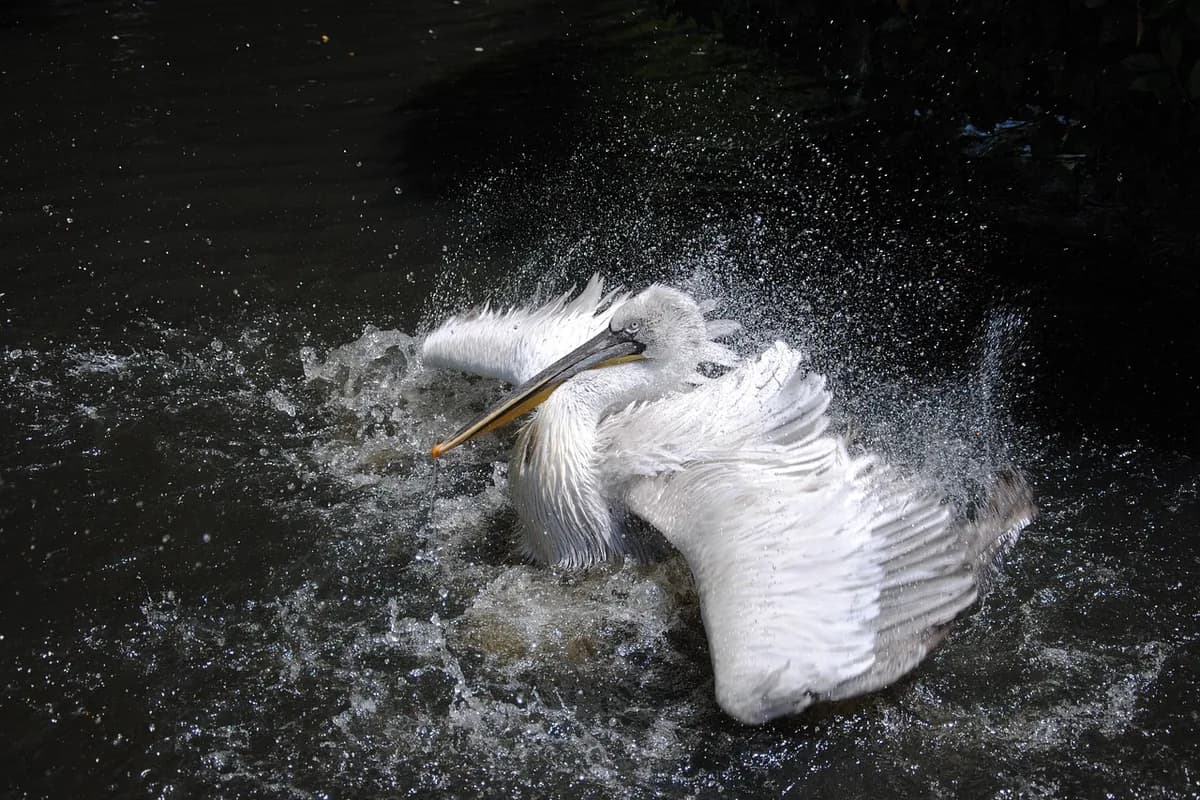
When the Sky Lights Up: Understanding Your Bird's Fear
Picture this: you're settling in for a cozy evening when suddenly the sky erupts with booming fireworks. While you might enjoy the colorful display, your feathered friend is likely experiencing something very different — pure terror. If you've ever watched your normally confident parrot huddle in the corner of their cage during a thunderstorm or seen them panic during unexpected loud noises, you're witnessing their natural survival instincts in action.
The good news is that with some preparation and understanding, you can help your bird navigate these stressful situations much more comfortably. In our experience boarding over 1,000 birds at Bird Sitting Toronto, we've learned that proactive planning makes all the difference when it comes to protecting our feathered friends from sound stress.
Why Birds Are Especially Vulnerable to Loud Noises
Your parrot's intense reaction to sudden loud sounds isn't just being dramatic — it's hardwired into their biology. As prey animals, birds have evolved to be hypervigilant about potential threats, and their acute hearing picks up sounds at frequencies and volumes that would make your head spin.
Here's what makes birds particularly sensitive:
- Prey animal instincts: In the wild, loud noises often signal danger from predators or natural disasters
- Superior hearing: Birds can detect sounds at much higher frequencies than humans, making loud noises even more overwhelming
- Flight response: Their first instinct is to flee, but being caged prevents this natural escape behavior
- Night vision limitations: Poor vision in low light makes unexpected sounds even more terrifying
The Night Fright Phenomenon
Night frights are perhaps the most concerning reaction we see. When startled by sudden noises in darkness, birds can panic and thrash around their cage, potentially injuring themselves on perches, toys, or cage bars. We've seen birds with broken blood feathers, bruised wings, and stress-related health issues following severe night frights.
Preparation: Setting Your Bird Up for Success
The key to helping your bird through fireworks season or storm season is preparation. Don't wait until the first boom to start thinking about your bird's comfort.
Create a Safe Haven
Move to an interior room: If possible, relocate your bird's cage to the most interior room of your home — ideally one without windows facing the direction of fireworks. Basements can work well, but ensure proper ventilation and temperature control.
Sound barriers work wonders:
- Close all curtains and blinds to muffle sound and block flashing lights
- Consider hanging heavy blankets over windows for extra sound dampening
- Close doors to create additional barriers between your bird and outside noise
Audio Masking Strategies
Calming background noise can work miracles:
- Play soft classical music or nature sounds at a moderate volume
- White noise machines or apps can help mask sudden loud sounds
- Some birds respond well to calming bird songs or gentle instrumental music
- Start playing your chosen audio before the anticipated noise begins
Pro Tip: Test different types of calming audio during quiet times to see what your bird responds to best. Every bird has preferences, and you'll want to know what works before you need it.
During the Event: Staying Calm and Supportive
When the fireworks start or the thunder rolls, your bird will be looking to you for cues about how to react. Your calm, reassuring presence can make an enormous difference.
Your Behavior Matters
Stay calm yourself: Birds are incredibly perceptive and will pick up on your anxiety. Speak in soft, soothing tones and move slowly around their cage.
Provide gentle reassurance: Talk softly to your bird, but don't dramatically change your behavior — this can signal that something is indeed wrong.
Lighting and Cage Management
Keep lights on: This is crucial for preventing night frights. Your bird needs to see their surroundings clearly to feel secure.
Consider partial cage covering: A light sheet or cage cover over part of the cage can provide a sense of security while still allowing visibility. Never fully cover the cage during loud events — your bird needs to see what's happening.
Remove or secure loose items: Ensure toys, food dishes, and perches are securely fastened to prevent injury if your bird does startle.
Species-Specific Considerations
While all birds can be affected by loud noises, some species are particularly prone to severe reactions.
High-Risk Species
Cockatiels are notorious for dramatic reactions to sudden sounds. Their crest feathers are like a mood ring — when they're terrified, that crest goes flat against their head, and they may freeze or panic.
Budgerigars are also highly susceptible to night frights and can injure themselves easily in small cages when startled.
Smaller species generally tend to be more reactive, while larger parrots like macaws and African greys may be startled but often recover more quickly.
Tailoring Your Approach
For highly sensitive birds:
- Consider moving them to the quietest possible location days before anticipated events
- Use multiple sound-masking techniques simultaneously
- Stay nearby during peak noise times if possible
- Have a small travel carrier ready in case you need to move them quickly to an even quieter space
Long-Term Desensitization: Building Resilience
If your area regularly experiences thunderstorms or you know fireworks season is approaching, you can help your bird build tolerance through gradual exposure.
The Gradual Approach
Start small: Play recordings of thunder, fireworks, or other loud sounds at very low volumes during normal daytime activities.
Increase gradually: Over weeks or months, slowly increase the volume while monitoring your bird's comfort level.
Pair with positive experiences: Play these sounds during treat time or other enjoyable activities to create positive associations.
Timing matters: Practice during daylight hours when your bird feels most secure.
Important: Never rush this process. If your bird shows signs of stress at any volume, step back to a more comfortable level and progress more slowly.
Post-Event: Checking for Problems
After any loud noise event, it's important to assess your bird's condition both physically and emotionally.
Physical Examination
Look for signs of injury from potential night frights:
- Broken or bent feathers, especially blood feathers
- Scrapes or bruises on feet or wings
- Swelling around the face or head
- Limping or favoring one side
Stress Indicators
Watch for behavioral signs of ongoing stress:
- Loss of appetite lasting more than 24 hours
- Excessive sleeping or lethargy
- Aggressive behavior or increased fearfulness
- Changes in vocalization patterns
- Feather plucking or destructive behaviors
Warning: If you notice any physical injuries or if stress behaviors persist for more than a few days, consult with an avian veterinarian. Chronic stress can lead to serious health problems in birds.
Final Thoughts
Protecting your bird from sound stress isn't just about getting through one night of fireworks — it's about building their confidence and resilience over time. Every bird is different, and what works for one may not work for another. The key is patience, preparation, and paying attention to your individual bird's needs.
Remember, your calm, reassuring presence is often the most powerful tool you have. Birds look to their human flock members for guidance about whether a situation is safe or dangerous. By staying calm and prepared, you're not just protecting your bird's physical safety — you're helping them learn that they can trust you to keep them secure, even when the world gets loud and scary.
With the right preparation and approach, you can help your feathered friend weather any storm — literal or figurative — that comes your way.
Explore related topics
Related Articles
The 20 Biggest Mistakes New Bird Owners Make
We all make mistakes as new bird owners. Here are the 20 most common — and how to avoid them.
Do Parrots Feel Jealousy? Understanding Possessive Behavior
Your parrot lunges at your partner when they sit near you. Is it jealousy? The science says yes — here's what to do.
How Long Can I Leave My Parrot Alone? A Realistic Guide
Work, errands, vacations — every owner needs to leave sometimes. Here's how long is safe and how to prepare.