Complete Care Guide for the Pionus Parrot
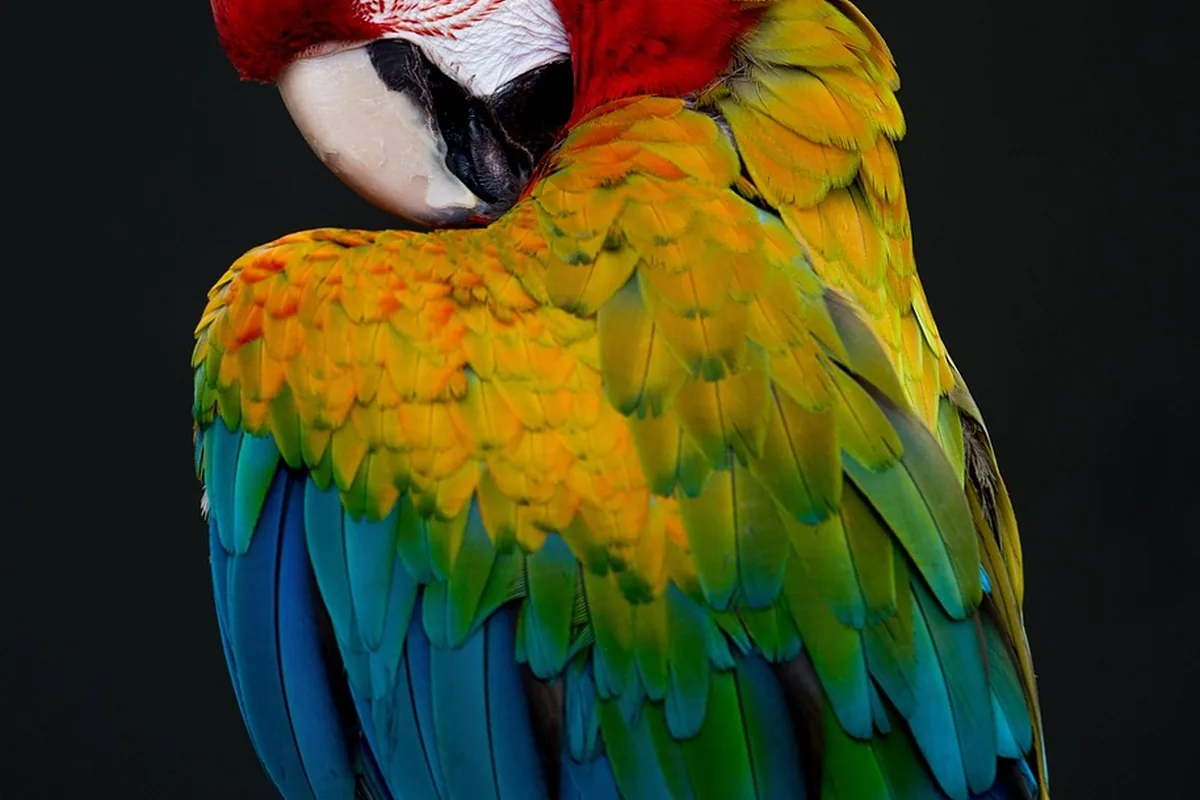
If you want the affection of a parrot without the volume of a conure or the intensity of a cockatoo, the Pionus may be the best-kept secret in the hobby. These stocky, mid-sized parrots from Central and South America are gentle, quiet, and famously easygoing — one of the few larger parrots we can honestly recommend to a thoughtful first-time owner. At Bird Sitting Toronto, where we board hundreds of birds every year, Pionus tend to be the boarders who settle in without drama: watchful for a day, then quietly getting on with life.
This guide is the hub. It covers who the Pionus is, how to house one properly, and a daily routine you can actually keep — then points you to our deeper articles on diet, health, behavior, and training.
Who the Pionus Is — and Who It Suits
There are several species kept as pets (Blue-headed, Maximilian's/Scaly-headed, White-capped, Bronze-winged, Dusky), all similar in temperament. Expect a bird that is:
- Mid-sized and sturdy: roughly 24-30 cm (10-12 in) long and 200-280 g in weight — bigger than a cockatiel, smaller and chunkier than an Amazon.
- Quiet by parrot standards: we rate their noise a gentle 2 out of 5. They chatter and have a morning and evening call, but they are not screamers.
- A modest talker: talking ability is around 2 out of 5. Some learn a handful of words and sounds in a soft, gravelly voice, but you should choose a Pionus for its companionship, not its vocabulary.
- Gentle and less nippy than many parrots, but genuinely sensitive — they can stress easily and are slower to warm up than a needy cockatiel. Once bonded, they are deeply loyal.
The trade-off for all that sweetness is longevity: a well-cared-for Pionus lives 25-40 years. This is a multi-decade relationship, so plan for it the way you would any long commitment — including who cares for the bird if your circumstances change.
Tip: Pionus are known for a soft "wheeze" or "snuffle" when excited, nervous, or first meeting someone. It sounds alarmingly like a respiratory illness but is usually a normal, harmless quirk of the species. Learn what your bird's snuffle sounds like when it's healthy, so you can tell it apart from real illness. More on this in our behavior and health articles.
Housing in Depth
A calm bird still needs room to move, climb, and stretch fully. For a single Pionus, aim for a minimum cage footprint of about 60 x 60 cm (24 x 24 in) and 75-90 cm (30-36 in) tall — and bigger is always better. The rule that matters most: your bird must be able to fully extend both wings and flap without touching the bars or toys.
| Feature | Recommendation |
|---|---|
| Minimum footprint | 60 x 60 cm (24 x 24 in), 75-90 cm (30-36 in) tall |
| Bar spacing | 1.6-2 cm (5/8 to 3/4 in) — narrow enough that a head can't wedge through |
| Cage shape | Rectangular with corners; avoid round cages, which offer no secure corner |
| Bar orientation | Some horizontal bars for climbing |
Perches. Skip the uniform plastic dowels that come with most cages. Provide natural-wood perches of varying diameters (roughly 1.5-3 cm) so the feet work different muscles and pressure points — this prevents pressure sores and arthritis over a long life. Add one rope perch and, if you like, a single pedicure/concrete perch positioned low so it isn't the main sleeping spot.
Placement. Pionus want to be part of the flock but hate feeling exposed. Put the cage against a wall in a social room (living room, home office) so one side is protected, at roughly chest height. Keep it out of the kitchen — fumes from overheated non-stick cookware are lethal to birds — and away from drafts, radiators, and direct afternoon sun.
Temperature and Toronto winters. Pionus are comfortable in normal household temperatures, roughly 18-26 C (65-78 F), and tolerate a bit cooler if acclimated. The bigger Canadian issue is dry winter air: forced-air heating can drop indoor humidity well below what a tropical bird likes. Aim for 40-60% humidity with a room humidifier, and offer regular bathing or misting to keep skin and feathers healthy.
A Daily Care Routine
Consistency lowers stress for a sensitive species. A workable rhythm:
- Morning: Uncover, greet, refresh water, and serve the fresh "chop" of chopped vegetables and a little fruit. Do a 30-second wellness glance (see below).
- Midday: Top up pellets, swap in a foraging toy, spot-clean the tray.
- Afternoon/evening: Out-of-cage time and interaction. Even 30-45 focused minutes counts; more is better. Pionus are content to hang out near you rather than demand constant hands-on attention.
- Night: Cover or move to a quiet, dark room for 10-12 hours of uninterrupted sleep. Poor sleep is a top hidden cause of grumpiness and hormonal behavior.
The 30-second daily health glance: eyes bright and clear, nostrils clean, breathing quiet and even (allowing for the normal snuffle), droppings normal in the tray, weight steady, and a full crop. Anything off for more than a few hours is worth a closer look.
Warning: A sick bird instinctively hides illness until it is seriously unwell. Sitting fluffed on the cage floor, tail-bobbing with each breath, or refusing food are late-stage emergencies — call an avian vet the same day, not "in a few days."
Diet, Health, Enrichment and Socializing — the Short Version
- Diet: A quality pellet-based diet (about 75-80%) built around fresh vegetables, with fruit and the occasional nut as treats. Because Pionus are prone to obesity and fatty liver, keep it deliberately low-fat — go easy on seeds and nuts. Full breakdown, safe/toxic food lists, and how to convert a seed junkie in our diet and nutrition guide.
- Health: Watch especially for aspergillosis (a fungal respiratory disease this species is notably susceptible to), obesity/fatty liver, and vitamin A deficiency. Annual avian vet exams catch most problems early — details in our common health issues guide.
- Enrichment: Foraging toys, shreddable wood and paper, and puzzles keep a smart bird busy. Rotate toys weekly to keep them novel.
- Socialization: Pionus bond deeply but appreciate calm, predictable interaction over roughhousing. Read your bird's signals — our behavior and body language guide and training tips show you how to build trust and teach step-up gently.
Get the housing, sleep, and diet right, and a Pionus rewards you with one of the most peaceful, affectionate companionships in the parrot world — for decades.
Explore related topics
Related Articles
Best Talking Parrot Species Ranked: From Chatterbox to Silent Type
Which parrots actually talk? Here's an honest ranking with realistic expectations for each species.
Bourke's Parakeet: The Complete Care Guide for This Gentle Species
Bourke's parakeets are the calmest, quietest parrots you'll ever meet. Perfect for beginners and apartments.
Lineolated Parakeet: The Complete Care Guide for Linnies
Lineolated parakeets (linnies) are quirky, quiet, and surprisingly cuddly. Here's everything you need to know.