Lineolated Parakeet: The Complete Care Guide for Linnies
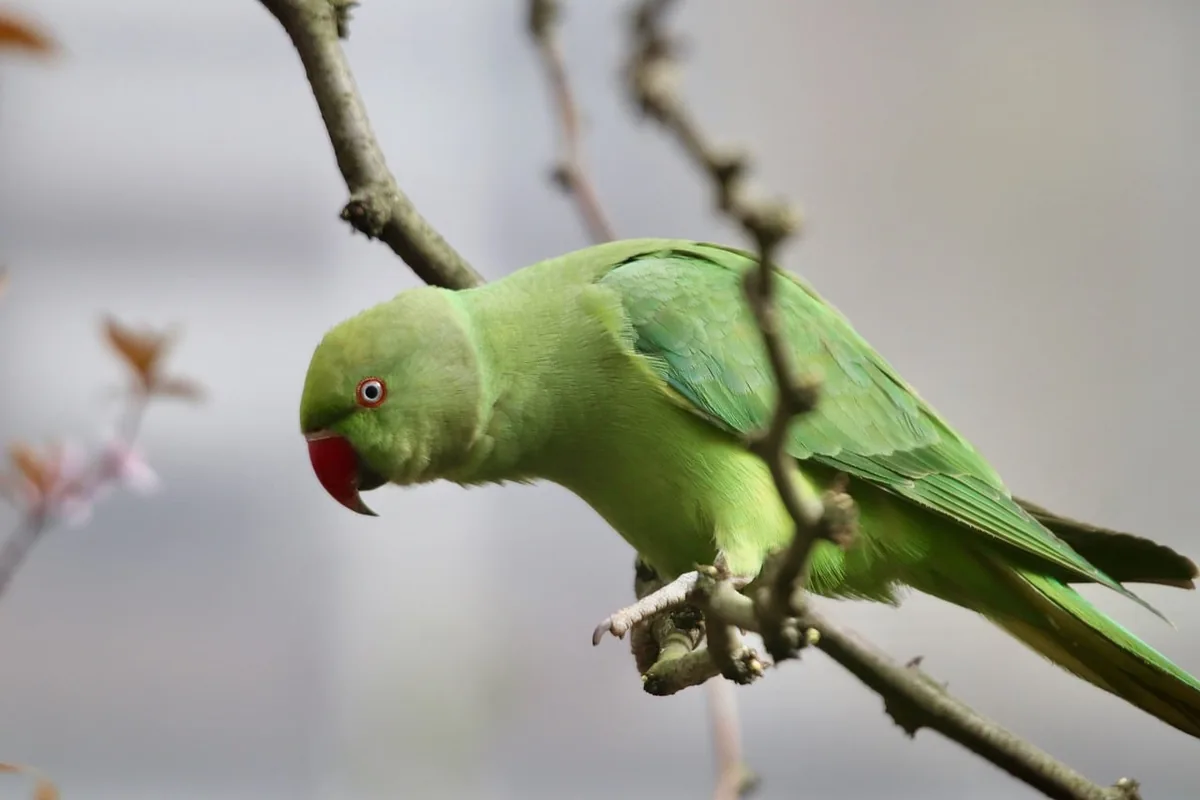
The Gentle Giants of the Parrot World
If you're looking for a bird that combines the charm of a parrot with the calm demeanor of a dove, meet the Lineolated Parakeet — affectionately known as "Linnies" by those who love them. These remarkable little birds are quietly winning hearts across the bird community, and once you learn about their unique personality and endearing quirks, you'll understand why.
In our experience boarding over 1,000 birds at BST, we've noticed that Linnie owners are some of the most devoted bird parents we meet. There's something special about these gentle, ground-walking parrots that creates an incredibly strong bond with their humans.
Meet the Lineolated Parakeet (Bolborhynchus lineola)
The Lineolated Parakeet hails from the mountainous regions of Central and South America, where they live in flocks among the cloud forests. Unlike their flashy cousin species, Linnies have evolved to be masters of subtlety and calm — traits that make them exceptional companion birds.
These compact parrots typically measure 6-7 inches in length and weigh around 50-60 grams. Their natural coloration features beautiful dark barring (those "lineolated" markings that give them their name) over a green base, creating an elegant, understated appearance that's quite different from the bold colors of many parrot species.
The Linnie Personality: Calm, Cuddly, and Wonderfully Peculiar
Here's the thing about Linnies — they're not your typical parrot. While most parrots are high-energy, acrobatic performers, Lineolated Parakeets are the zen masters of the bird world.
Temperament Traits
Gentle and Calm: Linnies rarely bite and are naturally peaceful birds. They're not prone to the dramatic mood swings that some parrot species experience, making them excellent for families or first-time bird owners.
Affectionate and Cuddly: These birds genuinely enjoy physical contact with their humans. Many Linnies love to snuggle under blankets, nestle in shirt pockets, or simply sit quietly on your shoulder while you work.
Independent Yet Social: While they bond strongly with their owners, Linnies are content to entertain themselves and don't demand constant attention like some parrot species.
Curious but Cautious: They explore their environment methodically rather than with the reckless abandon of other parrots, making them less likely to get into dangerous situations.
The Noise Factor: Finally, a Quiet Parrot
One of the most appealing aspects of Linnies is their volume — or lack thereof. These birds are naturally quiet, producing soft chattering, gentle whistles, and occasional chirps rather than the ear-piercing calls many parrots are known for.
Their vocalizations include:
- Soft contact calls to communicate with their flock (you)
- Gentle chattering during play or exploration
- Quiet whistles and chirps
- Occasional louder calls, but nothing compared to larger parrots
Pro Tip: Even their "loud" moments are apartment-friendly. We've boarded Linnies in our facility alongside Macaws and Cockatoos, and the volume difference is remarkable.
Talking Ability: Small Bird, Clear Voice
While Linnies aren't known as prolific talkers like African Greys or Amazons, many do learn words and phrases. What's particularly impressive about talking Linnies is their clarity — their pronunciation is often excellent, making their limited vocabulary very understandable.
Typical talking patterns include:
- Learning 10-20 words or short phrases
- Excellent pronunciation and clarity
- Preference for whispered or soft-spoken words
- Better success with patient, consistent training
- Some individuals never talk but remain wonderful companions
Unique Behaviors That Make Linnies Special
Linnies have several behaviors that set them apart from other parrots and make them endlessly entertaining to watch.
The Famous Linnie Walk
Unlike most parrots that hop, Linnies walk flat-footed like tiny feathered people. Watching a Linnie walk across your floor or table is both amusing and endearing — they move with purpose and dignity, as if they're on an important mission.
Burrowing Instincts
Linnies are natural burrowers who love enclosed, cozy spaces. In the wild, they nest in tree cavities, and in captivity, they maintain this love for small, secure spaces. Many Linnies adore:
- Sleepable huts and tents
- Fabric tunnels
- Small cardboard boxes
- Fleece strips for burrowing
- Shirt pockets and hoodie pouches
The Upside-Down Hang
Don't panic if you find your Linnie hanging upside down from their cage bars or perches — this is normal Linnie behavior! They often sleep and rest in this position, which can be alarming to new owners but is perfectly natural.
Ground Foraging
Linnies spend considerable time on the ground or cage bottom, foraging for food. This isn't a sign of illness — it's natural behavior that reflects their wild feeding patterns.
Diet: Feeding Your Linnie Right
Proper nutrition is crucial for Linnies, who can be prone to obesity if overfed or given too many high-fat treats.
Base Diet
High-Quality Pellets: 70-80% of the diet should consist of high-quality, appropriately sized pellets. Avoid seed-only diets, which lack essential nutrients.
Fresh Vegetables: 15-20% of the diet should include:
- Leafy greens (kale, spinach, romaine)
- Orange vegetables (carrots, sweet potato, squash)
- Broccoli, bell peppers, and peas
- Fresh corn and green beans
Limited Fruits: 5-10% of the diet can include:
- Berries, apple slices, and melon
- Grapes (cut in half to prevent choking)
- Banana and mango in small amounts
Foods to Avoid
- Avocado (toxic to birds)
- Chocolate and caffeine
- High-salt or high-sugar foods
- Fruit pits and apple seeds
- Onions and garlic
Important: Linnies are prone to weight gain, so monitor portions carefully and ensure they get adequate exercise through flight time and foraging opportunities.
Cage Setup: Creating a Linnie Paradise
Linnies have specific needs that differ from other parrots, particularly regarding sleeping arrangements and ground access.
Cage Requirements
Size: Minimum 24" x 24" x 30" for a single bird, but bigger is always better. Linnies appreciate horizontal space for walking and ground foraging.
Bar Spacing: 1/2 inch to 5/8 inch bar spacing to prevent escapes or injuries.
Shape: Rectangular cages work better than round ones, providing clear perching and flying paths.
Essential Accessories
Sleeping Hut: Unlike many parrots, Linnies genuinely benefit from enclosed sleeping spaces. Provide a sleepable hut, tent, or small nest box.
Multiple Perch Types:
- Natural wood branches of varying diameters
- Rope perches for comfort
- Mineral perches for beak health
- At least one perch near the sleeping area
Ground Access: Ensure your Linnie can safely access the cage bottom for foraging. Use safe substrate like paper towels or bird-safe bedding.
Foraging Opportunities: Hide treats in paper cups, toilet paper tubes, or foraging toys to encourage natural behaviors.
Health Considerations
Linnies are generally hardy birds, but they have some specific health considerations to monitor.
Common Health Issues
Obesity: The most common health problem in pet Linnies. Monitor weight regularly and ensure adequate exercise.
Respiratory Issues: Their burrowing nature can expose them to dusty environments. Ensure good ventilation and clean sleeping areas.
Egg Binding: Females can be prone to reproductive issues. Provide proper nutrition and monitor for signs of distress.
Signs of Illness
- Changes in appetite or droppings
- Labored breathing or tail bobbing
- Lethargy or changes in normal behavior
- Fluffed feathers for extended periods
- Loss of balance or coordination
Warning: Linnies are masters at hiding illness. Any change in behavior warrants a vet visit, as birds can deteriorate quickly once symptoms appear.
Color Mutations: A Rainbow of Linnies
While the natural green coloration is beautiful, selective breeding has produced several stunning color mutations:
Lutino: Bright yellow birds with red eyes Blue: Various shades from powder blue to deep cobalt Turquoise: Blue-green combination creating a stunning turquoise appearance Mauve: Soft purple-gray coloration Cremino: Pale cream-colored birds Pied: Patches of color and white creating unique patterns
Each mutation retains the same wonderful Linnie personality regardless of color.
Why Linnies Are Gaining Popularity
The growing appreciation for Lineolated Parakeets isn't surprising when you consider their unique combination of traits:
- Apartment-friendly volume levels
- Gentle, non-aggressive nature
- Lower maintenance than larger parrots
- Unique, entertaining behaviors
- Strong bonding without excessive neediness
- Beautiful appearance in multiple color varieties
- Suitable for families with children
We see this trend at BST — more and more clients are discovering these wonderful birds, and Linnie owners consistently report high satisfaction with their choice.
Final Thoughts
Lineolated Parakeets offer something truly special in the world of companion birds. They're the perfect choice for bird lovers who want the intelligence and personality of a parrot without the drama, noise, or high-maintenance requirements that often come with the territory.
If you're considering a Linnie, be prepared for a bird that will walk into your heart as surely as they walk across your table — with quiet dignity, gentle affection, and just enough quirky behavior to keep you smiling every day. In our experience, Linnie owners don't just have pets; they have feathered family members who bring joy, laughter, and peaceful companionship to their daily lives.
Explore related topics
Related Articles
Best Talking Parrot Species Ranked: From Chatterbox to Silent Type
Which parrots actually talk? Here's an honest ranking with realistic expectations for each species.
Bourke's Parakeet: The Complete Care Guide for This Gentle Species
Bourke's parakeets are the calmest, quietest parrots you'll ever meet. Perfect for beginners and apartments.
Longest-Living Parrot Species: Birds That Will Be in Your Will
Some parrots live 80+ years. Understanding lifespan commitments is crucial before getting a bird.