Diet and Nutrition for the Pionus Parrot
Of all the ways you can shape a Pionus's health and lifespan, diet is the one you control most directly every single day. This is a species with a specific vulnerability: Pionus are prone to obesity and fatty liver disease, and they are also susceptible to vitamin A deficiency. Both of those are diet-driven, and both are largely preventable. The goal for a Pionus is a nutrient-dense, deliberately low-fat, vegetable-forward diet.
What Makes the Pionus Different
A wild Pionus grazes on fruits, seeds, blossoms, and leafy material — a diet naturally high in fiber and micronutrients and relatively low in fat. In our homes, the danger is the opposite: an all-seed bowl is essentially junk food, high in fat and low in vitamin A precursors. On that diet a Pionus quietly gains weight, develops a fatty liver, and drifts toward the exact deficiencies this species is known for. Keeping the fat down and the dark leafy vegetables up is the whole game.
The Pellet House Standard, Applied to Pionus
A formulated pellet should be the foundation. Pellets are nutritionally complete and eliminate the "seed picker" who eats only the fatty bits. For a Pionus we aim for:
| Food Group | Share of Diet | Examples | Notes |
|---|---|---|---|
| Formulated pellets | 75-80% | Harrison's, Roudybush, TOP's, Lafeber | Choose a low-fat/maintenance formula; avoid high-sugar, brightly dyed pellets |
| Fresh vegetables | 15-20% | Kale, dandelion greens, broccoli, sweet potato, red pepper, carrot | The vitamin-A workhorses — feed generously |
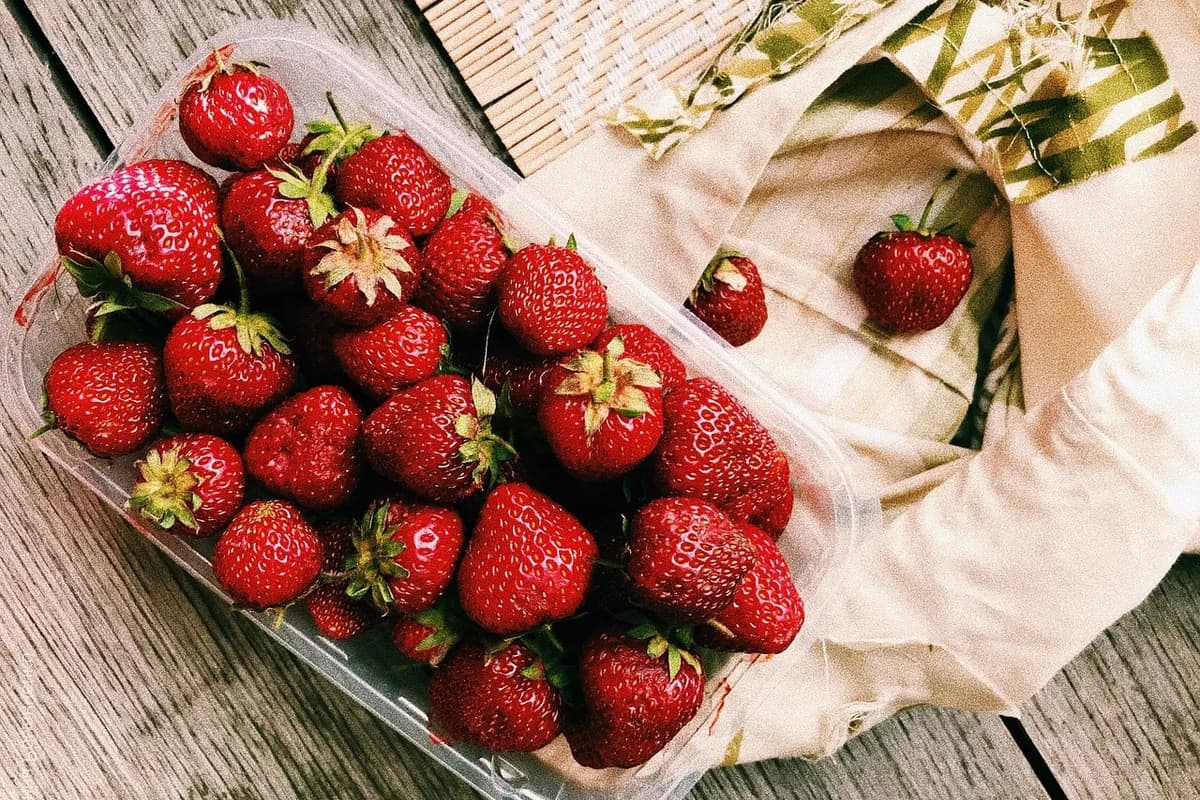
| Fresh fruit | ~5% | Berries, mango, papaya, apple (no seeds) | Flavorful but sugary — a garnish, not the meal |
| Seeds & nuts | ~5%, treats only | A few sunflower seeds, a sliver of almond | High-value training rewards; the main lever for keeping fat down |
Note the difference from a generic parrot chart: because Pionus fatten easily, we keep seeds and nuts to roughly 5% and use them almost exclusively as treats, and we lean into vegetables over fruit.
Tip: Load up on dark leafy greens and orange vegetables — kale, dandelion greens, cooked sweet potato, carrot, red bell pepper. These are rich in beta-carotene (a vitamin A precursor), directly countering the vitamin A deficiency Pionus are prone to. If your bird already eats good pellets, you generally should NOT add a separate synthetic vitamin A supplement — over-supplementation causes its own problems. Get the color into the vegetables instead.
Safe Foods
Vegetables (feed generously): kale, dandelion greens, collards, broccoli, bok choy, sweet potato (cooked), carrot, red/orange bell pepper, snap peas, green beans, zucchini, squash, cooked pumpkin.
Fruits (in moderation): blueberries, raspberries, mango, papaya, apple (seeds removed), banana, melon, pomegranate, seedless grapes.
Cooked grains and legumes (small portions): cooked quinoa, brown rice, whole-grain pasta, oats, well-cooked lentils and chickpeas. These add variety and plant protein.
Rinse produce well, and offer it fresh. Warm, chopped food in the morning tends to get the best response.
Toxic Foods — Never Feed These
Some of these are fatal in tiny amounts. Keep them out of reach entirely.
- Avocado — contains persin, which causes heart failure and sudden death in birds.
- Chocolate — theobromine (and caffeine) cause vomiting, seizures, and cardiac arrest.
- Caffeine — coffee, tea, cola, energy drinks; birds are exquisitely sensitive.
- Alcohol — no safe amount; depresses the nervous system.
- Onion and garlic — damage red blood cells and cause anemia, raw or cooked.
- Fruit pits and apple seeds — cherry, apricot, peach, plum pits and apple seeds are cyanogenic (release cyanide). Flesh is fine; remove the pit/core.
- Salt and salty snacks — a small bird body can't handle the sodium load.
- Uncooked/dried beans — contain hemagglutinin, a potent toxin; only fully cooked legumes are safe.
- Mushrooms — several varieties are toxic and cause digestive and liver problems; easiest to avoid altogether.
Also skip anything greasy, fried, or heavily processed — exactly the fat-and-salt profile a fatty-liver-prone Pionus should avoid.
Meal Prep and "Chop"
The easiest way to feed a good vegetable-forward diet is "chop": a big batch of finely chopped vegetables (plus some cooked grain and a little fruit) mixed together, portioned into daily servings, and frozen. Each morning you thaw one portion. Chopping small means your bird can't pick out only the favorites, and it makes a colorful, foraging-friendly meal. Fresh food should be removed after a few hours so nothing spoils.
Transitioning Off a Seed Diet
Pionus can be stubborn converts, and a bird that stops eating drops weight dangerously fast — so go gradually and never starve a bird onto pellets.
- Offer pellets alongside the current seed mix in a separate dish so pellets become familiar and non-threatening.
- Serve fresh chop every morning when appetite is highest; try different textures (chopped, shredded, lightly warmed).
- Reduce seed slowly over several weeks, trimming the seed portion as pellet and vegetable intake rises.
- Be patient — conversion commonly takes weeks to a few months. Model eating (letting your bird see you "eat" a pellet) can help.
- Weigh weekly on a gram scale. A healthy Pionus sits around 200-280 g depending on species; a steady drop means slow down and check with your vet.
Warning: Never remove seed entirely overnight to force the issue. Some birds will starve rather than eat unfamiliar food. Track weight, and if your Pionus stops eating or loses weight quickly, revert and consult an avian vet.
Hydration and Supplements
Provide fresh, clean water at all times, changed at least twice daily — more if your bird bathes in it or drops food in the bowl. A backup water source (a second dish or a bottle) is smart insurance.
On supplements, less is more: a bird eating quality pellets and colorful vegetables usually needs no added vitamins, and over-supplementing (especially fat-soluble vitamins like A and D) can cause harm. If you feed mostly seed and can't fully convert, talk to your avian vet about targeted supplementation rather than guessing. Cuttlebone or a mineral block offers calcium and beak conditioning and is a safe standby.
Explore related topics
Related Articles
Can Parrots Eat Human Food? A Complete Guide to Sharing Meals
Your parrot wants to eat off your plate. Which human foods are safe to share and which are dangerous?
The Complete Guide to Parrot Pellets: Brands, Conversion, and Myths
Pellets should be 50-70% of your parrot's diet, but not all pellets are equal. Here's everything you need to know.
Cooking for Your Parrot: 15 Recipes and Meal Ideas They'll Love
Variety is the spice of your parrot's diet. These easy recipes make feeding time exciting and nutritious.