Common Health Issues in Pionus and How to Prevent Them
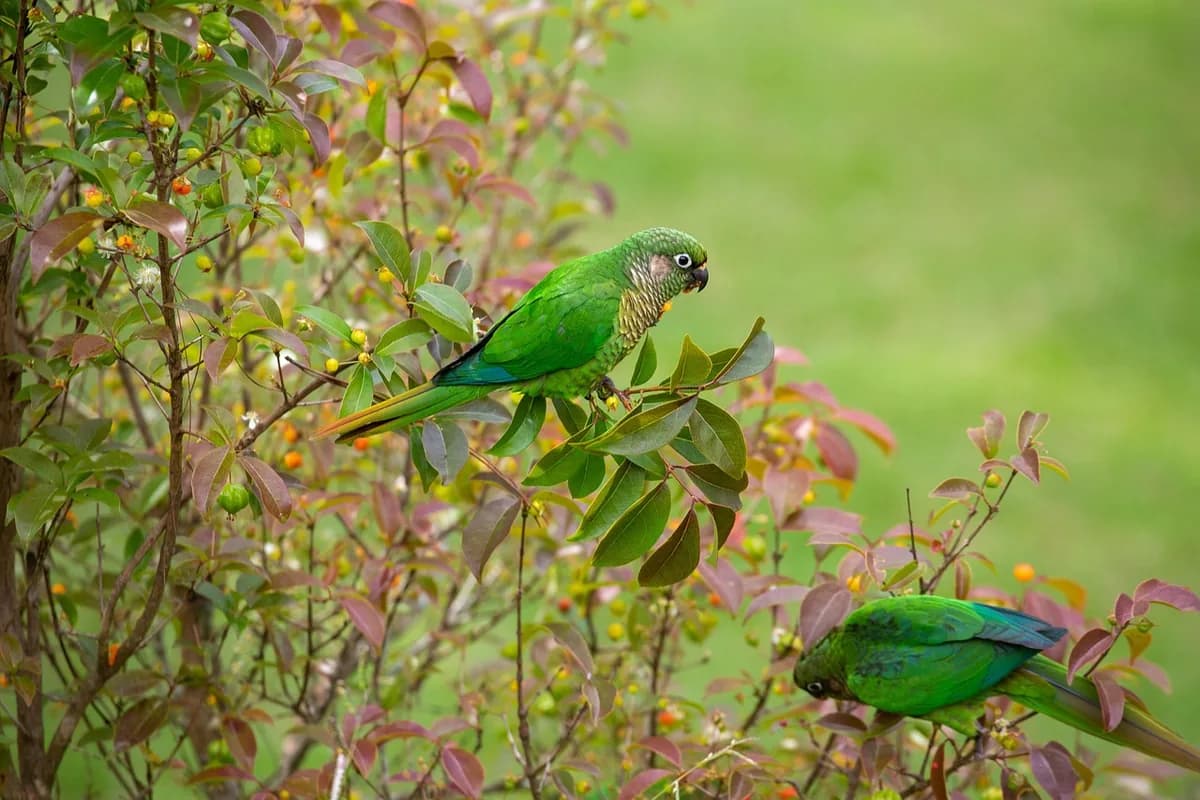
Pionus are hardy, long-lived birds — 25 to 40 years with good care — but "hardy" is not "invincible." Like all parrots, a Pionus instinctively masks illness until it is seriously unwell, so a healthy routine and a sharp eye do more for lifespan than any single treatment. This guide focuses on the conditions a Pionus is actually prone to, the general signs of trouble, and the moments that mean "call the avian vet now."
Know Your Species' Weak Points
Pionus have a few well-documented vulnerabilities. Knowing them tells you what to watch for.
Aspergillosis (the big one for Pionus)
Pionus are notably susceptible to aspergillosis, a respiratory infection caused by the common environmental mold Aspergillus. Spores are everywhere; the disease takes hold when a bird's immune system is stressed or its air is poor — damp housing, dusty bedding, poor ventilation, moldy food, or chronic stress all raise the risk. It's especially insidious because it develops slowly and hides behind the Pionus's normal wheeze.
Signs to watch for: a change in voice, increased or persistent wheezing (distinct from the normal excitement-snuffle), tail-bobbing with each breath, exercise intolerance, open-mouth breathing, and vague decline (weight loss, low appetite).
Prevention: clean, dry, well-ventilated housing; never damp or moldy food or bedding; a HEPA air purifier in the bird's room; keep humidity in a sensible 40-60% range without letting the cage or its corners stay wet; and minimize chronic stress. Because it can smolder undetected, any respiratory sign that is constant or worsening deserves a vet visit — do not assume it's "just the wheeze."
Warning: The normal Pionus wheeze comes and goes with excitement and resolves when the bird calms. Aspergillosis-type wheezing is persistent, may worsen, and travels with other symptoms (tail-bobbing, appetite loss, voice change). When in doubt, get it checked — early aspergillosis is far more treatable than advanced disease.
Obesity and Fatty Liver Disease
Pionus put on weight easily, and a fatty, seed-heavy diet drives hepatic lipidosis (fatty liver). Warning signs include a visibly overweight body, an overgrown or flaky beak, poor feather quality, black or bruised areas on the beak, and lethargy. Prevention is dietary: a low-fat, pellet-based, vegetable-forward diet with seeds and nuts kept to occasional treats, plus daily out-of-cage exercise. Track weight weekly on a gram scale (a healthy Pionus runs roughly 200-280 g depending on species). See our diet and nutrition guide for the full plan.
Vitamin A Deficiency (Hypovitaminosis A)
A classic consequence of seed-based diets, and one Pionus are prone to. Vitamin A is essential for healthy skin, respiratory lining, and immune defense — a deficient bird is also more vulnerable to respiratory infection (including aspergillosis). Signs include white plaques in the mouth, recurrent respiratory or sinus issues, poor feather color, and swollen eyes. Prevention is simple and delicious: feed plenty of beta-carotene-rich vegetables — dark leafy greens, cooked sweet potato, carrot, red pepper — alongside good pellets, rather than reaching for synthetic vitamin A, which is easy to overdose.
Other Conditions to Know
- Psittacosis (parrot fever): a Chlamydia infection that can spread to humans, causing lethargy, ruffled feathers, green droppings, and eye/nasal discharge. Quarantine new birds for 30-45 days and see a vet if suspected.
- Feather-destructive behavior: less common in Pionus than in cockatoos, but possible. Rule out medical causes (infection, deficiency, low humidity) before assuming it's behavioral, then address enrichment, sleep, and stress.
General Signs of a Sick Bird
Birds hide illness, so any of these — especially several together — warrants attention:
- Fluffed-up, puffed posture for extended periods
- Sitting low, sleeping more, or perching on the cage floor
- Reduced appetite, weight loss, or a smaller/absent crop
- Changes in droppings (color, consistency, volume) beyond a normal diet-related shift
- Tail-bobbing, wheezing, or any labored breathing
- Discharge from eyes or nostrils; soiled or matted feathers around the face or vent
- Dull, unfocused eyes and general disinterest in surroundings
Tip: Weigh your Pionus weekly on a gram scale and jot it down. Steady weight is one of the earliest, most objective indicators of health — a bird can look normal while quietly losing grams. A downward trend is your earliest warning sign.
Preventive Care and Wellness Exams
Every Pionus should see an avian veterinarian — not a general small-animal clinic — at least once a year while healthy, and twice yearly as they age. A wellness exam typically includes a physical check, weight, and a look at feathers, feet, and beak, and your vet may recommend fecal testing and baseline bloodwork to catch liver and other issues before symptoms show. In the Greater Toronto Area, book with a certified or experienced avian vet and establish that relationship before an emergency, not during one.
A preventive routine:
- Annual (or twice-yearly) avian vet wellness exam and baseline bloodwork
- Fresh water and food daily; weekly full cage clean and disinfect
- Weekly weight check on a gram scale
- 10-12 hours of dark, quiet, uninterrupted sleep nightly
- Humidity around 40-60% (important for dry Toronto winters), with regular bathing/misting
- HEPA air purifier in the bird's room; no smoke, aerosols, scented candles, or fumes
- A strictly bird-safe kitchen — non-stick (PTFE/Teflon) cookware and self-cleaning ovens release fumes that kill birds within minutes
When It's an Emergency
Call an avian vet immediately — same day — if your Pionus shows any of these:
- Labored breathing, open-mouth breathing, or continuous tail-bobbing
- Sitting on the bottom of the cage, unable to perch, or loss of balance
- Bleeding from anywhere, or a broken blood feather that won't stop
- Not eating for more than 12 hours, or obvious rapid weight loss
- Seizures, weakness, or collapse
- Sudden swelling, a fluffed and unresponsive bird, or straining/inability to pass droppings
A Brief Note on Home First Aid
Home care is only for stabilizing on the way to the vet — never a substitute. Keep a small avian first-aid kit: styptic powder or cornstarch (for a bleeding nail or beak tip; never on skin), gauze, a towel for gentle restraint, and your vet's emergency number on the fridge. A sick or injured bird chills fast, so keep it warm (around 29-30 C / 85 F), quiet, and dark in a small carrier while you arrange transport. For a bleeding broken blood feather, apply gentle pressure and styptic and get to the vet — do not attempt to pull the feather yourself unless your vet directs you. When in doubt with any parrot, err toward calling: birds decline fast, and hours matter.
Explore related topics
Related Articles
Aspergillosis in Birds: The Invisible Fungal Killer
Aspergillosis is one of the most common and deadly avian diseases. It's caused by a fungus that's everywhere in our environment.
The Avian First Aid Kit: 25 Essential Supplies Every Bird Owner Needs
When an emergency happens, you need supplies ready NOW. Here's what every bird owner should have on hand.
Bird Insurance: Is It Worth It? A Complete Guide to Avian Pet Insurance
A single emergency vet visit can cost $2000+. Pet insurance for birds exists — here's whether it's worth the premium.