Understanding Pionus Behavior and Body Language
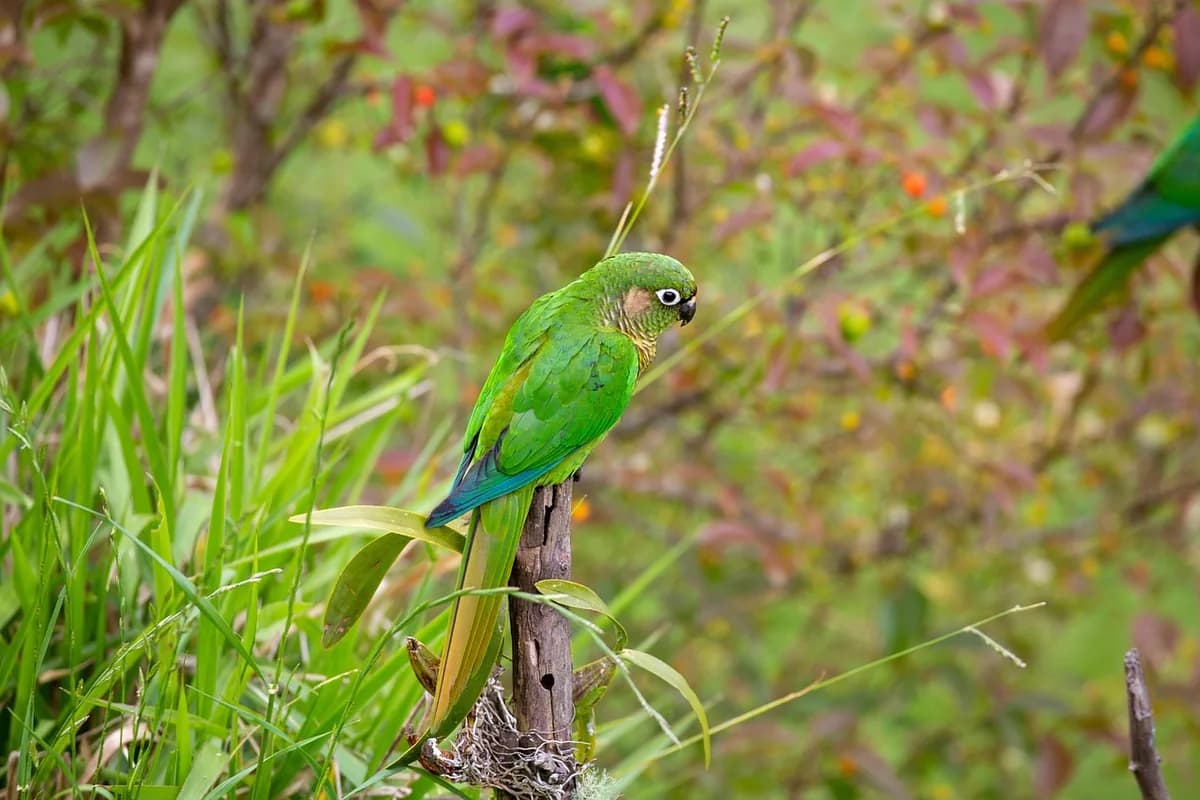
Pionus are gentle, sweet, easygoing birds — but "easygoing" doesn't mean unreadable. This is a sensitive species that communicates in quiet, subtle ways and can stress more easily than its calm surface suggests. Learning to read those signals is how you build trust, avoid the rare bite, and tell a normal quirk apart from a real problem. At Bird Sitting Toronto, where we look after hundreds of birds a year, the Pionus is one of the most consistently mellow species we host — and also one whose signals a new owner most often misreads.
The Pionus Temperament
Compared with the flashier parrots, Pionus are the introverts of the family: calm, affectionate, and loyal, but reserved with strangers and slow to warm up. Expect a bird that:
- Bonds deeply, often to one or two people, and shows love through quiet closeness rather than clownish antics.
- Is less nippy than most parrots — biting is usually a last resort after clearer signals were missed.
- Stresses easily. New people, new rooms, sudden changes, loud households, or too much handling can overwhelm a Pionus. They tolerate being watched but hate being overwhelmed.
- Is happiest with predictable routines and a quiet-to-moderate home. This is not a bird that thrives in constant chaos.
The Pionus Wheeze — Read This First
The single most important thing to know about Pionus behavior is their trademark wheeze or snuffle. When a Pionus is excited, nervous, startled, or meeting someone new, many individuals make a soft, raspy, wheezing or snorting sound — almost like a person with a cold. It is usually completely normal and harmless, part of how the species expresses arousal.
Warning: New owners frequently panic and rush a healthy Pionus to the vet over this sound, and — just as dangerously — some dismiss a genuine respiratory problem as "just the wheeze." Learn your bird's normal excitement-snuffle: it comes and goes with emotional state, resolves when the bird calms, and is not paired with other symptoms. A wheeze that is constant, worsening, or paired with tail-bobbing, fluffed feathers, discharge, appetite loss, or open-mouth breathing is NOT the normal quirk — call an avian vet. (Because Pionus are notably prone to the fungal disease aspergillosis, never wave off persistent respiratory signs.)
Reading Body Language
Pionus signals are quieter than a cockatoo's crest or a conure's scream, so watch closely.
Content and Relaxed
- Beak grinding — a soft, sleepy grinding sound at rest means a happy, secure bird settling in.
- One foot tucked up, feathers slightly puffed — the classic "I feel safe" resting pose.
- Gentle preening (its own feathers, or yours) — comfort and trust.
- Tail wag / body shake — a quick shake-off often signals contentment or "finished with that," a bird at ease.
- Soft chatter or quiet mumbling — low-key vocal contentment.
Excited or Overstimulated
- Pinning (flashing) eyes — pupils rapidly shrinking and dilating signals intensity. Read the context: it can mean excitement over a favorite food or rising overstimulation. When you see pinning, slow down.
- Head bobbing — wants attention, food, or is worked up.
- The wheeze ramping up — often a sign your Pionus is emotionally aroused; a cue to lower the energy.
- Wing or tail flaring — display or overstimulation; give the bird a beat to settle.
Fearful or "Back Off"
Because Pionus rarely bite without warning, catching these early prevents almost every nip:
- Slicked-down feathers, leaning or stepping away — fear or discomfort; you're too close or too fast.
- Freezing, wide-eyed stillness — a stressed bird trying to disappear. Stop and give space.
- Hissing, lunging, or an open beak with a tense body — the final warning. Back off; do not push.
- Rapid breathing / panting — stress or overheating; remove the trigger.
Vocalizations
Pionus are quiet by parrot standards — a noise level around 2 out of 5. They are not silent, but they won't rattle the windows the way an Amazon or macaw can. Their voice is soft and a little gravelly.
- Contact calls — a "where are you?" call when you leave the room; answering keeps a bonded bird reassured.
- Morning and evening chorus — a natural burst of vocalizing at dawn and dusk; normal flock behavior, not misbehavior.
- Alarm calls — sharper and louder when something startles them; check for a real trigger (a hawk shadow, a strange noise).
- Contentment mumbles — quiet babbling, whistles, or practiced words to themselves.
Talking ability is modest, around 2 out of 5. Some Pionus learn a few words and household sounds in that soft, husky voice, but many stay largely non-verbal — enjoy any talking as a bonus, not the point of the bird.
Hormonal Behavior and Seasonality
Even gentle Pionus can turn moody during breeding season, typically spring as daylight lengthens. Watch for temporary territoriality around the cage, increased nippiness, regurgitating to a favorite person or toy, and cavity-seeking (burrowing under fabric, into boxes or dark corners). To keep hormones in check:
- Ensure 10-12 hours of dark, uninterrupted sleep — long days are a major hormonal trigger.
- Avoid petting anywhere but the head and neck. Back and tail stroking is a sexual cue to a parrot.
- Remove nesty spots — no dark boxes, tents, or heaps of shreddable fabric during hormonal peaks.
- Redirect energy into foraging and gentle training rather than confrontation.
Common Behavior Challenges
- Skittishness / spooking: the flip side of their sensitivity. Move slowly, keep routines predictable, and introduce new things gradually.
- One-person bonding: guard against it early by having several household members offer treats and calm interaction.
- Sudden nippiness: almost always a missed body-language cue or hormones — respond by reading signals sooner and giving space, not by punishing (which only erodes trust).
- Stress from over-handling: respect that this bird often prefers to be near you over being constantly handled. Companionship on the bird's terms is what a Pionus offers best.
Read your Pionus honestly — the quiet cues, the wheeze, the slow warm-up — and you'll find one of the most peaceful, devoted companions in the parrot world.
Explore related topics
Related Articles
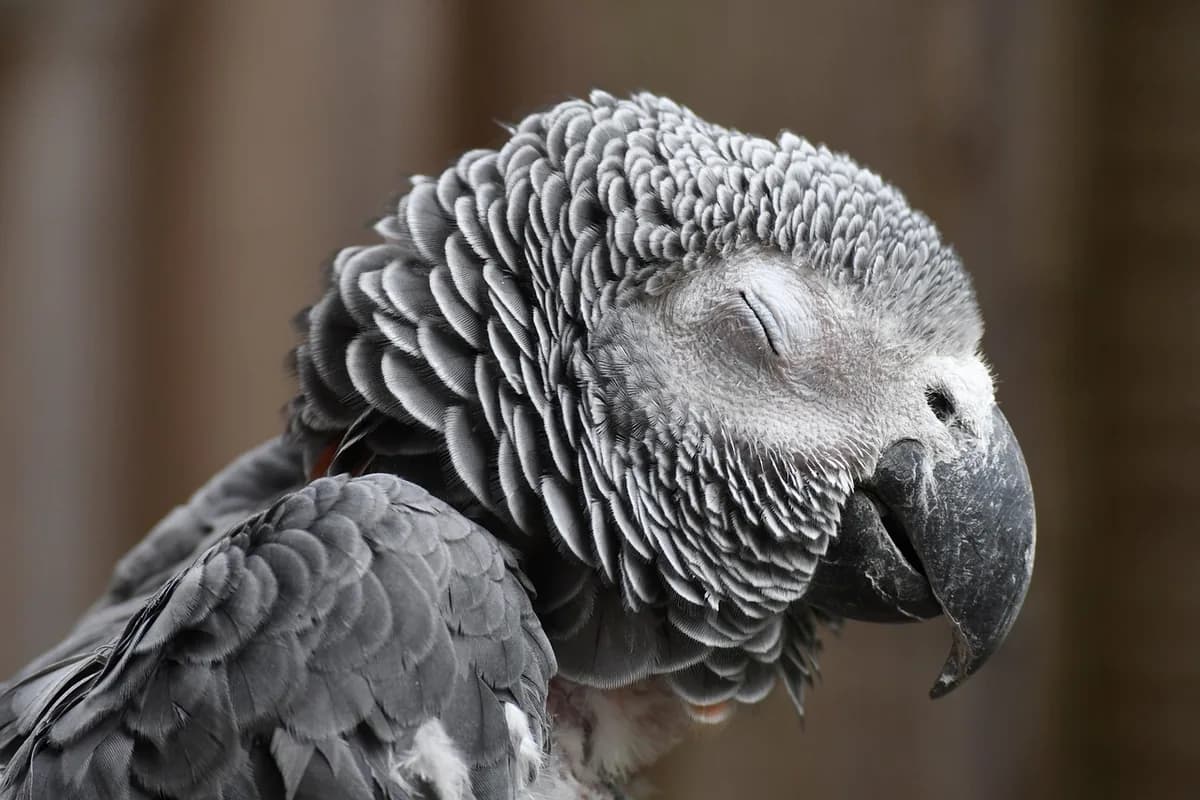
Understanding Congo African Grey Behavior and Body Language
Read your African Grey like an expert — the pinning eyes, subtle feather shifts, and cautious neophobic nature of this sensitive species, plus its famous contextual speech and the hormonal and phobic behaviours owners most often misread.
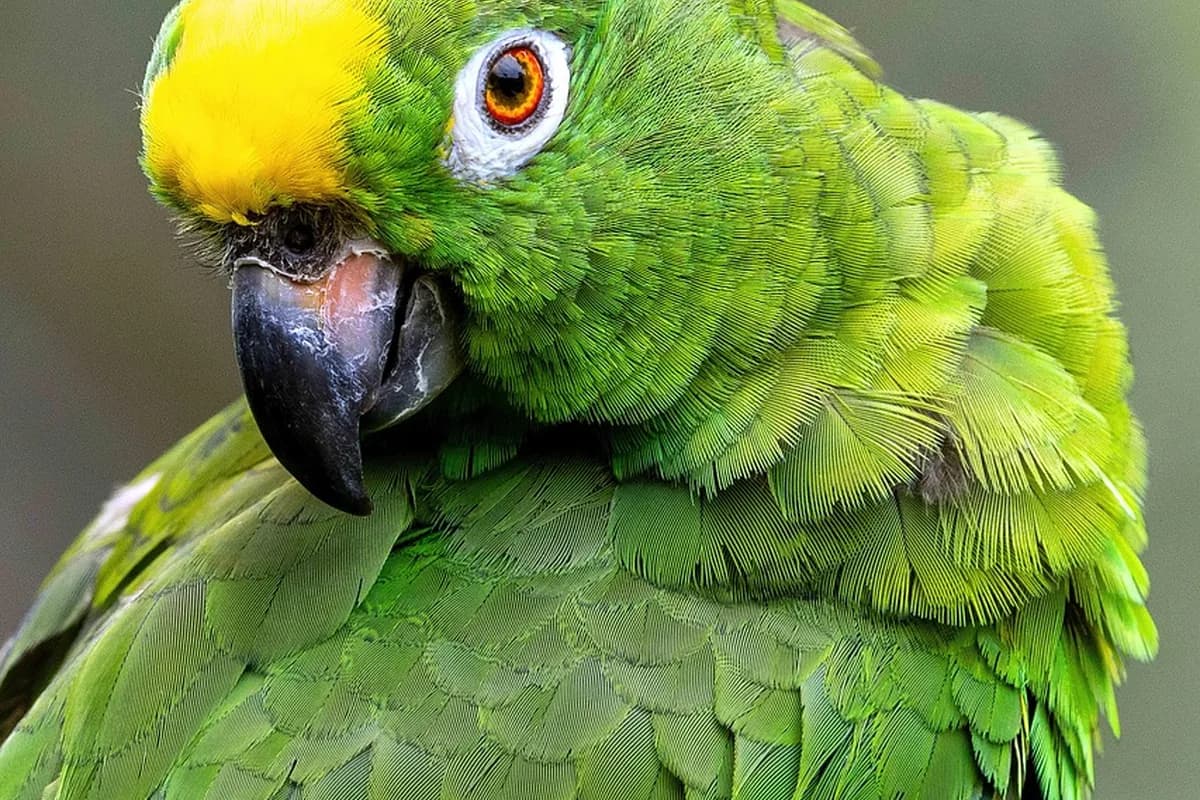
Reading Amazon Parrot Behavior & Body Language: The Overload Warning
Amazon parrots wear their emotions loudly. Learn to read pinned eyes, a fanned tail, and raised nape feathers — the classic 'Amazon overload' — plus their vocal moods and spring hormonal swings, so you can stop before a bite.
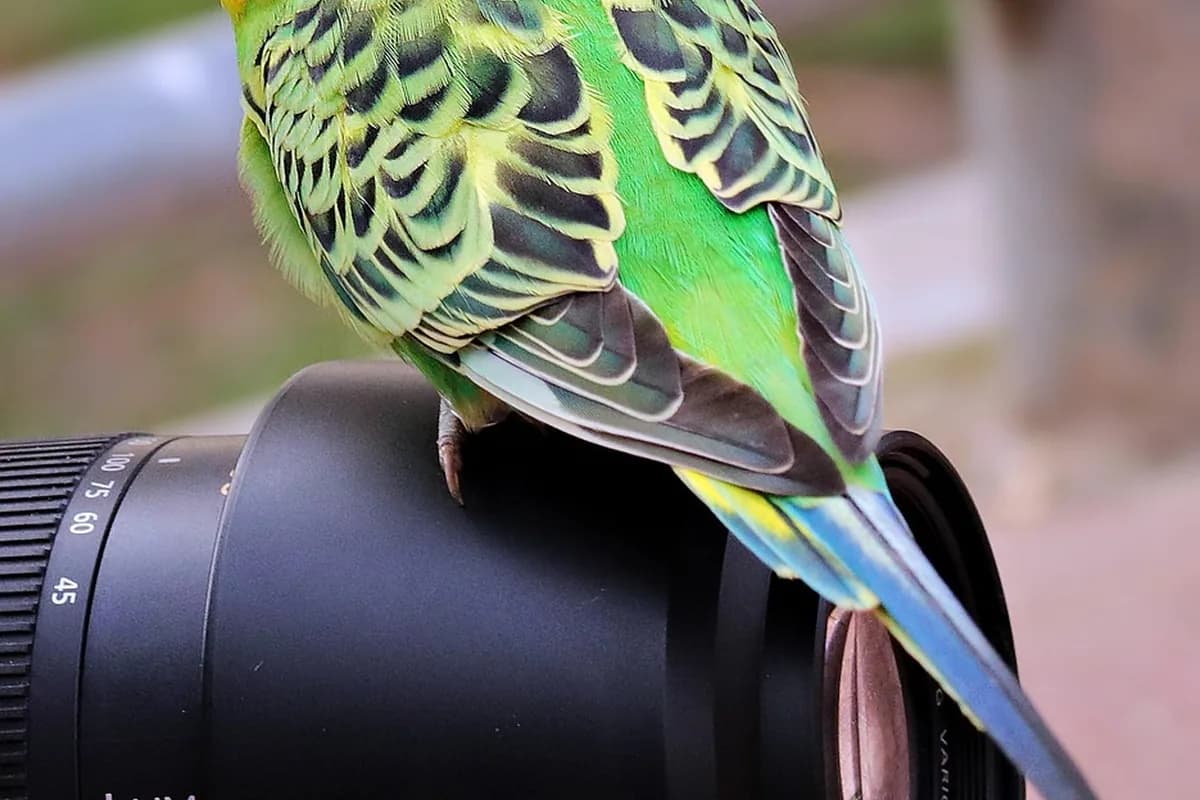
Understanding Budgie Behavior and Body Language
Learn to read a budgie: cere colour and what it says about sex and hormones, head-bobbing, contact calls, contented beak-grinding, and how to tell excited from overstimulated before a nip.