Understanding Lorikeet Behavior and Body Language
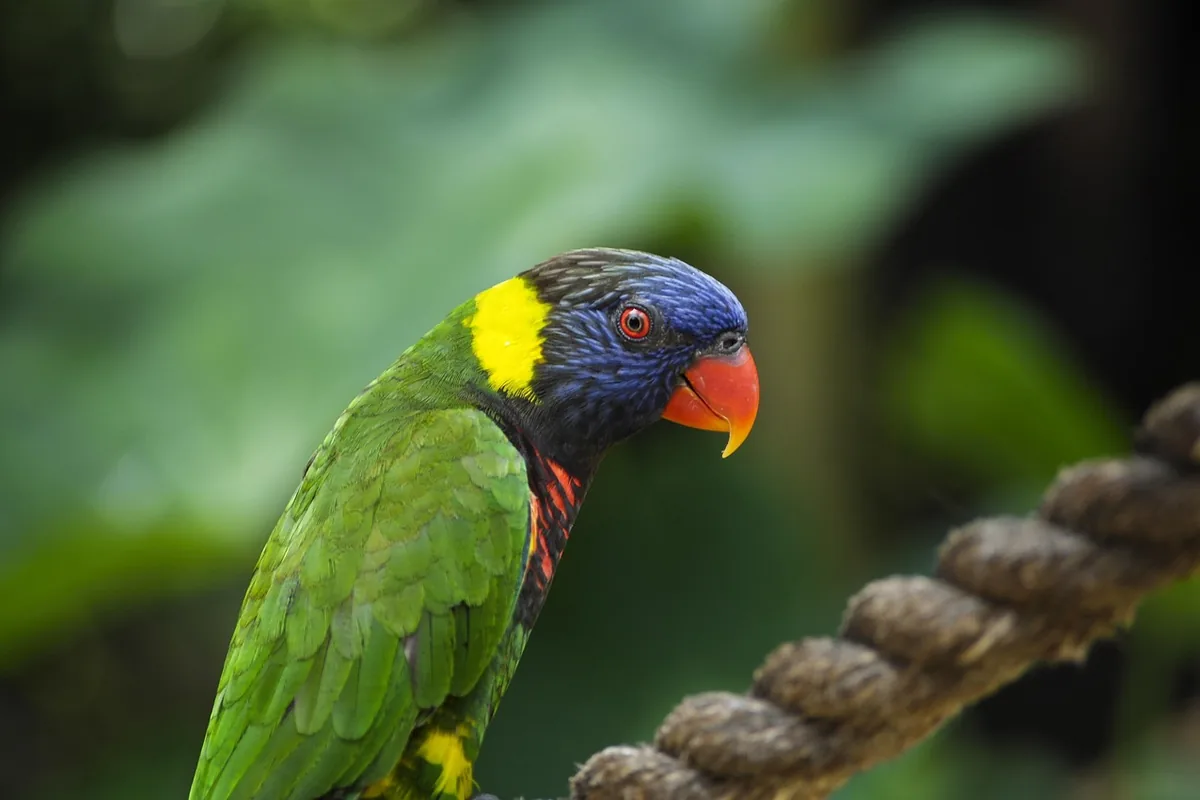
Lorikeets wear their feelings on their feathers. They are among the most expressive companion parrots — one moment plastered against your neck in pure affection, the next fizzing with excitement, and, if you miss the warning signs, delivering a surprisingly sharp bite. At Bird Sitting Toronto, the lorikeets are the boarders who greet us hanging upside down from the cage roof, then bathe with such gusto that the surrounding wall needs a towel. Learning to read them is the key to enjoying that exuberance and avoiding the beak.
Temperament: The Acrobat with a Big Heart
Lorikeets are hyperactive, playful, messy, and deeply affectionate. They are physical birds — they wrestle toys, hang from bars, somersault, and burrow into fabric. Their intelligence sits in the advanced tier, and their energy rarely lets up during daylight. That same intensity means their emotions swing fast: a lorikeet that is delighted and a lorikeet that is overstimulated can look similar for a split second, which is exactly why reading the body language matters.
Reading the Body
Signs your lorikeet is happy and relaxed
- Fluffed feathers with a loose, easy posture — contentment; a bird at ease.
- Beak grinding — that soft, gritty sound means a relaxed, sleepy, comfortable bird.
- One foot tucked up — feeling safe and secure.
- Preening, and preening you — normal grooming; allopreening your hair or fingers is a bond signal.
- Rolling, hanging, and play-wrestling toys — a happy, well-stimulated lorikeet at work.
- Diving into the bath — enthusiastic bathing is a hallmark of a comfortable, healthy lorikeet.
Signs of excitement or overstimulation
- Pinning (flashing) eyes — the pupils rapidly expand and contract. This signals high arousal: excitement, intense interest, or agitation. Context is everything — pinning eyes paired with a fanned tail and fluffed head feathers is a bird that has crossed from happy into over-the-top.
- Bouncing and head-bobbing — wants attention, food, or is simply thrilled. Charming, but a bird this wound up is more likely to nip.
- Fanned tail and raised body feathers — display and high energy; ease off the interaction.
- Wing-flapping in place — often just exercise, but combined with the above it says "I am maxed out."
Warning signs — give your bird space
- Feathers slicked tight, body leaning away — fear or discomfort.
- Lunging, hissing, or a sharp forward jab — back off; this is a bird telling you to stop.
- Beak open, body tense, eyes pinning — a bite is loading. Do not push.
- Rapid panting or open-beak breathing (when not hot) — stress or overheating; reduce the pressure and check the environment.
Tip: The bite you never see coming was usually announced a second earlier by pinning eyes and a raised tail. When a lorikeet's eyes start flashing during handling, pause and read the rest of the body before you go further.
Vocalizations
Lorikeets are loud (a solid 4 out of 5), and sound is a huge part of how they communicate.
- Contact calls — sharp, repeated calls that mean "where are you?" Your bird is checking in with its flock, which is you. Answering briefly often settles them.
- Chatter and babble — a running commentary of squeaks, whistles, and soft talk; a content, occupied bird.
- Alarm calls — sudden, piercing screams when something startles them. Investigate rather than scold.
- Escalating demand calls — repetitive calls that climb in volume. Rewarding these with attention teaches a louder bird, so respond during the quiet, not the peak.
- Talking (3 out of 5): some lorikeets pick up a few words and mimic whistles, but they are mimics of moderate ability — valued more for personality than for a large vocabulary.
Hormonal Behavior and Seasonality
This is where sweet lorikeets earn their bitey reputation. As they mature and during breeding-season surges, hormones can sharpen their behavior dramatically.
- Increased biting and territoriality, especially around the cage or a favorite person.
- Regurgitating food toward a person or toy — a bonding/courtship gesture, not illness.
- Burrowing into dark, enclosed spaces (sleeves, boxes, under fabric) — this can trigger nesting hormones, so limit access to tempting nest-like spots.
- Cavity-seeking and pair-bonding intensity, sometimes with mate-guarding aggression toward other household members.
To take the edge off hormonal behavior: keep a steady 10 to 12 hours of dark sleep, avoid petting anywhere but the head and neck, remove nesty hiding spots, and redirect that energy into foraging and flight rather than cuddling. If aggression is severe or persistent, an avian vet can help rule out other causes.
Warning: A hormonal lorikeet biting hard is not "being bad" — it is a bird flooded with breeding drive. Punishing it damages trust and makes biting worse. Manage the environment and give space instead.
Common Behavior Challenges
- Biting: almost always preceded by warning signals. Learn the tells above, and never turn a bite into a dramatic reaction that the bird finds rewarding.
- Screaming for attention: natural contact-calling tipped into a habit. Reward quiet, not volume, and make sure the bird's day is full of activity.
- Overbonding to one person: common in these intense little birds. Have everyone in the household share feeding and gentle interaction so the bird generalizes trust.
- Getting "wound up": because lorikeets escalate fast, end play before the crescendo. Watch for pinning eyes and a fanning tail as your cue to wind down.
Read these signals consistently and you will find the lorikeet is not unpredictable at all — it is one of the most honest communicators in the parrot world. Respond to what it tells you, and you build a bond with a genuinely joyful, affectionate bird. To turn that trust into cooperative behavior, continue to the training tips guide.
Explore related topics
Related Articles
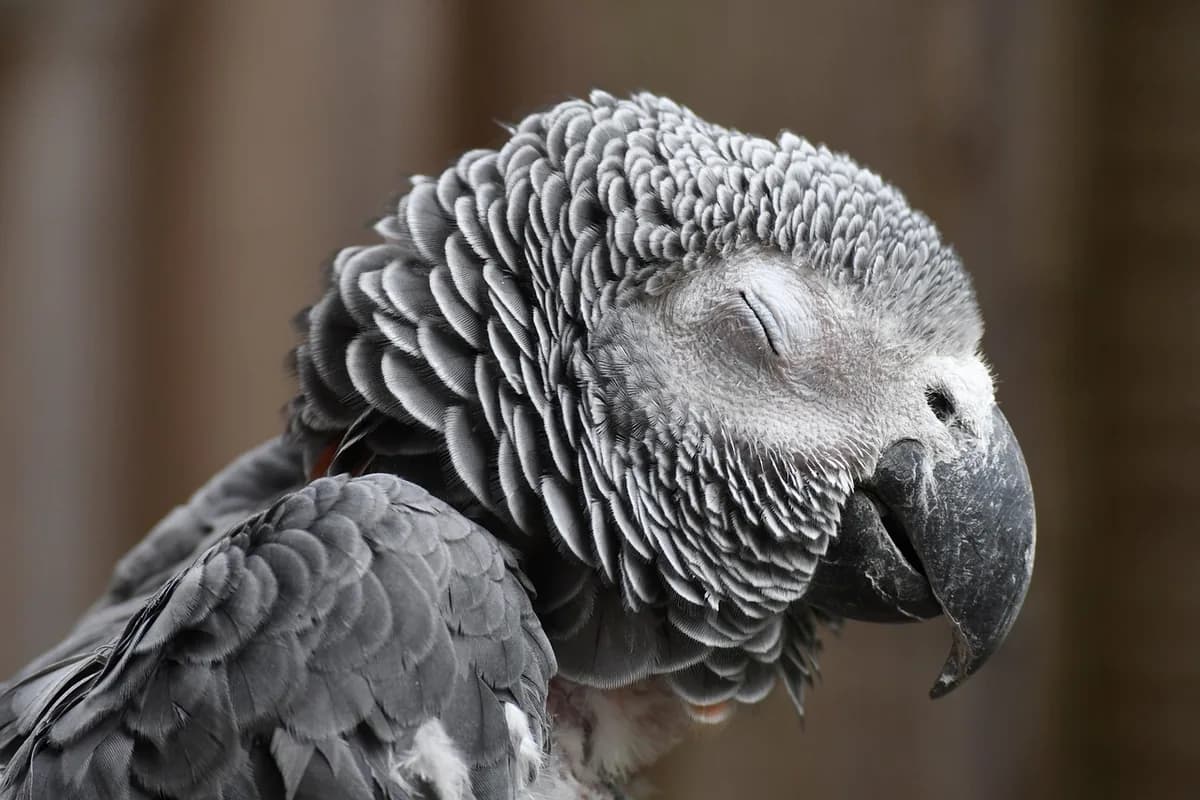
Understanding Congo African Grey Behavior and Body Language
Read your African Grey like an expert — the pinning eyes, subtle feather shifts, and cautious neophobic nature of this sensitive species, plus its famous contextual speech and the hormonal and phobic behaviours owners most often misread.
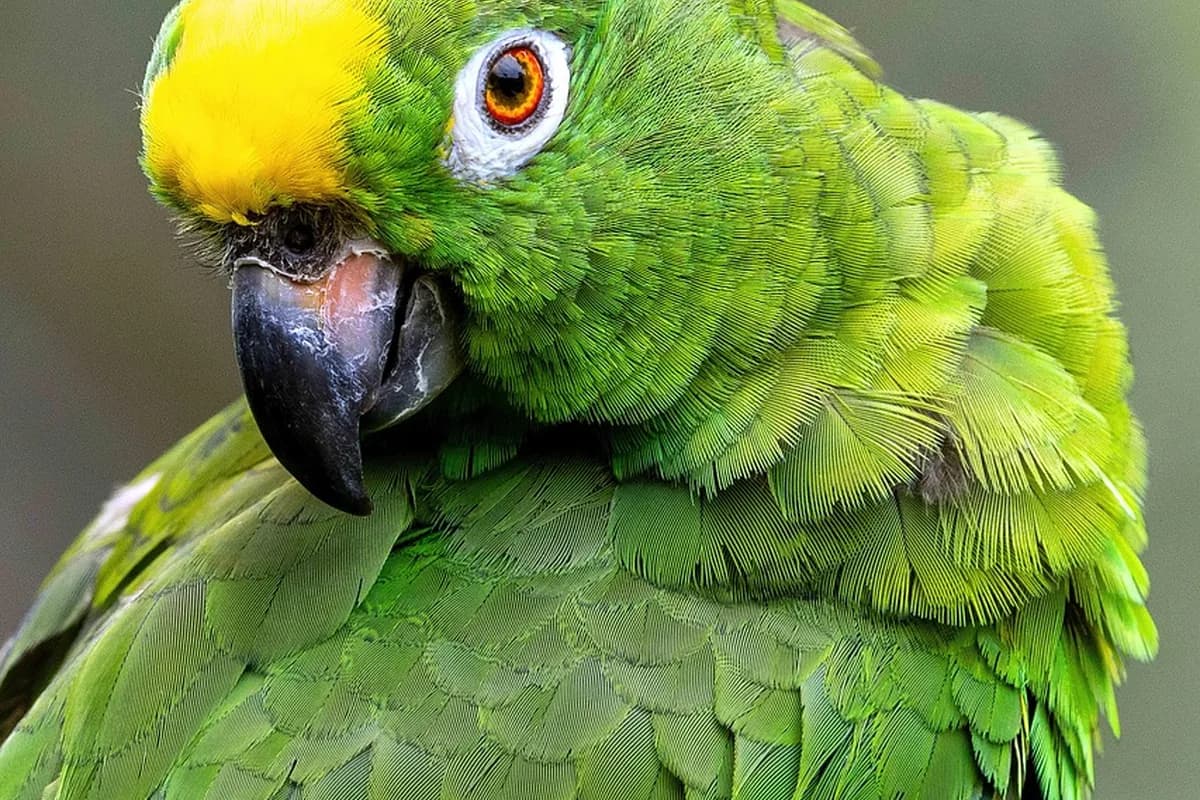
Reading Amazon Parrot Behavior & Body Language: The Overload Warning
Amazon parrots wear their emotions loudly. Learn to read pinned eyes, a fanned tail, and raised nape feathers — the classic 'Amazon overload' — plus their vocal moods and spring hormonal swings, so you can stop before a bite.
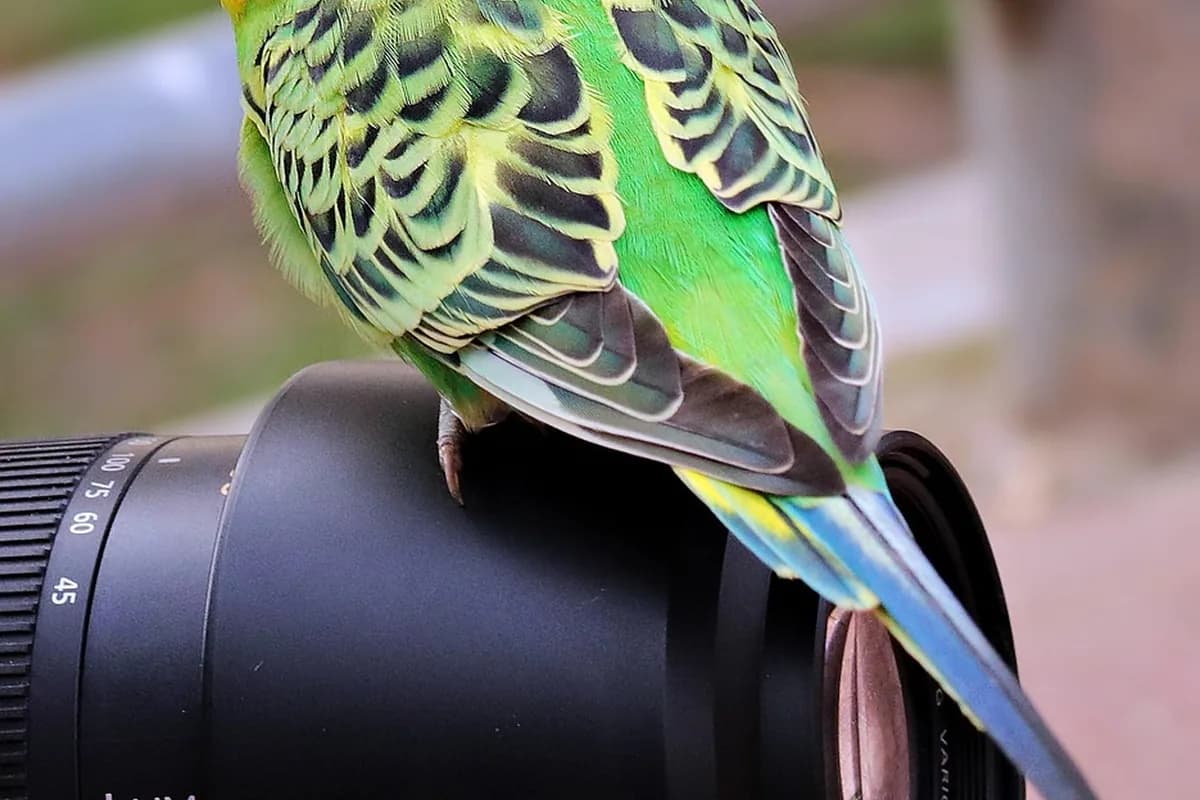
Understanding Budgie Behavior and Body Language
Learn to read a budgie: cere colour and what it says about sex and hormones, head-bobbing, contact calls, contented beak-grinding, and how to tell excited from overstimulated before a nip.