Lorikeet Training Tips: A Step-by-Step Guide
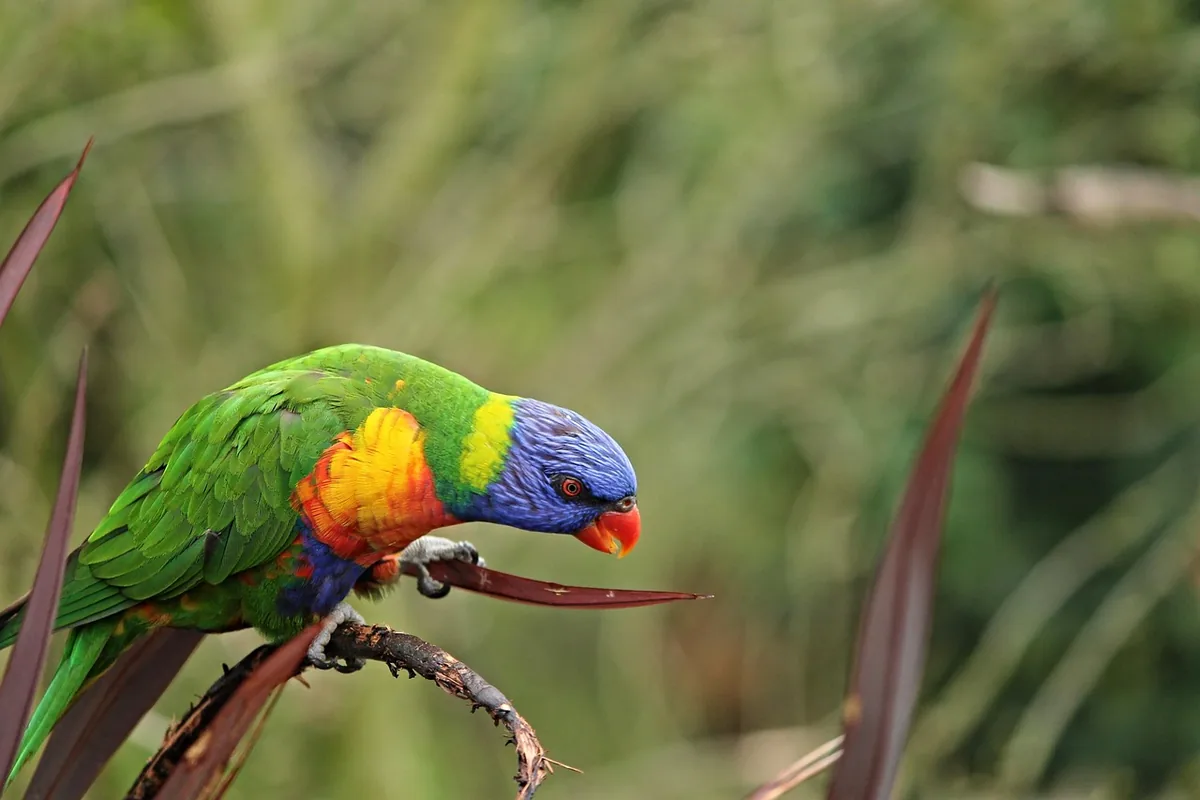
Lorikeets are a joy to train. They are advanced-tier intelligent, endlessly curious, and physically bold — a lorikeet will try almost anything if it thinks a favorite fruit is coming. The catch that trips up new owners is that the classic "hold a seed or nut sliver as a reward" playbook does not fit a nectar bird. Train a lorikeet and you train with small bites of fruit, a spoonful of nectar, and lavish praise. At Bird Sitting Toronto, the lorikeets are the boarders most likely to learn a new game in a single session — that energy is a training asset when you channel it well.
Finding the Right Reward
Positive reinforcement drives all good bird training: mark the behavior you want, then pay for it with something the bird values. For most parrots that currency is a seed or nut. For a lorikeet it is:
- A tiny piece of a favorite fruit (a single blueberry, a sliver of mango or apple)
- A small taste of nectar offered on a spoon
- An edible flower petal or a few grains of bee pollen
- Warm, animated verbal praise — lorikeets are social and genuinely respond to your enthusiasm
Tip: Because the reward is often wet and messy, train over an easy-clean surface and keep portions tiny. You want the bird to work for a taste, not fill up after two repetitions. Do sessions when your bird is keen but not ravenous — mid-morning after a light nectar serving works well.
Building Trust First
Before any formal training, a new or nervous lorikeet needs to feel safe.
- Let it settle into your home for a couple of weeks before pushing interaction.
- Sit near the cage and talk softly so your presence predicts good things.
- Offer a favorite fruit through or near the bars until the bird takes it readily from your fingers.
- Watch the body language — a relaxed, curious bird that approaches the bars is ready; a slicked-down, leaning-away bird needs more time. (See the behavior and body language guide.)
Step-Up Training
Step-up is the foundation skill every other behavior builds on.
- Present your hand or a perch just above the bird's feet, gently touching the lower belly so it is slightly off balance toward you.
- Say "Step up" in a clear, upbeat tone.
- Reward the instant the bird steps on — mark it with a consistent word like "good" and deliver a small fruit reward immediately.
- Keep it short: three to five reps, then stop while the bird is still enjoying it.
If your lorikeet is hand-shy, start with a hand-held perch instead of your hand and transition to your hand once it is confident.
Target Training
Target training is where lorikeets shine, and it is the best tool for a high-energy bird because it gives that busy brain a clear job.
- Present a target stick (a chopstick or dowel works). The moment the bird touches it with its beak, mark and reward.
- Move the target a little so the bird follows it to touch again.
- Use the target to guide the bird onto scales, into a carrier, or through a station — no forcing required.
Target training also redirects a wound-up or nippy lorikeet into a calm, focused activity, which makes it doubly valuable for this species.
Recall Training
Because lorikeets fly with such agility, recall is both practical and fun. In a safe, enclosed room, have the bird step onto a perch a short distance away, cue "come" with an outstretched hand, and reward a flighted or stepped return generously. Build distance gradually. Always train recall where the bird cannot escape or hurt itself.
Talking, Whistling, and Tricks
Lorikeets sit around 3 out of 5 for talking ability — some learn a handful of words and readily pick up whistles and sound effects. Repeat a short word or whistle in an excited tone during interaction, and reward any attempt at mimicry. Do not expect African-grey vocabularies; value the effort and the personality.
For tricks, once step-up and targeting are solid, lorikeets take quickly to:
- Wave, turn around (spin), and shake
- Retrieve and "basketball" (dropping a ball in a hoop)
- Ladder-climbing and simple foraging puzzles
Their acrobatic nature makes movement-based tricks especially natural.
Session Structure
| Element | Recommendation |
|---|---|
| Session length | 5 to 10 minutes — short, to match a fast-firing attention span |
| Frequency | 2 to 3 sessions per day |
| Best time | When alert and food-motivated, not stuffed and not starving |
| Ending | Always finish on a behavior the bird nails, then celebrate |
Solving Typical Problem Behaviors
- Biting: almost always preceded by warning signals (pinning eyes, raised tail, tense posture). Learn to read and pause before the bite rather than reacting after. Never punish — with a lorikeet, punishment erodes trust and worsens biting.
- Getting overstimulated: lorikeets escalate fast, so end a session before the crescendo. If the eyes start flashing and the tail fans, wind down.
- Screaming for attention: reward quiet, not volume, and make sure the bird has enough flight, foraging, and enrichment to burn off energy. A bored lorikeet is a loud lorikeet.
- Hormonal nippiness: during hormonal surges, keep sessions low-key, stick to head-only contact, and lean on target training to keep interactions positive and hands-off.
Warning: Never train through fear or force. A lorikeet coerced into "obeying" learns to distrust hands and bites harder. Every repetition should end with the bird choosing to participate for a reward it wants.
Train in short, upbeat, fruit-rewarded sessions and you will find the lorikeet is one of the most willing students in aviculture — a bird that turns its boundless energy into games, tricks, and a genuinely cooperative partnership. Pair this with the complete care guide to keep the rest of its routine dialed in.
Explore related topics
Related Articles

Clicker Training for Parrots: The Complete Beginner's Guide
Clicker training is the most effective way to communicate with your parrot. Here's how to start from zero.

Crate Training Your Parrot: Stress-Free Vet Visits and Travel
The travel carrier doesn't have to be terrifying. Crate training makes vet visits and travel manageable.

Desensitization Training: Helping Fearful Parrots Overcome Their Fears
New toys, strangers, vet visits — many parrots are terrified. Systematic desensitization changes that safely.