Maintaining Proper Humidity for Your Parrot's Health
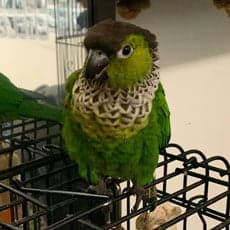
In their natural habitats, most companion parrots live in tropical and subtropical regions where humid air is simply part of daily life. That moisture does real work: it keeps skin supple, feathers pliable, and the delicate membranes of the respiratory tract functioning the way they should. When we bring these birds into our homes — and especially into a Canadian home in January — we take that humidity away without meaning to.
A Toronto winter is the classic culprit. Forced-air furnaces, baseboard heaters, and woodstoves all pull moisture out of the air, and indoor relative humidity can quietly fall to 20% or lower during a cold snap. That is drier than many desert regions, and it is a long way from the rainforest your African grey or Amazon is built for. At Bird Sitting Toronto, where we care for hundreds of birds every year, dry-air complaints reliably climb as the heating season sets in.
Why Humidity Matters to a Parrot's Body
Humidity is not a comfort luxury for a parrot — it affects three body systems directly.
- Skin and feathers. Dry air draws moisture out of the skin, leaving it flaky and itchy. An itchy, uncomfortable bird chews and over-preens, and chronic irritation is one of the environmental triggers that can tip a bird toward feather plucking. Feathers themselves stay flexible and well-groomed more easily in appropriately humid air.
- The respiratory tract. A bird's airway relies on moist mucous membranes to trap dust and debris; the Merck Veterinary Manual notes how central the respiratory system's mucosal defenses are in birds. Persistently dry air dries out the sinuses and nasal passages, which can leave your bird more prone to irritation and respiratory issues.
- Molt. New feathers push through in a keratin sheath that the bird preens away as the feather matures. Adequate humidity — and regular bathing — helps that process go smoothly and comfortably, which is why so many parrots become enthusiastic bathers during a heavy molt.
What the Numbers Should Be
Avian veterinary consensus, echoed by resources such as Lafeber and VCA Animal Hospitals, is to keep the air in your bird's room in a moderate, rainforest-adjacent band rather than chasing extremes. A simple hygrometer (the same inexpensive digital gauge sold for cigar humidors and reptile tanks) placed near the cage tells you exactly where you stand.
| Relative humidity | What it means for your parrot |
|---|---|
| Below 30% | Too dry. Expect flaky skin, itching, sneezing, and a bird that bathes obsessively. Common in Toronto homes mid-winter. |
| 30 to 40% | Marginal. Tolerable short-term, but arid-climate species do better here than rainforest species. |
| 40 to 60% | The target range. Comfortable for the vast majority of parrots without encouraging mould in your home. |
| 60 to 70% | Acceptable upper limit for rainforest species, provided the room is well ventilated. |
| Above 70% | Too humid. Encourages mould, mildew, and bacterial growth in the cage and the home. |
Tip: Aim for 40 to 60% as your everyday target. You do not need to hit a precise number — you need to stay out of the danger zones at either end. Buy a hygrometer before you buy a humidifier; you cannot manage what you cannot measure.
Does Your Bird's Species Change the Target?
It nudges it. Parrots from humid rainforests — African greys, eclectus, Amazons, macaws, and most cockatoos — appreciate the upper half of the target range and tend to show dry-air discomfort first. Species that evolved in Australia's dry interior — budgerigars and cockatiels — tolerate the lower half comfortably and rarely need help staying humid, though they still suffer if the air turns truly parched. When in doubt, 40 to 60% keeps every hookbill in your home comfortable.
Signs Your Air Is Too Dry
Watch for these, and cross-check them against your hygrometer before assuming illness:
- Frequent sneezing
- Scratching or rubbing around the nostrils (nares)
- Frequent head-shaking
- Flaky skin or an increase in the fine white feather "dust"
- Dry, ragged-looking feathers or restless, excessive preening
Warning: Sneezing and nasal discharge are not always about humidity. Clear, occasional sneezes during dry weather often resolve once you raise the humidity, but discharge that is thick, coloured, or crusty, along with tail-bobbing, wheezing, or a fluffed, lethargic bird, warrants a same-week visit to an avian veterinarian. Birds hide illness until they are genuinely unwell.
How to Raise Humidity Safely
You have several tools, and they stack well together:
- Run a cool-mist humidifier in your bird's room, sized to the space and kept scrupulously clean (more on that below).
- Offer regular bathing. Mist your parrot with a clean spray bottle of lukewarm water, or set out a shallow bath dish. Most parrots take to a light "rain" quickly; let the bird choose how wet it gets.
- Use the bathroom-steam trick. Set the cage or a stable perch in the bathroom while a hot shower runs. The bird enjoys the humid air — never place a bird in the shower stream itself or leave it unattended on a slick surface.
- Add a water source to dry heat. If you heat with a woodstove or fireplace, a pan of water on top replenishes some of the moisture the fire pulls out of the air.
Humidifier Hygiene: The Hidden Risk
A humidifier is the single most effective tool here, and also the one most likely to backfire. A tank left with standing water becomes a breeding ground for bacteria and mould — including Aspergillus, the fungus behind aspergillosis, a serious and hard-to-treat respiratory infection in birds. A dirty humidifier does not just fail to help; it aerosolizes spores straight into the air your bird breathes.
- Empty and refresh the water daily.
- Scrub and disinfect the tank at least weekly, and let it dry fully between uses.
- Prefer distilled or filtered water to cut mineral scale, which harbours grime.
Warning: Never add essential oils, "vapour" additives, or scented products to a humidifier — or run oil diffusers, scented candles, or aerosol sprays — anywhere near your bird. A parrot's respiratory system is extraordinarily sensitive to airborne compounds, and inhaled oils and fumes can cause serious, sometimes fatal, respiratory distress. Plain water only.
When There Is Too Much of a Good Thing
More is not better. Push a room past roughly 70% and you invite mould and mildew on walls and in cage corners, and you create conditions for bacterial and fungal growth in food dishes and bedding. If your windows fog up, your hygrometer sits high, or you smell mustiness, ease off the humidifier and improve ventilation. Balance — not maximum moisture — is the goal.
The Bottom Line
Getting humidity right is one of the quiet, high-impact things you can do for a parrot living through a Canadian winter. Hang a hygrometer, aim for 40 to 60%, run a clean cool-mist humidifier, offer regular baths, and keep scented products far away. A few small adjustments recreate the moisture-rich air your bird was built for and support the healthy indoor environment that keeps skin, feathers, and airways in good shape all year long.
Explore related topics
Related Articles
Aspergillosis in Birds: The Invisible Fungal Killer
Aspergillosis is one of the most common and deadly avian diseases. It's caused by a fungus that's everywhere in our environment.
The Avian First Aid Kit: 25 Essential Supplies Every Bird Owner Needs
When an emergency happens, you need supplies ready NOW. Here's what every bird owner should have on hand.
Bird Insurance: Is It Worth It? A Complete Guide to Avian Pet Insurance
A single emergency vet visit can cost $2000+. Pet insurance for birds exists — here's whether it's worth the premium.