How to Choose the Perfect Cage for Your Parrot
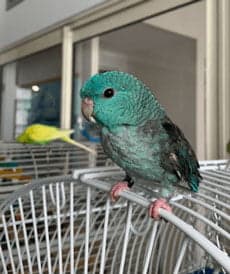
The cage you choose is one of the most consequential decisions you will make as a parrot owner. It is not just a place your bird sleeps. It is their main living space, their gym, their dining room, and the foundation of their daily wellbeing. A well-chosen cage quietly promotes physical activity, mental stimulation, and safety. A poor one just as quietly undermines all three.
At Bird Sitting Toronto, where we board hundreds of birds every year, we see the difference a good cage makes. Birds who arrive from thoughtfully set-up homes tend to be calmer, more confident, and easier to settle. This guide walks you through everything worth weighing before you buy, so you can get it right the first time.
What to Weigh Before You Buy
A sound cage decision comes down to a handful of factors, and each one earns its place on the list:
- Size (the single biggest one)
- Shape and style
- Bar spacing and bar orientation
- Construction material
- Ease of cleaning and maintenance
- Placement in your home
Get these right and you will rarely need to shop again.
Cage Size: Bigger Is Almost Always Better
Parrots are naturally active, intelligent animals. In the wild they fly for kilometres each day, forage constantly, and are rarely still. In captivity the cage becomes their entire world, so the guiding rule is simple: buy the largest cage your space and budget allow.
Your parrot should be able to fully spread and flap both wings without touching the bars, climb freely, forage, and perch at several different heights. A cramped cage takes a real toll on a bird's mental and physical health and is a common trigger for behavioural problems such as feather plucking, screaming, and aggression. The Association of Avian Veterinarians and the Merck Veterinary Manual both treat inadequate housing and under-enrichment as leading contributors to these issues.
Tip: Measure your bird's full wingspan, then look for a cage whose shortest interior dimension comfortably exceeds it, with room to spare for perches and toys. If you are torn between two cages, the larger one is almost always the right call.
Choosing the Right Shape and Style
Shape
Skip round cages. They waste usable floor space, offer no corner where a bird can feel secure, and do not support natural side-to-side movement. Rectangular cages are the standard for good reason: they give your bird the most usable room both horizontally and vertically.
Match the shape to how your bird moves. Small flighted birds such as finches and budgies do best in wide, horizontal cages that give them room to fly across. Larger parrots such as cockatoos and macaws need tall, roomy cages for climbing and wing-flapping.
Dome Top vs Play Top
| Style | Best for | Trade-off |
|---|---|---|
| Dome top | Extra interior height for climbing, perching, and hanging toys | No dedicated outside play area |
| Play top | A built-in perch and play stand for supervised time outside the cage | Slightly less enclosed height inside |
For the best of both, many owners pair a dome-top cage with a separate, movable play gym so their bird can be part of family life around the home.
Doors
Check that the door opens easily, is large enough to lift your bird in and out comfortably, and latches securely. Parrots are famous escape artists, and a simple slide latch is often no match for a clever bird. It also helps if food bowls can be refilled from outside the cage, which makes daily care far easier.
Bar Spacing and Orientation
Bar spacing is a genuine safety issue, not a detail. Bars set too wide let a small bird push its head through and get stuck or escape; bars set too narrow can trap the toes of a larger bird. The bars themselves should also be thick enough to resist bending or chewing, which matters most for the big hookbills.
The figures below reflect avian veterinary consensus and typical manufacturer guidance. When in doubt, size down on the gap.
| Bird | Typical bar spacing |
|---|---|
| Finches, canaries, budgies | 1.0–1.3 cm (3/8–1/2 in) |
| Cockatiels, lovebirds, conures | 1.3–1.9 cm (1/2–3/4 in) |
| Amazons, African greys, small cockatoos | 1.9–2.5 cm (3/4–1 in) |
| Large cockatoos and macaws | 2.5–3.8 cm (1–1.5 in) |
A mix of horizontal and vertical bars is ideal. Horizontal runs give your bird something to grip and climb, while vertical sections make it easy to position toys and perches.
Warning: Never assume a cage sold "for parrots" has safe spacing for your specific bird. Measure the gap yourself before you buy. A macaw cage with 2.5 cm bars is a hazard for a cockatiel.
Construction and Materials
The frame material determines how long a cage lasts, how easily it cleans, and whether it is safe for a beak that treats metal as a chew toy.
- Stainless steel: The best choice. Non-toxic, rust-resistant, long-lasting, and easy to clean, though it costs more up front. For a destructive large parrot it often pays for itself.
- Powder-coated metal: Affordable and widely available in different colours. Choose a quality coating and inspect it often; flaking or chipped coating can be swallowed and should be repaired or retired.
- Acrylic: Attractive and gives a clear view, but less durable and offers few surfaces to climb.
- Wood: Fine for small, non-destructive species only. It is no match for any parrot with a strong beak.
One critical safety note: avoid galvanised, zinc-coated, or unknown-metal hardware. Zinc and lead are toxic to birds, and heavy-metal poisoning from cheap cage components is a well-documented cause of illness in companion parrots (Merck Veterinary Manual; VCA Animal Hospitals). Stainless steel or verified powder-coated metal is the safe route.
Quick Safety Checklist
- Inspect for loose parts, sharp edges, and weak welds
- Confirm the door latches securely and the tray cannot be popped out by the bird
- Make sure perches fit snugly and do not spin
- Choose non-toxic finishes and rust-free welds
Maintenance and Practical Features
A cage you can clean easily is a cage you will actually keep clean, and hygiene is a real part of avian health.
- Stainless steel wipes down fastest and lasts longest.
- A deep, removable bottom tray set well below the grate keeps droppings and old food away from your bird.
- A seed guard cuts down on the mess around the cage.
- Grates should lock in place but lift out easily for weekly cleaning.
- Ceramic or stainless steel bowls are more hygienic and durable than plastic, which scratches and harbours bacteria.
- Casters make it simple to roll the cage for cleaning, and a built-in shelf or cabinet gives you a spot for food, toys, and supplies.
Placement in Your Home
Where you put the cage shapes your bird's day as much as the cage itself. Position it against a wall rather than in the middle of a room so your bird has a secure side to retreat to. Keep it in a sociable, well-used space such as a living or family room so your bird feels part of the flock, but out of direct draughts, away from the kitchen and its cookware fumes, and out of harsh direct sun. Chest height tends to work well: high enough that your bird feels safe, low enough that you are not always looking up at it.
Choose thoughtfully across all of these dimensions and you will give your parrot a home that supports its health, safety, and happiness for many years to come.
Explore related topics
Related Articles
Best Cage Liners and Substrates: What to Put on the Bottom of Your Bird's Cage
The cage floor matters more than you think. The right liner makes cleaning easy and health monitoring possible.

Setting Up the Perfect Bird Cage: Size, Placement, and Accessories
The cage is your bird's home base. Getting it right affects their health, happiness, and behavior.

Best Practices for Parrot Cage Placement at Home
Where you put the cage matters as much as the cage itself. A room-by-room guide to placing your parrot for safety and social connection: the safe-back corner rule, perch height, windows and overheating, Canadian-winter temperatures and drafts, escape risks, and a dark sleep zone — plus a quick-reference checklist.