Healthy Snack Ideas for Happy and Active Birds
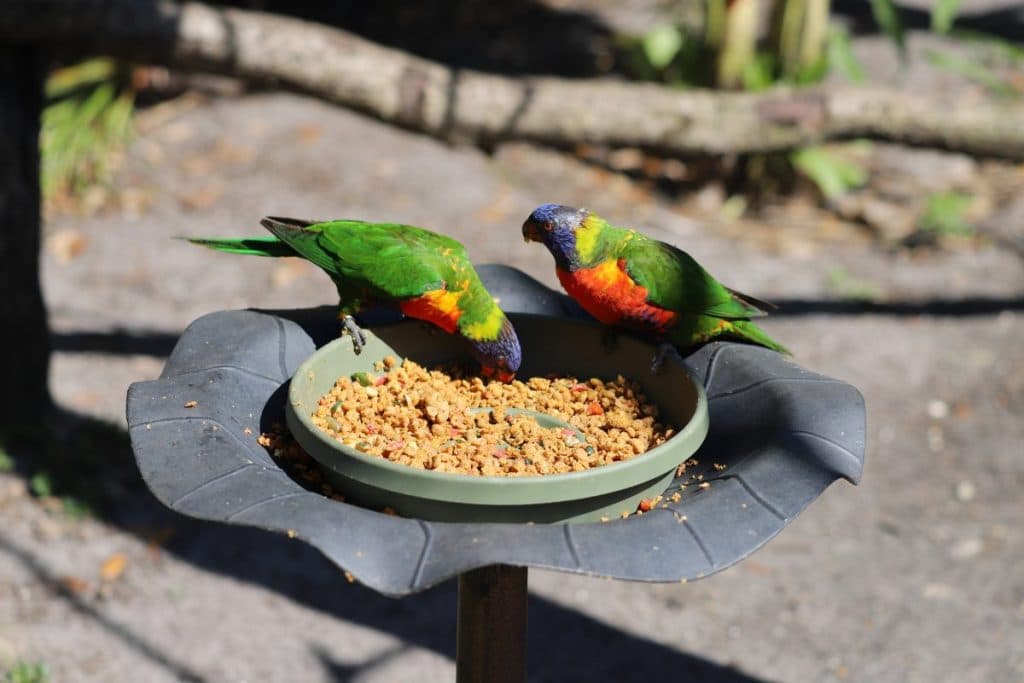
Sharing a snack with your bird is one of the simplest ways to build trust. A treat handed over calmly, or better yet worked out of a foraging toy, tells your parrot that good things come from you. At Bird Sitting Toronto, where we board hundreds of birds every year, the ones who take a favourite treat from a caregiver's hand are almost always the ones who settle in fastest.
The catch is that treats are exactly that — extras. They ride on top of a complete diet, they don't replace it, and a few of the foods birds beg for hardest are the ones that can hurt them. This guide walks through the snacks worth offering, the ones to skip, and how to make every treat do double duty as enrichment.
How Snacks Fit Into the Diet
For most parrots, the foundation of the diet should be a quality formulated pellet at roughly 75-80%, with fresh vegetable-forward foods making up 20-25%, and seeds and nuts held back to about 5% as treats. Snacks live inside that treat slice.
The working rule from both VCA Animal Hospitals and the Merck Veterinary Manual is that treats should stay under about 10% of daily calories. That sounds generous until you remember how calorie-dense a single walnut or a sliver of birdie bread is. Keep portions bird-sized — a piece the size of your smallest fingernail is plenty for a budgie or cockatiel.
Tip: A good snack is a healthy snack you'd eat yourself, minus the salt, sugar, oil, and additives. If you wouldn't feed it to a toddler, don't feed it to your bird.
Kitchen Snacks You Can Share
Plenty of everyday foods double as safe, welcome treats. Offer them plain — no butter, salt, oil, or seasoning — and in small pieces.
- Cooked whole-grain pasta or brown rice — plain, a warm favourite for many parrots
- Cooked, cooled potato or sweet potato — cooked only, never raw or green-skinned (raw potato contains solanine)
- Whole-wheat toast with a thin smear of unsweetened fruit jam
- Unsweetened applesauce — cooling and hydrating in a Toronto summer
- Plain, no-salt rice cakes or air-popped popcorn — light, crunchy enrichment
- Vegetable or fruit baby food, warmed slightly, offered on a spoon
- A few unsalted nuts — almond, walnut, or pistachio pieces, offered sparingly for their healthy fats
- A little cooked, unseasoned lean poultry or a well-cooked bone to gnaw — birds are not vegetarians, and a small protein treat is fine; supervise it and remove leftovers promptly so nothing spoils
Warning: "Unsweetened" and "plain" matter more than they look. Skip any granola bar, cereal, or spread that hides chocolate, honey, salt, or the sweetener xylitol, which is dangerous to animals. Read the label before it reaches the cage.
Store-Bought Treats Worth Trying
Commercial bird treats can add variety and, in some cases, extra nutrition. Use them the same way — as toppers on a complete diet, not the meal itself.
| Treat | What it is | How to use it |
|---|---|---|
| Nutri-Berries | Balanced pellet-and-seed clusters from Lafeber | A tidy, hand-feedable reward or foraging piece |
| Birdie bread | Baked mix of grains, veg, and egg | A few crumbs as a moist, shareable treat |
| Unsulphured dried fruit | Fruit with no added sugar or sulphites | Dice small; rich in natural sugar, so ration it |
| Dried vegetables | Crunchy dehydrated veg | Great texture for shredding and foraging |
| Nuts in the shell | Whole almonds, walnuts, pistachios | Foraging challenge plus a fatty treat — sparingly |
| Treat sticks / millet spray | Seed-and-honey bars, or millet for small birds | Clip to the cage; remove after a short session |
Foods to Keep Off the Menu
Some foods are outright toxic to birds, and a bird's small body means even a taste can matter. Commit this short list to memory before you share anything from your plate.
| Avoid | Why |
|---|---|
| Avocado | Persin damages the heart and can be fatal |
| Chocolate, coffee, tea, cola | Theobromine and caffeine affect the heart and nervous system |
| Alcohol | Toxic in any amount |
| Onion and garlic | Damage red blood cells |
| Fruit pits and apple seeds | Contain cyanogenic compounds — core and pit fruit first |
| Excess salt | Dehydration and electrolyte imbalance |
| Xylitol (sugar-free sweetener) | Dangerous to animals; hidden in "diet" foods |
| Dried or undercooked beans | Contain toxins unless fully cooked |
| Mushrooms | Can cause digestive upset and toxicity |
Warning: You may see grit sold beside bird treats. Hookbill parrots do not need grit — they hull their food with their beaks, and swallowed grit can cause crop impaction. Leave it on the shelf. If you suspect your bird ate something toxic, call your avian veterinarian or an emergency clinic immediately.
Make Snacks Work: Foraging
Don't just hand the treat over — make your bird earn it. Hiding a snack inside a foraging toy or puzzle feeder taps the searching, chewing, and problem-solving instincts a wild parrot uses to find food. Avian veterinary consensus is that this kind of daily mental work helps head off boredom-driven habits like screaming and feather plucking.
Wrap a piece of dried fruit in a twist of plain paper, tuck a nut into a shreddable toy, or thread veg pieces onto a skewer. These small setups turn a two-second treat into twenty minutes of engaged, contented activity.
Snack Smart, Snack Safe
Treats are one of the easiest ways to bond with a companion bird — as long as they stay in their lane. Keep them under about 10% of the daily diet, let a complete formulated diet plus fresh vegetables carry the nutrition, and make every snack count:
- Check the label for hidden sugar, salt, or toxic additives
- Offer bird-sized portions, not people-sized ones
- Watch for any change in droppings or appetite after a new food, and back off if you see one
Do that, and snack time becomes exactly what it should be: a small, safe ritual that keeps your bird happy, curious, and bonded to you.
Explore related topics
Related Articles
Can Parrots Eat Human Food? A Complete Guide to Sharing Meals
Your parrot wants to eat off your plate. Which human foods are safe to share and which are dangerous?
The Complete Guide to Parrot Pellets: Brands, Conversion, and Myths
Pellets should be 50-70% of your parrot's diet, but not all pellets are equal. Here's everything you need to know.
Cooking for Your Parrot: 15 Recipes and Meal Ideas They'll Love
Variety is the spice of your parrot's diet. These easy recipes make feeding time exciting and nutritious.